
Embarking on an entrepreneurial journey in the Golden State, whether you’re launching a chic online boutique, a unique artisan craft store, or a local service business that also sells tangible goods, requires understanding fundamental regulatory steps. One such crucial requirement for many businesses is obtaining a California Resale License, also commonly known as a Seller’s Permit. This permit is not just a piece of paper; it’s a gateway to legal operation and proper sales tax collection within the state. For those pursuing a business that offers flexibility and personal fulfillment, ensuring compliance from the outset is a cornerstone of sustainable success.
Understanding the California Resale Certificate
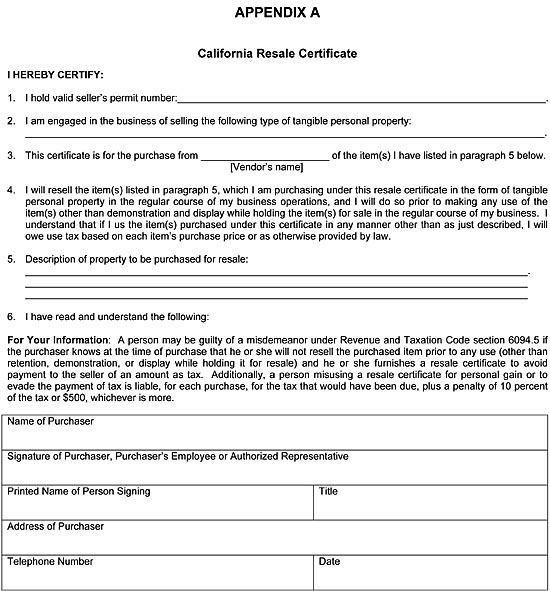
A resale certificate, or seller’s permit, is issued by the California Department of Tax and Fee Administration (CDTFA) and is essentially a state tax permit that allows a business to sell tangible personal property within California. It’s a critical component for anyone engaged in retail activities, enabling them to collect sales tax from customers and remit it to the state. This system ensures that the state receives its due share of revenue from commercial transactions, supporting public services and infrastructure. For lifestyle entrepreneurs, often focused on passion and craft, navigating these regulatory waters can seem daunting, but it’s a straightforward process once understood.
Who Needs a Resale License?
The core rule is simple: if you plan to sell tangible personal property at retail in California, you generally need a seller’s permit. This applies to a vast array of business models often embraced by lifestyle entrepreneurs:
- Online Sellers: Whether you’re selling handmade jewelry, vintage clothing, or specialized software on platforms like Etsy or Shopify, if your customers are in California, you need a permit.
- Brick-and-Mortar Retailers: From quaint gift shops in Carmel-by-the-Sea to bustling electronics stores in Los Angeles, any physical retail presence requires this permit.
- Service Providers Who Sell Products: If your massage therapy studio also sells lotions, or your yoga studio offers branded apparel, the product sales necessitate a permit.
- Temporary Sellers: Businesses operating at swap meets, craft fairs, pop-up shops, or seasonal events must also have a seller’s permit, even if their presence is fleeting.
- Wholesalers: If you plan to issue resale certificates to your suppliers to purchase goods without paying sales tax (because you intend to resell them), you also need a seller’s permit.
Essentially, if you are the “retailer” in a transaction where sales tax is collected from the end-user, this permit is for you.
The Purpose of the Seller’s Permit
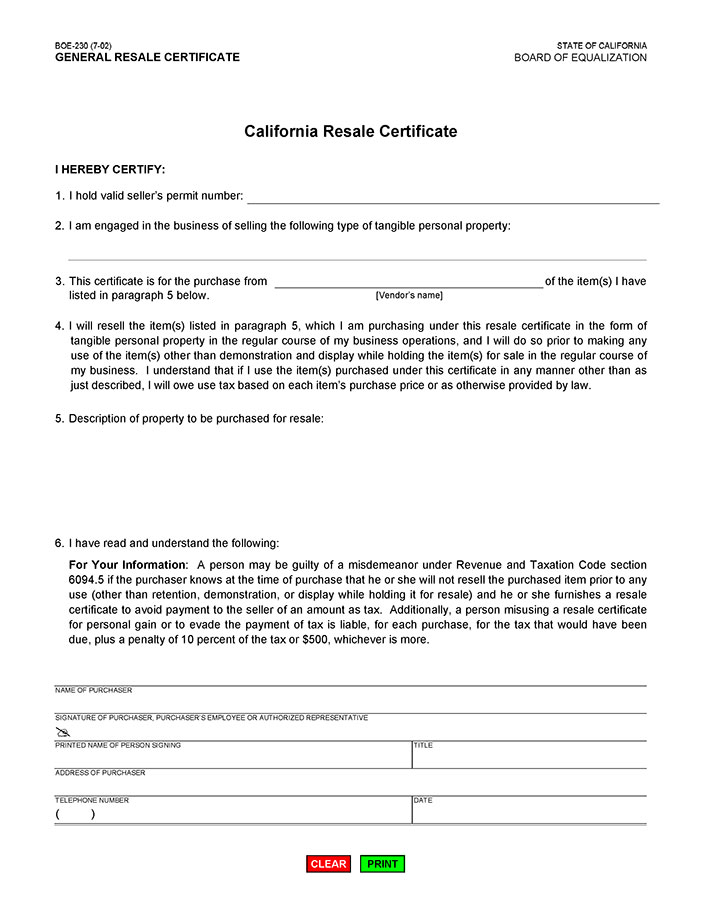
The primary purpose of the seller’s permit is to enable businesses to collect and remit sales tax to the state of California. When you purchase goods from a wholesaler or manufacturer with the intent to resell them, having a seller’s permit allows you to issue a resale certificate to your supplier. This exempts you from paying sales tax on your wholesale purchases, as the sales tax will ultimately be collected from the end consumer when you sell the item. This avoids double taxation and streamlines the supply chain for businesses. It’s an integral part of maintaining fair market practices and ensuring tax compliance across the retail sector.
Step-by-Step Application Process
Obtaining a California Seller’s Permit is a relatively straightforward process, designed to be accessible for new business owners. The CDTFA has digitized much of the application, making it efficient for entrepreneurs to get started.
Online Registration with CDTFA
The easiest and most common way to apply for a seller’s permit is online through the CDTFA website. The process is free and typically takes about 20-30 minutes to complete.
- Visit the CDTFA Website: Navigate to the official California Department of Tax and Fee Administration (CDTFA) site. Look for the “Register a New Business Activity” or “Apply for a Seller’s Permit” section.
- Create an Account: If you don’t already have one, you will need to create an online account. This will allow you to save your application progress and manage your tax accounts in the future.
- Start the Application: Follow the prompts to begin your application for a Seller’s Permit. You will be guided through various sections that request information about your business and its operations.
Information Required for Application
To ensure a smooth application process, have the following information readily available:
- Social Security Number (SSN) or Federal Employer Identification Number (FEIN): Your SSN is typically used for sole proprietorships or single-member LLCs, while an FEIN is required for partnerships, corporations, and multi-member LLCs.
- Business Name and Address: This includes your legal business name and any “Doing Business As” (DBA) names, as well as the physical address where your business operates. For online-only businesses, your home address may be used as the business address.
- Type of Organization: Specify if your business is a sole proprietorship, partnership, corporation, LLC, etc.
- Start Date of Business: The date you began or plan to begin selling tangible personal property.
- Products or Services Sold: A general description of the items you will be selling. Be as specific as possible.
- Estimated Monthly Sales: An estimate of your gross sales and taxable sales to help the CDTFA determine your filing frequency (e.g., quarterly, annually).
- Contact Information: Your phone number, email address, and other relevant contact details.
- Bank Information: While not always required initially, having your bank account details can expedite future sales tax payments.
Specifics for Different Business Structures
The application process is largely similar across business structures, but there are nuances:
- Sole Proprietorships: The simplest structure, requiring only your SSN. You are personally liable for the business’s debts and obligations.
- Partnerships/LLCs/Corporations: These structures require an FEIN (which you obtain from the IRS) and may require additional documentation like Articles of Incorporation or Organization. These structures offer personal liability protection, which is often a wise choice for growing lifestyle businesses.
- Non-Profit Organizations: Even non-profits may need a seller’s permit if they regularly sell tangible personal property. Exemptions apply only to specific types of occasional sales.

After submitting your application, you typically receive your Seller’s Permit number almost immediately online. A physical permit will be mailed to you within a few weeks.
Post-Application Responsibilities and Best Practices
Obtaining your Seller’s Permit is the first step. Maintaining compliance and understanding your ongoing responsibilities is critical for the long-term health and credibility of your business, especially for those who cherish their independent lifestyle venture.
Sales Tax Collection and Remittance
Once you have your permit, you are legally obligated to collect sales tax from your customers on all taxable sales.
- Determine the Correct Rate: California has a statewide base sales tax rate, but local district taxes (city and county) vary. It’s crucial to charge the correct sales tax rate based on the point of sale or, for remote sales, the destination of the goods. The CDTFA offers tools and resources to help businesses determine accurate sales tax rates.
- Filing Frequency: Based on your estimated sales volume, the CDTFA will assign you a filing frequency – typically quarterly or annually for smaller businesses, or monthly for larger ones. You must file sales tax returns by the specified deadlines, even if you had no sales.
- Remittance: The collected sales tax must be remitted to the CDTFA by the filing deadline. This can usually be done electronically through your online CDTFA account.
Maintaining Accurate Records
Accurate record-keeping is not just good business practice; it’s a legal requirement.
- Sales Records: Keep detailed records of all sales, distinguishing between taxable and non-taxable transactions. This includes sales receipts, invoices, and sales journals.
- Purchase Records: Maintain records of all purchases, especially those for which you issued a resale certificate. This proves that you purchased items for resale and were exempt from paying sales tax at the time of purchase.
- Resale Certificates Received: If you purchase goods from another California seller and issue a resale certificate, keep a copy of that certificate. Similarly, if you sell to other businesses for resale, you must collect and retain a valid resale certificate from them.
- Financial Statements: Regular bookkeeping and financial statements (profit and loss, balance sheet) will help you track sales tax liabilities and manage your business finances effectively.
Understanding Use Tax and Exemptions
Beyond sales tax, businesses in California should also be aware of use tax. If you purchase tangible personal property from an out-of-state vendor without paying California sales tax, and you use that property in California (rather than reselling it), you are typically liable for use tax. This often applies to office supplies, equipment, or items purchased for personal use from online retailers that don’t collect California sales tax.
Certain sales are exempt from sales tax, such as sales of food products for home consumption, prescription medicines, and specific agricultural products. It’s crucial to understand these exemptions to accurately charge and report sales tax.
Common Pitfalls and Expert Tips for Lifestyle Businesses
For those building businesses around their passions and lifestyle choices, staying ahead of compliance issues can protect the very freedom and fulfillment they seek.
Misconceptions About Online Sales
A common misconception among new online entrepreneurs is that sales tax doesn’t apply to internet sales. This is false. If your business has a “nexus” (a significant presence, like a physical location, employees, or inventory) in California, and your customer is in California, you are required to collect and remit sales tax. Furthermore, recent federal rulings have expanded sales tax obligations for remote sellers, making it even more important to understand your nexus obligations.
Importance of Compliance for Sustained Business Growth
Ignoring sales tax obligations can lead to significant penalties, interest, and even criminal charges, which can severely jeopardize a budding lifestyle business. The CDTFA has robust audit programs, and non-compliance can result in not only financial burdens but also reputational damage. By establishing proper practices from the outset, you build a foundation of trust and legality that supports sustainable growth and allows you to focus on your core business activities without undue stress.
Seeking Professional Guidance
While the process is designed to be user-friendly, navigating tax laws can be complex. Especially as your business grows or if it involves intricate sales scenarios, consider consulting with a qualified tax professional or accountant. They can provide tailored advice, help ensure ongoing compliance, and assist with accurate filing, allowing you to dedicate your energy to innovation and customer engagement—the true heart of a successful lifestyle business. Understanding your obligations regarding the California Seller’s Permit is a critical step towards building a legitimate, thriving enterprise in the state.
LifeOutOfTheBox is a participant in the Amazon Services LLC Associates Program, an affiliate advertising program designed to provide a means for sites to earn advertising fees by advertising and linking to Amazon.com. Amazon, the Amazon logo, AmazonSupply, and the AmazonSupply logo are trademarks of Amazon.com, Inc. or its affiliates. As an Amazon Associate we earn affiliate commissions from qualifying purchases.