
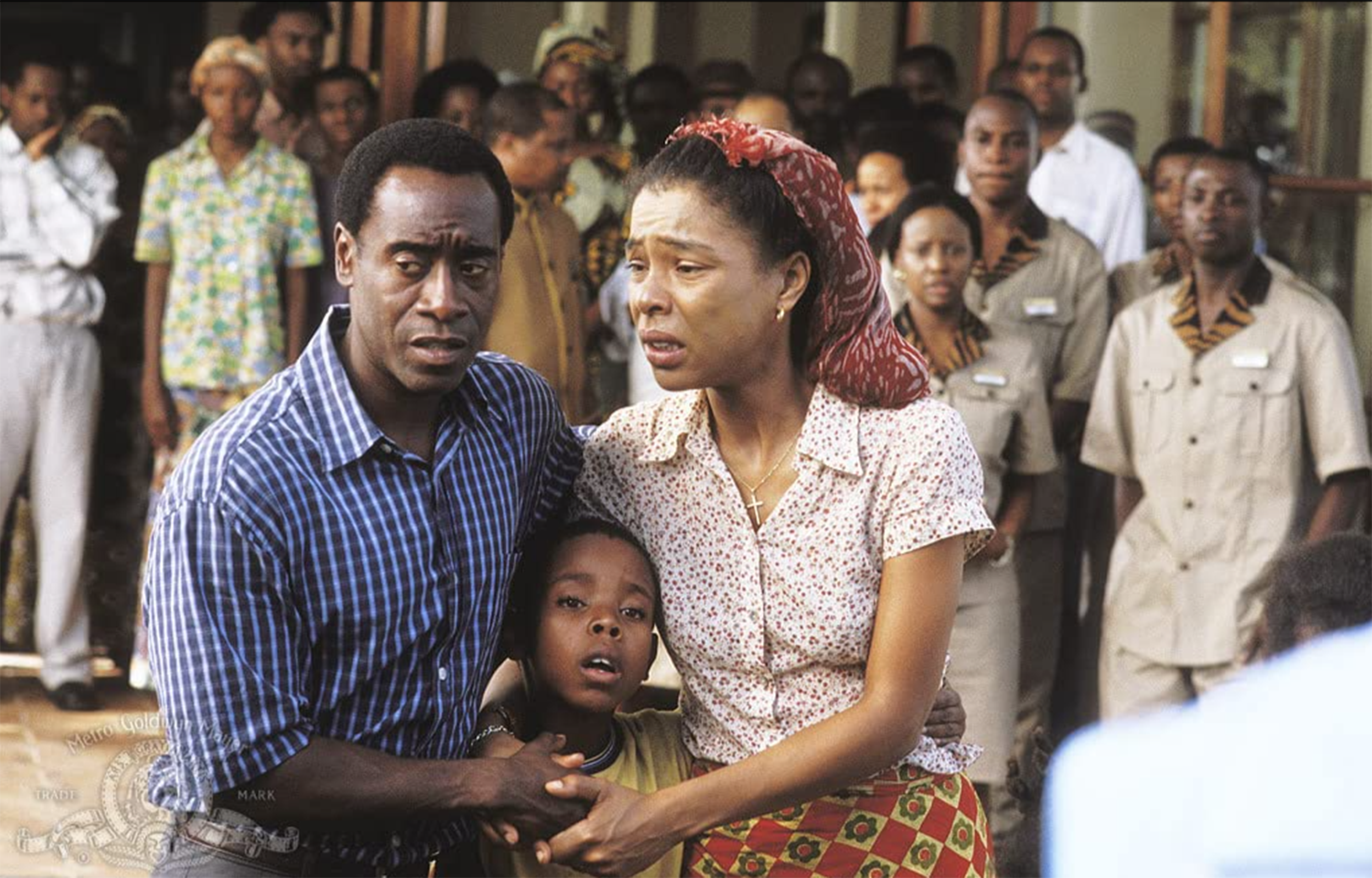
The film “Hotel Rwanda” is a powerful and harrowing cinematic portrayal of the 1994 genocide in Rwanda, focusing on the true story of Paul Rusesabagina, a hotel manager who sheltered over a thousand Tutsi refugees from Hutu extremists. While the title centers on a hotel, the film’s narrative extends far beyond the confines of its walls, using the Hôtel des Mille Collines as a microcosm of the unfolding tragedy and a beacon of hope amidst unimaginable horror. The story is a testament to human resilience, courage, and the profound impact one individual can have in the face of systemic violence.

The Setting: Kigali and a World on the Brink
The film opens in Kigali, the capital of Rwanda, in the early 1990s. Tensions between the Hutu majority and the Tutsi minority have been simmering for years, fueled by political instability and ethnic animosity. Paul Rusesabagina, a moderate Hutu, manages the Hôtel des Mille Collines, a luxury establishment frequented by foreign dignitaries and wealthy individuals. He is a charismatic and resourceful man, adept at navigating the complex social and political landscape of Rwanda.
A Fragile Peace
Paul’s personal life is interwoven with the unfolding political narrative. He is married to Tatiana, a Tutsi woman, and their marriage symbolizes the potential for inter-ethnic harmony. However, the film quickly establishes the pervasive fear and suspicion that grip the nation. The presidential plane carrying President Juvénal Habyarimana is shot down, an event that serves as the immediate catalyst for the genocide. This act of violence plunges Rwanda into chaos, igniting a meticulously planned campaign of extermination against the Tutsi population.
The Hotel as a Sanctuary
As the genocide escalates, the streets of Kigali become scenes of brutal slaughter. Paul, using his influence and connections, transforms the Hôtel des Mille Collines into a sanctuary for Tutsi refugees, including his own family and employees. He negotiates with extremist militia leaders, bribes soldiers, and leverages his diplomatic relationships to protect those under his care. The hotel, once a symbol of Western luxury, becomes a makeshift refuge, a place where people huddle together, clinging to the hope of survival.
Paul Rusesabagina: The Unlikely Hero
At the heart of “Hotel Rwanda” is the extraordinary courage and moral fortitude of Paul Rusesabagina. He is not a soldier or a politician, but a businessman and a family man thrust into a situation that demands immense bravery. The film depicts his transformation from a pragmatic manager focused on maintaining appearances and securing his own family’s safety to a selfless protector who risks everything for strangers.
Moral Dilemmas and Resourcefulness
Paul faces constant moral dilemmas. He must make impossible choices, balancing the safety of those inside the hotel with the immediate threats outside. He uses his wit, charm, and cunning to outmaneuver killers and corrupt officials. The film highlights his ability to negotiate, to appeal to humanity where it seems to be absent, and to exploit loopholes in the genocidal machinery. His actions are not driven by a desire for glory but by a deep-seated sense of responsibility and compassion.
The Personal Cost
The burden of protecting so many lives takes a heavy toll on Paul. He witnesses unimaginable atrocities, grapples with the constant threat of discovery, and endures immense psychological pressure. His relationship with his family, particularly his wife Tatiana, is a source of strength and vulnerability. The film explores the personal sacrifices he makes, the fear he must suppress, and the determination that fuels his extraordinary efforts.

The Broader Context of the Genocide
While “Hotel Rwanda” is an intimate story of survival, it also serves as a powerful indictment of the international community’s failure to intervene in the genocide in Rwanda. The film depicts the withdrawal of United Nations peacekeepers, led by General Roméo Dallaire, leaving the Tutsi population vulnerable to systematic slaughter.
International Indifference
The film starkly illustrates the world’s apathy towards the unfolding genocide. News reports broadcasted on television show the horrifying scale of the violence, yet powerful nations remain hesitant to act, often referring to the events as “tribal warfare” rather than genocide. This deliberate downplaying of the situation allows the killings to continue with impunity, highlighting a profound moral failing on a global scale. Paul Rusesabagina’s pleas for help and his desperate attempts to draw international attention are met with bureaucratic indifference and political expediency.
The Power of Witness
“Hotel Rwanda” serves as a crucial act of bearing witness. By telling the story of the genocide through the lens of Paul Rusesabagina and the refugees he sheltered, the film ensures that these lives, and the horrific events they endured, are not forgotten. It brings the human cost of the genocide to the forefront, challenging viewers to confront the reality of what happened and the consequences of inaction. The film is a memorial to the victims and a tribute to the survivors, reminding us of the importance of remembering history to prevent its recurrence.
Themes and Legacy
“Hotel Rwanda” is a film rich in thematic depth, exploring universal concepts of courage, humanity, prejudice, and the enduring power of hope. Its legacy lies not only in its cinematic achievements but also in its role as an educational tool and a catalyst for discussion about the genocide in Rwanda and the responsibility of the international community.
The Nature of Good and Evil
The film draws a stark contrast between the perpetrators of the genocide and those who resisted it. It showcases the depths of human depravity, the systematic dehumanization that enabled such widespread violence, and the chilling efficiency with which the killings were carried out. Simultaneously, it highlights the extraordinary capacity for good that can emerge even in the darkest of times. Paul Rusesabagina’s actions, and the bravery of the refugees themselves, demonstrate the inherent dignity and resilience of the human spirit.
The Importance of Memory
The title “Hotel Rwanda” itself has become synonymous with the genocide in Rwanda and the story of Paul Rusesabagina. The film’s enduring popularity and critical acclaim have brought global attention to this devastating chapter of history. It serves as a vital reminder that such atrocities can and do happen, and that remembering these events is a crucial step in fostering peace and preventing future genocides. The film encourages viewers to reflect on their own roles in standing up against injustice and to consider the ethical implications of indifference.
A Call to Action
Ultimately, “Hotel Rwanda” is more than just a historical drama; it is a powerful call to action. It compels audiences to consider the lessons learned from the genocide in Rwanda and to advocate for a world where such horrors are never repeated. The story of the Hôtel des Mille Collines and its courageous manager is a testament to the fact that even one person, armed with conviction and compassion, can make a profound difference. The film continues to inspire dialogue and reflection, ensuring that the memory of those who suffered and those who dared to resist is preserved.
LifeOutOfTheBox is a participant in the Amazon Services LLC Associates Program, an affiliate advertising program designed to provide a means for sites to earn advertising fees by advertising and linking to Amazon.com. Amazon, the Amazon logo, AmazonSupply, and the AmazonSupply logo are trademarks of Amazon.com, Inc. or its affiliates. As an Amazon Associate we earn affiliate commissions from qualifying purchases.