
California, the Golden State, beckons with its vibrant culture, stunning landscapes, and unparalleled economic opportunities. For many, the dream of experiencing the unique California lifestyle – whether it’s contributing to cutting-edge industries in Silicon Valley, pursuing creative endeavors in Los Angeles, or simply enjoying the diverse communities and natural beauty – hinges on one crucial document: a work permit. Obtaining authorization to work legally in California, and by extension, the United States, is the first and most vital step toward transforming that dream into a tangible reality. This comprehensive guide will illuminate the pathways to securing a work permit, framed within the broader context of building a fulfilling lifestyle and establishing a “business stay” in this dynamic state.
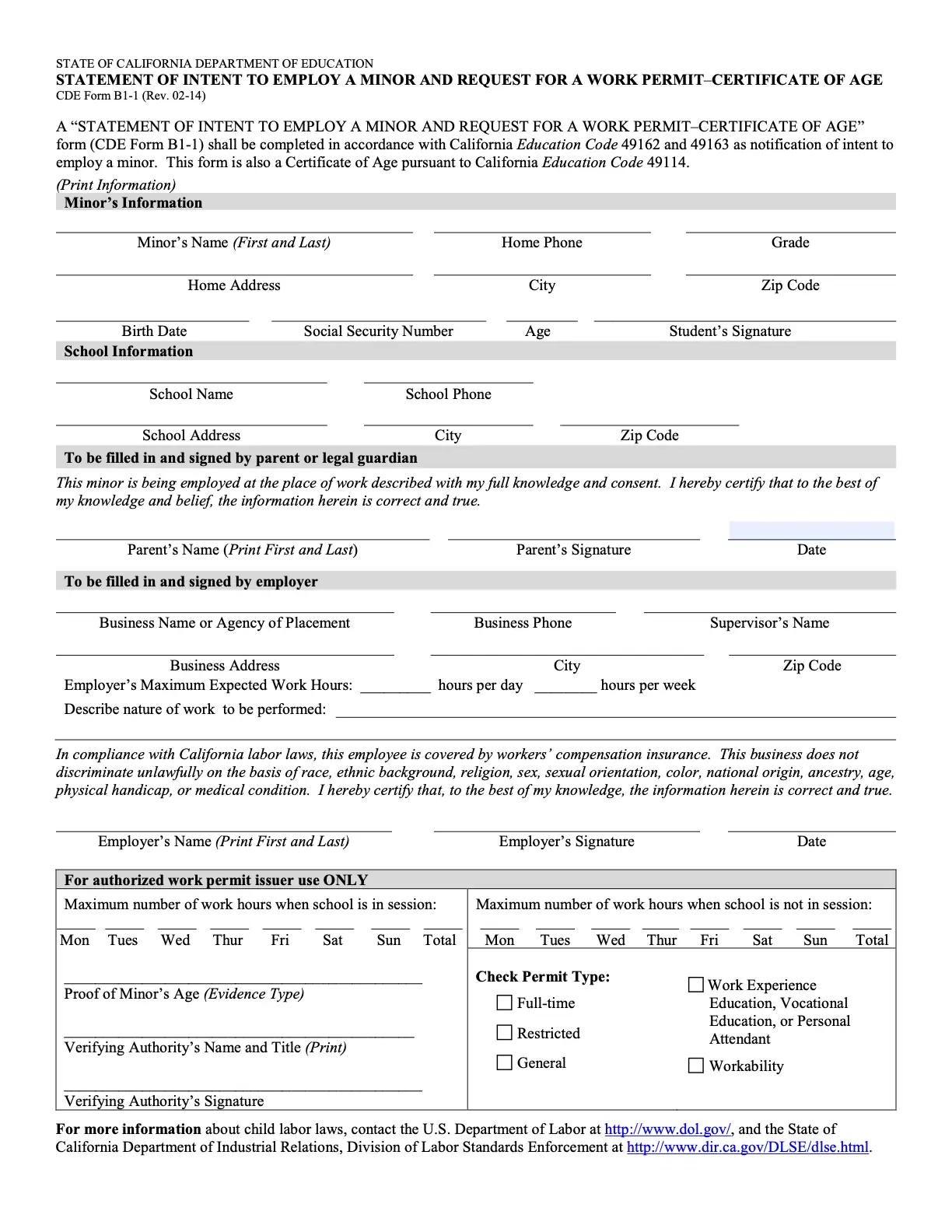
Unlocking the California Dream: Why a Work Permit Matters for Your Lifestyle
The allure of California extends far beyond its reputation as a tourist destination. For countless individuals globally, it represents a beacon of innovation, career advancement, and an enviable quality of life. Understanding how a work permit serves as the linchpin for this transition is crucial for anyone aspiring to call California home.
The Allure of California for Business and Life
From the tech giants of San Francisco to the entertainment industry of Los Angeles and the agricultural heartland, California offers an incredibly diverse economic landscape. This diversity translates into a myriad of career paths and business opportunities, attracting top talent and ambitious entrepreneurs from around the globe. For those seeking a vibrant lifestyle coupled with professional growth, a work permit is the gateway to accessing these possibilities. It’s not merely about securing a job; it’s about integrating into the professional fabric of a state that leads the world in numerous sectors, fostering an environment where innovation thrives and careers can flourish beyond imagination. The ability to work legally provides stability, allows for long-term career planning, and opens doors to networking and professional development that are integral to a successful “business stay” and lifestyle in California.
Beyond Tourism: Building a Life in the Golden State
While California’s attractions are undeniable, a work permit enables a deeper immersion into its unique lifestyle. It permits more than just visiting iconic sites; it allows for full participation in local communities, enjoyment of the state’s diverse natural playgrounds, and access to essential services and long-term accommodation options. Building a life here means establishing roots, contributing to the local economy, and experiencing the day-to-day rhythms that define the California experience. A work permit transitions an individual from a temporary visitor to a contributing resident, empowering them to pursue educational goals, raise families, and fully embrace the multifaceted lifestyle that makes California so captivating. Without proper authorization, even the most appealing aspects of California remain out of reach for sustained living and working.
Navigating the Immigration Maze: Understanding Work Permit Categories
Obtaining a work permit in California is not a single, straightforward process. Instead, it involves navigating a complex landscape of visa categories, each with specific requirements tailored to different skill sets, professions, and situations. The specific type of visa or authorization you qualify for will largely dictate your journey to a California work permit. Understanding these categories is the first step in aligning your professional aspirations with the legal framework of the United States.
Employer-Sponsored Visas for Professional Growth
Many individuals gain work authorization through an employer in California who sponsors their visa. These visas are ideal for professionals seeking to leverage their skills in the thriving California job market.
- H-1B Visas: Designed for individuals in specialty occupations requiring a bachelor’s degree or higher in a specific field. This is a common path for tech professionals, engineers, and healthcare workers in California’s leading industries. The annual cap on these visas often necessitates participation in a lottery system, making timing and preparation crucial.
- L-1 Intracompany Transferee Visas: For employees of international companies who are being transferred to a parent, subsidiary, affiliate, or branch office in the United States. This is particularly relevant for those moving within large multinational corporations with a strong presence in California, allowing them to maintain their career trajectory within the same company while experiencing a new lifestyle.
- Other Specialized Visas (e.g., TN, E-3): Certain free trade agreements (like NAFTA for Canada and Mexico) offer specialized visa categories (TN) for professionals in specific fields. Similarly, the E-3 visa is exclusive to Australian citizens in specialty occupations. These visas often provide a more streamlined path to work authorization for eligible individuals.
Investor and Entrepreneurial Pathways to the Golden State Lifestyle
For those looking to establish a business or invest significantly in the California economy, specific visa categories cater to their entrepreneurial spirit and financial contributions. These pathways facilitate a dynamic lifestyle where business ownership and innovation take center stage.
- E-1 Treaty Trader and E-2 Treaty Investor Visas: Available to nationals of countries with which the United States maintains treaties of commerce and navigation. E-1 is for engaging in substantial trade, while E-2 is for investing a substantial amount of capital in a U.S. enterprise. These visas enable foreign nationals to operate businesses in California, contributing to the local economy and fostering job creation, which in turn supports a thriving entrepreneurial lifestyle.
- EB-5 Immigrant Investor Program: This path leads directly to a green card for foreign investors who make a significant capital investment in a new commercial enterprise in the United States that creates or preserves at least 10 full-time jobs for qualified U.S. workers. While a higher barrier to entry, it offers a direct route to permanent residency and the full California lifestyle.
Specialized Talent and Extraordinary Ability Visas
California’s diverse industries, particularly in entertainment, arts, science, and sports, attract individuals with exceptional skills. Visa categories exist to accommodate these unique talents.
- O-1 Visas for Individuals with Extraordinary Ability: For individuals who possess extraordinary ability in the sciences, arts, education, business, or athletics, or who have a demonstrated record of extraordinary achievement in the motion picture or television industry and have been recognized nationally or internationally for those achievements. This allows acclaimed professionals to bring their unique contributions to California, enriching its cultural and intellectual landscape.
- P Visas for Athletes, Artists, and Entertainers: For internationally recognized athletes, entertainment groups, and cultural performers coming to the United States to perform. California is a hub for these industries, making these visas a common pathway for those pursuing a career in the public spotlight.
In addition to these, students on F-1 visas may qualify for Optional Practical Training (OPT) after graduation, providing temporary work authorization directly related to their field of study. Certain individuals, such as those granted asylum or Deferred Action for Childhood Arrivals (DACA), may also be eligible for an Employment Authorization Document (EAD), which serves as their work permit.
The Application Journey: Steps to Secure Your California Work Authorization
Once you’ve identified the appropriate visa category, the application process for a work permit in California requires meticulous attention to detail and adherence to specific legal procedures. This journey, while intricate, is a navigable path to establishing your “business stay” and desired lifestyle in the Golden State.
Initial Requirements and Documentation

Regardless of the visa category, several foundational requirements generally apply.
- Sponsorship: Most work visas require sponsorship by a U.S. employer, family member, or through self-petition (for extraordinary ability or investment visas). The sponsor initiates the process by filing a petition with United States Citizenship and Immigration Services (USCIS).
- Proof of Qualifications: This includes academic degrees, professional licenses, work experience letters, and any other documentation proving you meet the criteria for the specific visa category. For employer-sponsored visas, the employer must often demonstrate a legitimate need for foreign talent and, in some cases, undertake a Labor Condition Application with the Department of Labor.
- Personal Identification and Background Checks: A valid passport, birth certificate, marriage certificate (if applicable), and police clearance certificates are typically required. You will also undergo fingerprinting and security checks as part of the process.
- Financial Stability: Applicants often need to demonstrate they will not become a public charge, either through their prospective employment, sponsor’s affidavit of support, or personal financial resources.
Processing Times and Potential Challenges
The timeline for obtaining a work permit can vary significantly based on the visa type, the volume of applications, and the efficiency of USCIS processing centers.
- Variability: Simple petitions might be processed in a few months, while more complex cases, especially those with annual caps (like the H-1B), can take much longer, including potential lottery selections and premium processing options for an expedited review.
- Requests for Evidence (RFEs): It is common for USCIS to issue an RFE if they require additional documentation or clarification. Responding thoroughly and promptly is essential to avoid delays or denials.
- Interviews: Depending on where you apply (e.g., at a U.S. embassy or consulate abroad, or within the United States for a change of status), an in-person interview may be required to verify information and assess your eligibility.
Maintaining Your Status for an Uninterrupted California Lifestyle
Obtaining the work permit is just one part of the equation; maintaining valid legal status is equally critical for a continuous and uninterrupted California lifestyle.
- Adherence to Visa Conditions: Each visa category comes with specific conditions, such as working only for the sponsoring employer or in a designated profession. Deviating from these conditions can lead to revocation of status.
- Timely Renewals and Extensions: Work permits and visas are typically issued for a finite period. It is imperative to track expiration dates and initiate renewal or extension applications well in advance to avoid lapses in authorization.
- Reporting Changes: Changes in employment, address, or marital status may need to be reported to USCIS.
- Travel Considerations: Understand how international travel impacts your visa status, especially if your application is still pending or if you are transitioning between statuses.
Life Beyond the Permit: Embracing Your California Lifestyle
With your work permit secured, the true journey of embracing the California lifestyle begins. This authorization is more than a legal document; it’s a key that unlocks opportunities for personal growth, cultural immersion, and long-term settlement in one of the world’s most desired destinations.
Living and Working in Iconic Cities
California’s major cities offer distinct flavors of life and work. In Los Angeles, you might find yourself balancing a dynamic career in entertainment or tech with beach weekends and diverse culinary experiences. San Francisco offers a cosmopolitan urban experience, where cutting-edge technology and progressive culture define the daily rhythm, often interspersed with escapes to nearby natural wonders. Even smaller cities and rural areas provide unique lifestyles, from the wine country of Napa Valley to the agricultural expanse of the Central Valley. Your work permit allows you to choose an environment that best suits your professional aspirations and personal preferences, truly tailoring your “business stay” to your desired lifestyle.
Balancing Work and Leisure in a Dynamic Environment
The California lifestyle is often characterized by a strong emphasis on work-life balance, facilitated by the state’s diverse geography. With a work permit, you have the freedom to enjoy weekend trips to national parks like Yosemite or Redwood, explore the vibrant art scenes in Oakland, or indulge in the world-renowned cuisine in San Diego. This ability to seamlessly integrate professional responsibilities with enriching leisure activities is a hallmark of the California experience, making it an incredibly attractive place to live and work long-term.
Long-Term Outlook: Green Cards and Permanent Residency
For many, a work permit is an initial step toward permanent residency in the United States. Several employment-based green card categories exist for those who wish to transition from temporary work authorization to indefinite lawful residence. Your employer may sponsor you for an employment-based green card, or you might qualify through extraordinary ability, national interest waiver, or investment. Planning for this long-term goal from the outset can help streamline the process and ensure a stable, permanent future in California, fully integrating into its society and economy.
Essential Tips for a Seamless Transition
The journey to securing a work permit and establishing a lifestyle in California can be complex. However, with the right approach and resources, it can be a smooth and rewarding experience.
Seeking Professional Guidance
Given the intricacies of U.S. immigration law, consulting with an experienced immigration attorney is highly recommended. A knowledgeable lawyer can assess your eligibility, guide you through the correct visa category selection, assist with document preparation, and represent you throughout the application process. Their expertise can significantly reduce the risk of errors, delays, or denials, ensuring your path to a California work permit is as efficient as possible.

Financial Planning for Your California Move
California is known for its high cost of living, particularly in major urban centers. Beyond visa application fees, prospective residents should factor in costs for initial accommodation, transportation, health insurance, and general living expenses. Creating a detailed financial plan and ensuring you have adequate funds for the transition period is crucial for a stress-free start to your new life and “business stay” in the Golden State. Researching specific city costs and understanding salary expectations in your field will provide a realistic picture of what to expect.
In conclusion, obtaining a work permit in California is a multifaceted process that opens the door to an extraordinary lifestyle. By understanding the various visa categories, meticulously preparing your application, and proactively planning for your future in the Golden State, you can successfully navigate this journey and realize your dream of living, working, and thriving in California.
LifeOutOfTheBox is a participant in the Amazon Services LLC Associates Program, an affiliate advertising program designed to provide a means for sites to earn advertising fees by advertising and linking to Amazon.com. Amazon, the Amazon logo, AmazonSupply, and the AmazonSupply logo are trademarks of Amazon.com, Inc. or its affiliates. As an Amazon Associate we earn affiliate commissions from qualifying purchases.