
California, a land celebrated for its diverse landscapes, innovative spirit, and vibrant cultural tapestry, offers a unique experience for every visitor. From the sun-kissed beaches of Southern California to the majestic redwoods of the north, and from the bustling urban centers like Los Angeles and San Francisco to the serene wine regions, the Golden State captivates the imagination. For those drawn to understanding the very fabric of its society, delving into the civic life of California can be as insightful as exploring its iconic attractions. While most tourists focus on the immediate pleasures of sightseeing, understanding the local culture extends to grasping the mechanisms of its democratic process. For individuals considering an extended stay, relocation, or simply keen on a deeper understanding of American governance, the question of voter identification in California provides a fascinating lens into the state’s civic philosophy.
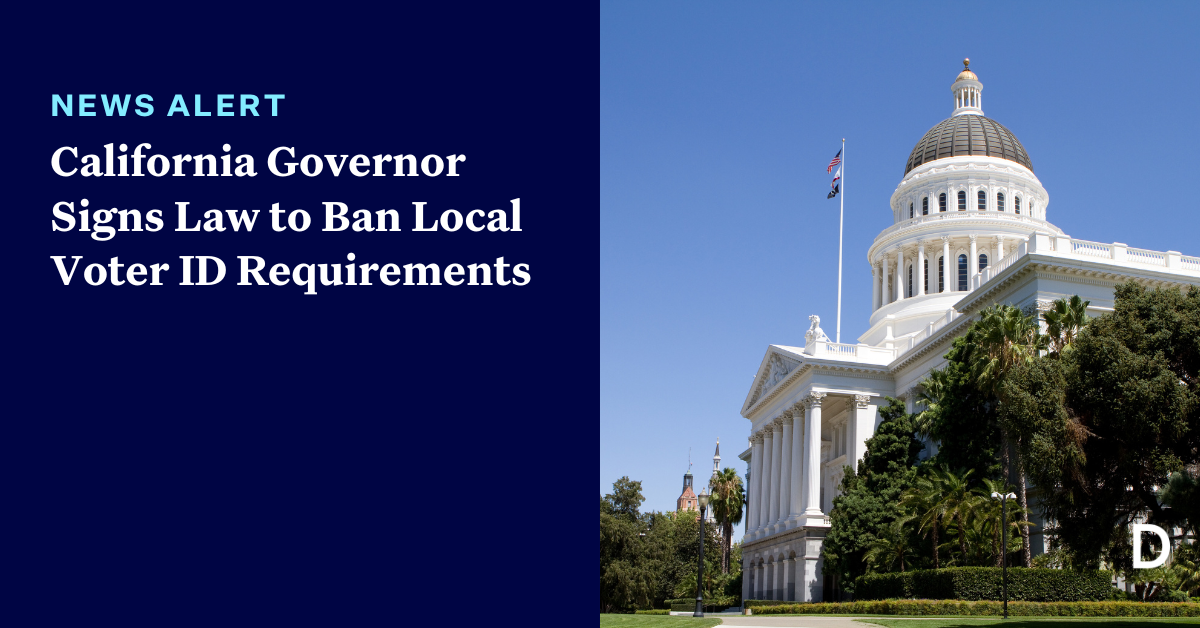
In the broader context of appreciating local culture and the nuances that define a destination, understanding electoral procedures offers a valuable perspective. It sheds light on how residents participate in shaping their communities and the state’s future. For those with a long-term interest in California, perhaps as prospective residents or citizens, familiarity with these processes becomes not just academic but practical. This article delves into California’s specific requirements for voter identification, contrasting it with national trends, and offering insights for anyone looking to understand this crucial aspect of the state’s local culture.
Understanding California’s Unique Civic Landscape
California’s approach to civic participation and electoral processes is distinct, reflecting its progressive values and commitment to accessibility. Unlike some states that have implemented stringent voter ID laws, California prioritizes the ease of voting for its diverse population, emphasizing trust in the electoral system over erecting potential barriers. This philosophy is deeply ingrained in the state’s identity, often leading the way in electoral reforms that aim to expand voter access.
The Spirit of Direct Democracy
The Golden State is renowned for its robust tradition of direct democracy, heavily utilizing initiatives, referendums, and recalls. This means that citizens directly vote on laws and constitutional amendments, giving them a powerful voice in shaping the state’s policies beyond simply electing representatives. For visitors or new residents, observing or learning about these processes offers a profound insight into the local culture of political engagement. It demonstrates a proactive citizenry, often passionate about various social, environmental, and economic issues. Understanding these mechanisms is crucial for anyone seeking to integrate into or even just appreciate the political vibrancy of California. It’s an active participation culture, often visible in public discourse and local media, and stands as a testament to the state’s commitment to democratic principles.
Engaging with Local Governance
Beyond statewide elections, local governance in California plays a critical role in daily life. From city council meetings in San Diego to school board decisions in Oakland, residents have numerous avenues to engage. While tourists typically don’t participate in voting, understanding these local civic structures can enrich one’s appreciation of a community. Many municipalities actively encourage public input on urban planning, environmental policies, and community development. For a traveler interested in the socio-political dynamics of their destination, attending a public meeting or researching local issues can provide an unparalleled glimpse into the local culture and the concerns that drive its residents. This active engagement forms a foundational layer of California’s unique identity, fostering a sense of collective responsibility and shared ownership.
Voter ID Laws: A National Overview and California’s Approach
The debate surrounding voter identification laws has been a contentious topic across the United States for decades. Proponents often argue for the necessity of photo ID to prevent voter fraud and ensure election integrity, while opponents contend that strict ID requirements disproportionately disenfranchise eligible voters, particularly minorities, the elderly, and low-income individuals who may face challenges in obtaining required identification. California’s stance on this issue firmly places it in the latter camp, prioritizing access and participation.
The Spectrum of Voter ID Requirements Across the United States
Across the United States, voter ID laws vary significantly from state to state. Some states, like Georgia and Texas, require voters to present a photo ID at the polls. Others, such as Florida and Ohio, require non-photo ID. A third category of states, including New York and Maryland, only ask for ID if the voter is registering for the first time or if there are questions about their registration. This patchwork of regulations can be confusing, even for experienced voters, highlighting the diverse legal and cultural approaches to democratic participation within the country. Understanding this broader context helps in appreciating California’s specific choices regarding voter access.
California’s Policy on Photo Identification at the Polls
Crucially, California does not require voters to show photo identification at the polls on Election Day in most cases. This policy is a cornerstone of the state’s efforts to maximize voter participation. When you arrive at a polling place in California, poll workers will generally verify your identity by checking your name and address against the voter rolls. You will then sign the roster. The expectation is that your voter registration information is accurate and up-to-date.
There are, however, a few specific instances where you might be asked to show identification:
- First-time voters: If you registered to vote by mail and did not provide your California driver’s license number, California ID number, or the last four digits of your Social Security number on your registration form, you may be asked to show identification the first time you vote at the polls. This is to verify your identity against the information provided during registration.
- Provisional ballots: If there’s an issue with your registration, or if you’re not on the roster, you might be asked to cast a provisional ballot. In some cases, providing ID can help election officials verify your eligibility more quickly, though it’s not strictly required for the provisional ballot itself to be accepted, provided other checks confirm eligibility.
In these rare instances, acceptable forms of identification can include a driver’s license, state ID card, passport, student ID, or any form of identification containing your name and photograph. The overarching principle in California is to ensure that eligible citizens are not turned away from the polls due to a lack of specific identification documents, reinforcing the state’s commitment to inclusive democracy.
Who Can Vote in California? Exploring Eligibility for Residents and Newcomers
For those genuinely interested in integrating into California’s local culture, understanding voter eligibility is a fundamental step. While visitors are observers, new residents might eventually aspire to participate actively in shaping their new home. The state has clear guidelines that define who is eligible to cast a ballot, ensuring that the democratic process is both accessible and secure.
Citizenship and Residency Requirements
To vote in any election in California, an individual must meet several key criteria:
- United States Citizenship: Only United States citizens are eligible to vote. This means permanent residents (green card holders) and temporary visa holders, while integral to the state’s economy and social fabric, cannot vote in federal, state, or most local elections. (Some local jurisdictions across the United States allow non-citizens to vote in certain local elections, but this is not the general rule in California for statewide or federal contests.)
- Residency: Voters must be a resident of California. There is no specific duration of residency required; if you have established a residence in California with the intent to remain, you are generally considered a resident.
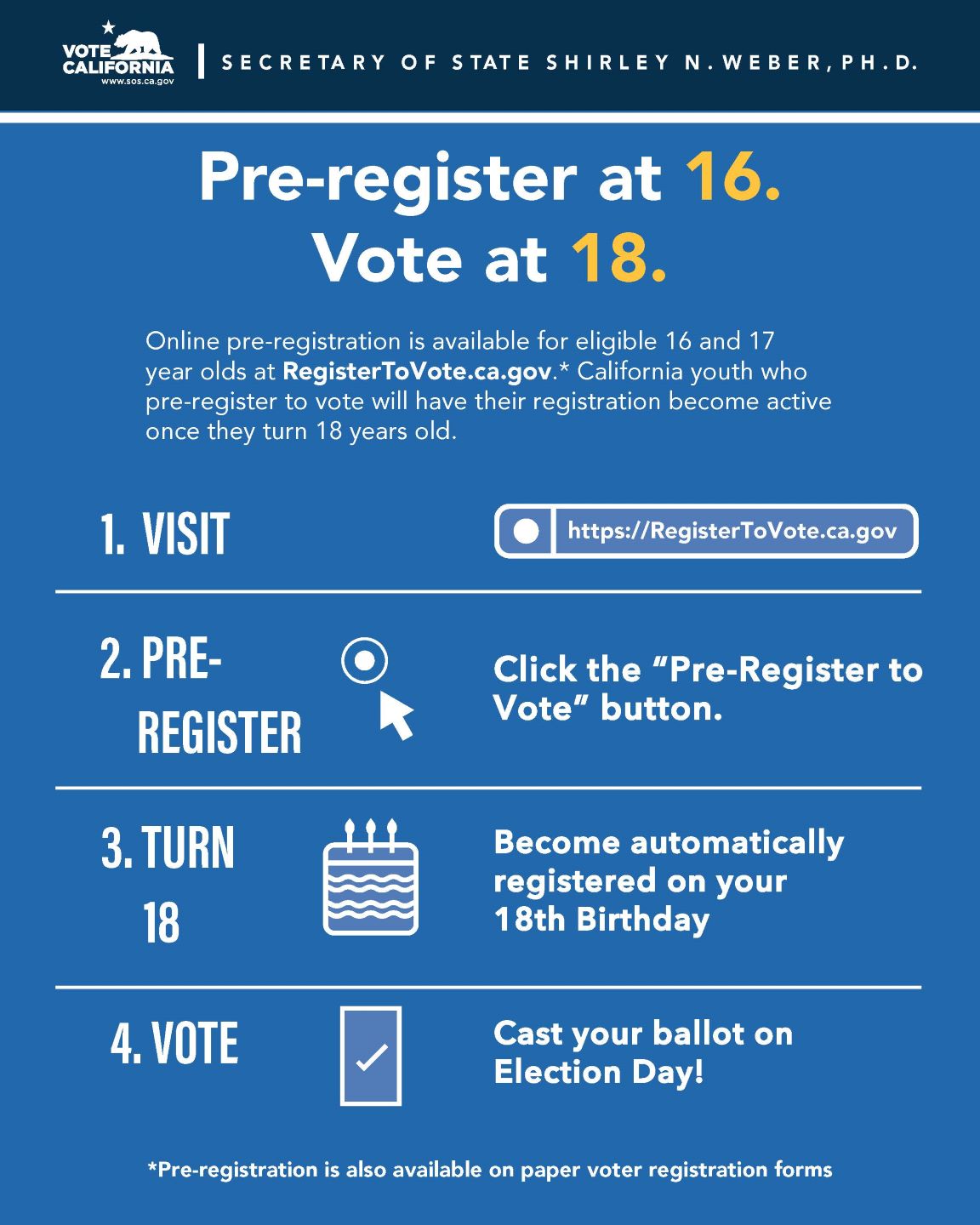
- Age: Voters must be at least 18 years old on Election Day. California also allows 16- and 17-year-olds to pre-register to vote, so they are automatically registered upon turning 18.
- Not Currently Imprisoned or on Parole for a Felony: Individuals currently serving a state or federal prison term for a felony conviction, or on parole for a felony conviction, are not eligible to vote. However, once their parole is completed, their voting rights are automatically restored. Individuals on probation, or who have completed their sentences, are eligible to vote.
- Not Found Mentally Incompetent: Voters must not currently be found mentally incompetent to vote by a court.
These requirements ensure that the electoral process is reserved for those with a permanent stake in the community and the capacity to make informed decisions, forming a cornerstone of responsible civic engagement.
Voter Registration: A Crucial First Step
Even with the absence of strict ID requirements at the polls, voter registration is a mandatory and crucial first step for all eligible citizens in California. The state offers multiple convenient ways to register:
- Online: The easiest and most common method is to register online through the California Secretary of State’s website. This process is straightforward and typically takes only a few minutes.
- By Mail: Paper registration forms are available at post offices, libraries, Department of Motor Vehicles (DMV) offices, and other public agencies. These can be filled out and mailed in.
- In Person: You can register in person at county election offices.
The registration deadline is generally 15 days before an election. However, California also offers Same Day Voter Registration (Conditional Voter Registration) at county election offices and polling places on Election Day. This means that even if you miss the deadline, you can still conditionally register and cast a ballot, which will be counted once your eligibility is verified. This innovative approach further underscores California’s commitment to maximizing voter access, making it a valuable “tip” for new residents to fully integrate into the local culture of civic participation.
Navigating the Electoral Process as a California Resident
For new or prospective residents, understanding the practicalities of voting in California is part of embracing the local lifestyle. The state has implemented several measures to make voting as convenient and accessible as possible, reflecting its commitment to an engaged populace.
Absentee Voting and Vote-by-Mail
California has embraced vote-by-mail as a primary method of voting, especially in recent years. For all statewide elections, every registered voter automatically receives a ballot in the mail, approximately a month before Election Day. This means that the majority of California voters cast their ballots from the comfort of their homes, eliminating the need to visit a polling place altogether. Voters can return their completed ballots by mail (postmarked by Election Day) or drop them off at designated secure drop boxes or any polling place. This system dramatically increases convenience and voter turnout, becoming a defining feature of California’s electoral culture.

Resources for Informed Civic Participation
To ensure an informed electorate, California provides a wealth of resources. The Secretary of State’s office offers comprehensive guides, including detailed information about propositions, candidates, and polling locations. Additionally, each county election office provides localized information, often available online, helping residents navigate the specifics of their local ballots. Non-partisan organizations also play a vital role, publishing voter guides and hosting candidate forums. For anyone seeking to genuinely understand and participate in California’s civic life, these resources are invaluable. They represent a fundamental “tip” for connecting with the intricate web of local governance and the decisions that shape the future of this dynamic state.
In conclusion, while the question “Is ID Required To Vote In California?” might seem straightforward, its answer unravels a deeper understanding of the state’s unique approach to democracy and local culture. California’s emphasis on voter accessibility, demonstrated by its lack of strict photo ID requirements and extensive vote-by-mail system, is a testament to its progressive values. For those who move beyond being mere tourists to become residents or simply wish for a richer appreciation of California, delving into these civic aspects offers a truly insightful and engaging experience of the Golden State.
LifeOutOfTheBox is a participant in the Amazon Services LLC Associates Program, an affiliate advertising program designed to provide a means for sites to earn advertising fees by advertising and linking to Amazon.com. Amazon, the Amazon logo, AmazonSupply, and the AmazonSupply logo are trademarks of Amazon.com, Inc. or its affiliates. As an Amazon Associate we earn affiliate commissions from qualifying purchases.