
Texas stands as a unique state in the nation regarding its approach to workers’ compensation. Unlike most other states, it is an elective system, meaning that most private employers are not legally required to provide workers’ compensation insurance. This distinction profoundly shapes how injured workers in Texas navigate the process of seeking benefits and medical care after a workplace injury. Understanding the intricacies of this system is crucial for both employers and employees operating within the Lone Star State.
The Texas Workers’ Compensation System: An Elective Framework
The core of the Texas workers’ compensation system lies in its elective nature for private employers. This means that businesses have a choice: either opt into the Texas workers’ compensation system by purchasing insurance, or remain a non-subscriber. This decision has significant implications for how workplace injuries are handled.
Non-Subscribers: Navigating Alternative Avenues
A substantial number of Texas employers choose to be non-subscribers. For workers injured on the job at a non-subscriber company, the path to recovery and compensation diverges significantly from the traditional workers’ compensation model. These employees cannot claim benefits through a state-regulated workers’ compensation insurance policy. Instead, they may have the option to pursue a civil lawsuit against their employer for negligence.
Grounds for Lawsuits Against Non-Subscribers
When an employer is a non-subscriber, an injured employee can potentially sue for damages resulting from the injury. To succeed in such a lawsuit, the employee generally needs to prove that the employer’s negligence caused the injury. This could involve demonstrating that the employer failed to provide a safe working environment, inadequate training, faulty equipment, or violated safety regulations.
However, it’s crucial to understand that non-subscriber employers often have specific defenses they can raise. Historically, these included the common law defenses of assumption of risk, fellow servant doctrine, and contributory negligence. While Texas law has modified some of these defenses for non-subscribers, employers can still argue that the employee’s own actions contributed to the injury. The potential for lengthy litigation and the uncertainty of outcomes often make this route complex and demanding.
Subscribers: The Traditional Workers’ Comp Path
Employers who opt to subscribe to the Texas workers’ compensation system are bound by its rules and regulations. For employees of these subscribing employers, the process is more standardized, though still with its own unique Texas characteristics. Workers’ compensation insurance provides a no-fault system, meaning that benefits are generally available regardless of who was at fault for the injury.
Key Benefits Provided by Subscribers
When an employer subscribes to workers’ compensation, injured employees are typically entitled to several types of benefits:
- Medical Benefits: This is often the most critical benefit for an injured worker. The insurance carrier is responsible for paying for all necessary and reasonable medical treatment related to the workplace injury. This includes doctor’s visits, hospital stays, surgeries, medications, physical therapy, and durable medical equipment. The goal is to provide the care needed for the employee to recover and return to work.
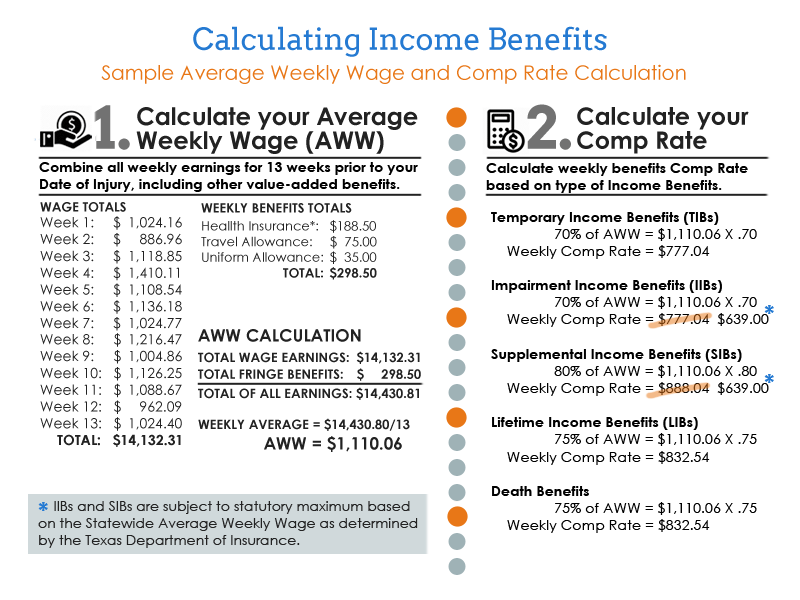
- Income Benefits: If an employee is unable to work due to a workplace injury, they may be entitled to income benefits. These are designed to replace a portion of the lost wages. There are different types of income benefits, often categorized by the duration and severity of the disability.
- Temporary Income Benefits (TIBs): These are paid when an employee is temporarily unable to work due to their injury. They are typically paid at two-thirds of the employee’s average weekly wage, up to a statutory maximum.
- Impairment Income Benefits (IIBs): Once an injured employee reaches maximum medical improvement (MMI), a doctor will assess if they have any permanent impairment. If an impairment rating is assigned, the employee may receive IIBs, calculated based on the impairment rating and the average weekly wage.
- Disability Income Benefits (DIBs): These benefits are paid when an employee sustains a permanent impairment and is unable to earn at least 70% of their pre-injury wage, or 85% of their average weekly wage if they have a combined moderate injury. DIBs are also typically paid at two-thirds of the average weekly wage, but can be paid for a longer duration.
- Lifetime Income Benefits (LIBs): In cases of extremely severe injuries, such as the loss of use of a body part or total and permanent disability, LIBs may be awarded, providing benefits for the duration of the lifetime.
- Death Benefits: If a workplace injury results in the death of an employee, death benefits may be paid to eligible dependents. These benefits include a portion of the deceased worker’s average weekly wage and may also cover burial expenses.
The Claims Process In Texas
Whether an employer is a subscriber or a non-subscriber, understanding the claims process is paramount. For subscribers, this involves reporting the injury and working with the insurance carrier. For non-subscribers, it means preparing for potential legal action.
For Subscribers: Reporting and Navigating the Claim
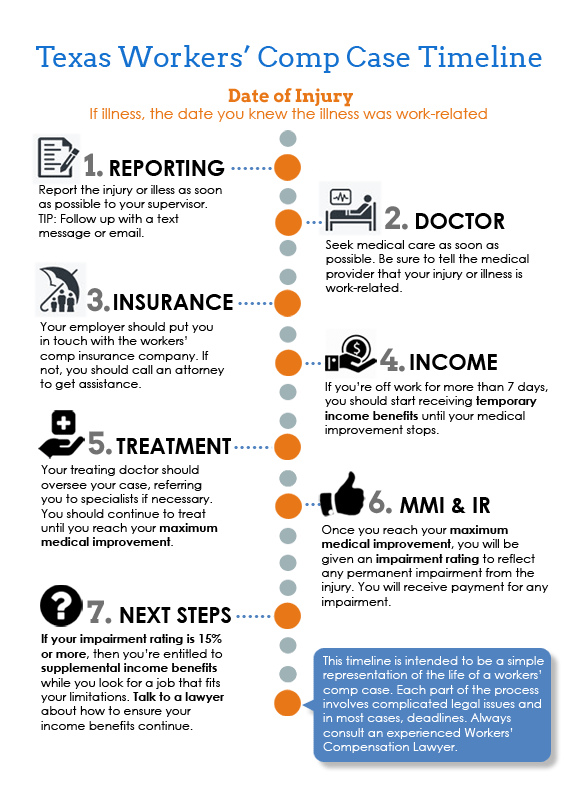
- Immediate Reporting: The first and most crucial step for an injured employee of a subscribing employer is to report the injury to their employer as soon as possible. Texas law has specific timeframes for reporting injuries, and delays can jeopardize a claim.
- Medical Treatment: Seek necessary medical attention immediately. Inform the healthcare provider that the injury is work-related. The insurance carrier will typically designate a treating doctor, but initial emergency care is usually covered.
- Filing the Claim: The employer is responsible for reporting the injury to their insurance carrier and the Texas Department of Insurance, Division of Workers’ Compensation (TDI-WC). The employee may also be able to file a claim directly.
- The Insurance Carrier: Once the claim is accepted, the insurance carrier will manage the medical treatment and begin paying any applicable income benefits. It is essential to maintain open communication with the insurance adjuster.
- Disputes and Appeals: Disagreements can arise regarding medical treatment, benefits, or eligibility. The TDI-WC provides a structured dispute resolution process, including mediation and contested case hearings, to address these issues.
For Non-Subscribers: Preparing for Legal Action
- Document Everything: Meticulously document all aspects of the injury, including the date, time, location, witnesses, medical treatment received, and all communications with the employer.
- Preserve Evidence: Any evidence related to the injury, such as faulty equipment or unsafe conditions, should be preserved.
- Consult an Attorney: It is highly advisable to consult with an attorney experienced in Texas non-subscriber work injury cases. An attorney can assess the strength of the case, explain legal options, and help navigate the complex legal landscape.
- Filing a Lawsuit: If negligence can be established, a lawsuit will be filed in civil court. This process involves discovery, negotiation, and potentially a trial.
Key Considerations for Texas Workers
The elective nature of workers’ compensation in Texas creates a complex environment. Here are some key considerations for all workers in the state:
- Employer Status: It is critical for workers to understand whether their employer is a subscriber or a non-subscriber. This information can often be found in employee handbooks or by asking human resources.
- Timeliness is Crucial: Regardless of the employer’s status, reporting an injury promptly is essential. Delays can have significant consequences.
- Understanding Your Rights: Educate yourself about your rights and the processes involved. This knowledge is empowering when navigating a workplace injury.
- Seek Professional Guidance: For non-subscriber cases, or if you encounter difficulties with a subscriber’s insurance carrier, seeking legal counsel from an attorney specializing in Texas work injuries is often the most prudent step.
The Role of the Texas Department of Insurance, Division of Workers’ Compensation (TDI-WC)
For subscribing employers, the Texas Department of Insurance, Division of Workers’ Compensation (TDI-WC) plays a vital regulatory role. It oversees the workers’ compensation system, sets rules and regulations, and provides a framework for dispute resolution. While the TDI-WC does not handle non-subscriber cases, its authority is central to the operations of subscribing employers and their insurance carriers.
The Future of Texas Workers’ Compensation
The debate over Texas’s elective workers’ compensation system is ongoing. Proponents of the current system argue that it fosters a more competitive business environment by reducing employer costs. However, critics contend that the elective nature leaves many injured workers without adequate recourse, particularly those employed by non-subscribers. Future legislative sessions may bring changes to this unique aspect of Texas labor law.
Navigating workplace injuries in Texas requires diligence and an understanding of the state’s distinctive legal landscape. Whether your employer is a subscriber or a non-subscriber, knowing your options and acting promptly can significantly impact the outcome of your recovery and compensation.
LifeOutOfTheBox is a participant in the Amazon Services LLC Associates Program, an affiliate advertising program designed to provide a means for sites to earn advertising fees by advertising and linking to Amazon.com. Amazon, the Amazon logo, AmazonSupply, and the AmazonSupply logo are trademarks of Amazon.com, Inc. or its affiliates. As an Amazon Associate we earn affiliate commissions from qualifying purchases.