
Planning a trip to Stockton, California involves understanding its climate, a crucial factor that shapes the travel experience, dictating everything from what to pack to the best activities to pursue. Situated in the heart of California’s Central Valley, Stockton is known for its distinct seasons, characterized by hot, dry summers and mild, wet winters. This guide delves into the specifics of Stockton’s temperatures throughout the year, offering insights for every type of traveler.
Understanding Stockton’s Climate Profile
Stockton’s climate is quintessential Mediterranean, marked by a pronounced dry season in the summer and a wet season in the winter. This pattern is largely influenced by its geographic location: nestled between the coastal ranges to the west and the towering Sierra Nevada Mountains to the east. The city’s proximity to the Sacramento-San Joaquin River Delta also plays a role, albeit a moderate one, in tempering some of the extreme heat, especially during mornings.

Geographic Influences on Temperature
The Central Valley’s bowl-like topography means that summer heat tends to become trapped, leading to consistently high temperatures. The Sierra Nevada Mountains create a rain shadow effect, contributing to the region’s dry summers. Conversely, during winter, storms originating from the Pacific Ocean bring much-needed precipitation. The delta breezes, though often subtle by the time they reach Stockton, can offer slight relief on particularly scorching days. Travelers should note that this combination of factors results in significant seasonal temperature swings, making preparation key.
Seasonal Temperature Trends
A broad overview reveals Stockton’s summer temperatures frequently soar into the 90s°F (30s°C) and often surpass 100°F (38°C). Winters, in contrast, are mild, with daytime highs typically ranging from the mid-40s to low 60s°F (7-17°C) and nighttime lows sometimes dipping near freezing, though rarely below. Spring and fall offer the most temperate conditions, with pleasant days and cool evenings, making them popular times for visitors seeking comfortable outdoor experiences.
Summer: Navigating Stockton’s Peak Heat
Summer in Stockton, spanning from June through September, is characterized by intense heat and virtually no rainfall. This is the period when the question “How hot is it in Stockton?” becomes most relevant for travelers.
Average Summer Temperatures and Extremes
During July and August, considered the hottest months, average daytime high temperatures consistently hover around 93-95°F (34-35°C). However, it is not uncommon for temperatures to exceed 100°F (38°C) for several consecutive days, especially in late July and early August. Overnight lows during these months are typically in the mid-60s°F (18-20°C), providing some, but often insufficient, relief from the daytime heat. The humidity is generally low, which can make the heat feel less oppressive than in more humid climates, but still demands respect and caution. Travelers susceptible to heat should schedule visits outside this peak period or prepare meticulously.
Recommended Activities and Gear for Summer Travelers
For those venturing to Stockton during the summer, planning around the heat is essential. Early mornings and late evenings are the best times for outdoor activities. Water-based recreation becomes paramount; exploring the San Joaquin River and its sloughs via boating, kayaking, or paddleboarding offers a refreshing escape. The Stockton Delta is a popular spot for these activities. Indoor attractions, such as the Haggin Museum or the historic Bob Hope Theatre, provide cool havens during the hottest parts of the day.
Packing light-colored, loose-fitting clothing made from breathable fabrics like cotton or linen is highly recommended. A wide-brimmed hat, sunglasses, and high-SPF sunscreen are non-negotiable. Crucially, travelers must prioritize hydration, carrying water bottles and refilling frequently. Seeking shade and avoiding strenuous activities during midday hours (11 AM to 4 PM) are vital strategies for staying safe and comfortable.
Fall and Spring: Ideal Shoulder Seasons
The shoulder seasons of fall (October to November) and spring (March to May) present Stockton in its most inviting light. These periods offer a delightful respite from the summer’s intensity and the winter’s occasional chill, making them prime times for exploration.

Pleasant Temperatures and Outdoor Opportunities
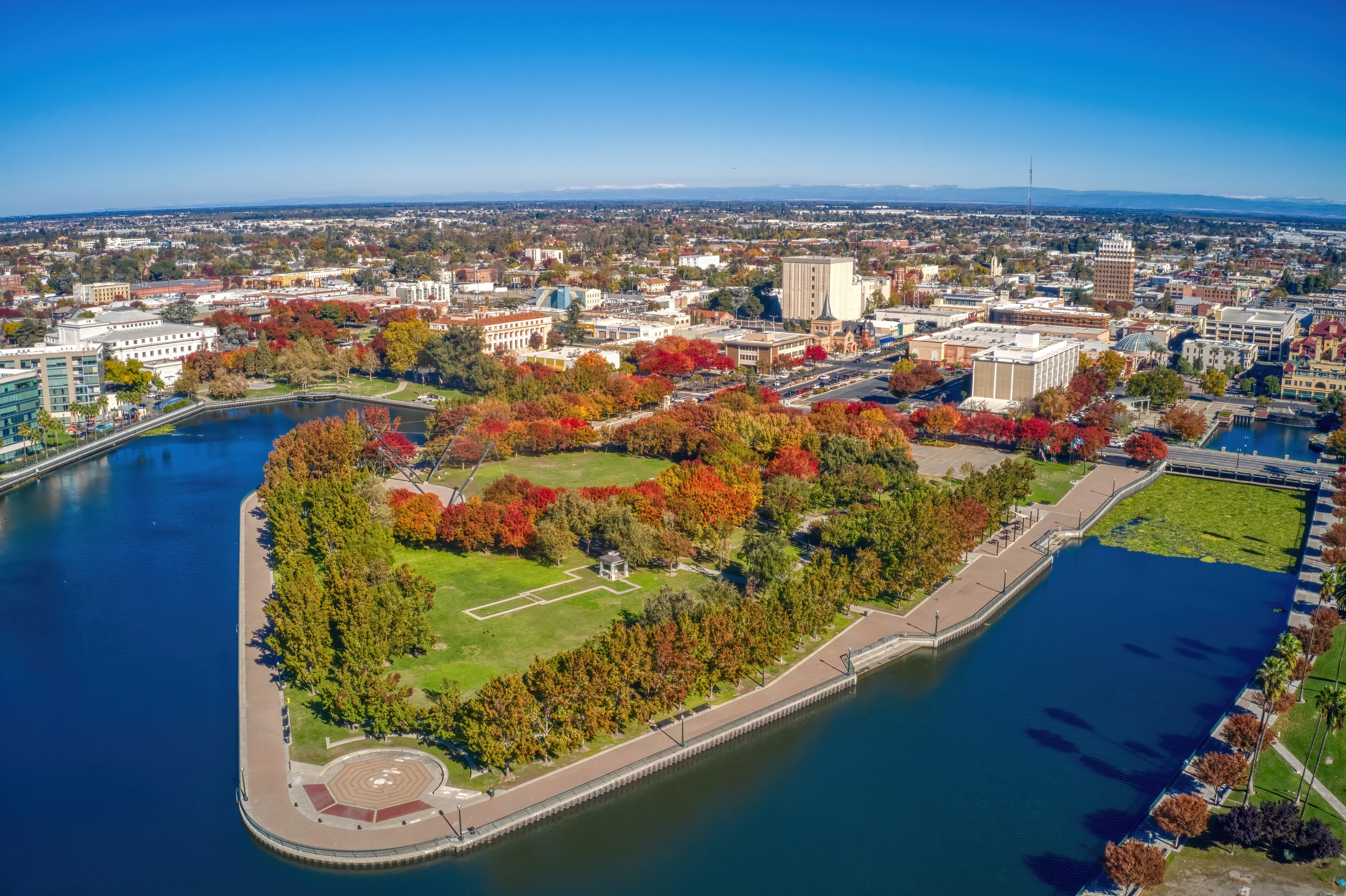
In spring, temperatures gradually climb from the pleasant 60s°F (15-20°C) in March to the comfortable 70s°F (21-26°C) by May, with nights remaining cool. This period sees the landscape greening after winter rains, making it ideal for visiting local parks like Oak Grove Regional Park or enjoying scenic drives through the countryside where wildflowers might be blooming. Fall brings a similar comfort, with October often seeing daytime highs in the high 70s°F (24-26°C), gradually cooling to the 60s°F (15-20°C) by November. The crisp, clear air and vibrant autumn foliage, particularly around the delta waterways, create picturesque settings for walking, cycling, or exploring the region’s agricultural bounty.
Festival Season and Events
These comfortable temperatures align perfectly with Stockton’s vibrant festival calendar. Spring is famously home to the annual Stockton Asparagus Festival, drawing visitors for food, entertainment, and celebration of the region’s agricultural heritage. Fall brings harvest festivals at local farms and vineyards, offering opportunities for wine tasting at establishments like Lodi Wine Country, just a short drive north. The mild weather enhances outdoor events, street fairs, and farmer’s markets, allowing travelers to fully immerse themselves in the local culture without battling extreme temperatures. Layered clothing is advisable for these seasons, as mornings and evenings can be cool even if the afternoons are warm.
Winter: Milder Conditions with Occasional Chill
Winter in Stockton, from December through February, is characterized by mild temperatures and the majority of the year’s rainfall. While not as dramatic as the summer heat, understanding winter conditions is vital for a comfortable visit.
Cooler Averages and Rainfall
Daytime high temperatures during winter typically range from 55-60°F (13-16°C), with overnight lows often dipping into the high 30s°F to low 40s°F (3-7°C). Frost can occur, especially in outlying areas, but prolonged freezing temperatures are rare. This is Stockton’s wet season, with December and January usually being the rainiest months. While rain isn’t continuous, travelers should be prepared for several days of overcast skies and intermittent showers. Snow is an extremely rare occurrence in Stockton itself, primarily confined to the higher elevations of the Sierra Nevada Mountains to the east.
Indoor Attractions and Proximity to Winter Sports
Winter travel to Stockton lends itself well to exploring its indoor attractions. Beyond the previously mentioned Haggin Museum and Bob Hope Theatre, visitors can enjoy the vibrant arts scene, numerous dining establishments, or spend time at the University of the Pacific campus. For those craving winter activities, Stockton’s strategic location makes it an excellent base for day trips to ski resorts like Bear Valley or Kirkwood, both a few hours’ drive into the Sierra Nevada. For such excursions, proper winter gear, including warm layers, waterproof outerwear, and appropriate footwear, is essential. Within Stockton, a warm jacket, sweaters, and an umbrella are generally sufficient for comfortable winter exploration.
Preparing for Your Stockton Trip: Essential Climate Tips
Regardless of the season, a well-prepared traveler is a happy traveler. Understanding Stockton’s climate nuances is the first step towards an enjoyable visit.
Packing Smart for Stockton’s Weather
- Summer: Light, breathable clothing, wide-brimmed hat, sunglasses, high-SPF sunscreen, and a reusable water bottle are non-negotiable. Consider a light scarf for sun protection or entering air-conditioned spaces.
- Spring/Fall: Layers are key. T-shirts and light long-sleeved shirts for daytime, with sweaters or light jackets for cooler mornings and evenings. Comfortable walking shoes are a must.
- Winter: A warm, waterproof jacket, sweaters, long pants, and closed-toe shoes are recommended. An umbrella or rain jacket will be useful for rainy days.
Health and Safety in Varied Conditions
- Hydration: Absolutely critical in summer. Drink water regularly, even if you don’t feel thirsty.
- Sun Protection: Year-round sunshine is common in California. Always wear sunscreen, even on overcast days.
- Heatstroke Prevention: During peak summer heat, recognize the symptoms of heat exhaustion and heatstroke. Seek shade, rest, and medical attention if needed.
- Air Quality: On very hot, still summer days, air quality in the Central Valley can sometimes be a concern due to ozone and particulate matter. Check local air quality forecasts, especially if you have respiratory sensitivities.
- Driving Conditions: Summer heat can affect vehicle performance. Winter rains can make roads slick, and fog can occasionally reduce visibility, particularly in the mornings. Always drive cautiously and be aware of changing conditions.
Stockton offers a diverse range of experiences throughout the year, each shaped by its unique climate. By understanding “how hot it is” — or how mild or cool — and preparing accordingly, travelers can maximize their enjoyment of this Central Valley city.
LifeOutOfTheBox is a participant in the Amazon Services LLC Associates Program, an affiliate advertising program designed to provide a means for sites to earn advertising fees by advertising and linking to Amazon.com. Amazon, the Amazon logo, AmazonSupply, and the AmazonSupply logo are trademarks of Amazon.com, Inc. or its affiliates. As an Amazon Associate we earn affiliate commissions from qualifying purchases.