
When visiting a new destination, understanding the nuances of local culture and current events can significantly enrich the experience. Observing flags at half-mast in a place like Arizona immediately signals a moment of solemn reflection or commemoration, prompting visitors and residents alike to seek answers. This act, deeply rooted in tradition and protocol, is a poignant display of respect, mourning, or honor.
The Profound Symbolism of Flags at Half-Mast
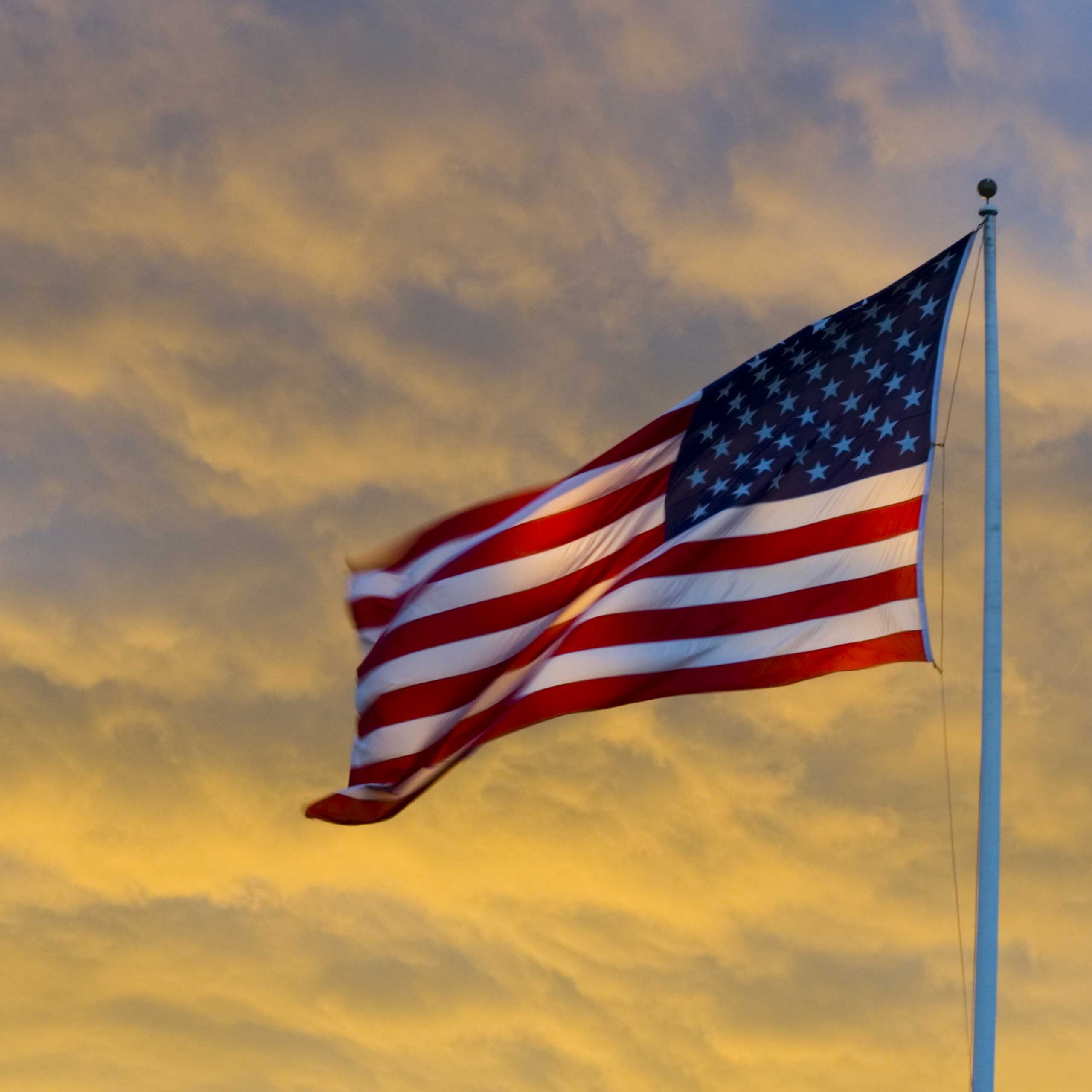
The tradition of flying flags at half-mast (or half-staff on land) is a universal symbol of national, state, or organizational mourning, respect, or distress. It signifies that the nation, or a specific community, is in sorrow. The flag is not merely lowered; it is first hoisted briskly to the peak for an instant, then slowly lowered to the half-mast position. When lowered for the day, it is again raised to the peak before being slowly brought down. This specific protocol underscores the solemnity of the gesture, emphasizing that even in mourning, respect for the flag and what it represents remains paramount.
A Gesture of Collective Grief and Respect
At its core, lowering the flag is a collective gesture of grief. It is typically observed following the death of a prominent national or state figure, a public servant killed in the line of duty, or as a mark of respect for victims of a tragic event. The act unites communities in a shared moment of reflection, allowing for public acknowledgment of loss and gratitude for service. For tourists, witnessing this can provide an immediate, unfiltered glimpse into the emotional pulse of the local community, offering a window into the values and sentiments held dear by its people. It’s a powerful reminder that beyond the scenic beauty and attractions, there’s a living, breathing culture with its own joys and sorrows.
Presidential Proclamations and Gubernatorial Orders
The decision to lower flags to half-mast is not arbitrary; it follows established protocols. On a national level, the President of the United States issues a proclamation, often based on Title 4 of the United States Code, which outlines flag etiquette. This typically occurs for the death of a current or former President, Vice President, Chief Justice, Speaker of the House, or other high-ranking officials. It can also be ordered for national tragedies, such as mass casualty events, to honor the victims.
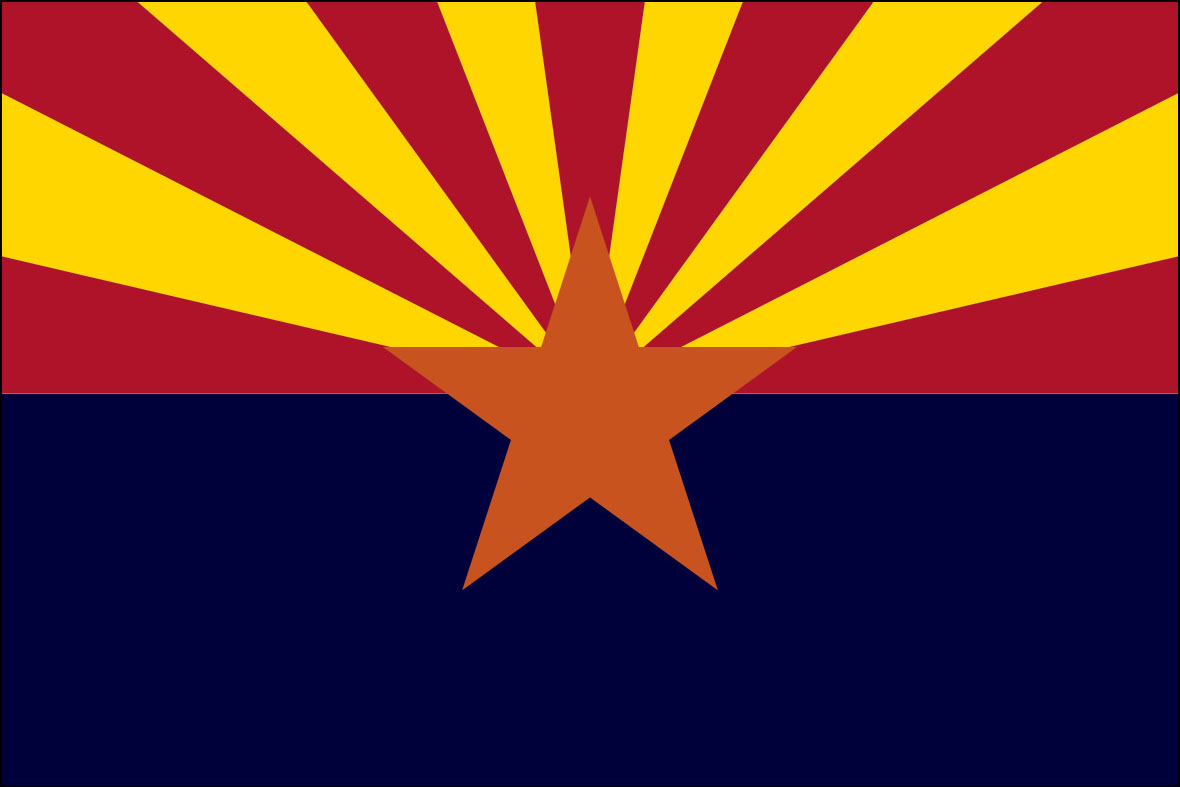
For flags within Arizona, a similar order may come directly from the Governor of Arizona. A gubernatorial proclamation instructs state agencies, local governments, and often encourages businesses and private citizens within the state to lower their flags. These state-level orders are typically issued to honor fallen police officers, firefighters, service members from Arizona, or significant state-specific events or tragedies. Understanding this chain of command helps a visitor grasp the official nature and widespread observance of such an act.
Navigating the Reasons for Current Observances in Arizona
Given the absence of a specific real-time directive, understanding why flags might be at half-mast in Arizona today involves considering the most common scenarios that trigger such an order, either federally or at the state level. These reasons reflect the values and priorities of the community and its government.
Honoring Fallen Heroes or Public Servants
One of the most frequent reasons for flags to be lowered is to honor individuals who have made the ultimate sacrifice in service to their community or country. This includes military personnel from Arizona who have died in active duty, law enforcement officers and firefighters killed in the line of duty, or other public servants. When such a tragedy occurs, the governor often issues a proclamation calling for flags to be lowered for a specified period, typically until the day of interment. This act allows the entire state to express gratitude and mourn collectively, particularly in cities like Phoenix or Tucson where public service is a deeply embedded part of the community fabric.
Commemorating National Tragedies or Significant Events
Another common trigger for a half-mast declaration originates from the federal government. The President might order flags lowered nationwide in response to a national tragedy, such as a large-scale natural disaster, a significant act of violence, or a substantial loss of life that impacts the entire nation. While less frequent, these national observances require all states, including Arizona, to follow suit. Historical examples include observances for events like the attacks on Pearl Harbor or September 11th, which are etched into the national consciousness. For a tourist, these moments can offer a powerful, albeit somber, insight into the collective memory and resilience of the nation.
Statewide Observances and Memorials
Beyond immediate responses to deaths or tragedies, flags may also be lowered for pre-established statewide days of remembrance or memorial periods. While less common on an unscheduled “today” basis, specific dates might be designated for honoring veterans, victims of particular historical events within Arizona, or significant figures whose anniversaries of passing are observed. These observances contribute to the state’s unique cultural tapestry, providing moments for collective reflection on Arizona’s history and its heroes. Such events are often accompanied by local ceremonies and educational programs, enriching the cultural experience for both residents and visitors.
What This Means for Visitors to Arizona
For those exploring Arizona’s diverse landscapes and vibrant cities, encountering flags at half-mast can be a striking visual. Understanding its context allows for a deeper appreciation of the local culture and encourages respectful engagement with the community during a period of solemnity.
Respecting Local Customs and Sentiments
When flags are lowered, it is a clear indication that the community is in a period of mourning or solemn remembrance. As a visitor, observing this cue is important. It’s a time to be particularly mindful of local sentiments. While specific behaviors aren’t usually mandated, a general demeanor of respect is appreciated. This might involve being more subdued in public spaces, avoiding overly boisterous activities near government buildings, or simply acknowledging the seriousness of the occasion. Engaging with locals about the reason for the observance, if appropriate and respectfully done, can also provide a deeper understanding of their community and values. It’s an opportunity to connect with the authentic spirit of Arizona beyond its tourist attractions.
Observing Public Spaces and Local Reactions
Flags at half-mast are prominently displayed at government buildings, schools, and many businesses across Arizona, from the State Capitol in Phoenix to smaller municipal offices in towns like Flagstaff. Observing how locals react to and engage with these symbols can be insightful. You might notice moments of silence, small gatherings, or even community events specifically organized in response to the reason for the half-mast declaration. These public displays are part of the state’s cultural expression and offer a unique perspective on the unity and resilience of its people.
Where to Find Official Information
If you are visiting Arizona and notice flags at half-mast, and wish to understand the specific reason, official sources are the best place to find information. The website for the Governor of Arizona is usually the primary source for state-level proclamations. News outlets in major cities like Phoenix and Tucson will also widely report on such directives, providing context and details. These resources ensure that both residents and visitors can be informed and participate respectfully in collective acts of remembrance or honor.
Arizona’s Rich History of Remembrance
The lowering of flags to half-mast is not merely a modern practice but is steeped in historical significance, reflecting centuries of tradition. For Arizona, a state with a vibrant history and strong community ties, these observances are particularly meaningful, highlighting the deep respect held for those who have contributed to its fabric.
Notable Past Observances
Throughout its history, Arizona has joined the nation in mourning for figures such as President John F. Kennedy and has lowered flags for countless state heroes. These moments serve not only as tributes but also as educational opportunities, reminding current and future generations of the sacrifices made and the principles upheld. Each lowering of the flag adds another layer to the state’s collective memory, reinforcing a shared identity and fostering a sense of community among its diverse population.

The Role of Community in Mourning
Beyond official decrees, the act of lowering flags resonates deeply within Arizona’s communities. It is often accompanied by grassroots efforts, local memorials, and community gatherings that transcend formal protocols. From small towns to large metropolitan areas, residents come together to express solidarity, support grieving families, and remember those lost. This communal aspect of mourning is a vital part of Arizona’s local culture, showcasing its compassionate spirit and the strong bonds that tie its people together. For a tourist, witnessing or respectfully participating in such a communal moment can be a profoundly moving and authentic cultural experience, offering a perspective far richer than any guidebook.
LifeOutOfTheBox is a participant in the Amazon Services LLC Associates Program, an affiliate advertising program designed to provide a means for sites to earn advertising fees by advertising and linking to Amazon.com. Amazon, the Amazon logo, AmazonSupply, and the AmazonSupply logo are trademarks of Amazon.com, Inc. or its affiliates. As an Amazon Associate we earn affiliate commissions from qualifying purchases.