
The notion of traversing the entire width of the United States, from the sun-drenched beaches of California on the Pacific Ocean to the vibrant shores of Florida bordering the Atlantic Ocean, evokes a sense of epic adventure and immense distance. This journey, a quintessential American experience, represents not just a physical movement across land but also a passage through incredibly diverse landscapes, climates, and cultural tapestries. Understanding the true scope of this distance—and the practicalities of overcoming it—is the first step in planning such an unforgettable voyage. Whether contemplating a swift flight or an extensive road trip, the logistical considerations are paramount for a smooth and rewarding travel experience.

The Transcontinental Span: Understanding the Distance
The vastness of the North America continent is perhaps best appreciated by charting a course from one coast to the other. The distance between California and Florida is substantial, making it one of the longest domestic journeys one can undertake within the United States. This section delves into the geographical realities and practical measurements of this extensive stretch.
Geographical Overview
California, a state renowned for its sprawling metropolises like Los Angeles and San Francisco, majestic national parks, and diverse coastline, forms the westernmost edge of the continental United States. On the opposite end, Florida, famous for its theme parks in Orlando and the tropical allure of Miami and Key West, anchors the southeastern tip. Between these two iconic states lie thousands of miles of varied terrain, including deserts, mountains, plains, and wetlands, traversing numerous other states such as Arizona, New Mexico, Texas, Louisiana, Mississippi, and Alabama. This sheer geographical spread underscores the magnitude of cross-country travel.
Measuring the Miles: Straight-Line vs. Road Distance
When determining the distance between two points, it’s crucial to distinguish between “as the crow flies” (straight-line or aerial distance) and actual road distance.
The straight-line distance between central points in California (e.g., Los Angeles) and Florida (e.g., Orlando or Miami) is approximately 2,200 to 2,500 miles (3,540 to 4,020 kilometers). This is the shortest theoretical distance, relevant primarily for air travel.
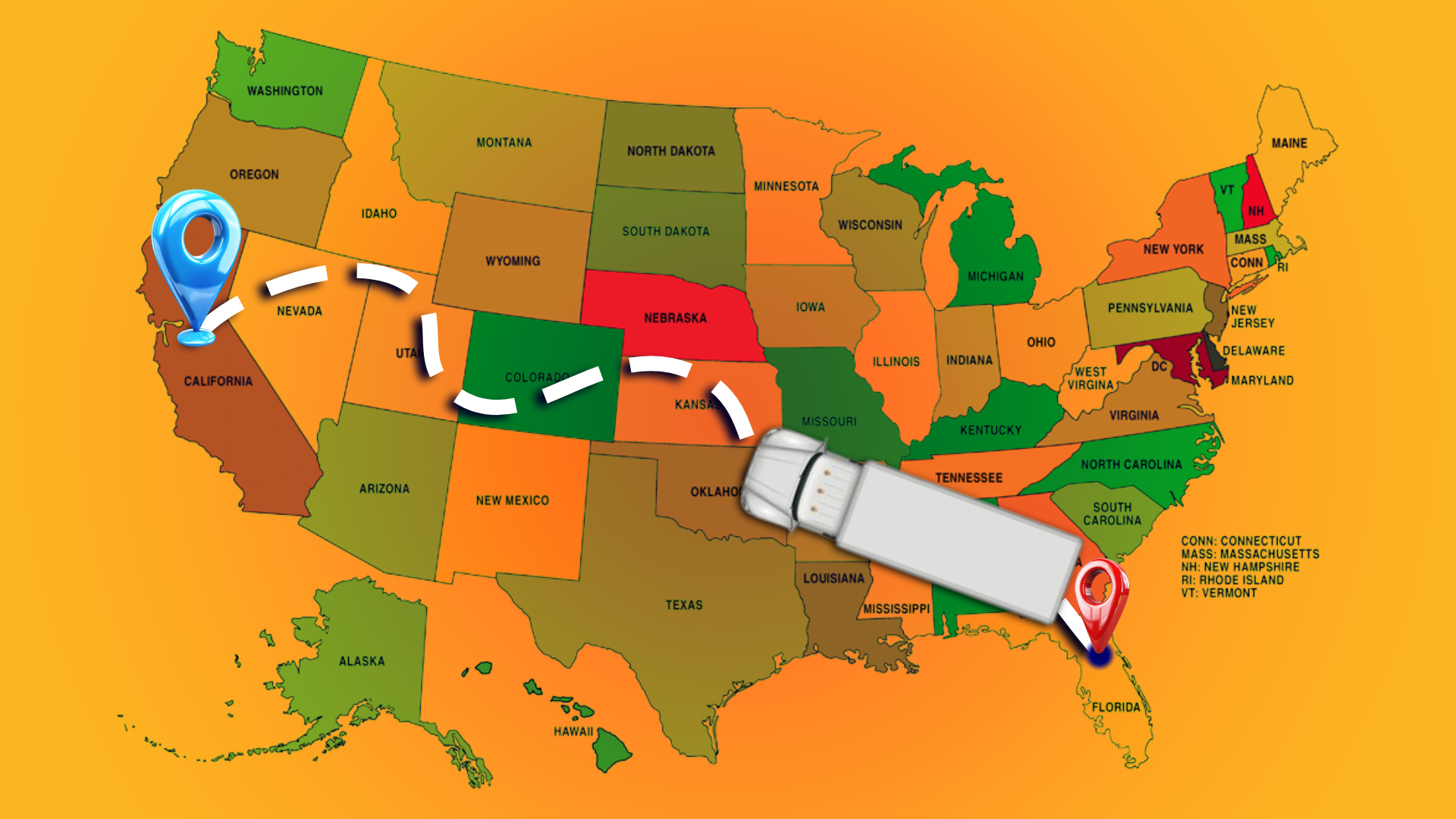
For road travel, the distance is significantly longer due to the necessity of following existing highway networks, navigating around geographical features, and passing through various cities. A typical driving route from a major California city like Los Angeles to a Florida hub such as Miami or Orlando usually spans between 2,600 and 3,000 miles (4,180 to 4,830 kilometers). This variation depends on the specific starting and ending points within each state and the chosen route, which can be influenced by scenery preferences, desired stopovers, or the need to avoid certain traffic areas. Using tools like Google Maps for precise routing reveals routes that often utilize major interstates such as I-10, which runs coast-to-coast across the southern United States.
Navigating the Distance: Modes of Travel
The choice of transportation method profoundly impacts the duration, cost, and overall experience of traveling between California and Florida. Each mode offers unique advantages and challenges, catering to different preferences and priorities.
By Air: The Fastest Route
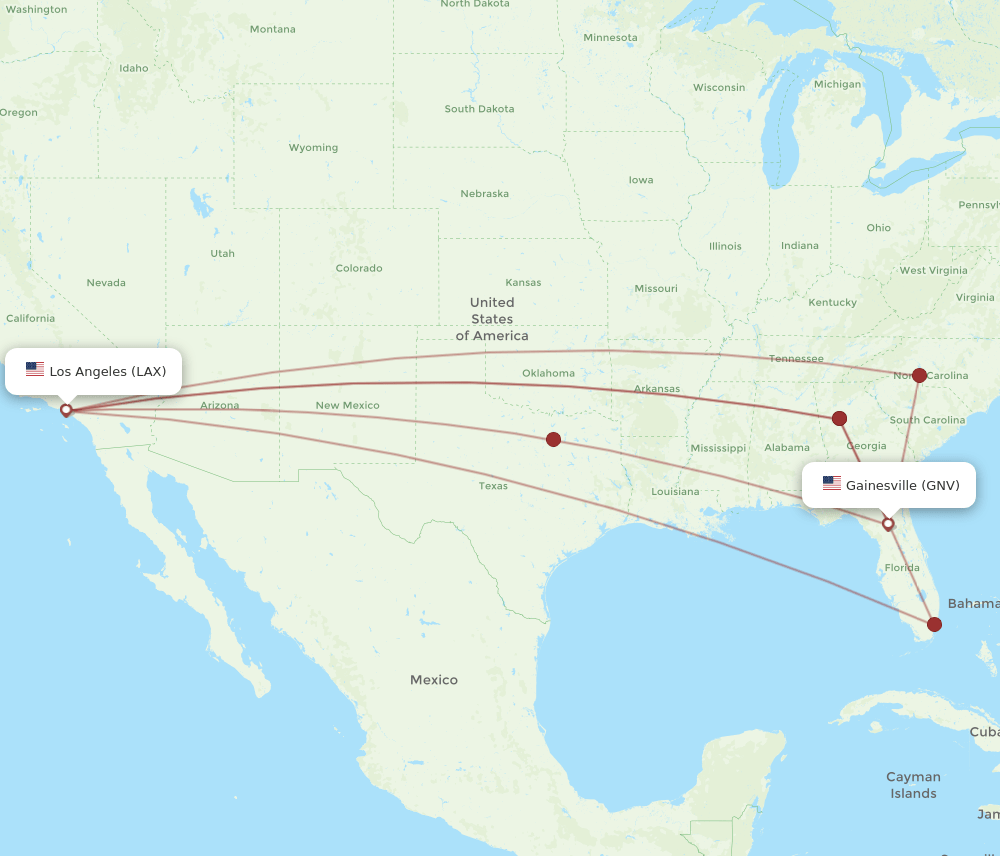
Flying is by far the quickest and most efficient way to cover the immense distance between the two states. Direct flights are readily available from major airports in California (Los Angeles International Airport, San Francisco International Airport) to Florida (Miami International Airport, Orlando International Airport).
- Duration: A non-stop flight typically takes 4.5 to 6 hours. Including check-in, security, boarding, and deplaning, the total travel time from door-to-door can range from 8 to 10 hours.
- Cost: Airfares fluctuate significantly based on booking time, airline (e.g., Southwest Airlines, American Airlines, Delta Air Lines, United Airlines), time of year, and demand. Prices can range from $150 to $500+ for a one-way economy ticket.
- Convenience: Flying offers unparalleled speed, making it ideal for business travelers or those with limited time. However, it sacrifices the opportunity to experience the diverse landscapes and attractions along the way.
- Considerations: Baggage fees, airport transfers, and potential layovers can add to the cost and complexity.
By Road: An Epic American Road Trip
Undertaking a drive from California to Florida is the quintessential American road trip, offering freedom, flexibility, and the chance to witness the vastness and beauty of the United States firsthand.
- Duration: Covering 2,600 to 3,000 miles typically requires 4 to 6 days of dedicated driving, assuming an average of 8-10 hours of driving per day. This doesn’t include significant sightseeing stops. For a more relaxed trip with ample time for exploration, allocate 7 to 10 days, or even more.
- Cost: Driving costs include fuel, accommodations, food, and potential vehicle maintenance. Fuel costs can be substantial, especially for less fuel-efficient vehicles. Accommodations can range from budget motels to more upscale hotels, while food expenses can be managed by packing snacks or opting for local eateries.
- Experience: A road trip allows for spontaneous detours to national parks like the Grand Canyon, historic cities like New Orleans, or unique roadside attractions. It’s an immersive way to experience regional cultures and landscapes.
- Popular Routes:
- Southern Route (I-10 Corridor): This is the most direct and common route, largely following I-10 across Arizona, New Mexico, Texas, Louisiana, Mississippi, and Alabama before entering Florida. It offers warm weather and generally flat terrain. Key stopovers might include Phoenix or Tucson in Arizona, San Antonio or Houston in Texas, and the captivating New Orleans French Quarter in Louisiana.
- Central Routes (I-40 to I-20 / I-30): An alternative involves heading north to I-40 through Arizona and New Mexico, then dropping south via I-20 or I-30 into the Gulf of Mexico states. This might add miles but offers different scenery.
- Considerations: Vehicle preparation, navigation tools, emergency supplies, and planning for rest stops and overnight stays are crucial. Sharing driving duties can enhance safety and enjoyment.
By Rail: A Scenic but Lengthy Journey
While not as common for a direct coast-to-coast journey, train travel offers a unique, leisurely, and often scenic alternative for those with ample time and a desire for relaxation. Amtrak provides cross-country routes, though none are direct from California to Florida without multiple transfers.
- Duration: A journey by train from California to Florida would typically involve at least two or three transfers and could take 3 to 5 days, or even longer, depending on layover times and specific routes (e.g., Sunset Limited connects Los Angeles to New Orleans, from which connections to Florida can be made).
- Cost: Train tickets can be comparable to or even more expensive than flights, especially if opting for sleeper cars or private accommodations. Basic coach seats are generally more affordable but less comfortable for such a long journey.
- Experience: Train travel allows passengers to relax, enjoy the passing scenery, read, and avoid the stresses of driving or airport security. It’s a journey focused on the experience of travel itself.
- Considerations: The lengthy duration and the need for multiple transfers can be a deterrent for some. However, for those seeking a tranquil and unhurried experience, it can be an exceptional way to see the country.
Planning Your Cross-Country Adventure
Embarking on a journey from California to Florida, regardless of the chosen mode, requires careful planning to ensure a memorable and hassle-free experience.
Time and Budget Considerations
- Time: Clearly define how much time you have available. A quick trip necessitates flying, while a more immersive experience demands several days or even weeks for driving or train travel. Factor in potential delays, rest days, and sightseeing stops.
- Budget: Outline your financial parameters.
- Flights: Can be cheaper for solo travelers but add up with baggage and transfers.
- Driving: Involves fuel, lodging, food, and potential car rental/maintenance. Often more economical for groups.
- Train: Can be mid-range to expensive depending on class and number of transfers.
Consider hidden costs like travel insurance, souvenirs, and unplanned excursions.
Essential Packing and Preparation
- Documentation: Always carry a valid ID, driver’s license (if driving), and any necessary travel documents.
- Clothing: Pack for diverse climates. California and Florida are generally warm, but intervening states can have varying temperatures, especially during shoulder seasons. Layering is key.
- Essentials: Sunscreen, hats, sunglasses are crucial for both sunny coasts. Comfortable walking shoes are a must for exploring. First-aid kit, medications, and toiletries should be on your checklist.
- Technology: Chargers, power banks, and reliable navigation (GPS, offline maps) are indispensable. For road trips, entertainment like podcasts or audiobooks can be a lifesaver.
- Vehicle Check (for drivers): Ensure your vehicle is in top condition: check tires, oil, fluids, brakes, and lights. Carry an emergency kit with jumper cables, a flashlight, and basic tools.
Popular Routes and Stopovers
A cross-country trip offers countless opportunities for enriching stopovers.
- Western States: Explore national parks such as Joshua Tree National Park (in CA), Saguaro National Park (near Tucson, Arizona), or the iconic Grand Canyon (though a slight detour north from I-10). Cities like Phoenix offer urban attractions.
- Texas’s Heart: San Antonio boasts the Alamo and its famous Riverwalk. Houston is home to the Space Center.
- Deep South Charm: The unparalleled culture and cuisine of New Orleans in Louisiana are a must-experience. Consider a stop along the Beaches of Alabama or explore historic sites in Mississippi.
- Florida Entry: Depending on your final destination, you might pass through the historic city of St. Augustine, the space-age wonder of Kennedy Space Center, or the world-renowned theme parks of Walt Disney World and Universal Studios Florida in Orlando.
What to Expect: Experiences Along the Way
The journey from California to Florida is more than just covering miles; it’s an opportunity for profound experiences, cultural immersion, and personal growth.
Diverse Landscapes and Cultures
Traveling across the United States reveals an astonishing array of natural beauty and human ingenuity. You’ll transition from the arid deserts and rugged mountains of the Southwest to the rolling plains of Texas, then to the lush, humid environments of the Deep South and finally the subtropical paradise of Florida. Each state and region possesses its own distinct culinary traditions, musical heritage, architectural styles, and local customs. From the laid-back vibe of California beaches near Disneyland Park or the majestic view from the Golden Gate Bridge, through the vibrant Tejano culture of Texas, to the jazz-filled streets of New Orleans and the unique ecosystem of Everglades National Park in Florida, the journey itself becomes a rich tapestry of American life.
Overcoming Travel Challenges
While incredibly rewarding, such an extensive journey is not without its challenges. For road trippers, fatigue, varying road conditions, and the need for constant navigation can be demanding. Adverse weather, particularly severe thunderstorms in the South or unexpected snow in higher elevations during certain seasons, can cause delays. For flyers, airport delays, cancellations, and the general stress of air travel can test patience. Regardless of the mode, unexpected expenses, health issues, or vehicle breakdowns are possibilities. Preparedness, flexibility, and a positive attitude are key to navigating these obstacles and ensuring they don’t overshadow the adventure. Embrace the unexpected, learn from the journey, and allow the vast distances to transform from a numerical measure into a profound experience.
In conclusion, the distance between California and Florida is significant, representing a true transcontinental crossing of approximately 2,200 to 3,000 miles. While flying offers speed, an epic road trip or a leisurely train journey provides an unparalleled opportunity to explore the diverse heart of the United States. Whichever method you choose, meticulous planning and an adventurous spirit will ensure that the vast expanse between these two iconic states becomes a journey of discovery.
LifeOutOfTheBox is a participant in the Amazon Services LLC Associates Program, an affiliate advertising program designed to provide a means for sites to earn advertising fees by advertising and linking to Amazon.com. Amazon, the Amazon logo, AmazonSupply, and the AmazonSupply logo are trademarks of Amazon.com, Inc. or its affiliates. As an Amazon Associate we earn affiliate commissions from qualifying purchases.