
Embarking on a road trip from the sun-drenched saguaro forests of Tucson to the neon-lit spectacle of Las Vegas is a classic American Southwest adventure. Spanning roughly 450 miles, this journey takes travelers through the heart of the Sonoran Desert, across the rugged landscapes of the Colorado River basin, and into the vibrant expanse of Nevada. Whether you are a local looking for a weekend escape or a visitor mapping out a cross-country trek, understanding the nuances of this route is essential for a seamless travel experience.
Navigating the Route: Distance and Driving Time
The distance between Tucson and Las Vegas typically averages between 440 and 460 miles, depending on your specific starting point and the chosen path. Under normal traffic conditions, most drivers can expect a journey time of approximately 6.5 to 7.5 hours. However, this is a route where the “journey is the destination,” and factoring in time for scenic stops and fuel breaks is highly recommended.

The Primary Path via Phoenix
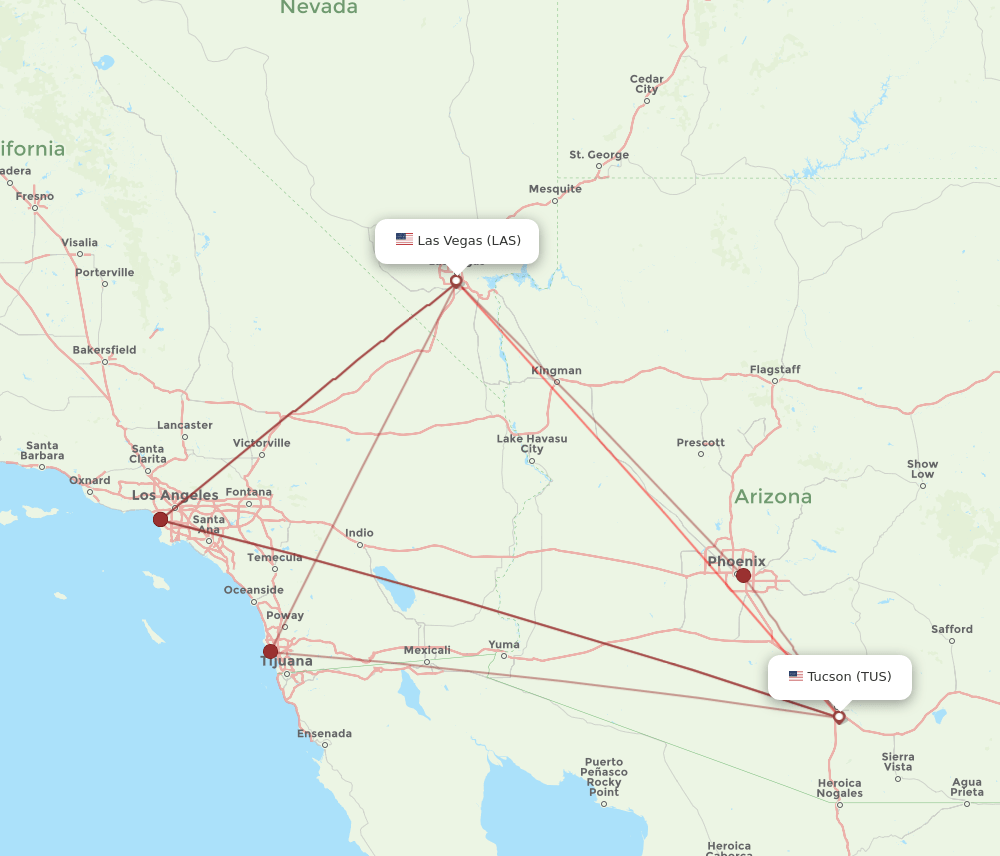
The most common route involves taking Interstate 10 North toward Phoenix, transitioning to U.S. Route 93 via Wickenburg. This corridor provides a consistent, well-maintained highway experience. While Phoenix acts as a natural midpoint, it is also a major metropolitan hub; traveling during rush hour can add significant time to your trip, so planning your departure to bypass heavy city traffic is a smart tactical move.
Considering the Traffic Dynamics
While the desert stretches appear empty, congestion can spike during holiday weekends or major events in Las Vegas. Furthermore, the stretch through Kingman acts as a convergence point for travelers coming from California and the rest of Arizona. Maintaining a steady pace and staying updated with real-time navigation apps will help you navigate the flow of traffic efficiently.
Strategic Stops and Scenic Detours
Because this drive covers a significant portion of the American Southwest, it serves as a gateway to several natural and historical wonders. Turning a seven-hour drive into a two-day excursion allows you to experience the diverse topography that shifts from high-desert shrubbery to the dramatic canyons near the Hoover Dam.
Exploring the Sonoran and Mojave Deserts
Leaving Tucson, you are immediately immersed in the Sonoran Desert. As you move north, the ecosystem slowly transitions into the Mojave Desert. The change in flora—specifically the disappearance of the iconic Saguaro cactus in favor of the twisted, otherworldly Joshua Trees—is a visual indicator of your progress. A brief stop at the Lake Mead National Recreation Area provides a refreshing break from the arid heat and offers some of the best photo opportunities along the entire route.
Engineering Marvels and Historical Landmarks
As you approach the Nevada state line, the Hoover Dam stands as an unavoidable and necessary highlight. This monumental feat of engineering not only holds back the massive reservoir of Lake Mead but also serves as the border between Arizona and Nevada. Walking across the Mike O’Callaghan–Pat Tillman Memorial Bridge offers a breathtaking, bird’s-eye view of the dam that truly emphasizes the scale of human ambition in the desert.
Essential Preparation for Desert Travel
Driving through the desert is not merely about distance; it is about respecting the environment. The American Southwest is famous for its extreme temperatures, which can fluctuate wildly between day and night. Ensuring your vehicle is prepared for the conditions is just as important as mapping your route.
Vehicle Readiness and Maintenance
Before departing Tucson, check your tire pressure, cooling system, and fluid levels. The incline toward the high desert and the sustained speeds on Interstate 10 can put extra strain on engines. Always carry an emergency kit, including extra water, non-perishable snacks, and a portable charger. In the heat of mid-summer, temperatures can reach triple digits, making a reliable air conditioning system and plenty of hydration crucial for the safety and comfort of all passengers.
Timing Your Departure
If you are planning your trip during the summer months, consider an early morning departure. Leaving Tucson at dawn allows you to cover the majority of the Arizona terrain before the sun reaches its peak intensity. Arriving in Las Vegas in the late afternoon gives you ample time to check into your resort and enjoy the transition from the desert horizon to the glittering lights of the Las Vegas Strip.
Arriving in the Entertainment Capital
Once you cross into Nevada, the landscape changes dramatically, but the anticipation builds as the silhouette of the Las Vegas skyline emerges from the horizon. This arrival is a stark contrast to the quiet, open roads of the high desert. Whether you are traveling for the world-class dining, the legendary shows, or the sheer architectural wonder of the hotels, the drive from Tucson acts as the perfect prologue to the experience.

Final Thoughts on the Journey
The distance between Tucson and Las Vegas is manageable, yet it offers enough variety to satisfy any road-trip enthusiast. By planning your route around major cities, respecting the desert climate, and taking the time to appreciate the landmarks along U.S. Route 93, you transform a simple commute into an essential part of your vacation. Whether you choose to power through the miles or linger at the many sights along the way, this path connects two of the most iconic cities in the United States with a backdrop that is as storied as the destinations themselves.
As you finalize your plans, remember that Las Vegas is constantly evolving. From the latest luxury openings to the timeless appeal of the desert landscape, the connection between these two cities remains a vital artery for travelers seeking the spirit of the Southwest. Enjoy the wide-open roads, keep your eyes on the horizon, and prepare for the unique blend of adventure and relaxation that awaits at the end of your journey.
LifeOutOfTheBox is a participant in the Amazon Services LLC Associates Program, an affiliate advertising program designed to provide a means for sites to earn advertising fees by advertising and linking to Amazon.com. Amazon, the Amazon logo, AmazonSupply, and the AmazonSupply logo are trademarks of Amazon.com, Inc. or its affiliates. As an Amazon Associate we earn affiliate commissions from qualifying purchases.