
The allure of the Rocky Mountains draws millions of visitors each year, and a significant portion of these travelers find themselves planning a journey between two of Colorado’s most iconic locations: Denver and Vail. Whether you’re arriving at Denver International Airport with skis in tow or departing from the vibrant city after a cultural immersion, understanding the distance and the best ways to traverse it is crucial for a seamless travel experience. This guide delves into the specifics of the journey, offering insights into travel times, modes of transportation, and what to expect along the scenic route.
The Core Distance and Travel Time
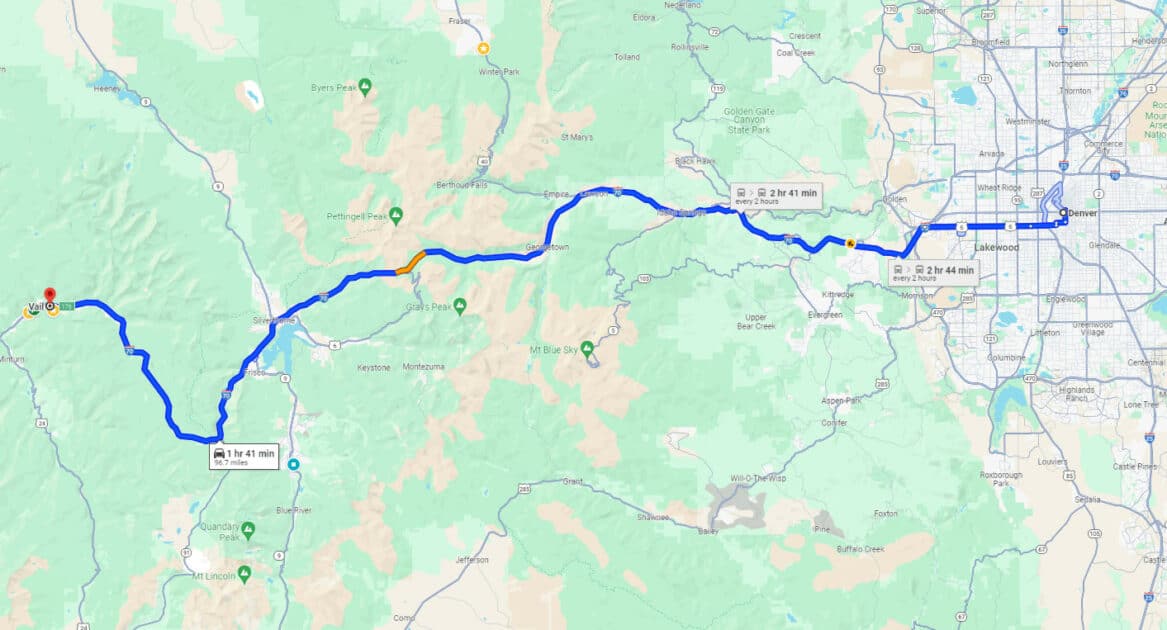
The fundamental question of “how far is [Denver] from [Vail], Colorado?” is best answered by looking at the primary driving distance. The most common route, largely following Interstate 70 West, spans approximately 120 miles. This figure, however, is just the starting point. The actual travel time can fluctuate significantly based on several variables, making it essential to plan accordingly.
Driving Distance and Estimated Time
The direct driving distance from [Denver] to [Vail] is roughly 120 miles. Under ideal conditions, with minimal traffic and no significant weather delays, the drive can take anywhere from 2 to 2.5 hours. However, these ideal conditions are not always the norm, especially during peak travel seasons.
- Peak Ski Season (Winter): During the winter months, particularly from December through March, the route becomes considerably busier. Weekend traffic, especially on Fridays heading west and Sundays heading east, can add an hour or more to the travel time. Snowfall and icy road conditions can also necessitate slower speeds and may lead to temporary road closures or delays on I-70.
- Summer and Fall: While typically less congested than winter weekends, summer and early fall can still experience increased traffic due to recreational activities, festivals, and general tourism. Road construction projects, which are more common during warmer months, can also impact travel times.
- Time of Day: Traveling during traditional rush hour times in the [Denver] metropolitan area (typically 7-9 AM and 4-6 PM on weekdays) can add significant delays before you even reach the open highway. Similarly, entering the [Denver] area during these times on your return journey can be slow.
Factors Influencing Travel Time
Beyond seasonal and daily traffic patterns, several other factors can influence how long it takes to travel from [Denver] to [Vail]:
- Weather Conditions: As mentioned, winter weather is a major player. Heavy snow, ice, and reduced visibility can dramatically slow down traffic. Avalanche control operations on I-70 in mountainous sections can also cause significant delays or temporary closures. Always check Colorado Department of Transportation (CDOT) advisories before you depart.
- Road Construction: Throughout the warmer months, Colorado undertakes extensive road maintenance and construction projects. These can lead to lane closures, detours, and prolonged travel times, especially on major arteries like I-70.
- Vehicle Type: While less impactful on pure distance, the type of vehicle can influence comfort and safety, particularly in winter. Four-wheel drive or all-wheel drive vehicles are highly recommended for winter travel in the mountains.
- Stops: The estimated travel times usually don’t account for stops for gas, food, or scenic overlooks. Planning for these can help manage expectations.
Transportation Options: Navigating the Route
Choosing the right mode of transportation can significantly enhance your journey from [Denver] to [Vail]. Each option offers a different experience, from the freedom of a personal vehicle to the convenience of a shuttle service.
Driving Your Own Vehicle
Driving yourself offers the ultimate flexibility. You can depart on your own schedule, stop where and when you please, and explore off-the-beaten-path locations.
- Pros: Maximum flexibility, ability to carry ample luggage (skis, boards, etc.), opportunity for spontaneous exploration.
- Cons: Requires navigation, potential for traffic delays, parking challenges in [Vail] during peak season, the need to be comfortable driving in mountain conditions (especially winter), rental car costs and potential one-way fees.
- Key Considerations: Ensure your vehicle is in good condition, especially tires. For winter travel, carry an emergency kit with essentials like blankets, water, snacks, a first-aid kit, and jumper cables. Familiarize yourself with chain laws if applicable.
Shuttle Services
Numerous shuttle companies operate daily services between Denver International Airport, [Denver] and [Vail]. These services are a popular choice for many, offering a convenient and often more relaxed way to reach your mountain destination.
- Pros: No need to drive or navigate, professional drivers familiar with mountain roads, often more economical than renting a car for solo travelers or couples, can relax and enjoy the scenery, some offer door-to-door service within [Vail].
- Cons: Fixed schedules, less flexibility for stops, can be more expensive for larger groups who could otherwise share a rental car cost.
- Popular Providers: Companies like Epic Mountain Express (formerly Colorado Mountain Express), Peak 1 Express, and others offer various service levels, from shared rides to private charters. Booking in advance is highly recommended, especially during peak periods.
Ride-Sharing and Taxis
While ride-sharing services like Uber and Lyft are readily available in [Denver], they are generally not a practical or cost-effective option for the entire journey to [Vail].
- Pros: Convenient for short trips within [Denver] or from the airport to a city hotel.
- Cons: Extremely expensive for the full 120-mile trip, availability can be limited for such a long-distance journey, drivers may not be comfortable or insured for mountain travel. Taxis would be even more prohibitively expensive.

Bus Services
Public transportation options for this specific route are limited. While [Denver] has an extensive public transit system, intercity bus services directly to [Vail] are not as common as shuttle or private car options. Some regional bus lines might exist, but they typically involve multiple transfers and significantly longer travel times, making them less appealing for most visitors focused on convenience and speed.
The Scenic Route: What to Expect Along I-70 West
The drive from [Denver] to [Vail] is not merely a commute; it’s an experience in itself, offering a breathtaking introduction to the grandeur of the Rocky Mountains. As you leave the urban sprawl of [Denver] behind, the landscape transforms dramatically.
Transitioning from Plains to Peaks
The initial miles of the journey take you through the high plains east of [Denver]. Soon, however, the highway begins its ascent, winding its way into the foothills and then climbing into the heart of the Front Range. The elevation gain is steady, offering increasingly spectacular vistas.
Notable Stops and Sights
While the most direct route prioritizes speed, there are several points of interest and potential stops along the way that can enrich the journey.
- Eisenhower Tunnel: This is a critical landmark, being one of the highest vehicular tunnels in the world, passing under the Continental Divide. The elevation here reaches over 11,000 feet. The views on either side of the tunnel are dramatic.
- Georgetown: A historic mining town nestled in the mountains, Georgetown offers a charming detour for those with a bit of extra time. Its Victorian architecture and the scenic Georgetown Loop Railroad are popular attractions.
- Silverthorne and Dillon: These towns, located near the Dillon Reservoir, offer amenities and stunning mountain scenery. The Outlets at Silverthorne can be a convenient stop for shopping.
- Vail Pass: The descent into the Eagle Valley from Vail Pass offers some of the most iconic and sweeping views of the surrounding peaks. In winter, this stretch can be particularly challenging but incredibly beautiful.
Understanding Colorado’s Mountain Driving
Driving in the Colorado mountains, especially on I-70, requires a different approach than driving on flat terrain.
- Elevation: Be mindful of the significant changes in altitude. The thinner air can affect vehicle performance, though modern cars are generally well-equipped. For passengers, it’s advisable to stay hydrated and be aware of potential altitude sickness symptoms.
- Grades: The highway features steep uphill and downhill grades. Use lower gears when descending to control speed and reduce wear on your brakes.
- Weather: As repeatedly emphasized, weather is a critical factor. Always drive defensively, maintain a safe following distance, and be prepared for sudden changes in road conditions.
- Rest Areas: Utilize designated rest areas to take breaks, stretch your legs, and check on your vehicle. These are strategically located to offer safe stopping points.
Preparing for Your Journey to Vail
A little preparation goes a long way in ensuring a smooth and enjoyable trip from [Denver] to [Vail]. Whether you’re an experienced mountain traveler or a first-time visitor, these tips will help.
Pre-Trip Checks and Packing
- Vehicle Maintenance: If driving, ensure your car is in top condition. Check tires, brakes, fluids, and wipers.
- Weather Forecast: Monitor the weather forecast for [Denver], the mountain passes, and [Vail] in the days leading up to and during your travel.
- Road Conditions: CDOT’s website and mobile app are invaluable resources for real-time road condition reports, closures, and traffic cameras.
- Packing Essentials:
- Winter: Warm clothing layers, waterproof outerwear, hats, gloves, sturdy waterproof boots, sunscreen, lip balm, sunglasses, car emergency kit (blankets, snacks, water, flashlight, first-aid kit, jumper cables, shovel, ice scraper).
- Summer/Fall: Layers are still advisable as mountain weather can change quickly. Sun protection is crucial at higher altitudes.
Booking and Logistics
- Advance Reservations: For shuttle services, rental cars, and even some popular restaurants in [Vail], booking well in advance is crucial, especially during peak ski season or holidays.
- Accommodation: If staying in [Vail], secure your accommodation early. Options range from luxury hotels and lodges to vacation rentals and condos.
- Airport Transfers: If flying into Denver International Airport, coordinate your arrival with your chosen transportation to [Vail]. Many shuttle services pick up directly from the airport.

On-the-Road Preparedness
- Stay Informed: Keep a radio tuned to local stations or use your mobile device to check for traffic and weather updates.
- Fuel: Ensure you have enough fuel. While there are services along I-70, it’s wise to fill up when opportunities arise, especially in winter when services might be further apart due to weather-related closures.
- Patience: Mountain travel, by its nature, can be unpredictable. Embrace the journey, enjoy the scenery, and factor in extra time. The reward of arriving in the stunning mountain town of [Vail] is well worth the effort.
By understanding the distance, considering the various transportation options, and preparing for the unique aspects of mountain travel, your journey from [Denver] to [Vail] will be a seamless prelude to the unforgettable experiences that await you in this premier Colorado destination.
LifeOutOfTheBox is a participant in the Amazon Services LLC Associates Program, an affiliate advertising program designed to provide a means for sites to earn advertising fees by advertising and linking to Amazon.com. Amazon, the Amazon logo, AmazonSupply, and the AmazonSupply logo are trademarks of Amazon.com, Inc. or its affiliates. As an Amazon Associate we earn affiliate commissions from qualifying purchases.