
For travelers eyeing the picturesque shores and charming inland landscapes of Alabama, understanding the timing of hurricane season is paramount for a safe and enjoyable trip. While the prospect of a tropical storm might seem daunting, informed planning allows visitors to either navigate this period wisely or choose the optimal time to experience the state’s vibrant offerings without concern. Alabama’s hurricane season directly impacts its Gulf Coast region, including popular destinations like Gulf Shores, Orange Beach, and Dauphin Island, making awareness a crucial component of any travel itinerary.
Understanding Alabama’s Hurricane Season
Alabama, like other states bordering the Gulf of Mexico and the Atlantic Ocean, experiences an annual hurricane season. This period is characterized by an increased likelihood of tropical depressions, tropical storms, and hurricanes forming and potentially making landfall, bringing with them heavy rains, strong winds, and storm surge.
Official Dates and Peak Activity
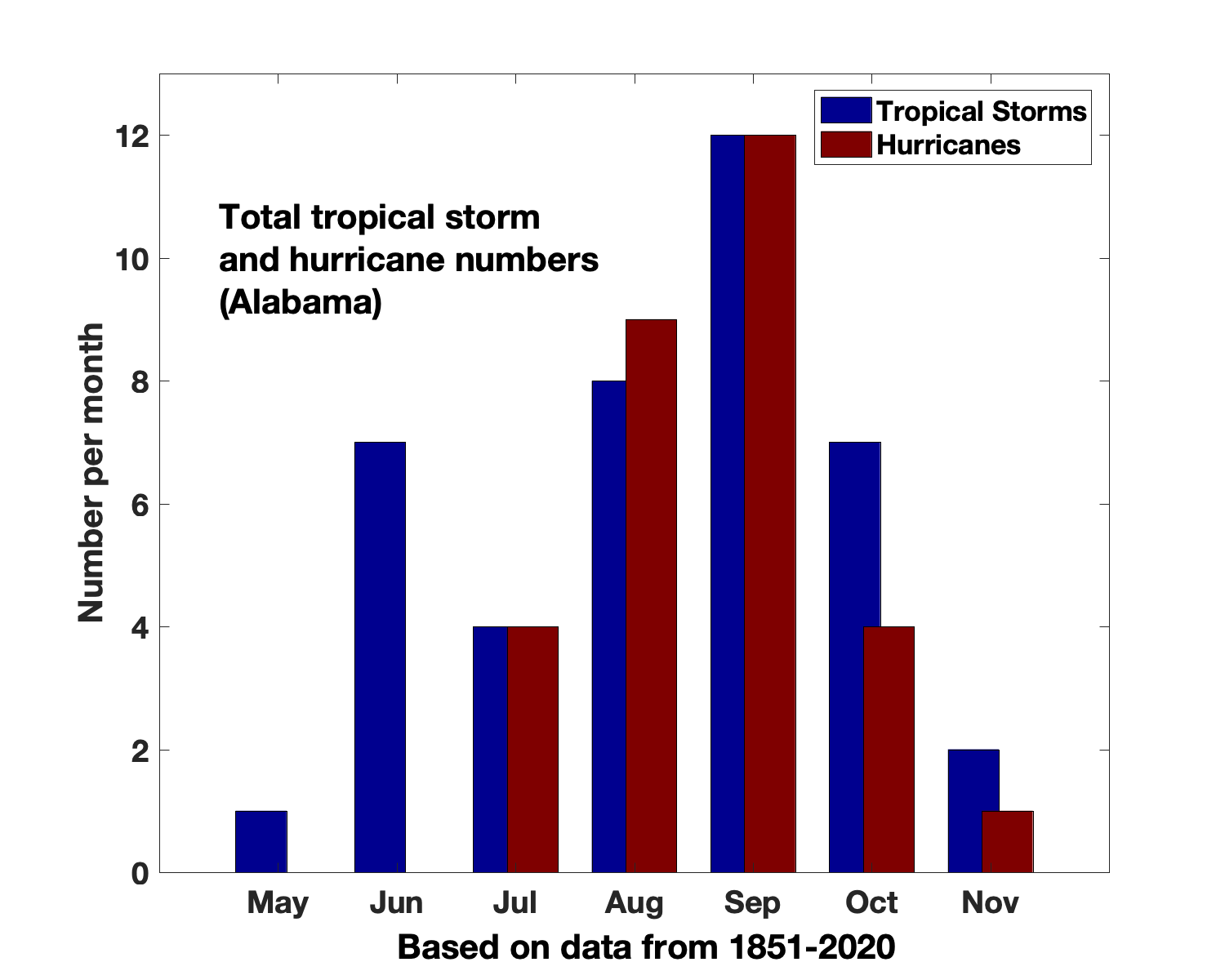
The official Atlantic Hurricane Season, which directly affects Alabama, runs from June 1st to November 30th each year. Within this six-month window, specific periods are historically more active. The peak of the season typically occurs from mid-August through late October, with September often being the most active month for storm development. This does not mean that storms cannot form outside these peak times or even outside the official season, but the probability is significantly higher during this designated period. Early June and late November tend to see fewer, less intense systems, but vigilance is always advised. Knowing these dates is the first step in a traveler’s guide to managing expectations and preparations for a visit to coastal Alabama.
Geographical Considerations for Travelers
The impact of hurricane season is not uniform across Alabama. The immediate Gulf Coast is the most vulnerable area, directly exposed to storm surge, high winds, and torrential rainfall. Cities like Mobile, Gulf Shores, Orange Beach, and Dauphin Island are on the front lines, and travel plans to these specific destinations during hurricane season require the most careful consideration. Inland areas, while less susceptible to storm surge, can still experience significant rainfall, flooding, and strong winds, depending on the storm’s intensity and trajectory. Cities such as Montgomery or Birmingham, further north, are generally safer from the direct impacts but may still face disruptions like power outages or localized flooding. Travelers must understand that a hurricane impacting the coast could still affect travel routes and conditions several hundred miles inland.
Planning Your Trip: Navigating Hurricane Season
Deciding to travel to Alabama during hurricane season doesn’t necessarily mean cancelling your trip, but it does mean adopting a more strategic and flexible approach to your planning. Forethought and adaptability are your best allies in ensuring a smooth experience.
Flexibility and Travel Insurance
One of the most valuable assets for any traveler during hurricane season is flexibility. This includes being open to adjusting your travel dates, modifying your itinerary, or even changing your destination within Alabama to an inland location if a storm threatens. Many airlines and accommodations offer waivers for changes or cancellations if a named storm is approaching a destination, but these policies vary widely and are often enacted only when a watch or warning is issued.
Investing in comprehensive travel insurance is highly recommended. Look for policies that specifically cover weather-related cancellations, trip interruptions, and emergency evacuations due to named storms. Read the fine print carefully, as some policies have specific clauses regarding when coverage begins (e.g., you cannot buy insurance after a storm has been named) or what types of weather events are covered. This provides a crucial financial safety net, protecting your investment in flights, hotel bookings, and pre-paid activities should a storm force a change of plans.
Monitoring Weather Forecasts

Staying informed is paramount. Before and during your trip, diligently monitor official weather sources. The National Hurricane Center (NHC) is the primary source for tropical weather forecasts and advisories. Local weather stations in Alabama, particularly those serving the Gulf Coast region (e.g., Mobile Bay area), provide detailed local impact forecasts. Apps and websites dedicated to weather can provide real-time updates and alerts. Pay close attention to hurricane watches (conditions are possible within 48 hours) and hurricane warnings (conditions are expected within 36 hours), as these trigger specific actions, including potential evacuations. It’s also wise to check the cancellation and rebooking policies of your specific airline, hotel, or rental company in advance. Many will issue advisories and offer flexibility if a storm is predicted to impact the area during your stay.
Safety First: Essential Preparedness for Visitors
Should you find yourself in Alabama during an approaching storm, knowing the appropriate safety measures is critical. Local authorities prioritize the safety of residents and visitors alike, and understanding their directives is key.
Emergency Resources and Evacuation Routes
Before arriving, especially if traveling during peak hurricane season, familiarize yourself with local emergency resources. Identify the emergency contact numbers for local authorities (police, fire, medical services), and know the address of the nearest hospital or urgent care clinic. In coastal areas, information on designated evacuation routes is readily available through local government websites, hotel information packets, or roadside signage. These routes are pre-planned to efficiently move people out of danger zones. If an evacuation order is issued, it is imperative to comply promptly. Do not delay, as road conditions can rapidly deteriorate, and services may become unavailable. Hotels and rental properties are generally required to inform guests of evacuation protocols.
Staying Informed While Traveling
Once you are in Alabama, ensure you have multiple ways to receive emergency alerts. Beyond monitoring weather forecasts, sign up for local emergency notification systems if available. Many counties offer text or email alerts for severe weather and public safety advisories. Keep your mobile phone charged and consider carrying a portable power bank. Tune into local news radio or television stations for continuous updates. Your hotel or accommodation provider will also be a key source of information and will often have procedures in place for guests during severe weather events. Always follow the instructions of local emergency management officials and hotel staff. Remember, a tropical storm or hurricane is a serious natural event, and taking precautions seriously can make all the difference for your safety.
Enjoying Alabama Beyond the Storm Season
While preparedness is vital for those traveling during hurricane season, many visitors prefer to plan their Alabama getaways outside this period to enjoy the state’s beauty with minimal weather-related concerns.
Best Times to Visit Alabama’s Gulf Coast
The optimal times to visit Alabama’s stunning Gulf Coast are generally in the spring (March to May) and fall (October to November).
- Spring offers pleasant temperatures, lower humidity, and often sunny skies, perfect for beach activities, fishing, and exploring the outdoors. The water is warming up, and crowds are manageable before the summer peak.
- Fall, particularly after the peak hurricane month of September, brings cooler, crisper air, still-warm Gulf waters, and fewer crowds. This period often boasts some of the most beautiful weather, ideal for leisurely strolls on the beach, kayaking, or enjoying outdoor dining in Gulf Shores or Orange Beach.
Summer (June to August) is also popular, despite being part of hurricane season, due to school holidays. While the weather is hot and humid, and pop-up thunderstorms are common, serious hurricane activity is less frequent in June and July than in August and September.

Inland Attractions and Activities
If your travel dates fall within hurricane season, consider exploring Alabama’s rich inland offerings. These destinations are less susceptible to direct hurricane impacts and offer a diverse range of experiences:
- Historic Cities: Discover the civil rights history in Montgomery and Birmingham, or explore the vibrant university town of Tuscaloosa. Each city offers museums, cultural sites, and culinary delights.
- Natural Beauty: Head to the mountains and forests of northern Alabama. The Talladega National Forest and Cheaha State Park, home to Alabama’s highest point, offer hiking, camping, and stunning vistas.
- Outdoor Adventures: From exploring caves at Cathedral Caverns State Park to fishing in freshwater lakes like Lake Martin or Guntersville Lake, Alabama’s interior provides ample opportunities for adventure.
- Family Fun: Destinations like Foley offer entertainment complexes, amusement parks, and shopping outlets that provide indoor and family-friendly activities, even if coastal weather is uncertain.
By understanding the seasonal patterns and employing smart travel strategies, visitors can confidently plan an unforgettable trip to Alabama, whether they choose the sun-drenched beaches or the charming inland attractions.
LifeOutOfTheBox is a participant in the Amazon Services LLC Associates Program, an affiliate advertising program designed to provide a means for sites to earn advertising fees by advertising and linking to Amazon.com. Amazon, the Amazon logo, AmazonSupply, and the AmazonSupply logo are trademarks of Amazon.com, Inc. or its affiliates. As an Amazon Associate we earn affiliate commissions from qualifying purchases.