
Understanding the timeline for Covered California Open Enrollment is crucial for Californians seeking health insurance coverage. This period is your primary opportunity each year to sign up for a new health plan or make changes to your existing one through the state’s official marketplace. Missing this window can leave you without health insurance until the next enrollment period, unless you qualify for a Special Enrollment Period.
Navigating the Covered California Open Enrollment Period
The Covered California Open Enrollment Period is a designated timeframe when individuals and families can enroll in or change their health insurance plans offered through the marketplace. Unlike employer-sponsored insurance, which may offer more flexibility, or Medi-Cal, which has year-round eligibility for those who qualify, Covered California operates on a strict annual schedule for its general enrollment.

Key Dates and Deadlines
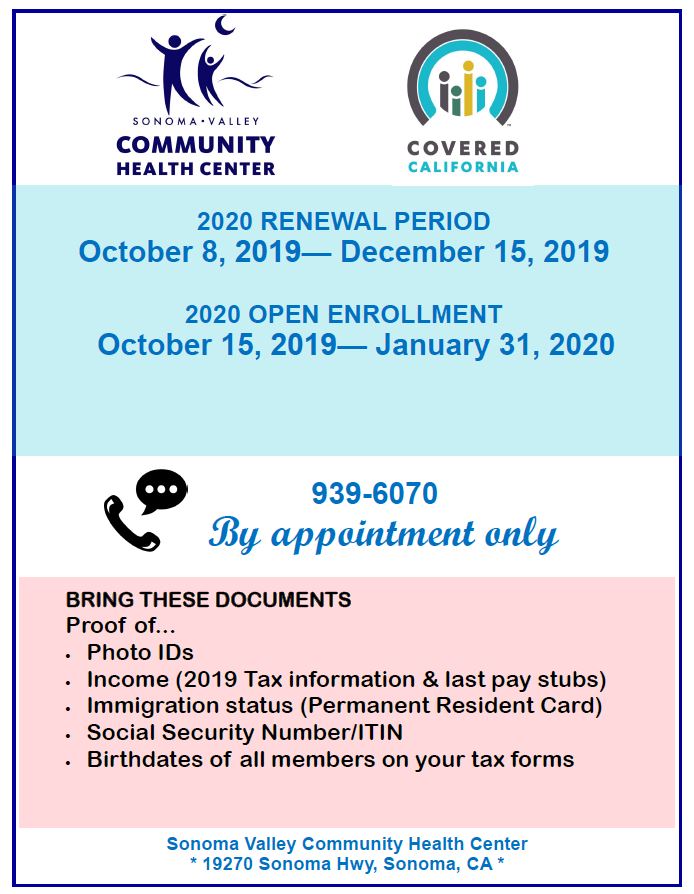
The exact dates for the Covered California Open Enrollment Period can vary slightly from year to year, but they generally follow a predictable pattern. The enrollment period typically begins on November 1st and extends through January 31st of the following year. However, there are important distinctions within this timeframe regarding when your coverage will become effective.
- November 1st: This is the official start date for Open Enrollment. If you enroll or make changes on or after this date, your new coverage can begin as early as January 1st of the upcoming year. This allows for seamless transitions between plans, ensuring continuous coverage.
- December 15th: This is a critical early deadline. If you wish for your new coverage or changes to your existing plan to be effective on January 1st, you must complete your enrollment or make your modifications by December 15th. Enrolling by this date guarantees that your coverage begins promptly at the start of the new year, avoiding any gaps.
- January 31st: This marks the end of the Open Enrollment Period. Any enrollments or changes made after December 15th but before January 31st will typically have coverage that begins on February 1st or March 1st, depending on the exact date of enrollment. It is important to note that enrollment on the final day of the period will result in coverage starting later in the year.
It is imperative for individuals to mark these dates on their calendars and begin their enrollment process well in advance of the deadlines. The Covered California website provides all the necessary information, including the precise dates for the current and upcoming enrollment periods, along with resources to help you choose a plan.
The Importance of Timely Enrollment
Failing to enroll or make necessary changes during the Open Enrollment Period can have significant consequences. Without coverage, you are financially exposed to high medical costs in case of illness or injury. While Covered California does offer a Special Enrollment Period, eligibility for this is limited to specific qualifying life events, such as losing other health coverage, getting married, or having a baby. It is not a substitute for the annual Open Enrollment.
By understanding and adhering to the Open Enrollment dates, you ensure uninterrupted access to healthcare services and can take advantage of the health insurance options available to you and your family in California.
Beyond Open Enrollment: Special Enrollment Periods
While the annual Open Enrollment Period is the primary time to enroll in or change Covered California plans, life circumstances can necessitate health insurance outside of these set dates. For these situations, Covered California offers Special Enrollment Periods (SEPs). These are specific, limited-time windows that allow eligible individuals to enroll in or change their health plans due to certain qualifying life events.
Qualifying Life Events
A qualifying life event is a change in your circumstances that makes you eligible for a Special Enrollment Period. These events are designed to provide a safety net for those who experience significant life changes that affect their health insurance needs. Common qualifying life events include:
- Loss of Other Health Coverage: This is one of the most frequent reasons for an SEP. If you lose job-based coverage, Medi-Cal, Medicare, or coverage through another marketplace plan, you may be eligible. This also applies if your COBRA coverage has ended.
- Marriage or Civil Union: If you get married or enter into a civil union, you can enroll in a new plan or add your spouse/partner to your existing plan.
- Birth or Adoption of a Child: Welcoming a new child into your family is a qualifying event, allowing you to add the baby to your plan.
- Gaining or Becoming a Dependent: If a dependent is no longer eligible to be on another person’s health insurance plan, they may qualify for an SEP.
- Relocation: If you move to a new area within California and your current plan is no longer available, or if you move into California from another state or territory, you may be eligible for an SEP.
- Changes in Income Affecting Eligibility for Subsidies: Significant changes in your household income that affect your eligibility for premium tax credits (subsidies) or Medi-Cal can trigger an SEP.
- Other Qualifying Events: This can include experiencing domestic violence, gaining citizenship, leaving incarceration, or experiencing a qualifying error or misrepresentation by an insurance company.
The 60-Day Window
For most qualifying life events, you have a 60-day window to enroll in a new Covered California plan or make changes to your existing one. This 60-day period typically begins on the date of the qualifying life event, not the date you become aware of it. For example, if you lose your job-based coverage on June 15th, your 60-day window to enroll in a Covered California plan begins on June 15th and ends on August 13th.
Missing this 60-day deadline means you will likely have to wait until the next Open Enrollment Period to obtain coverage, unless you qualify for another SEP. It is crucial to act promptly and submit all necessary documentation to verify your qualifying life event.
Proving Your Eligibility
When applying for a Special Enrollment Period, Covered California will require proof of your qualifying life event. The type of documentation needed will vary depending on the event. For instance, a marriage certificate is needed for marriage, a birth certificate for a new child, or a termination letter for lost coverage. Failing to provide adequate proof can result in your application being denied.
Understanding the rules and timelines for Special Enrollment Periods is as important as knowing the Open Enrollment dates. It ensures that you can secure necessary health coverage when unexpected life events occur, providing peace of mind and access to care.
Preparing for Open Enrollment
To make the most of the Covered California Open Enrollment period, thorough preparation is key. This involves reviewing your current situation, understanding your needs, and familiarizing yourself with the available plans and financial assistance options.
Assess Your Current Health Needs
Before diving into plan comparisons, take stock of your current health situation and anticipated needs for the upcoming year. Consider:
- Doctor Visits: How many doctor appointments do you anticipate needing?
- Prescription Medications: Are you taking any regular medications? What are their costs?
- Specialists: Do you foresee needing to see any specialists?
- Hospitalizations: While unpredictable, consider any known medical conditions that might require hospital stays or procedures.
- Wellness and Preventive Care: Are there any specific wellness programs or preventive services you plan to utilize?
Understanding these factors will help you determine the type of plan that best suits your needs, whether it’s a plan with lower monthly premiums but higher out-of-pocket costs, or a plan with higher premiums but more comprehensive coverage and lower deductibles.
Review Plan Options and Networks
Covered California offers a range of health plans from various insurance companies, including options like Blue Shield of California, Kaiser Permanente, and Health Net. Each plan has different:
- Premiums: The monthly cost of the insurance plan.
- Deductibles: The amount you pay out-of-pocket before your insurance starts to pay.
- Copayments (Copays): A fixed amount you pay for certain services, like doctor visits or prescriptions.
- Coinsurance: Your share of the costs of a covered healthcare service, calculated as a percentage of the allowed amount for the service.
- Out-of-Pocket Maximums: The most you will have to pay for covered services in a plan year.
- Provider Networks: The list of doctors, hospitals, and other healthcare providers that are part of the plan’s network. Staying within the network generally results in lower costs.
Carefully examine the Summary of Benefits and Coverage (SBC) for each plan you are considering. Pay close attention to the provider network to ensure your preferred doctors and hospitals are included.
Understand Financial Assistance
One of the significant benefits of enrolling through Covered California is the availability of financial assistance to lower the cost of premiums and out-of-pocket expenses. Eligibility for this assistance is based on your household income and size.
- Premium Tax Credits (Subsidies): These credits directly reduce your monthly premium payments. The amount of the credit is determined by your income relative to the federal poverty level.
- Cost-Sharing Reductions (CSRs): These reduce your out-of-pocket costs, such as deductibles, copayments, and coinsurance, for specific healthcare services. CSRs are available to individuals and families with lower incomes who enroll in Silver-tier plans.
During the Open Enrollment period, you can use the tools on the Covered California website to estimate the financial assistance you may qualify for. Providing accurate income information is essential for this calculation.
Gathering Necessary Documents
To streamline the application process, have the following information and documents ready:
- Social Security Numbers for all applicants.
- Income Information: Recent pay stubs, W-2 forms, or tax returns to estimate your household income for the upcoming year.
- Current Health Insurance Information: If you are currently enrolled in a plan.
- Information on Dependents: Birth certificates or adoption papers if you are enrolling children.
- Immigration Documents: If applicable.
By preparing in advance, you can navigate the Open Enrollment period with confidence, select the best plan for your needs, and secure affordable health coverage for the upcoming year.
Making Changes During Open Enrollment
The Open Enrollment period is not just for new enrollees; it’s also a crucial time for existing Covered California members to review and update their plans. Life circumstances change, and so do health needs and financial situations. Making adjustments during this annual window ensures your coverage remains optimal.
Why Review Your Current Plan?
Even if you are happy with your current health insurance, it’s wise to review your plan annually. Several factors might necessitate a change:
- Changes in Your Health: New medical conditions, pregnancy, or increased reliance on specific medications can alter your healthcare needs, making your current plan less suitable.
- Changes in Your Income: If your income has increased or decreased, your eligibility for premium tax credits or cost-sharing reductions may change. This could mean you qualify for more assistance, or perhaps less.
- Changes in Plan Offerings: Insurance companies may modify their plan structures, benefits, premiums, and provider networks each year. A plan that was ideal last year might not be the best choice for the coming year.
- Provider Network Updates: Your preferred doctors or hospitals might leave a plan’s network, or new providers might join. It’s essential to ensure your healthcare providers are still in-network.
- Cost Adjustments: Premiums and out-of-pocket costs can fluctuate annually. A different plan might offer better value for your specific needs.
How to Change Your Plan
Changing your plan during Open Enrollment is a straightforward process through the Covered California portal.
- Log In to Your Account: Access your existing Covered California account.
- Navigate to Plan Selection: Look for options related to updating your plan or enrolling in a new plan.
- Review Your Current Plan Details: The system will often provide a summary of your current coverage.
- Compare New Options: Browse the available plans for the upcoming year. Use the plan comparison tools to see premiums, deductibles, copays, and covered benefits side-by-side. Pay close attention to provider directories.
- Update Household and Income Information: Ensure all information about your household members and income is current. This is critical for accurate subsidy calculations.
- Select Your New Plan: Choose the plan that best aligns with your updated needs and financial situation.
- Confirm Your Enrollment: Complete the enrollment process and confirm your selections.

Key Considerations When Changing Plans
When making changes, consider these points:
- Effective Date: Remember that changes made during Open Enrollment typically take effect on January 1st of the following year, provided you meet the deadlines.
- Continuity of Care: If you are undergoing ongoing medical treatment, confirm that your doctors and any necessary procedures will be covered under the new plan. You may be able to request temporary continuation of care in certain situations.
- Prescription Drug Formulary: If you take regular medications, verify that they are covered by the new plan’s formulary and check the associated costs.
By actively engaging with your Covered California account during Open Enrollment, you can ensure your health insurance continues to meet your evolving needs, providing consistent and affordable access to healthcare.
LifeOutOfTheBox is a participant in the Amazon Services LLC Associates Program, an affiliate advertising program designed to provide a means for sites to earn advertising fees by advertising and linking to Amazon.com. Amazon, the Amazon logo, AmazonSupply, and the AmazonSupply logo are trademarks of Amazon.com, Inc. or its affiliates. As an Amazon Associate we earn affiliate commissions from qualifying purchases.