
The question of distance between two prominent Midwestern cities, Toledo and Detroit, is a common one for travelers, commuters, and those planning regional excursions. Understanding this geographical relationship is crucial for efficient travel planning, whether you’re considering a day trip, a longer stay, or simply navigating the automotive and industrial heartland of the United States. The proximity of these two urban centers, nestled within the Great Lakes region, offers a compelling blend of culture, history, and economic significance, making the journey between them a practical consideration for many. This exploration delves into the various facets of this distance, from direct travel times to the considerations that influence the journey.

Navigating the Drive: Distance and Time
The most common method of travel between Toledo and Detroit is by personal vehicle, a journey largely defined by interstate highways. The direct driving distance is approximately 55 to 65 miles, depending on the specific starting and ending points within each city. This relatively short span translates to an average driving time of about one hour to one hour and fifteen minutes under optimal conditions. However, several factors can significantly influence this duration, transforming a swift commute into a more extended endeavor.
Interstate Highways and Route Optimization
The primary artery connecting the two cities is Interstate 75 (I-75), a major north-south highway that traverses both Michigan and Ohio. Traveling north from Toledo on I-75 will lead directly into the heart of Detroit. While I-75 offers the most direct route, alternative highways such as I-280, US-23, and various state routes can also be utilized, though they generally add to the travel time or involve more complex navigation through smaller towns and local roads.
Traffic Congestion and Peak Travel Times
Detroit and its surrounding areas are subject to urban traffic patterns, meaning the time of day can dramatically impact travel duration. Commuter rush hours, typically occurring in the morning (around 6:30 AM to 9:00 AM) and late afternoon/early evening (around 3:30 PM to 6:30 PM) on weekdays, can introduce significant delays. During these periods, the one-hour drive can easily stretch to 90 minutes or even two hours, particularly as traffic funnels onto I-75 and through the downtown Detroit area. Conversely, traveling outside of these peak times, such as mid-day or on weekends, generally results in a smoother and faster journey.
Road Conditions and Construction
Like any major metropolitan region, the roadways between Toledo and Detroit can be subject to road construction, particularly during warmer months. Projects aimed at repairing or expanding infrastructure can lead to lane closures, detours, and slowdowns. It is always advisable to check real-time traffic updates from sources like the Michigan Department of Transportation or GPS navigation apps before embarking on the drive. Weather conditions also play a role; heavy rain, snow, or ice can reduce visibility and create hazardous driving conditions, necessitating slower speeds and increasing travel time.
Beyond the Car: Alternative Travel Options
While driving is the predominant mode of transport, other options exist for traversing the distance between Toledo and Detroit, each offering a different travel experience and set of considerations.
Public Transportation: Buses and Trains
For those who prefer not to drive, public transportation offers a viable, albeit often slower, alternative. Intercity bus services, such as those provided by Greyhound or FlixBus, regularly operate routes between Toledo and Detroit. These services typically depart from central bus terminals in each city and arrive at designated stops, often near downtown areas. Travel times by bus can range from 1.5 to 2.5 hours, depending on the number of intermediate stops and traffic conditions.
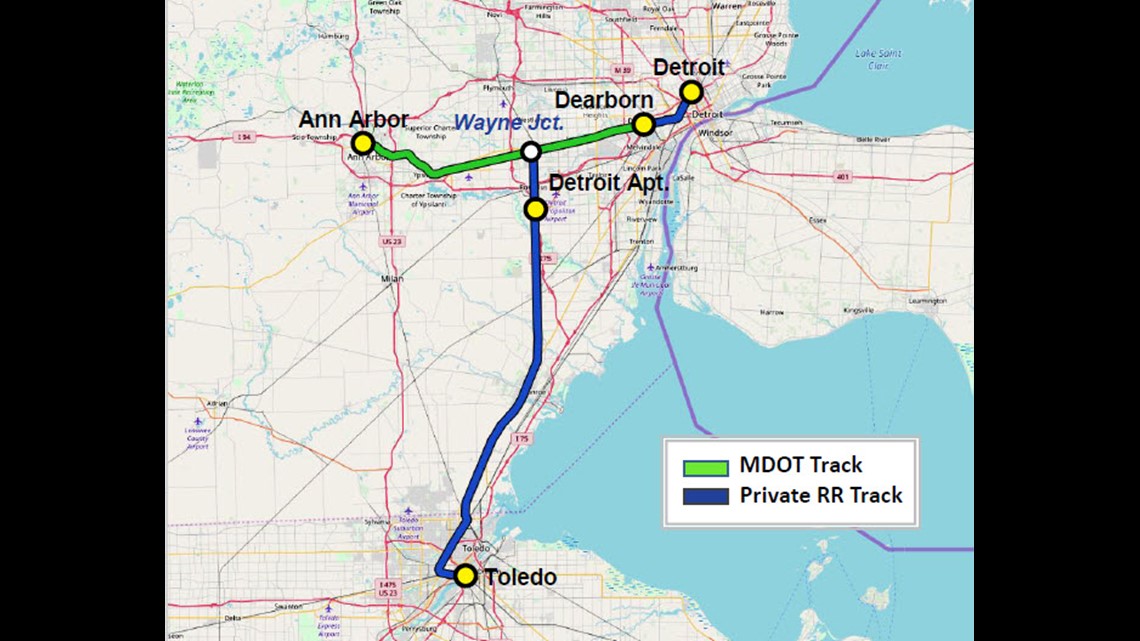
Rail travel, while less frequent than bus service, is also an option. The Amtrak Wolverine line connects Detroit and Toledo, offering a more comfortable and potentially scenic journey. The train stations are typically located in accessible areas, and the travel time by rail is generally competitive with bus services, often falling within a similar range of 1.5 to 2 hours, with the advantage of fewer traffic-related delays.
Air Travel: A Less Direct Approach
Direct air travel between Toledo and Detroit is not a practical option due to the short distance. While both cities have airports – Toledo Express Airport (TOL) and Detroit Metropolitan Wayne County Airport (DTW) – there are no direct commercial flights scheduled between them. Any air travel would necessitate connections through larger hubs, making it significantly more time-consuming and expensive than driving or taking a bus or train. Therefore, air travel is generally not considered for this particular intercity route.
The Context: Why Travel Between Toledo and Detroit?
The relatively short distance between Toledo and Detroit fuels a constant flow of people for a variety of reasons, underscoring the interconnectedness of these two significant Midwestern urban centers.
Business and Commuting
Detroit, as a major hub for the automotive industry and a growing center for technology and innovation, attracts business travelers and professionals from surrounding areas, including Toledo. Many individuals commute daily or weekly for work, taking advantage of the manageable driving time. Companies in Detroit often recruit talent from the broader metropolitan area, and the accessibility afforded by the highway infrastructure makes Toledo a feasible residential option for those employed in Michigan.
Tourism and Leisure Activities
Both Toledo and Detroit offer distinct cultural and recreational attractions that draw visitors from each other’s cities and beyond. Toledo is known for its world-class art museum, the Toledo Museum of Art, its revitalized downtown riverfront, and its historical sites. Detroit, on the other hand, boasts a rich musical heritage, with attractions like the Motown Museum, a vibrant culinary scene, professional sports teams, and significant historical landmarks such as the Guardian Building and the Henry Ford Museum of American Innovation. The ease of travel allows residents of Toledo to easily access concerts, sporting events, and dining experiences in Detroit, and vice versa.
Educational Pursuits and Family Visits
Educational institutions in both cities contribute to the travel between them. Students may attend universities or colleges in either Toledo or Detroit, necessitating regular travel for family visits or to manage academic affairs. Furthermore, family ties and social connections mean that visits between households in the two cities are frequent, making the driving distance a minor hurdle.
Planning Your Trip: Essential Considerations
When planning a journey from Toledo to Detroit, or vice versa, a few practical considerations can enhance the experience and ensure a smooth trip.
Accommodation Options
Should your visit extend beyond a day trip, both Toledo and Detroit offer a wide array of accommodation options. In Detroit, visitors can choose from luxury hotels in the downtown core, such as the Shinola Hotel or the Detroit Marriott at the Renaissance Center, boutique hotels in trendy neighborhoods like Corktown, or more budget-friendly options in the surrounding suburbs. Toledo also provides a range of hotels, from the historic to modern establishments, catering to various needs and budgets.
Navigating within Cities
Upon arrival in either Toledo or Detroit, understanding local navigation is important. Both cities have public transportation systems, including bus routes, though their efficiency and coverage can vary. Ride-sharing services like Uber and Lyft are widely available in both urban areas and offer convenient point-to-point transportation. For those who drove, parking availability and costs, especially in downtown Detroit, should be factored into travel plans.
Regional Events and Festivals
The calendar of events for both Toledo and Detroit often features overlapping or complementary attractions. Major sporting events, concerts, festivals, and cultural exhibitions can draw larger crowds and increase traffic congestion. Checking local event listings for both cities before your travel dates can help you avoid or plan around potential disruptions, or conversely, allow you to take advantage of exciting regional happenings.
In conclusion, the distance between Toledo and Detroit is a defining characteristic of their relationship, fostering a dynamic flow of people and commerce. The straightforward drive, typically around an hour, makes these two significant Midwestern cities readily accessible to each other, supporting a multitude of travel purposes from daily commutes to weekend getaways. Careful planning, including an awareness of traffic patterns and the availability of alternative transportation, ensures that this short geographical span translates into a convenient and enriching travel experience.
LifeOutOfTheBox is a participant in the Amazon Services LLC Associates Program, an affiliate advertising program designed to provide a means for sites to earn advertising fees by advertising and linking to Amazon.com. Amazon, the Amazon logo, AmazonSupply, and the AmazonSupply logo are trademarks of Amazon.com, Inc. or its affiliates. As an Amazon Associate we earn affiliate commissions from qualifying purchases.