
Navigating the Golden State in a rental car offers unparalleled freedom, allowing you to explore everything from the sprawling urban landscapes of Los Angeles to the scenic coastline of Big Sur. However, California’s extensive network of toll roads and bridges can present a unique challenge, especially when you’re behind the wheel of a temporary vehicle. Understanding how to manage these tolls is crucial to avoid unexpected fees, late penalties, and potential disruptions to your journey. This guide will demystify the process of paying tolls in California with a rental car, ensuring a seamless and stress-free driving experience.
Understanding California’s Toll System
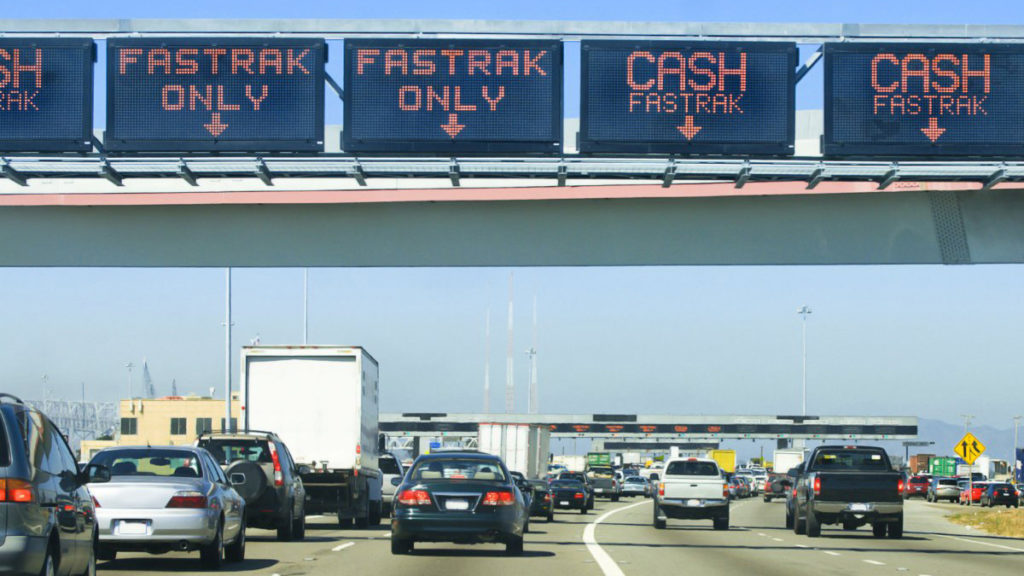
California utilizes a modern, largely electronic toll collection system, primarily through the use of FasTrak transponders. Many of the state’s major toll facilities are now “cashless,” meaning there are no toll booths to stop at. Instead, cameras capture your license plate, and the toll is processed based on your vehicle’s registration. This system is designed for efficiency, but it requires proactive management when you’re not the registered owner of the vehicle you’re driving.
Types of Toll Facilities in California
California has a diverse range of toll facilities, each with its own payment protocols. It’s important to be aware of these as you plan your route:
- Toll Bridges: Iconic crossings like the San Francisco-Oakland Bay Bridge, Golden Gate Bridge (southbound only), and bridges in the San Diego and Los Angeles areas are tolled. Many of these are now cashless, relying on plate recognition.
- Toll Roads: Express lanes, often referred to as “HOT” (High Occupancy Toll) lanes, are prevalent on major freeways in Southern California, particularly in Los Angeles County and Orange County. These lanes offer faster travel times for a fee, with prices often fluctuating based on traffic volume.
- Toll Tunnels: While less common, some tunnels may also incorporate tolls.
The Challenge with Rental Cars
When you rent a car, the vehicle is registered to the rental company, not to you. This means that any tolls incurred will be associated with the rental company’s account. The critical point is how this information is relayed to you and how you are expected to pay. Most rental agreements will have specific clauses regarding toll usage, and failure to adhere to them can result in significant charges.
Strategies for Paying Tolls in a Rental Car
Fortunately, there are several effective strategies for managing tolls when driving a rental car in California, ranging from pre-paid options to post-trip billing.
1. Understand Your Rental Company’s Toll Program
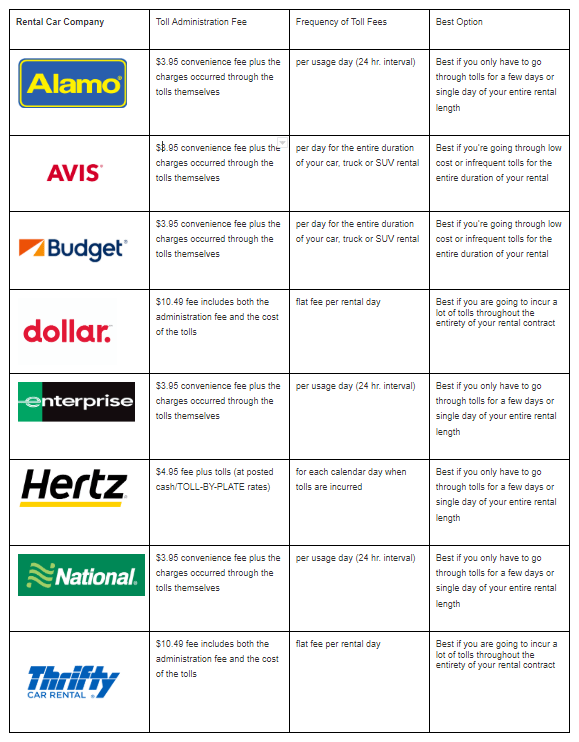
This is arguably the most crucial step. Before you even leave the rental lot, inquire about the company’s specific toll policies. Most major rental agencies offer their own toll payment programs, designed to simplify the process for customers.
Rental Company Toll Programs Explained
- Daily Toll Pass/PlatePass/TollPass: Many companies, such as Hertz, Enterprise, and Avis, offer a daily fee that covers unlimited toll usage within a 24-hour period or for the duration of your rental. This is often the most convenient option, as it ensures all tolls are handled directly by the rental company and billed to your rental agreement. The daily fee may seem high, but it can be cost-effective if you anticipate using toll roads frequently.
- Pay-Per-Toll: Some programs allow you to pay for each individual toll incurred. This might be more economical if you only expect to use toll roads sparingly. However, it often involves an administrative fee per toll, which can quickly add up.
- Direct Billing: If you decline the rental company’s toll program, they will typically forward any toll violations or unpaid tolls to you. This usually involves the rental company charging your credit card an administrative fee for processing the toll, in addition to the toll amount itself, and potentially a late fee if not handled promptly. These administrative fees can be substantial, often exceeding the actual toll cost.
Actionable Tip: Always ask for a written explanation of the toll program and its associated fees. Clarify if the daily fee covers unlimited tolls or if there are limitations. Understand the consequences of opting out.
2. Utilize the Official FasTrak System (If Applicable)
While rental company programs are common, in some instances, you might opt for a more direct approach.
Setting Up a Temporary FasTrak Account
If you plan on extensive travel across multiple toll systems or are comfortable managing your own payments, you can set up a temporary FasTrak account. You would need to link your rental car’s license plate number to this account. However, this can be challenging with a rental car, as license plate numbers can change with different rentals.
- Pros: Potentially more control over costs if managed correctly.
- Cons: Requires proactive management and accurate tracking of all tolls. Can be difficult to link a temporary rental vehicle to an account, especially if you switch cars or your rental duration is short. The rental company might still impose their administrative fees.
Important Note: This option is generally less recommended for typical rental car usage due to the complexities of managing a temporary account with a vehicle not permanently registered to you.
3. Pre-Pay Tolls Before Driving
Some toll authorities offer ways to pre-pay for tolls, especially for specific bridges or regions. However, this is often difficult to coordinate with a rental car due to the lack of immediate access to the vehicle’s license plate and the transient nature of rentals.
4. The “Do Nothing” Approach – A Risky Strategy
It’s tempting to ignore tolls, hoping they won’t catch up with you. This is a highly discouraged strategy. California’s toll systems are very efficient at identifying vehicles.
Consequences of Ignoring Tolls
- Escalating Fees: Unpaid tolls are automatically sent to the registered owner of the vehicle, which is the rental company. They will then attempt to charge you for the toll, usually with a significant administrative fee.
- Credit Card Charges: The rental company will typically charge the credit card you used for the rental deposit. This charge may include the original toll, the company’s administrative fee, and potentially a penalty for late payment.
- Future Rental Issues: If you accumulate unpaid tolls or fines, it could potentially affect your ability to rent from that company or others in the future.
Navigating Specific California Toll Locations
Understanding the nuances of toll payment in different parts of California can save you trouble.
Tolls in Southern California (Los Angeles & Orange County)
The major toll roads here are the express lanes on freeways like the I-10 and SR-73. These are almost entirely cashless.
- Rental Car Programs: This is where rental company toll programs are most beneficial. Opting for a daily pass will cover your use of these express lanes.
- Manual Payment: There are no manual payment options for these express lanes. Cameras record your license plate.
Tolls in the Bay Area (San Francisco, Oakland, etc.)
The San Francisco-Oakland Bay Bridge, Golden Gate Bridge, and other bridges are tolled.
- FasTrak: The primary method of payment is FasTrak. If your rental company offers a FasTrak transponder or a similar service that covers these bridges, that’s the easiest route.
- License Plate Tolls: If you don’t have a FasTrak account or rental program, the bridge authorities will send a bill based on the license plate. Again, your rental company will likely forward this to you with added fees.
- Golden Gate Bridge: This bridge is only tolled for southbound traffic heading into San Francisco. Northbound is free.
Tolls in San Diego
Similar to Los Angeles, San Diego has toll express lanes on some freeways.
- Rental Company Programs: Again, the most straightforward solution is to enroll in your rental company’s toll program.
- Pay-by-Plate: Unpaid tolls will be processed via license plate recognition and billed to the rental car company, who will then charge you.

Tips for a Smooth Toll Experience
To ensure you don’t incur unnecessary charges, follow these practical tips:
- Read Your Rental Agreement Carefully: Pay close attention to the section on tolls and vehicle tracking.
- Ask Questions at the Counter: Don’t hesitate to ask the rental agent to explain the toll options and fees.
- Keep Receipts: If you opt for a daily toll pass, keep any receipts provided by the rental company as proof of payment.
- Check Your Credit Card Statements: After your rental, thoroughly review your credit card statements for any toll-related charges from the rental company. If you dispute a charge, have your receipts ready.
- Plan Your Route: If you prefer to avoid tolls, use GPS navigation apps that allow you to set “avoid tolls” as a preference. However, be aware that this might lead to longer travel times.
- Be Aware of HOV/Express Lane Rules: Understand that even if you’re in a carpool, you may still need a transponder or to pay a fee to use certain express lanes. Rental cars typically don’t come equipped with HOV transponders that allow for reduced rates.
By understanding the intricacies of California’s toll system and proactively engaging with your rental company’s policies, you can navigate the state’s beautiful and diverse landscapes without the added stress of unexpected toll fees. A little preparation goes a long way in ensuring your California road trip is as enjoyable as it is efficient.
LifeOutOfTheBox is a participant in the Amazon Services LLC Associates Program, an affiliate advertising program designed to provide a means for sites to earn advertising fees by advertising and linking to Amazon.com. Amazon, the Amazon logo, AmazonSupply, and the AmazonSupply logo are trademarks of Amazon.com, Inc. or its affiliates. As an Amazon Associate we earn affiliate commissions from qualifying purchases.