
Embarking on a cross-country journey from the bustling metropolis of Los Angeles, California, to the sun-drenched shores of Florida is an epic undertaking, a quintessential American road trip that promises an unparalleled blend of diverse landscapes, cultural experiences, and unforgettable memories. While the thought of traversing thousands of miles might seem daunting, the allure of the open road, the changing horizons, and the hidden gems along the way make it an adventure well worth planning. This isn’t just a drive; it’s a journey through the heart of a continent, demanding careful consideration of distance, time, and the myriad opportunities for discovery that lie between two iconic states.
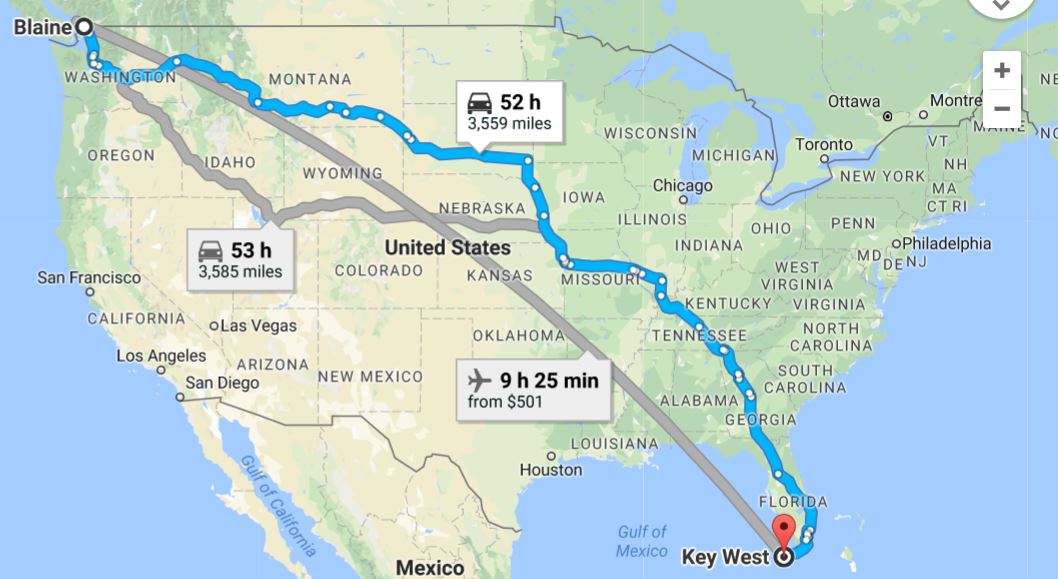
The sheer scale of the United States means that a drive from one coast to the other is never a trivial matter. It requires preparation, flexibility, and an eagerness to embrace the unexpected. From the arid deserts of the Southwest to the bayous of the Deep South and finally to the vibrant coastal ecosystems of Florida, every mile unveils a new facet of American geography and culture. Whether you’re a seasoned road-tripper seeking new horizons or a first-timer yearning for an adventure, understanding the nuances of this vast journey is the first step toward crafting an experience that truly redefines travel.
The Grand Overview: Distance, Time, and Key Considerations
The fundamental question, “How long is a drive from Los Angeles to Florida?” isn’t one with a simple, singular answer. The distance itself varies depending on your specific starting point in California and your chosen destination in Florida, as well as the route you decide to take. Moreover, the actual driving time is heavily influenced by a multitude of factors, from your average speed and frequency of stops to traffic conditions and the whims of weather.
Decoding the Distance and Driving Duration
Generally, the distance from Los Angeles to a central Florida city like Orlando or Tampa spans approximately 2,500 to 2,700 miles (around 4,000 to 4,350 kilometers). If your destination is further south, such as Miami, the distance can push closer to 2,800 miles.
In terms of pure driving time, without accounting for any stops, this translates to roughly 38 to 42 hours behind the wheel. However, it’s crucial to understand that driving for 40 hours straight is neither practical nor safe. Most experts recommend limiting daily driving to 8-10 hours to ensure driver safety and allow for rest and enjoyment of the journey. Based on this recommendation, a comfortable and realistic timeline for this cross-country drive would be 4 to 6 days.
A four-day trip would involve more intensive driving, around 9-10 hours per day, with minimal sightseeing. This is often chosen by those on a tighter schedule or those whose primary goal is to reach their destination. A more leisurely pace, spread over five or six days, allows for adequate rest, exploring points of interest, and truly savoring the road trip experience. This extended timeline aligns perfectly with the ethos of slow travel, where the journey itself becomes as important as the destination.
Factors Influencing Your Journey
Several variables will undoubtedly shape the duration and overall experience of your drive:
- Route Selection: As we will explore, there are different routes crossing various states, each with its own charm and potential delays. Some routes might be slightly shorter but less scenic, while others offer captivating detours that add to the mileage but enrich the experience.
- Pace and Stops: Are you planning to power through or take your time? Frequent stops for gas, meals, rest, and sightseeing will naturally extend the trip. Planning these breaks strategically can make the drive much more manageable and enjoyable.
- Traffic and Road Conditions: Urban centers, especially major cities like Phoenix, San Antonio, Houston, or New Orleans, can significantly impact travel time due to congestion. Construction, accidents, and adverse weather conditions (ranging from desert heatwaves to torrential rain or even winter storms, depending on the season and route) can also cause substantial delays.
- Vehicle Performance: The type of vehicle you drive, its fuel efficiency, and its overall condition will affect your journey. Ensuring your vehicle is in top shape before embarking on such a long drive is paramount.
- Time of Year: Traveling during peak seasons or holidays can lead to increased traffic and higher accommodation costs. Conversely, off-peak travel might offer smoother roads and more budget-friendly options. Weather patterns also vary dramatically across the states you’ll traverse; planning around them can enhance comfort and safety.
Understanding these factors allows travelers to set realistic expectations and plan a trip that balances efficiency with enjoyment, transforming a long drive into an unforgettable adventure.
Popular Routes and Scenic Detours
Navigating the vast expanse between California and Florida offers a couple of primary interstate routes, each providing distinct landscapes and opportunities for exploration. Choosing the right path depends on your priorities: speed, scenery, or specific attractions you wish to visit.
The Southern Charm: I-10 Eastbound
The most direct and popular route for a Los Angeles to Florida road trip primarily follows Interstate 10 East. This interstate is a transcontinental highway that stretches from Santa Monica, California, all the way to Jacksonville, Florida.
States Traversed: California, Arizona, New Mexico, Texas, Louisiana, Mississippi, Alabama, Florida.
Key Stops and Attractions along I-10:
- Phoenix, Arizona: A vibrant desert city offering unique landscapes and rich Native American history. Nearby, Saguaro National Park is a must-see for its iconic cacti.
- Tucson, Arizona: Known for its desert beauty, Old West history, and vibrant culinary scene.
- El Paso, Texas: A border city with a rich blend of American and Mexican cultures.
- San Antonio, Texas: Home to the historic Alamo and the charming Riverwalk, offering a taste of Spanish colonial heritage.
- Houston, Texas: A sprawling metropolis with a world-renowned space center, diverse food scene, and impressive museums.
- New Orleans, Louisiana: A city unlike any other, famous for its French Quarter, jazz music, Creole cuisine, and vibrant nightlife. This is often a highlight for many travelers.
- Mobile, Alabama: A port city with a rich history and beautiful antebellum architecture.
- Pensacola, Florida: Known for its stunning white-sand beaches and the National Naval Aviation Museum.
This route is generally straightforward, well-maintained, and offers a continuous flow of services. However, the stretch through Texas is notoriously long, requiring careful planning for fuel and breaks.
A Northern Alternative: I-40 to I-30/I-20
For those who wish to slightly alter their journey, an alternative involves taking Interstate 40 East from California before connecting south to I-30 or I-20 towards Florida. This route adds some mileage but opens up different sights.
States Traversed: California, Arizona, New Mexico, Texas, Oklahoma, Arkansas, Mississippi, Alabama, Florida.
Key Stops and Attractions along I-40/I-30/I-20:
- Grand Canyon National Park (via Flagstaff, Arizona): A detour that is absolutely worth the extra miles for its breathtaking vistas.
- Petrified Forest National Park, Arizona: Home to fossilized trees and a unique painted desert landscape.
- Albuquerque, New Mexico: Offers a rich blend of Native American, Hispanic, and Anglo cultures, known for its hot air balloon fiesta.
- Oklahoma City, Oklahoma: A vibrant city with cowboy heritage and the moving Oklahoma City National Memorial.
- Little Rock, Arkansas: Features historical sites like the Little Rock Central High School National Historic Site.
- Dallas/Fort Worth, Texas: A metropolitan hub offering museums, shopping, and a taste of the modern Texas lifestyle.
Once I-30 or I-20 merges with I-59 or other interstates further east, you eventually connect back to the general I-10 corridor in Mississippi or Alabama, continuing your journey into Florida. This route offers a different perspective of the American landscape, moving from the deserts to the plains and then into the verdant South.
Exploring Iconic Stops Along the Way
No matter which primary route you choose, there are countless opportunities for side trips and detours that enhance the road trip experience.
- National Parks: Beyond those directly on route, consider detours to Zion National Park or Bryce Canyon National Park in Utah if taking a more northerly start, or Big Bend National Park in Texas for a rugged desert experience.
- Quirky Roadside Attractions: The U.S. is famous for its eccentric roadside stops. Keep an eye out for giant statues, unique museums, or local diners that offer a glimpse into regional character.
- Historic Towns: Many small towns along the way boast rich histories, offering charming main streets, local eateries, and unique cultural insights that larger cities often miss. For instance, towns like Fredericksburg, Texas (German heritage), or various historic sites in Mississippi and Alabama can provide fascinating diversions.
- Culinary Adventures: Each region offers distinct flavors. From California fusion and Southwestern spice to Texas BBQ, Louisiana Creole, and Florida seafood, part of the joy is tasting your way across the country.
Carefully selecting your route and planning for these enriching stops transforms a mere drive into a profound journey, allowing you to immerse yourself in the diverse tapestry of American landscapes and cultures.

Planning Your Ultimate Cross-Country Road Trip
A successful cross-country road trip from Los Angeles to Florida hinges on meticulous planning. This isn’t just about knowing where you’re going; it’s about preparing for the journey, finding comfortable accommodation, and managing your budget effectively to ensure a smooth and enjoyable experience.
Essential Preparations for the Open Road
Before you even think about starting your engine, several crucial steps should be taken:
- Vehicle Maintenance: This is non-negotiable. Have your car thoroughly inspected by a trusted mechanic. Check tires (including the spare), brakes, oil, fluids, battery, and lights. Ensure your vehicle is in peak condition to handle thousands of miles. Pack an emergency kit with jumper cables, a first-aid kit, basic tools, and roadside assistance information.
- Navigation Tools: While smartphone apps like Google Maps or Waze are invaluable, always have a backup. A physical map or a standalone GPS device can be a lifesaver in areas with poor cell service, which you will encounter in some remote stretches.
- Packing Smart: Pack light but comprehensively. Consider luggage that is easy to access. Include comfortable clothes for driving, layers for varying temperatures (from desert heat to cooler mountain nights or air-conditioned hotels), personal hygiene items, medications, and entertainment for passengers. Don’t forget chargers for all your devices.
- Documents: Ensure your driver’s license, vehicle registration, and insurance are current and easily accessible. It’s wise to have digital copies as well.
- Road Trip Snacks and Hydration: Stock up on non-perishable snacks, a cooler with drinks, and plenty of water. This saves money, reduces the need for frequent stops, and ensures you have options in remote areas.
- Entertainment: Beyond podcasts and playlists, consider audiobooks, travel games, or even a good old-fashioned sing-along playlist.
- Travel Insurance: For such a long journey, especially if traveling with valuables or unique circumstances, considering travel insurance that covers roadside assistance, medical emergencies, and trip interruptions can provide peace of mind.
Accommodation and Rest Stops: Where to Stay
Choosing where to rest each night is a key part of road trip planning.
- Pre-booking vs. Flexibility: Some travelers prefer to book every night’s stay in advance, ensuring a guaranteed bed, especially when traveling during peak season or to popular destinations like New Orleans or major cities in Florida. This provides structure and peace of mind. Others prefer the flexibility to drive as long as they feel comfortable, finding a hotel when they’re ready to stop. If you choose the latter, familiarize yourself with common hotel chains along your route (e.g., Marriott, Hilton, Wyndham) and have a booking app ready.
- Types of Accommodation: From budget-friendly motels to comfortable mid-range hotels and even luxury resorts for a splurge, options abound. Consider the amenities you value – free breakfast, pool access, pet-friendly rooms, or ample parking. Many travelers find that staying at hotels just off the interstate simplifies entry and exit.
- Rest Areas and Truck Stops: These are vital for quick breaks, stretching your legs, using restrooms, and refueling. Facilities vary widely, with some offering extensive services like showers, restaurants, and convenience stores. Prioritize well-lit and busy rest stops for safety, especially at night.
- Unique Stays: If time allows, consider staying in a charming bed and breakfast in a historic town or even a cabin rental near a national park for a more immersive experience.
Budgeting for Your Epic Adventure
A cross-country road trip involves several significant expenses:
- Fuel: This will likely be your largest variable cost. Use apps like GasBuddy to find the cheapest gas prices along your route. Factor in the fuel efficiency of your vehicle.
- Accommodation: Depending on your preferences, this can range from $70-$200+ per night. If you’re traveling for 4-6 nights, this adds up quickly.
- Food: Eating out for every meal can be expensive. Balance restaurant meals with snacks, picnic lunches, and groceries bought from supermarkets to save money.
- Tolls: While I-10 is largely toll-free, some portions, especially as you approach and enter Florida (e.g., Florida Turnpike, various bridges), do have tolls. Have some cash on hand, or consider an electronic toll transponder (like SunPass in Florida) if you plan to frequently use toll roads.
- Activities and Entrance Fees: Factor in costs for any attractions, museums, or national park entrance fees you plan to visit.
- Miscellaneous: Always have an emergency fund for unexpected repairs, medical needs, or other unforeseen circumstances.
By carefully considering these planning elements, your drive from Los Angeles to Florida will transform from a logistical challenge into a seamless and enjoyable journey, rich with opportunities for exploration and personal growth.
Experiences and Attractions from Coast to Coast
The beauty of a drive from Los Angeles to Florida isn’t just about reaching the destination; it’s about immersing yourself in the diverse tapestry of the United States along the way. From natural wonders to historical monuments and local flavors, every state offers a unique piece of the American puzzle.
Must-See Landmarks and Cultural Highlights
Your cross-country adventure is an open invitation to explore some of the nation’s most iconic landmarks and delve into various regional cultures.
- Southwestern Wonders: In Arizona, beyond the stunning Saguaro National Park, a detour to the Grand Canyon South Rim via Flagstaff is a truly awe-inspiring experience that adds a day or two but yields incomparable memories. The ancient cultures of New Mexico can be explored in cities like Santa Fe, known for its unique adobe architecture and vibrant art scene.
- Texan Heritage: Texas is a land of vast distances and grand stories. In San Antonio, walk the historic Riverwalk, visit The Alamo, and explore the mission trails. Houston offers the Space Center Houston, a must-visit for space enthusiasts.
- Deep South Charm: Louisiana beckons with the inimitable New Orleans. Lose yourself in the French Quarter’s intricate streets, listen to live jazz on Bourbon Street, and take a swamp tour to spot alligators. The city is a sensory overload in the best possible way. Further east, Mississippi and Alabama offer historical sites, Civil Rights museums, and charming coastal towns like Mobile.
- Florida Gateways: As you enter Florida, cities like Pensacola offer beautiful beaches and military history, while Jacksonville provides a bustling urban environment.
Each stop unveils a piece of America’s rich history, diverse landscapes, and unique regional identities.
Culinary Delights and Local Flavors
A road trip is a culinary adventure. Eating your way across the country is one of the most rewarding aspects of the journey.
- Southwestern Cuisine: Indulge in authentic Mexican and Southwestern flavors in Arizona and New Mexico – think green chile stew, carne asada, and fry bread.
- Texas BBQ and Tex-Mex: No trip through Texas is complete without savoring slow-smoked brisket, ribs, and classic Tex-Mex dishes like fajitas and enchiladas. Each region within Texas boasts its own BBQ style, so sample widely.
- Cajun and Creole in Louisiana: New Orleans and its surroundings are a food lover’s paradise. Gumbo, jambalaya, etouffee, po’boys, beignets, and fresh seafood are just a few of the iconic dishes you must try.
- Southern Comfort Food: As you pass through Mississippi and Alabama, experience classic Southern comfort food: fried chicken, collard greens, grits, and pecan pie.
- Florida Seafood and Citrus: Upon reaching the Sunshine State, prepare for an abundance of fresh seafood, Cuban influences (especially in South Florida), and the iconic sweet taste of Florida oranges and key lime pie.
Embracing the local cuisine not only satisfies hunger but also provides a deeper connection to the culture and history of each place you visit. Seek out local diners, food trucks, and family-run establishments for the most authentic experiences.
Arriving in Florida: Gateway to the Sunshine State
After days of diverse landscapes and countless miles, the sight of palm trees and the scent of the ocean signal your arrival in Florida. The state offers a dramatic contrast to the desert vistas and plains of the journey, welcoming travelers with its unique blend of natural beauty, vibrant cities, and world-class attractions. Your final destination in Florida will dictate the final leg of your drive and the specific experiences that await.
If your journey ends in Orlando, you’re entering the theme park capital of the world. Walt Disney World Resort and Universal Orlando Resort offer endless entertainment for families and thrill-seekers alike. The city also boasts excellent dining, shopping, and a growing arts scene beyond the parks. Accommodation options here are vast, ranging from budget-friendly hotels to luxurious resorts.
For those heading to the Gulf Coast, Tampa provides a dynamic urban experience with a rich history, particularly in the Ybor City neighborhood. Its beautiful waterfront, cultural attractions, and proximity to stunning beaches make it a popular choice. Nearby, St. Petersburg offers a vibrant arts scene and further access to the white sands of the Gulf Coast.
If the tropical allure of South Florida calls, Miami is your ultimate stop. This cosmopolitan city pulses with Latin energy, art deco architecture in South Beach, and world-renowned nightlife. From exploring the colorful streets of Little Havana to relaxing on pristine beaches, Miami offers a distinctly international flair. Further south, the Florida Keys and Key West provide a true island paradise experience.
Regardless of your chosen Florida destination, the journey from Los Angeles is an expedition in itself, a testament to the vastness and diversity of the American landscape. It’s a chance to disconnect from the everyday, reconnect with loved ones or oneself, and witness the changing tapestry of cities, cultures, and natural wonders. While the mileage and driving hours are significant, the stories, memories, and experiences gathered along the 2,500+ miles make it an adventure that truly lasts a lifetime. So, fill up the tank, set your navigation, and prepare for an unforgettable ride from coast to sunny coast.
LifeOutOfTheBox is a participant in the Amazon Services LLC Associates Program, an affiliate advertising program designed to provide a means for sites to earn advertising fees by advertising and linking to Amazon.com. Amazon, the Amazon logo, AmazonSupply, and the AmazonSupply logo are trademarks of Amazon.com, Inc. or its affiliates. As an Amazon Associate we earn affiliate commissions from qualifying purchases.