
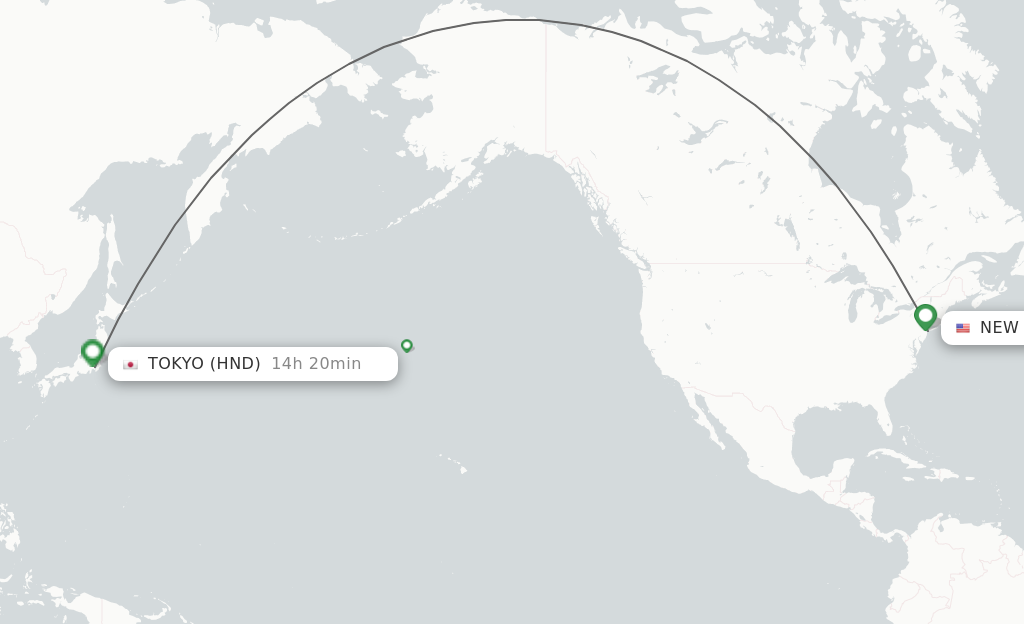
Embarking on a journey from New York to Japan is a quintessential trans-Pacific adventure, bridging two vibrant cultures across thousands of miles. The primary question on the minds of many prospective travelers from the United States East Coast is often about the flight duration. Typically, a direct flight from New York to major airports in Japan will span approximately 13 to 14 hours. However, this is merely the starting point of understanding what goes into such a significant trip. Beyond the airborne hours, travelers must consider a myriad of factors, from the specific airport of departure and arrival, the airline chosen, potential layovers, and even the nuances of air currents like the jet stream, all of which contribute to the total travel time. Moreover, the anticipation of arriving in a country rich with ancient traditions, futuristic cities, and unparalleled culinary experiences makes every minute of the journey a worthwhile investment. This comprehensive guide will delve into the specifics of flight durations, what to expect during your journey, and how to seamlessly transition from the bustling streets of New York to the enchanting landscapes of Japan, ensuring your travel experience is as comfortable and enriching as the destination itself.
The Core Journey: Understanding Flight Dynamics
The journey across the vast Pacific Ocean is a marvel of modern aviation, but its duration isn’t static. Several elements converge to determine how long you’ll spend in the air and en route to your destination in Japan. From the choice between direct and connecting flights to the specific airports involved and even atmospheric conditions, each factor plays a crucial role in shaping your travel itinerary.
Direct Flights vs. Connecting Flights
The quickest way to travel from New York to Japan is undoubtedly via a direct flight. These non-stop journeys typically range from 13 to 14 hours. Airlines such as Japan Airlines (JAL), All Nippon Airways (ANA), United Airlines, and Delta Air Lines regularly operate direct routes from major New York hubs to Tokyo. The convenience of a direct flight is unmatched, minimizing transit time and reducing the potential for delays or missed connections.
However, direct flights are often more expensive. Many travelers opt for connecting flights, which can significantly extend the overall travel time. A connecting flight could involve one or more layovers in cities such as Chicago, Dallas, Houston, Los Angeles, San Francisco, Seattle, or even international hubs in Canada or Asia. While the flight segments themselves might be shorter, the layover times, which can range from a couple of hours to half a day or more, add considerably to the total journey. A connecting flight might see total travel times stretching from 16 to 20 hours or even longer, depending on the number and duration of the stops. Weighing the cost savings against the extended travel time and potential for fatigue is a key decision point for many travelers.
Factors Influencing Flight Duration
Beyond the presence of layovers, several other elements can subtly, or not so subtly, impact the actual flight time:
- Jet Stream: This powerful, high-altitude air current flows from west to east across the Pacific. Flights traveling eastward (e.g., from Japan to New York) can get a significant “tailwind” boost, shortening their duration. Conversely, flights heading westward (from New York to Japan) often face a “headwind,” which can extend the flight time by 30 minutes to an hour, sometimes more, depending on the strength and exact path of the jet stream.
- Aircraft Type: Modern aircraft, such as the Boeing 787 Dreamliner or Airbus A350, are designed for long-haul efficiency and speed. Their advanced aerodynamics and fuel efficiency allow for smoother and sometimes slightly faster journeys compared to older models.
- Air Traffic Control and Route Optimization: Air traffic congestion, particularly around busy hubs like New York or Tokyo, can lead to delays in departure or holding patterns upon arrival. Airlines also constantly optimize their routes to avoid turbulence, adverse weather, and geopolitical no-fly zones, which can sometimes lead to minor deviations and slight adjustments in flight duration.
Major Airports in New York and Japan
Your starting and ending points are critical to defining your travel experience. New York is served by three main airports, though only two are primary gateways for international travel:
- John F. Kennedy International Airport (JFK): Located in Queens, New York, JFK is the busiest international gateway to the United States and offers the widest selection of direct flights to Japan.
- Newark Liberty International Airport (EWR): Situated in New Jersey, EWR also serves the New York metropolitan area and has direct flights to Japan, primarily via United Airlines.
- LaGuardia Airport (LGA): Primarily handles domestic and short-haul international flights, so it’s highly unlikely you would depart from LGA for Japan.
In Japan, the primary international arrival points are:
- Narita International Airport (NRT): Located about 60 kilometers east of central Tokyo in Chiba Prefecture, Narita has historically been Japan’s main international gateway. It offers excellent connections to Tokyo via the Narita Express and various bus services.
- Haneda Airport (HND): Closer to central Tokyo, Haneda has seen a significant increase in international flights in recent years. Its proximity makes it a convenient choice, particularly for those whose final destination is within the greater Tokyo area. Access to the city is swift via the Keikyu Line or Tokyo Monorail.
- Kansai International Airport (KIX): Serving the Osaka-Kyoto–Kobe region, KIX is the main international airport for western Japan. While direct flights from New York to Kansai are less frequent than to Tokyo, they do exist, primarily through connecting routes. If your primary interest lies in the cultural heartlands of Kyoto or the vibrant city of Osaka, flying into KIX can save you significant time on domestic transfers.
Preparing for Your Trans-Pacific Adventure
A long-haul flight demands more than just booking a ticket; it requires thoughtful preparation to ensure comfort, mitigate potential issues like jet lag, and maximize the enjoyment of your journey. From selecting your cabin experience to practical pre-flight arrangements, every detail contributes to a smoother transition between continents.
Choosing the Right Airline and Cabin Class
The choice of airline and cabin class can dramatically alter your trans-Pacific flight experience.
- Economy Class: While the most budget-friendly, 13-14 hours in economy can be challenging. Look for airlines known for good service, decent legroom, and in-flight entertainment. Amenities like charging ports, Wi-Fi (often paid), and a wide selection of movies and TV shows are crucial for passing the time.
- Premium Economy: A popular middle ground, offering more legroom, wider seats, greater recline, and enhanced meal service compared to economy, often at a significantly lower price than business class. This can be a worthwhile upgrade for a journey of this length.
- Business Class: Provides a flat-bed seat, gourmet meals, lounge access, and superior service. This class transforms the journey into a luxurious experience, allowing for proper rest and arrival feeling refreshed. Airlines like Japan Airlines and All Nippon Airways are renowned for their exceptional business class offerings on this route.
- First Class: The pinnacle of air travel, featuring private suites, bespoke dining, and unparalleled personal service. While expensive, it offers an exclusive and incredibly comfortable way to cross the globe.
Researching airline reviews for seat comfort, service quality, and in-flight amenities on the New York to Japan route is highly recommended.
Essential Pre-Flight Planning
Once your flight is booked, the real planning begins.
- Visa Requirements: For United States citizens, a visa is generally not required for tourist stays of up to 90 days in Japan. However, it’s always wise to check the latest entry requirements from the Japanese Embassy or consulate, especially if you hold a passport from another country.
- Packing Smart: Consider the duration of the flight and your destination. Pack layers, comfortable clothing, and essential toiletries in your carry-on. A travel pillow, eye mask, and noise-canceling headphones are invaluable for a long flight. Don’t forget adaptors for Japan’s Type A/B outlets and 100V voltage.
- Understanding Time Zones: Japan is 13 or 14 hours ahead of New York (depending on daylight saving time). This significant time difference means you’ll essentially “lose a day” traveling westward and gain it back on your return. Mentally prepare for this shift, and begin adjusting your sleep schedule a few days before departure if possible.
- Travel Insurance: Given the investment in a trip to Japan, comprehensive travel insurance is a must. It can cover unexpected flight cancellations, medical emergencies, lost luggage, and other unforeseen events, providing peace of mind.

Beating Jet Lag and Ensuring Comfort
Jet lag is almost inevitable on such a long journey, but its effects can be minimized with strategic planning.
- Hydration: Drink plenty of water before, during, and after your flight. Avoid excessive alcohol and caffeine, which can exacerbate dehydration and disrupt sleep patterns.
- Move Around: During the flight, get up and walk around the cabin periodically to improve blood circulation and prevent stiffness. Perform simple stretches at your seat.
- Adjust to Local Time Immediately: Upon arrival, try to switch to Japan’s local time as quickly as possible. Expose yourself to natural light during the day and avoid heavy meals late at night. Even if you’re tired, try to stay awake until evening to help reset your body clock.
- Comfort Essentials: Dress in loose, comfortable clothing. Bring a good book, download movies or podcasts, and have a fully charged device with you. Snacks are also helpful, as airline meal timings might not align with your hunger.
Exploring Japan: Beyond the Flight
Once your long journey from New York culminates in touchdown on Japanese soil, a world of incredible experiences awaits. Japan offers an unparalleled blend of ancient traditions and cutting-edge modernity, captivating every type of traveler.
Iconic Destinations and Experiences
From futuristic cityscapes to serene ancient temples, Japan is packed with must-see destinations.
- Tokyo: The sprawling capital is a kaleidoscope of sights and sounds. Explore the neon-lit entertainment district of Shinjuku, with its towering skyscrapers like the Tokyo Metropolitan Government Building offering panoramic views, and the vibrant nightlife of Kabukicho. Immerse yourself in the bustling energy of Shibuya Crossing, a symbol of urban dynamism. Discover tranquility amidst the Imperial grounds of the Imperial Palace or the peaceful Meiji Jingu Shrine. For a taste of traditional Tokyo, wander through the historic district of Asakusa and visit the magnificent Senso-ji Temple. Don’t miss the panoramic views from the Tokyo Skytree or the Tokyo Tower.
- Kyoto: The former imperial capital is the cultural heart of Japan, boasting thousands of temples and shrines. Wander through the ethereal bamboo groves of Arashiyama, marvel at the golden pavilion of Kinkaku-ji, and be captivated by the endless vermillion torii gates of Fushimi Inari-taisha. Explore the historic Gion district, where you might catch a glimpse of a geisha.
- Osaka: Known for its vibrant food scene and lively atmosphere, Osaka is a gourmand’s paradise. Indulge in local delights like takoyaki and okonomiyaki in the Dotonbori district, characterized by its dazzling neon lights and kinetic billboards. Visit the majestic Osaka Castle, a symbol of Osaka’s rich history.
- Mount Fuji and Hakone: For breathtaking natural beauty, a trip to the Mount Fuji region is essential. Enjoy stunning views of the iconic peak from Lake Ashi in Hakone, where you can also experience traditional onsen (hot springs) and artistic open-air museums.
Other notable destinations include the deer-filled parks of Nara, the solemn peace memorial in Hiroshima, and the tropical islands of Okinawa. The efficient Shinkansen (bullet train) network makes traveling between these cities incredibly convenient and part of the experience itself.
Accommodation Choices in Japan
Japan offers an incredibly diverse range of accommodation options, catering to every preference and budget.
- Luxury Hotels: In major cities like Tokyo and Kyoto, you’ll find world-class luxury hotels that provide impeccable service, exquisite dining, and stunning city views. Brands like the Park Hyatt Tokyo, Ritz-Carlton Tokyo, Four Seasons Kyoto, and Aman Tokyo offer unparalleled comfort and sophistication, often featuring spa facilities, Michelin-starred restaurants, and opulent suites. These establishments are perfect for those seeking a premium lifestyle travel experience, combining exceptional amenities with prime locations.
- Traditional Ryokans: For a truly immersive cultural experience, staying in a ryokan (traditional Japanese inn) is highly recommended. Often found in scenic areas or historic towns like Kyoto or Hakone, ryokans offer tatami-matted rooms, futon bedding, kaiseki (multi-course traditional dinner), and communal onsen baths. It’s an opportunity to experience omotenashi, Japanese hospitality at its finest.
- Budget Stays: Japan is well-equipped for budget travelers, with numerous business hotels (clean, compact, and efficient), capsule hotels (unique and affordable), and hostels. These options provide excellent value, especially in popular tourist areas, making budget travel accessible without compromising on safety or cleanliness.
- Vacation Rentals and Apartments: For longer stays or family trips, consider booking an apartment or vacation rental. This provides more space, kitchen facilities, and a sense of living like a local. Websites specializing in accommodation booking offer a wide selection across Japan.
Regardless of your choice, early booking is advisable, especially during peak travel seasons like cherry blossom (sakura) season or autumn foliage. Reviews and comparisons on booking platforms can help you find the best fit for your needs.
Immersing in Japanese Culture and Cuisine
Japan’s cultural richness and culinary prowess are legendary.
- Cuisine: Prepare for a gastronomic adventure. Beyond sushi and ramen, explore diverse regional specialties. Try okonomiyaki in Osaka, savory yakitori, delicate tempura, comforting udon, and exquisite kaiseki ryori. Don’t forget to sample Japanese sweets (wagashi) and enjoy a traditional tea ceremony.
- Culture and Traditions: Participate in a tea ceremony, witness a sumo wrestling match (if in season), or visit a beautiful zen garden. Embrace the serene beauty of cherry blossoms in spring or the vibrant hues of autumn leaves. Understand and respect local customs, such as bowing, removing shoes before entering homes or certain establishments, and proper chopstick etiquette.
- Activities: Take a cooking class to learn the secrets of Japanese dishes, explore the vibrant manga and anime culture in Akihabara, or relax in an onsen (hot spring). Each activity offers a unique window into the multifaceted Japanese lifestyle.
Making the Most of Your Trip: Practical Tips and Lifestyle Considerations
A well-planned trip to Japan involves not just flight logistics and destination choices but also careful budgeting, understanding local nuances, and tailoring the experience to your specific travel style, whether it’s a family vacation, a business trip, or a solo adventure.
Budgeting for Your Japan Trip
A trip to Japan can range from a budget-conscious adventure to a lavish luxury escape. Understanding the cost components is key:
- Flights: As discussed, direct flights are quicker but generally more expensive. Booking well in advance (3-6 months) and being flexible with travel dates can yield significant savings, especially if you consider flying during the shoulder seasons (spring and autumn, excluding peak cherry blossom/foliage) or off-peak months.
- Accommodation: This is often the largest variable expense. Budget options like hostels or capsule hotels can be as low as $30-60 per night, while mid-range business hotels might cost $80-150. Luxury hotels and ryokans can easily range from $250 to $1000+ per night. Consider a combination of different accommodation types to balance comfort and cost.
- Transportation: The Japan Rail Pass is an excellent value for extensive travel on the Shinkansen and JR lines, but only if you plan to cover significant distances. For local travel, IC cards (like Suica or Pasmo) are convenient for subways and buses. Taxis are very expensive.
- Food: Japan offers incredible culinary experiences at all price points. You can enjoy delicious, affordable meals at convenience stores, casual eateries, and ramen shops for $5-15, while a mid-range restaurant meal might cost $20-50 per person. High-end dining, especially at Michelin-starred establishments, can be hundreds of dollars.
- Activities and Shopping: Factor in entrance fees for attractions, potential tours, and any shopping you plan to do. Japan is a shopper’s paradise, from traditional crafts to cutting-edge electronics.
Aim for a daily budget of $150-250 for a comfortable mid-range trip, excluding flights, but this can be adjusted significantly based on your spending habits.
Family Travel vs. Business Trips to Japan
The nature of your trip will influence your preparations and experiences.
- Family Trips: Japan is an incredibly family-friendly destination. Consider attractions like Tokyo Disneyland or Universal Studios Japan. Look for hotels with family rooms or consider vacation rentals for more space. Children are generally well-received, and public transportation is safe and efficient. Pack light, but bring essentials for kids, and be mindful of long travel days for little ones.
- Business Stays: For business travelers, efficiency and connectivity are paramount. Choose hotels near business districts or major transportation hubs in cities like Tokyo or Osaka. Ensure your accommodation offers reliable Wi-Fi and business amenities. Familiarize yourself with Japanese business etiquette, which emphasizes punctuality, respect, and hierarchy. Direct flights and premium cabin classes are often preferred to minimize jet lag and maximize productivity upon arrival.
Navigating Japan: Transportation and Local Etiquette
Getting around Japan is remarkably easy and efficient.
- Public Transportation: The rail network is world-class, especially the Shinkansen for inter-city travel. Within cities, subways and local trains are extensive and reliable. Download navigation apps like Google Maps, which integrates public transport schedules, to help you navigate.
- Etiquette: Japanese society places a high value on politeness and respect. Be mindful of quietness on public transport, avoid eating or drinking while walking, and always use both hands when exchanging business cards or gifts. Always defer to local customs, even if you don’t fully understand them. Learning a few basic Japanese phrases (e.g., “arigato” for thank you, “sumimasen” for excuse me/sorry) will also go a long way.
- Connectivity: Renting a pocket Wi-Fi device or purchasing a local SIM card upon arrival is highly recommended to stay connected and use navigation and translation apps effortlessly.
The journey from New York to Japan is an adventure in itself, spanning continents and cultures. While the 13-14 hour flight is a significant commitment, meticulous planning, comfortable choices, and an open mind will transform it into a seamless part of an unforgettable travel experience. From the moment you board your flight to the instant you step into the vibrant, enchanting world of Japan, every step promises discovery, luxury, and a deep dive into a truly unique lifestyle.
LifeOutOfTheBox is a participant in the Amazon Services LLC Associates Program, an affiliate advertising program designed to provide a means for sites to earn advertising fees by advertising and linking to Amazon.com. Amazon, the Amazon logo, AmazonSupply, and the AmazonSupply logo are trademarks of Amazon.com, Inc. or its affiliates. As an Amazon Associate we earn affiliate commissions from qualifying purchases.