
The Colorado River is more than just a waterway; it’s a vital artery, a geological marvel, and an unparalleled adventure playground that carves its way through some of the most breathtaking landscapes in North America. For travelers, adventurers, and those simply seeking to understand the natural world, its sheer scale is often a point of fascination. From its icy origins high in the Rocky Mountains to its historical delta reaching the Gulf of California, the river’s length isn’t merely a statistic; it represents a journey through diverse ecosystems, a lifeline for millions, and a tapestry of unforgettable experiences.
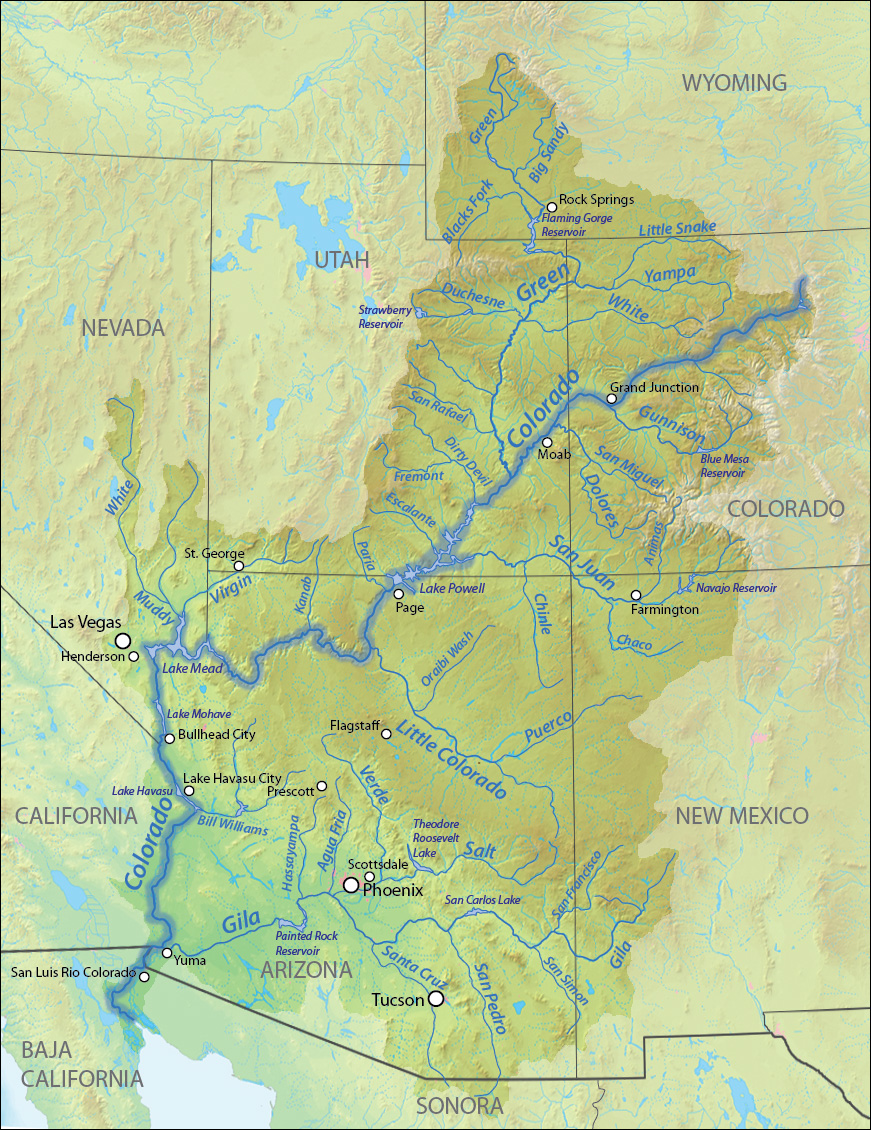
This iconic river influences everything from the geography of six U.S. states and two Mexican states to the travel itineraries of countless visitors. Whether you’re planning an epic white-water rafting trip, seeking the perfect vantage point for a sunset over the Grand Canyon, or simply curious about the natural forces that shaped the American Southwest, understanding the dimensions of the Colorado River is the first step in appreciating its profound significance. Beyond the miles and kilometers, we’ll delve into the unparalleled attractions, diverse accommodations, and enriching tourism experiences that flourish along its extensive banks, making it a cornerstone of the regional lifestyle.
Unveiling the Mighty Colorado: A Journey Through Its Waters
To truly grasp the essence of the Colorado River, one must first comprehend its physical dimensions and the incredible journey it undertakes. Its length is not just a number; it defines the scope of its impact and the vastness of the landscapes it traverses.
The Definitive Answer: River Length and Origin
So, precisely how long is the Colorado River? The answer, while seemingly straightforward, is a testament to its immense scale. The Colorado River stretches approximately 1,450 miles (2,330 kilometers) from its source to its historical mouth. This makes it one of the longest rivers in North America and an undisputed giant among the world’s waterways.
The river’s genesis lies high in the snow-capped peaks of the Rocky Mountains, specifically at La Poudre Pass in Rocky Mountain National Park in north-central Colorado. From this pristine, alpine beginning, the river embarks on a remarkable descent, gathering strength and volume as it flows southwest. Its epic journey takes it through five other U.S. states: Utah, Arizona, Nevada, and California. After shaping the iconic landscapes of the American Southwest, the Colorado River crosses the international border into Mexico, where it traverses the states of Baja California and Sonora before historically emptying into the Gulf of California. Today, due to extensive diversions for agriculture and urban use, the river rarely reaches the sea, a stark reminder of its preciousness and the challenges it faces.
A Lifeline Across Arid Lands: The River’s Impact
The Colorado River is far more than a geographical feature; it is an economic and ecological powerhouse, a veritable lifeline for arid regions. Its waters sustain approximately 40 million people across seven U.S. states and two Mexican states. Major metropolitan areas like Las Vegas, Los Angeles, Phoenix, and San Diego rely heavily on its flow for drinking water, industrial use, and agriculture, transforming deserts into fertile farmlands that produce a significant portion of the nation’s food supply.
Beyond hydration, the river is a major source of hydroelectric power. Massive engineering feats like the Hoover Dam on the border of Nevada and Arizona, and the Glen Canyon Dam in Arizona, harness the river’s immense power, generating electricity for millions of homes and businesses. These dams also create vast reservoirs, such as Lake Mead and Lake Powell, which are not only crucial for water storage but also serve as immensely popular recreational destinations.
Ecologically, the Colorado River basin is a mosaic of diverse habitats, supporting a unique array of plant and animal species, many of which are found nowhere else on Earth. From towering ponderosa pines to desert cacti, and from bighorn sheep to endangered fish species, the river’s ecosystems are incredibly rich and complex. The preservation of this intricate web of life is a significant focus of environmental efforts, emphasizing sustainable water management and responsible tourism practices along its entire length.
Experiencing the Colorado: Travel, Attractions, and Adventures
The immense length of the Colorado River translates into an equally vast array of travel opportunities, making it a prime destination for adventurers, nature lovers, and those seeking cultural immersion. Its journey unveils some of the most iconic natural wonders and thrilling activities in the world.
Iconic Landmarks and Natural Wonders
Undoubtedly, the crown jewel of the Colorado River’s influence is the Grand Canyon National Park. Carved over millions of years by the relentless flow of the river, this geological masterpiece stretches 277 miles long, up to 18 miles wide, and over a mile deep. Visitors can experience its grandeur from numerous viewpoints like Mather Point, Hopi Point, or the historic Desert View Watchtower on the South Rim. Helicopter tours offer a breathtaking aerial perspective, while intrepid hikers can descend into the canyon for an unparalleled connection with nature.
Further upriver, the aforementioned Lake Mead, formed by the Hoover Dam, and Lake Powell, created by the Glen Canyon Dam, offer immense bodies of sparkling blue water set against dramatic red rock backdrops. These lakes are havens for water sports, from powerboating and jet-skiing to fishing and serene houseboat rentals, providing a unique blend of adventure and relaxation.
In Utah, near the vibrant adventure town of Moab, the Colorado River flows past the entrances to Arches National Park and Canyonlands National Park. While the river itself is the focal point of Canyonlands’ “Island in the Sky” district, forming dramatic gorges, Arches captivates with its otherworldly sandstone formations. Another must-see natural spectacle is Horseshoe Bend, a stunning overlook near Page, Arizona, where the river makes a dramatic 270-degree turn, creating an almost perfect horseshoe-shaped meander. These landmarks exemplify the river’s power as a sculptor of the earth.

Adventure and Exploration: What to Do Along the River
For the active traveler, the Colorado River offers an endless menu of adventures. White-water rafting is perhaps the most iconic activity, with options ranging from thrilling multi-day expeditions through the depths of the Grand Canyon to shorter, family-friendly floats. Outfitters provide everything needed for an unforgettable journey, often including expert guides and camping equipment.
Beyond rafting, the calmer stretches of the river and its reservoirs are ideal for kayaking, paddleboarding, and canoeing, allowing for a more intimate exploration of its waters and shorelines. Hiking trails abound, from challenging backcountry treks to accessible scenic walks, offering diverse perspectives of the river’s canyons and mesas. Fishing enthusiasts will find abundant opportunities, with various species of trout, bass, and catfish.
For those who prefer to explore from the comfort of a vehicle, scenic drives like portions of Highway 89 in Arizona and Utah offer stunning views and access to numerous overlooks and trailheads. For a truly unique perspective, hot air balloon rides at dawn or helicopter tours over the Grand Canyon provide unparalleled panoramic vistas that highlight the river’s incredible scale and beauty. No matter your preference, the Colorado River beckons with opportunities for unforgettable experiences.
Planning Your Colorado River Journey: Accommodation, Culture, and Lifestyle
Embarking on a journey along the Colorado River requires thoughtful planning, not just for the activities, but also for where to stay, what to eat, and how to embrace the local culture responsibly. The region offers a spectrum of options to suit every taste and budget, making it an ideal destination for various lifestyles.
Where to Stay: Hotels, Resorts, and Unique Accommodation
The sheer length of the Colorado River means a wide variety of accommodation choices are available. For those seeking luxury and indulgence, world-class resorts can be found in nearby tourist hubs. Sedona, for instance, though not directly on the river, is a gateway to the region and home to opulent retreats like Enchantment Resort, offering spa services and stunning red rock views. In Tucson, another accessible city, The Ritz-Carlton, Dove Mountain provides an upscale desert escape. Near Moab, the Sorrel River Ranch Resort & Spa offers a luxurious riverside experience with equestrian activities.
Boutique hotels and charming bed-and-breakfasts dot smaller towns like Flagstaff, Kingman, and St. George, providing personalized service and a cozy atmosphere. For budget-conscious travelers, numerous motels and chain hotels offer comfortable and convenient stays, particularly in gateway cities to national parks.
For a truly immersive experience, camping and glamping sites are abundant within and around national parks and alongside the river. Imagine waking up to the sounds of nature, with direct access to hiking trails and stunning vistas. On Lake Powell and Lake Mead, houseboat rentals offer a unique “floating accommodation” experience, allowing guests to explore hidden coves and enjoy water activities right from their doorstep. For longer stays or family trips, vacation rentals like apartments and villas in towns like Sedona and St. George provide amenities like fully equipped kitchens and multiple bedrooms, offering a home-away-from-home feel.
Embracing Local Culture and Sustainable Tourism
The Colorado River basin is rich in history and culture, particularly that of the Native American tribes who have called this land home for centuries. The Hopi, Navajo, and Havasupai tribes, among others, have deep spiritual and historical connections to the river and its canyons. Visitors can learn about their traditions, art, and way of life by visiting tribal parks, cultural centers, and artisan markets, which often feature unique crafts and authentic experiences.
The culinary scene along the river reflects its Southwestern heritage, with an emphasis on local ingredients and vibrant flavors. Expect delicious Tex-Mex dishes, hearty barbecue, and unique fusion cuisine. Many towns boast charming local eateries that provide a taste of regional specialties.
Sustainable tourism is paramount when visiting such a vital and often fragile ecosystem. Travelers are encouraged to practice “Leave No Trace” principles, conserving water, respecting wildlife, and minimizing their environmental footprint. Supporting local businesses and engaging with local communities contribute to the long-term well-being of the region and its people. The best times to visit are generally spring (March to May) and fall (September to November) when the weather is mild and comfortable for outdoor activities, avoiding the intense summer heat.
A Lifestyle Defined by the River
The Colorado River basin offers a lifestyle that appeals to a diverse range of individuals. For adventure seekers, it’s a playground of white-water rapids, challenging hikes, and expansive lakes for water sports. For those pursuing relaxation and wellness, the serene landscapes, luxury spa resorts, and opportunities for quiet contemplation amidst stunning natural beauty are unmatched.
Family travel thrives here, with activities tailored for all ages, from easy scenic drives and short hikes to educational experiences at visitor centers and wildlife viewing. Photographers will find endless inspiration in the dramatic light and shadows that dance across the canyons and river bends throughout the day. Even for digital nomads, towns along the river offer unique opportunities to combine work with an adventurous and inspiring backdrop. The river shapes not just the land, but the very way of life for those who live near it and for countless visitors drawn to its magnificent allure.
In conclusion, the Colorado River, with its remarkable length of approximately 1,450 miles, is a geographic marvel and a cultural icon. It offers a spectrum of experiences that cater to every type of traveler, from adrenaline-fueled adventures to serene retreats. Understanding its immense scale and profound impact enhances every visit, reminding us of the importance of this precious resource and encouraging responsible exploration of its wonders. So, pack your bags, choose your adventure, and prepare to be captivated by the mighty Colorado.
LifeOutOfTheBox is a participant in the Amazon Services LLC Associates Program, an affiliate advertising program designed to provide a means for sites to earn advertising fees by advertising and linking to Amazon.com. Amazon, the Amazon logo, AmazonSupply, and the AmazonSupply logo are trademarks of Amazon.com, Inc. or its affiliates. As an Amazon Associate we earn affiliate commissions from qualifying purchases.