
Embarking on a legal career in the Golden State is an aspiration for many, drawn by California’s dynamic economy, diverse legal landscape, and vibrant lifestyle. Prospective law students often wonder about the duration of this rigorous academic journey. While the answer might seem straightforward at first glance, the path to becoming a licensed attorney in California can vary significantly depending on the chosen program, individual circumstances, and even the type of institution. From traditional full-time programs to more flexible part-time options and even unique unaccredited pathways, understanding the timeline is crucial for planning not only your education but also your life in one of the most exciting states in the United States. This comprehensive guide will explore the various durations of law school, the post-graduation hurdles, and how this significant life choice intertwines with the lifestyle, accommodation, and even travel opportunities that define the California experience.

The Traditional Path: Three Years to Your Juris Doctor
For most aspiring lawyers, the standard route to practicing law involves obtaining a Juris Doctor (J.D.) degree from an institution approved by the American Bar Association (ABA). This is the most recognized and often preferred pathway, offering a structured, comprehensive legal education.
Full-Time Study: An Immersive Journey
The vast majority of ABA-approved law schools in California offer a full-time J.D. program that typically spans three academic years. This equates to roughly 36 months of intense, focused study, often complemented by summer internships or externships that further immerse students in the practicalities of law. During these three years, students delve into foundational subjects like Contracts, Torts, Criminal Law, Constitutional Law, Property, and Civil Procedure. The curriculum is demanding, characterized by extensive reading, case briefing, legal writing assignments, and often the Socratic method in classroom discussions, which tests students’ analytical abilities on the spot.
For students pursuing full-time studies, the academic calendar usually runs from August or September through May, with a summer break. While these breaks offer a chance to recharge, many students use this time to gain practical experience, such as clerking for judges, working at law firms, or engaging in public interest work. This immersive schedule often necessitates a significant lifestyle adjustment. Students frequently relocate to be near their chosen institutions, with cities like Los Angeles, San Francisco, San Diego, and Palo Alto hosting some of the nation’s most prestigious law schools. Accommodation options range from university-provided housing to renting apartments, often shared with other students, in surrounding neighborhoods. The need for quiet study spaces and proximity to campus facilities often dictates housing choices. While the academic pressure is immense, the vibrant cultural scene and natural beauty of California can offer much-needed respite. A weekend trip to a California beach, a hike in the nearby mountains, or exploring local culinary delights can become precious opportunities to decompress and maintain a semblance of work-life balance.
Balancing Life and Law: Part-Time Programs
Recognizing that not everyone can commit to a full-time, three-year program, many ABA-approved law schools in California also offer part-time J.D. programs. These programs are designed for individuals who need to balance their legal education with existing career responsibilities, family commitments, or other significant life obligations. A part-time J.D. program typically extends the duration of study to four academic years, sometimes even up to five, depending on the school’s structure and the student’s pace.
Part-time students often attend classes in the evenings or on weekends, allowing them to maintain full-time employment during the day. While the total number of credits required for graduation remains the same as for full-time students, these credits are spread out over a longer period. This extended timeline offers more flexibility but also requires a different kind of endurance and commitment. The journey can feel longer, and maintaining momentum over four or five years alongside other responsibilities requires exceptional discipline.
Lifestyle implications for part-time students are unique. While they may retain their primary career and income, their leisure time is significantly reduced. Opportunities for extensive travel or spontaneous weekend getaways might be fewer, though carefully planned trips during longer breaks can still be feasible. Accommodation remains a key consideration, with many part-time students choosing to live closer to their workplace or family rather than immediately adjacent to the university campus. The demand for flexible and affordable long-term stays or apartment rentals becomes even more pronounced for this demographic. Some might even consider short-term rentals or extended-stay hotels like the Residence Inn by Marriott or Homewood Suites by Hilton when visiting campus for intensive study periods, especially if they commute from a distance.
Beyond the Standard: Exploring Alternative Law School Paths
California is unique among U.S. states for its diverse and sometimes unconventional pathways to legal licensure. Beyond the traditional ABA-approved J.D. programs, there are other options, each with its own timeline and set of requirements.
Unaccredited and Online Law Schools in California
Unlike most other states, California allows graduates of unaccredited law schools to sit for the California Bar Exam. This includes schools that are approved by the California State Bar but not the ABA, as well as unapproved schools and even distance learning or online programs. These programs generally follow a similar structure to part-time programs, typically taking four years to complete.
However, the path through an unaccredited or online law school in California comes with an additional hurdle: the First-Year Law Students’ Examination, often called the “Baby Bar”. Students in unaccredited programs must pass the Baby Bar after their first year of law school to receive credit for their subsequent legal studies and to continue toward eligibility for the full California Bar Exam. Failure to pass the Baby Bar after a certain number of attempts means that any further studies will not count towards bar eligibility. This adds an element of uncertainty and potentially extends the effective “duration” of their path to law, as retaking the Baby Bar can take several months.
While these alternative pathways can be more affordable and offer greater flexibility, they often come with higher bar passage rates and can be perceived differently by potential employers. Students choosing this route must be highly self-motivated and disciplined. Their lifestyle might involve less direct campus engagement but still demand immense personal sacrifice. The cost-effectiveness of these programs can free up financial resources for other aspects of life, including travel within [California](https://lifeoutofthebox.com/california] or even booking a stay at a boutique hotel like The London West Hollywood for a well-deserved break after passing a major exam.
Specialized and Accelerated Programs

While rare for the J.D. degree, specialized master’s programs in law, such as the Master of Laws (LL.M.), typically take one academic year (9-12 months) to complete. These are usually pursued by lawyers who already hold a J.D. or an equivalent foreign law degree and wish to specialize in a particular field, such as tax law, environmental law, or international law. Similarly, for those interested in a more academic route, a Doctor of Juridical Science (S.J.D.) or Doctor of Civil Law (D.C.L.) can take three or more years of post-J.D. study.
Accelerated J.D. programs that compress the traditional three-year curriculum into a shorter period (e.g., two years) are exceedingly rare in California and generally elsewhere due to the extensive ABA requirements. However, the concept of dual-degree programs (e.g., J.D./M.B.A.) can extend the overall time in university to four years or more, offering two distinct qualifications but integrating aspects of both curricula. These paths are for ambitious individuals seeking a competitive edge, often connecting their legal expertise with fields like business, public policy, or medicine. For these students, effective time management is key to navigating demanding academic loads and still enjoying the occasional cultural excursion to a landmark like the Getty Center or exploring diverse neighborhoods in San Francisco.
The Post-Graduation Hurdle: The California Bar Exam
The duration of law school itself is only one part of the journey to becoming a licensed attorney. After graduating, all aspiring lawyers in California must pass the notoriously challenging California Bar Exam. This crucial hurdle effectively adds another significant period to the overall timeline.
The California Bar Exam is administered twice a year, in February and July. After completing their J.D., graduates typically dedicate two to three months to intensive, full-time study for the exam. This period often involves enrolling in a bar review course, which provides structured lectures, practice questions, and simulated exams. This is a period of immense stress and dedication, often likened to a fourth year of law school.
During bar prep, many students opt for dedicated study environments. Some might stay in their current accommodation, while others choose to temporarily relocate to a quieter space or even book a short-term apartment or hotel suite like those found at The Ritz-Carlton, Laguna Niguel for a focused study retreat. The exam itself takes place over two days, a grueling test of knowledge and endurance. For out-of-towners, booking a comfortable hotel near the examination center, such as the Hyatt Regency San Francisco Downtown SOMA or the Omni Los Angeles Hotel at California Plaza, can significantly reduce stress. The results are typically released several months after the exam, meaning the entire process from graduation to knowing if one has passed can take up to six months. If a candidate does not pass, they must wait for the next exam administration, effectively extending their journey further.
The Investment in Time and Lifestyle: A Broader Perspective
Understanding “how long” law school is in California requires looking beyond just the academic calendar. It’s an investment of not only years but also significant financial resources, mental energy, and a commitment to a particular lifestyle.
Financial and Time Commitment
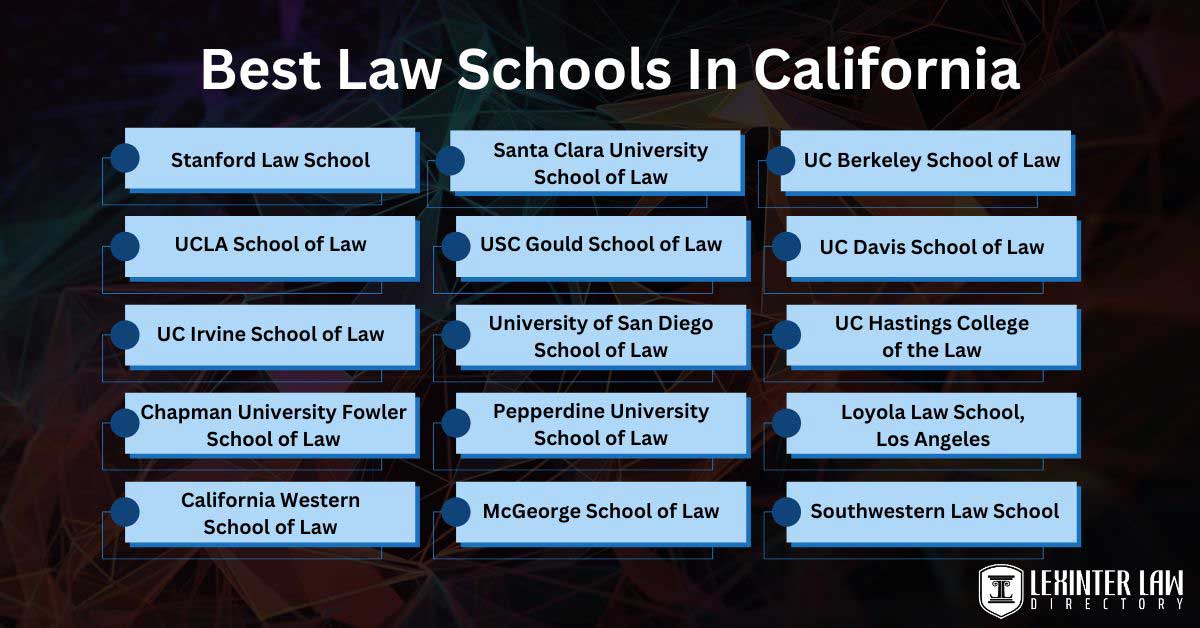
Law school in California, especially at top-tier institutions like Stanford Law School or UCLA School of Law, can be incredibly expensive, with tuition and living expenses easily exceeding $90,000 per year. Over three or four years, this represents a substantial financial outlay. Beyond direct costs, students often incur “opportunity costs” – the income they forgo by not working full-time during their studies.
The time commitment extends beyond classroom hours. It includes countless hours spent on reading, research, writing, and preparing for exams. For many, law school becomes their primary focus, shaping their social life, hobbies, and travel plans for the duration. However, the long-term career prospects and earning potential for lawyers in California, particularly in major legal markets like Silicon Valley or Downtown Los Angeles, often justify this significant upfront investment.
Embracing the California Lifestyle During Law School
Despite the rigorous demands, pursuing a legal education in California offers unique opportunities to blend demanding academics with a vibrant lifestyle. Students, particularly those in full-time programs, often find pockets of time to explore their surroundings. A weekend escape to Yosemite National Park or Lake Tahoe can provide a much-needed mental break. The proximity to world-class attractions like Disneyland Park in Anaheim, the iconic Golden Gate Bridge in San Francisco, or the serene vineyards of Napa Valley offers diverse options for recreation and cultural enrichment.
Accommodation choices reflect this desire for balance. While student housing is often functional, many students choose apartments or shared homes that offer a better quality of life and access to amenities, whether that’s a gym, a pool, or proximity to a local farmers’ market. For visitors, such as prospective students touring campuses or families attending graduation, California offers an array of hotels and resorts, from luxury experiences at the Four Seasons Hotel Los Angeles at Beverly Hills to budget-friendly options that cater to families. The tourism industry around these major university towns is well-equipped to support both short-term visits and longer stays. Exploring the local culture through food tours in Westwood, Berkeley, or Orange County can be a delightful way to de-stress.
Career Trajectories and Lifelong Learning
The “how long” question doesn’t entirely end with passing the bar. The legal profession demands continuous learning. Lawyers are typically required to complete ongoing Continuing Legal Education (CLE) credits throughout their careers to maintain their licenses and stay updated on legal developments. This means that the journey of learning and professional development is truly lifelong.
The duration spent in law school and preparing for the bar exam lays the foundation for diverse career trajectories, whether in private practice, public service, corporate law, or specialized fields. The skills honed over these rigorous years – critical thinking, analytical reasoning, and persuasive communication – are invaluable and transcend the immediate context of legal practice, opening doors to various leadership roles and entrepreneurial ventures.
In conclusion, the primary duration for law school in California is three years for full-time J.D. programs and four years for part-time programs, typically followed by an additional two to three months of intensive bar exam preparation. However, alternative paths, such as unaccredited schools, can also span four years and introduce additional examination requirements like the Baby Bar. Regardless of the chosen route, the journey to becoming a lawyer in California is a profound commitment of time, intellect, and resources. Yet, for those dedicated to the pursuit of justice and a challenging intellectual career, the unique blend of rigorous education and the unparalleled California lifestyle makes it a deeply rewarding endeavor.
LifeOutOfTheBox is a participant in the Amazon Services LLC Associates Program, an affiliate advertising program designed to provide a means for sites to earn advertising fees by advertising and linking to Amazon.com. Amazon, the Amazon logo, AmazonSupply, and the AmazonSupply logo are trademarks of Amazon.com, Inc. or its affiliates. As an Amazon Associate we earn affiliate commissions from qualifying purchases.