
Florida, often celebrated as the Sunshine State for its pristine beaches, vibrant cities, and world-class attractions, holds a multifaceted appeal for travelers and residents alike. From the magic of Orlando’s theme parks to the cultural richness of Miami, and the historical charm of St. Augustine, it’s a destination that consistently draws global attention. Yet, beyond the allure of its tourism and lifestyle offerings, a crucial aspect often considered by those contemplating a move or extended stay is the quality of its education system. For families planning a relocation, considering long-term accommodation, or simply evaluating the overall quality of life, understanding where Florida stands in education is paramount.
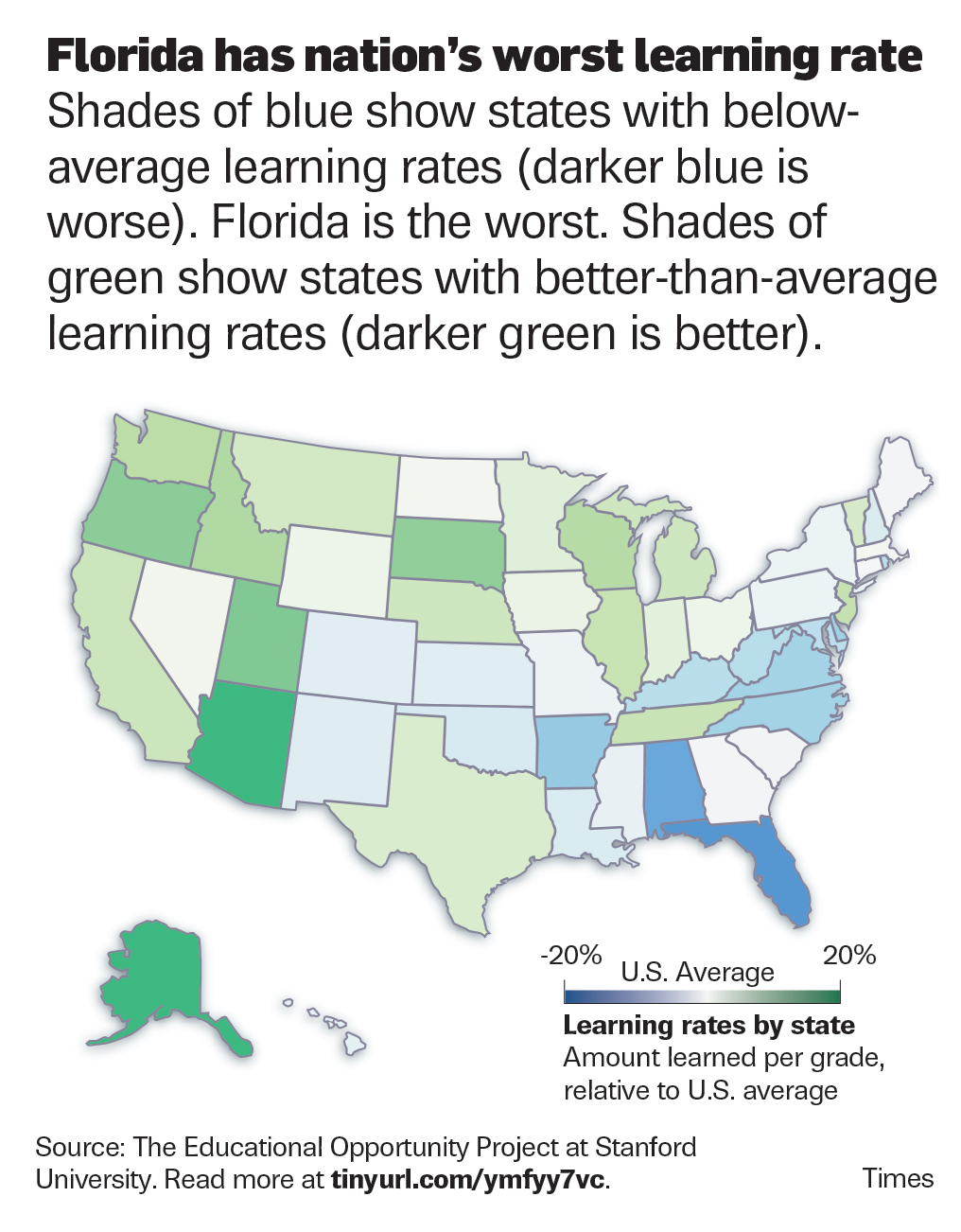
The state’s education system is a frequent topic of discussion, with rankings and reports painting varying pictures depending on the metrics employed. These assessments are not just abstract numbers; they directly influence decisions related to family trips, potential business stays, and even luxury travel, as high-quality local amenities, including schools, contribute significantly to a destination’s overall desirability. This article delves into the nuances of Florida’s educational landscape, examining its strengths, challenges, and the broader impact it has on the state’s vibrant lifestyle and thriving tourism economy.
The Sunshine State’s Educational Landscape: An Overview
Florida’s education system is a dynamic and often debated subject. When families consider destinations for travel or potential relocation, educational opportunities are increasingly factoring into their decisions. A state with a strong educational infrastructure, from early childhood to higher education, naturally enhances its appeal, not just for permanent residents but also for those seeking long-term stays or considering investments in properties like villas or apartments.
Deciphering the Rankings: What Do They Mean for Florida?
Rankings for state education systems are frequently cited but can vary widely based on the specific criteria and methodologies used by different organizations. One of the most prominent and widely referenced sources for educational rankings is U.S. News & World Report. This publication, along with others, typically assesses states based on a comprehensive set of indicators across two main categories: Pre-K-12 education and higher education.
For Pre-K-12, key metrics often include:
- Per-Pupil Spending: The average amount of money spent on each student.
- Student-Teacher Ratio: The number of students per teacher, indicating class sizes.
- High School Graduation Rates: The percentage of students who complete high school on time.
- Standardized Test Scores: Performance on state and national assessments in subjects like reading and math.
- Teacher Salaries: The average compensation for educators, which can impact teacher recruitment and retention.
- College Readiness: The percentage of high school graduates who are prepared for college-level coursework.
In the realm of higher education, factors such as the affordability and quality of public universities, graduation rates, and the accessibility of higher learning institutions are taken into account. Florida has made significant strides in specific areas, often ranking highly for its higher education system and certain aspects of its Pre-K-12 performance, such as early literacy and school choice programs. However, like any large and diverse state, it faces ongoing challenges that influence its overall standing.
Why Education Matters Beyond the Classroom for Travelers and Residents
The quality of a state’s education system has far-reaching implications that extend beyond the academic achievements of its students. For the purposes of travel, tourism, and lifestyle, a robust education system:
- Attracts Families: Families with children often prioritize good schools when choosing a place to live, visit for extended periods, or invest in holiday homes. This impacts demand for family-friendly hotels, resorts, and vacation rentals.
- Boosts Economic Growth: A well-educated workforce is crucial for attracting businesses, fostering innovation, and driving economic prosperity. This, in turn, can lead to more diverse job opportunities, higher incomes, and a stronger tax base, benefiting local communities and enhancing the overall appeal of cities like Tampa, Jacksonville, and Sarasota for long-term residents and business travelers.
- Enhances Quality of Life: Strong schools are often indicators of thriving communities with good infrastructure, safe neighborhoods, and engaged residents. This contributes to a higher quality of life, which is a key consideration for anyone exploring the state, whether for a short trip or a permanent move. For those considering luxury travel or seeking high-end accommodations, the presence of excellent schools can signal a desirable community with amenities that cater to a sophisticated lifestyle.
- Influences Real Estate Values: Proximity to top-rated schools significantly impacts property values, making these areas attractive for real estate investment and long-term accommodation choices.
Understanding these broader impacts helps contextualize Florida’s educational journey within the larger narrative of its appeal as a global destination and a desirable place to live.
Strengths and Strategic Investments in Florida’s Education
Despite facing the challenges that come with rapid population growth and diverse needs, Florida has consistently demonstrated a commitment to improving its education system through strategic investments and innovative programs. These initiatives not only aim to elevate academic outcomes but also enhance the state’s reputation as a family-friendly destination, suitable for everything from weekend getaways to permanent relocations.
Laying the Foundation: Early Childhood Education and Literacy
Florida has been a leader in recognizing the critical importance of early childhood education. Investing in a child’s foundational learning years has a profound impact on their future academic success and overall development.
- Voluntary Prekindergarten (VPK): The Voluntary Prekindergarten program is a cornerstone of Florida’s early education efforts. It provides free, high-quality educational programs to 4-year-olds regardless of family income, ensuring that children have a strong start before entering kindergarten. This program is a significant draw for families, making Florida an attractive option for those seeking destinations with strong support for early childhood development.
- Reading Scholarship Accounts: Recognizing the crucial role of literacy, Florida established the Reading Scholarship Accounts. This program provides financial assistance to public school students in grades K-5 who are struggling with reading, allowing parents to purchase instructional materials and services. Initiatives like these underscore the state’s dedication to ensuring all students achieve reading proficiency, a fundamental skill for academic and life success.
Empowering Parents and Students: Florida’s School Choice Programs
Florida has been at the forefront of the school choice movement, offering parents a variety of options to find the best educational environment for their children. These programs are often viewed as a lifestyle amenity, giving families greater flexibility and peace of mind.
- Family Empowerment Scholarship: The Family Empowerment Scholarship provides financial aid to eligible students, allowing them to attend private schools or to customize their education through personalized learning accounts. This expands access to quality education for thousands of families, including those seeking specific academic environments or religious instruction.
- Gardiner Scholarship (now Florida Empowerment Scholarship for Students with Unique Abilities): Renamed as part of the broader Florida Empowerment Scholarship program, the Gardiner Scholarship was specifically designed to assist students with unique abilities. It offers flexible spending accounts that parents can use for various educational services, therapies, and tuition costs. These specialized programs highlight Florida’s commitment to inclusive education and supporting diverse student needs, further enhancing its appeal for families seeking tailored educational solutions.
Pathways to Future Success: STEM, Vocational Training, and Dual Enrollment
Beyond traditional academics, Florida is actively preparing its students for the demands of a modern workforce through specialized pathways.
- Focus on STEM: The state places a strong emphasis on STEM (Science, Technology, Engineering, and Mathematics) education. This focus is critical for developing a skilled workforce that can support Florida’s growing technology and innovation sectors. For businesses considering relocation or expansion, the availability of a workforce trained in STEM fields is a major incentive.
- Vocational and Technical Training: Florida recognizes the value of vocational and technical education in providing students with practical skills for in-demand careers. Programs in fields such as healthcare, automotive technology, culinary arts, and construction offer alternative pathways to success, ensuring a diverse and adaptable workforce.
- Dual Enrollment: Many Florida high schools offer dual enrollment programs, allowing students to earn college credits while still in high school. This not only provides a head start on higher education but also reduces the financial burden, making higher education more accessible and accelerating career readiness.
Higher Education Excellence: A Network of Renowned Institutions
Florida boasts a robust system of public and private universities that consistently rank among the nation’s best. These institutions are not only centers of academic excellence but also significant contributors to local economies and cultural life, attracting students and scholars from around the globe, influencing travel to university towns.
- University of Florida: Consistently ranked as one of the top public universities in the country, the University of Florida in Gainesville is a research powerhouse, offering a wide array of undergraduate and graduate programs. Its reputation attracts top talent and contributes to a vibrant academic community.
- Florida State University: Located in Tallahassee, Florida State University is another premier institution known for its strong programs in arts, humanities, and sciences, alongside its competitive athletics.
- University of Central Florida: Situated in Orlando, the University of Central Florida is one of the largest universities by enrollment in the U.S., known for its innovation, research, and strong ties to the region’s aerospace and technology industries.
These universities, along with others like the University of South Florida in Tampa and Florida International University in Miami, form a strong foundation for advanced learning and research, producing skilled graduates who contribute to Florida’s economy and enrich its communities.
Navigating the Challenges: Addressing Growth and Diversity
While Florida has made commendable progress in many areas of education, the state also grapples with significant challenges inherent to its dynamic nature. Its rapid population growth, diverse demographics, and evolving political landscape all contribute to a complex environment for its educational system. These challenges often become talking points for families considering long-term stays or even permanent residency, influencing their perception of the overall lifestyle.
Funding Disparities and Resource Allocation
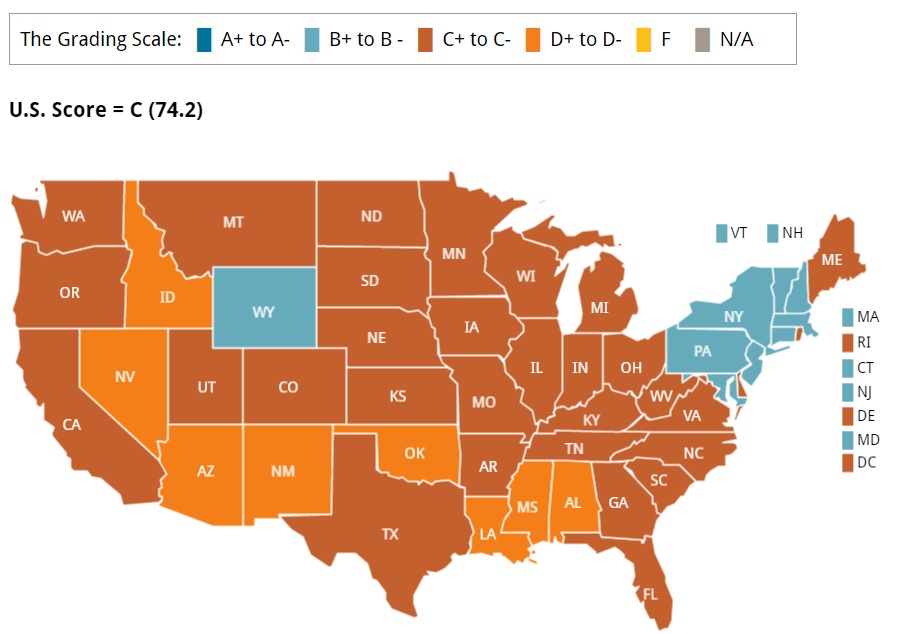
One of the persistent challenges for Florida’s education system is ensuring adequate and equitable funding across all districts. With a growing population, the demand for resources – from new school construction to instructional materials – constantly increases.
- Impact of Growth: Rapid urbanization in areas like Naples and Fort Lauderdale places immense pressure on existing infrastructure. Building new schools and expanding current facilities to accommodate an influx of students requires substantial investment, which can sometimes outpace available funding.
- Funding Models: Debates often arise regarding the fairness and effectiveness of current funding models, especially in ensuring that smaller or less affluent districts receive the resources needed to compete with larger, wealthier counterparts. Ensuring equitable access to quality education for all students, regardless of their ZIP code, remains a critical objective.
Teacher Workforce: Recruitment, Retention, and Compensation
The backbone of any strong education system is its teachers. Florida, like many states, faces ongoing challenges in recruiting and retaining highly qualified educators.
- Teacher Shortages: Certain subject areas, such as special education, science, and mathematics, frequently experience shortages. This can lead to larger class sizes or the hiring of less experienced teachers, impacting the quality of instruction.
- Compensation: Teacher salaries are a perennial topic of discussion. While efforts have been made to increase teacher pay, competitive compensation remains crucial for attracting and retaining top talent in a state with a relatively high cost of living in many desirable areas.
- Burnout and Support: The demanding nature of teaching, coupled with increased responsibilities and often limited resources, can lead to teacher burnout. Providing adequate support, professional development opportunities, and a positive working environment are essential for a stable and effective teaching force.
Addressing Diverse Student Needs
Florida is a melting pot of cultures and backgrounds, resulting in a student population with highly diverse needs.
- English Language Learners (ELL): A significant portion of Florida’s student body consists of English Language Learners. Providing effective programs and resources to help these students achieve academic proficiency while learning a new language is a complex and resource-intensive endeavor.
- Students with Unique Abilities: Ensuring that students with unique abilities receive individualized support and access to appropriate educational settings is paramount. While programs like the Family Empowerment Scholarship cater to this, the sheer scale of the need requires continuous innovation and investment in specialized resources and trained personnel.
- Socioeconomic Disparities: Students from lower-income backgrounds often face additional challenges, including lack of access to technology, nutritious food, and stable home environments, all of which can impact their academic performance. Schools often serve as critical support systems for these students and their families.
Political Influence and Curriculum Debates
Education is inherently tied to policy and politics, and Florida has seen its share of debates regarding curriculum content, instructional methods, and school governance.
- Curriculum Standards: Discussions around history, civics, and other subjects can become highly politicized, influencing what is taught in classrooms and how it is presented.
- Parental Rights and Involvement: The role of parents in educational decisions has been a prominent theme, leading to policies aimed at increasing parental oversight and involvement in school affairs.
- Accountability Measures: The state frequently reviews and adjusts its accountability measures for schools and districts, aiming to ensure transparency and drive improvement, though these measures can sometimes be controversial among educators.
Navigating these challenges requires ongoing dialogue, thoughtful policy-making, and a sustained commitment to supporting all stakeholders in the education system. How Florida addresses these issues will significantly shape its future educational landscape and, by extension, its overall attractiveness as a place to live, work, and explore.
Education’s Ripple Effect: Impact on Florida’s Lifestyle and Tourism
The quality of Florida’s education system has a profound and often underestimated impact on the state’s broader appeal, extending far beyond the classroom walls. For a state renowned for its travel, tourism, and diverse lifestyle offerings, a robust educational foundation is crucial for sustainable growth and long-term prosperity. This connection is vital for visitors and residents, whether they are planning a vacation, considering a business stay, or evaluating Florida as a place for permanent relocation and investment in accommodation.
Attracting Families and Talent: Education as a Relocation Driver
When families decide where to establish roots, the quality of local schools often tops their list of priorities. Florida’s efforts in education directly contribute to its ability to attract and retain a skilled workforce and vibrant communities.
- Relocation Decisions: For professionals and their families, a move to Florida isn’t just about job opportunities or the sunny climate; it’s also about finding excellent schools for their children. Cities like Tallahassee, with its leading universities, or suburban areas surrounding Boca Raton and Coral Gables that are known for strong public and private schools, become highly desirable destinations. This influx of talent strengthens local economies and enriches cultural landscapes.
- Skilled Workforce: A strong education system ensures a pipeline of well-educated graduates, from Pre-K-12 through higher education, who are prepared to enter the workforce. This human capital is indispensable for attracting new businesses, fostering innovation, and maintaining Florida’s competitive edge in sectors like technology, aerospace, healthcare, and tourism. Businesses are more likely to invest in areas where they can find a talented and adaptable workforce.
The Tourism Connection: Educational Value for Family Travel and Long-Term Stays
While direct academic pursuits might not be the primary reason for a typical tourist’s visit, the underlying strength of the education system subtly influences tourism in several ways.
- Family-Friendly Destinations: Destinations known for good schools often correlate with family-friendly communities that offer safe environments, recreational activities, and cultural attractions suitable for children. This enhances the appeal of vacation rentals, family resorts, and long-term accommodation options for families seeking more than just theme parks.
- Educational Tourism: University towns, like Gainesville (home to the University of Florida) or Tallahassee (Florida State University), attract visitors for university visits, sporting events, and academic conferences. These specialized forms of tourism benefit local hotels, restaurants, and businesses.
- Extended Stays and Snowbirds: Retirees and “snowbirds” considering extended stays in Florida often appreciate communities with strong social infrastructure, which includes access to good schools for their grandchildren who might visit, or the presence of a well-educated local workforce supporting local services.
Real Estate and Community Development: Schools as Cornerstones
The quality of local schools is a major determinant of real estate values and influences urban and suburban development patterns across Florida.
- Property Values: Homes in districts with highly-rated schools consistently command higher prices and retain their value better, even during market fluctuations. This makes investing in real estate in these areas a sound decision, especially for those considering apartments, villas, or long-term rental properties.
- Community Planning: Developers and city planners often prioritize the establishment of quality schools when designing new communities. Schools serve as anchors for neighborhoods, fostering a sense of community and attracting families, which in turn drives demand for housing and local services.
- Lifestyle Amenities: For those exploring luxury travel or seeking high-end residences, access to premier educational institutions is considered a vital amenity, much like exclusive golf courses, marinas, or cultural centers. It signifies a desirable and affluent lifestyle.
In essence, Florida’s commitment to education is an investment in its future, strengthening its economy, enriching its communities, and solidifying its position as a top-tier destination for both temporary visitors and permanent residents. The continuous efforts to improve educational outcomes contribute significantly to the overall quality of life, making the Sunshine State an even more attractive place to live, learn, and explore.
Florida’s Educational Future: A Vision for Continuous Improvement
Florida’s journey in education is one of continuous evolution, marked by both notable achievements and ongoing aspirations. As a state that experiences rapid growth and demographic shifts, its educational system must remain agile, innovative, and deeply committed to fostering academic excellence for all. The vision for Florida’s educational future is intrinsically linked to its broader appeal as a global destination, a hub for diverse lifestyles, and a thriving economic engine.
Commitment to Innovation and Investment
The future of education in Florida hinges on a sustained commitment to innovation and strategic investment. This includes:
- Embracing Technology: Leveraging educational technology to enhance learning experiences, facilitate remote learning opportunities, and provide teachers with advanced tools for instruction and assessment. This aligns with modern lifestyle trends and ensures students are prepared for a technology-driven world.
- Workforce Development: Continued focus on aligning educational pathways with the needs of Florida’s growing industries, particularly in STEM fields, healthcare, and specialized trades. This ensures a skilled workforce that supports the state’s economic vitality and attracts new businesses.
- Teacher Empowerment: Investing in comprehensive professional development, mentorship programs, and competitive compensation packages to attract and retain the best educators. A strong and supported teaching force is the cornerstone of any high-performing school system.
Balancing Growth with Quality
One of Florida’s most significant challenges and opportunities lies in balancing its explosive population growth with the imperative to maintain and enhance educational quality. As new residents arrive, particularly in popular destinations and burgeoning cities like Orlando, Miami, and Tampa, the demand for educational resources expands exponentially.
- Infrastructure Expansion: Proactive planning and investment in new school construction, facility upgrades, and technological infrastructure will be crucial to accommodate student enrollment increases without compromising class sizes or access to resources.
- Adaptive Learning Models: Exploring flexible and adaptive learning models to address diverse student populations and learning styles, ensuring that every child receives an education tailored to their needs.
- Community Engagement: Fostering strong partnerships between schools, families, and local communities to create a supportive ecosystem for learning and development. This includes leveraging community resources for extracurricular activities, mentorship, and parent involvement.
Conclusion: A Holistic View of Florida’s Educational Journey
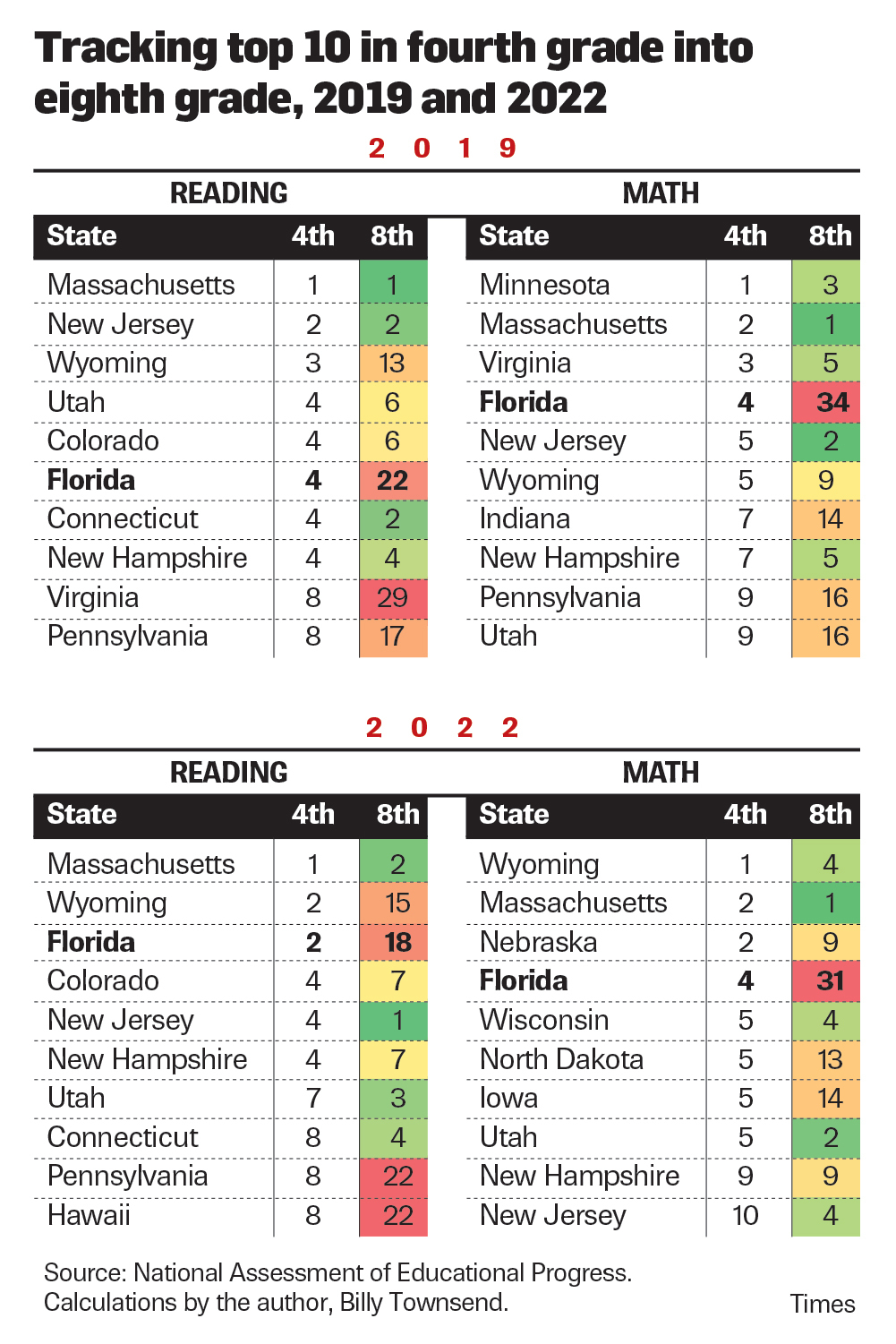
In conclusion, “Where Does Florida Rank In Education?” is a question with a nuanced answer. While rankings offer a snapshot, they don’t capture the full picture of a system that is constantly evolving. Florida demonstrates significant strengths in areas like school choice, early literacy, and higher education, providing excellent opportunities for many students. Simultaneously, it faces the complex challenges of funding, teacher recruitment, and catering to a rapidly growing and diverse population.
For individuals and families considering Florida for travel, long-term accommodation, or permanent residency, understanding the educational landscape is a vital component of assessing the overall lifestyle and quality of life. A state committed to educational excellence provides a stronger foundation for its economy, fosters vibrant communities, and ultimately enhances its appeal as a premier destination. As Florida continues to invest in innovation and address its challenges, its educational system will undoubtedly play a pivotal role in shaping its future, making it an even more attractive place to live, learn, and thrive.
LifeOutOfTheBox is a participant in the Amazon Services LLC Associates Program, an affiliate advertising program designed to provide a means for sites to earn advertising fees by advertising and linking to Amazon.com. Amazon, the Amazon logo, AmazonSupply, and the AmazonSupply logo are trademarks of Amazon.com, Inc. or its affiliates. As an Amazon Associate we earn affiliate commissions from qualifying purchases.