
Embarking on a journey to the Sunshine State of Florida promises an unforgettable experience, whether you’re seeking the thrill of world-class theme parks, the tranquility of pristine beaches, or the vibrant pulse of its bustling cities. From the magical enchantment of Orlando to the sophisticated allure of Miami and the historic charm of St. Augustine, every corner of this diverse destination beckons with unique attractions and experiences. However, before you dive headfirst into planning your ideal itinerary, there’s a fundamental aspect every traveler should understand: the time zones that govern daily life across the state.
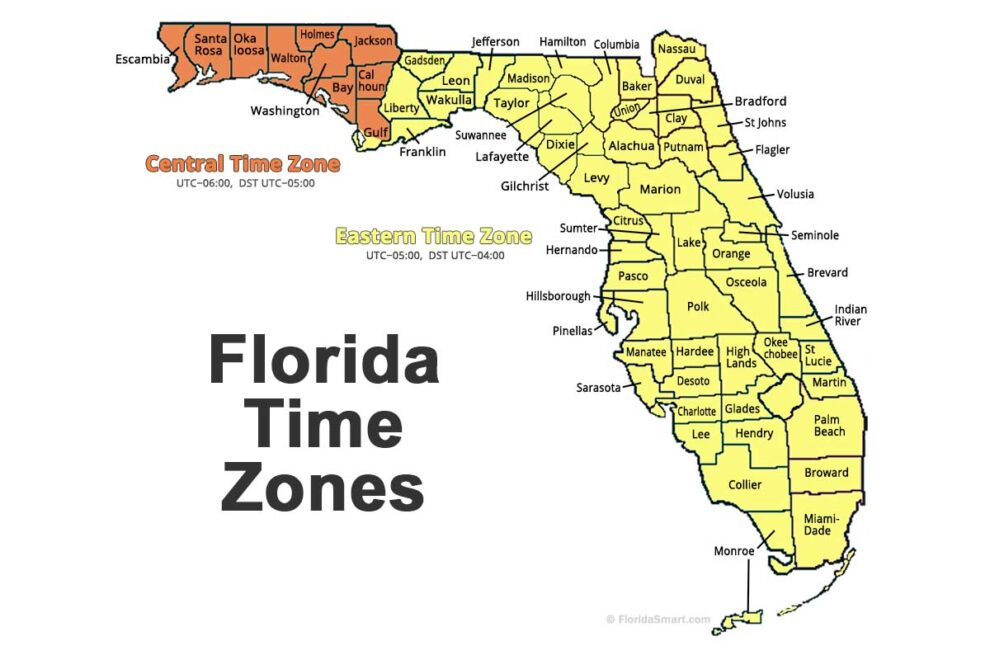
The seemingly simple question, “What time is it in Florida?” unpacks a crucial layer of trip planning, impacting everything from flight schedules and hotel check-ins to theme park operating hours and dining reservations. Navigating the nuances of Florida’s timekeeping is not merely about setting your watch; it’s about optimizing your travel, ensuring seamless transitions, and ultimately making the most of every precious moment in this captivating destination. This comprehensive guide delves into Florida’s time zones, offering essential insights and practical tips for a perfectly timed and executed Florida adventure. Understanding these temporal details is key to unlocking the full potential of your travel plans, allowing you to focus on the joy of exploration rather than logistical confusion.
Understanding Florida’s Time Zones: A Crucial First Step for Travelers
At first glance, understanding time zones might seem like a minor detail, but for a state as expansive and geographically diverse as Florida, it becomes a critical component of successful travel planning. Florida spans two distinct time zones, a fact that surprises many first-time visitors. A clear grasp of where these zones begin and end, coupled with an awareness of Daylight Saving Time practices, is fundamental for any itinerary.
The Eastern Time Zone: Florida’s Primary Timekeeper
The vast majority of Florida, including its most popular tourist hubs and major metropolitan areas, observes the Eastern Time Zone (ET). This encompasses iconic cities such as Orlando, home to Walt Disney World Resort and Universal Orlando Resort; the vibrant metropolis of Miami, with its famous South Beach and Art Deco Historic District; the bustling port city of Tampa, known for Busch Gardens Tampa Bay; the historic streets of St. Augustine, featuring the ancient Castillo de San Marcos; and the state capital, Tallahassee. Furthermore, the tropical paradise of Key West and the space exploration hub near Kennedy Space Center Visitor Complex also fall within the Eastern Time Zone. If your trip primarily focuses on these regions, you’ll be operating on Eastern Time. This is particularly convenient for visitors arriving from other areas of the Eastern Seaboard of the United States or parts of Canada, as they may experience no time difference at all.
The Central Time Zone: A Panhandle Distinction
A notable exception to the general Eastern Time rule applies to the western reaches of the Florida Panhandle. This includes popular coastal destinations like Pensacola, Destin, and Panama City Beach. These areas observe the Central Time Zone (CT), placing them one hour behind the rest of Florida. The dividing line between the two time zones roughly follows the Apalachicola River, although it is officially delineated by a series of county lines. Specifically, the counties of Bay, Calhoun, Escambia, Holmes, Jackson, Okaloosa, Santa Rosa, Walton, and Washington are in Central Time, along with portions of Gulf and Franklin counties. This distinction is particularly important for those planning to traverse the state, especially if your journey involves driving from a major city like Jacksonville or Orlando to a Panhandle beach destination. A one-hour shift, whether gaining or losing, can affect flight connections, hotel bookings, and scheduled activities. This area shares its time zone with neighboring states like Alabama, which makes regional travel across state lines more consistent, but can be confusing when traveling within Florida itself.
Daylight Saving Time in Florida: What You Need to Know
Like most of the United States, Florida observes Daylight Saving Time (DST). This means that clocks are moved forward by one hour in the spring (typically the second Sunday in March) and moved back one hour in the fall (the first Sunday in November). During the DST period, the Eastern Time Zone becomes Eastern Daylight Time (EDT), and the Central Time Zone becomes Central Daylight Time (CDT). For travelers, this primarily impacts planning for visits during the spring and fall transitions. Always double-check the exact date of the time change if your trip falls within these periods, as it could affect arrival times for flights, hotel check-in availability, or scheduled tours. While there have been discussions and legislative efforts in Florida to make Daylight Saving Time permanent, for now, the seasonal changes remain in effect. This shift effectively gives more daylight in the evenings during the warmer months, which is excellent for extending theme park visits or enjoying more time on the beach.
Planning Your Florida Adventure: Time Zones and Travel Logistics
Successfully navigating your Florida vacation extends beyond merely knowing the time zones; it’s about strategically integrating this knowledge into every aspect of your travel logistics. From the moment you book your flights to the minute you check into your hotel and plan your daily excursions, understanding the clock is paramount for a smooth and stress-free experience.
Flights, Check-Ins, and Reservations: Syncing Your Schedule
The first point of contact with Florida’s time zones often comes with booking flights and making accommodation arrangements. When flying into a Florida airport, always confirm the arrival time in local time, especially if you are crossing time zones from your origin. A flight departing at 9 AM from the Central Time Zone and arriving in Orlando (Eastern Time) at 10 AM, for instance, is actually a two-hour flight, not one. This distinction is vital for arranging airport transfers, coordinating with travel companions, and scheduling subsequent activities.
Similarly, hotel check-in and check-out times are strictly adhered to local time. If you’re arriving early from a different time zone, it might be worth inquiring about early check-in options or luggage storage to avoid waiting around. When booking dining reservations, tour slots, or spa treatments, explicitly confirm the local time to prevent missed appointments. This is particularly crucial when venturing between the Eastern and Central Time Zones within Florida, such as driving from Jacksonville to Pensacola. A one-hour difference can easily lead to a missed reservation or a frantic rush. Modern smartphones and smartwatches typically adjust automatically, but it’s always wise to manually confirm your device’s time setting, especially after crossing time zone boundaries.
Maximizing Theme Park and Attraction Hours
Florida’s world-famous theme parks, including Walt Disney World Resort and Universal Orlando Resort, operate on precise schedules, and understanding their hours in local time is crucial for making the most of your visit. Many travelers aim to arrive at the parks well before opening (rope drop) to maximize their time on popular attractions. Knowing the exact local time ensures you’re not an hour late or early due to time zone miscalculation. Similarly, closing times dictate the end of your day, and strategic planning can help you catch a final show or ride.
For other attractions like Everglades National Park, Kennedy Space Center Visitor Complex, or St. Augustine’s historic sites, operating hours can vary seasonally. Always check their official websites for the most up-to-date information, expressed in their local time. For instance, an airboat tour in the Everglades or a launch viewing at the Space Center requires punctuality, which relies entirely on accurate timekeeping. This extends to other recreational activities as well, from deep-sea fishing charters departing from Miami to sunset cruises in Key West. Every scheduled event is bound by the local clock.
Navigating Communication Across Time Zones
Whether you’re coordinating with family members traveling separately, checking in with work, or staying connected with friends back home, time zone differences can complicate communication. If you’re in Florida (Eastern Time) and trying to call someone in California (Pacific Time), there’s a three-hour difference. Calling family in Europe or Asia introduces even larger shifts, potentially turning a quick chat into an early morning or late-night intrusion.
Before making important calls or scheduling video conferences, quickly check the time difference. Most communication apps and devices have built-in world clock features that can simplify this. For business travelers, being mindful of your home office’s time zone is crucial for participating in meetings or hitting deadlines while on the road. Effective communication planning ensures that your travels in Florida don’t inadvertently disrupt your connections outside the state.

Beyond the Clock: Experiencing Florida’s Diverse Offerings
While understanding time zones is a practical necessity, the true joy of Florida lies in how you choose to spend those hours. The state’s rich tapestry of destinations, accommodations, and cultural experiences offers something for every type of traveler. By mastering the clock, you empower yourself to fully immerse in the local tourism and lifestyle.
Iconic Destinations and Their Operating Rhythms
Florida’s landmarks and attractions each have their own operating rhythms, often influenced by the season, local events, and the general pace of life in their respective regions.
- Orlando’s Theme Parks: Walt Disney World Resort, Universal Orlando Resort, and SeaWorld Orlando typically open early and close late, especially during peak seasons. Knowing the exact Eastern Time allows for strategic planning, whether you’re aiming for early morning rides or late-night fireworks. Seasonal events like Mardi Gras at Universal Studios Florida or Halloween Horror Nights can extend these hours even further, offering unique experiences after dark.
- Miami’s Vibrant Scene: Miami’s nightlife often doesn’t kick off until well after 9 PM Eastern Time, with clubs and bars in areas like South Beach and Wynwood staying open until the early hours of the morning. Dining experiences can also run late, offering a distinctly Latin-influenced schedule.
- Key West’s Laid-Back Charm: While still on Eastern Time, Key West embodies a more relaxed pace. Sunset celebrations at Mallory Square are a nightly tradition, and the local businesses often adapt their hours to suit this leisurely lifestyle.
- Florida Panhandle Beaches: In the Central Time Zone, beach towns like Destin and Panama City Beach offer beautiful sunsets that occur later by the clock compared to Eastern Florida due to the westward location within the time zone. This means more daylight for beach activities, making the most of your time even if it means adjusting your internal clock.
Accommodation Choices: Time-Saving Tips and Comfort
Your choice of accommodation can significantly enhance your ability to manage your time effectively in Florida. Staying at a resort with early check-in or late check-out options, especially when dealing with time zone shifts, can be invaluable. Many hotels, particularly those catering to tourism, like the Ritz-Carlton, Four Seasons, or Hyatt Regency properties, are adept at handling guests arriving from different time zones and can often provide flexibility.
For family trips, selecting a resort near your primary attractions can drastically cut down on travel time, allowing for more time at the parks or relaxing by the pool. For luxury travel, properties like The Breakers Palm Beach or Loews Portofino Bay Hotel offer amenities and services designed to minimize stress and maximize enjoyment, including concierge services that can manage all your time-sensitive bookings. Whether you opt for a full-service hotel, a spacious apartment, or a private villa, consider its proximity to attractions and its flexibility with check-in/out times to optimize your schedule.
Culinary Delights and Nightlife: When to Indulge
Florida’s diverse food scene and vibrant nightlife also adhere to local time. From early bird specials in retirement communities to late-night eateries in Miami, knowing the local clock helps you plan your culinary adventures.
- Dining: Major tourist areas like Orlando and Miami offer a wide range of dining hours, with many restaurants opening early for breakfast and staying open late for dinner. In areas like Epcot, the Epcot International Food & Wine Festival runs from mid-day to park closing, requiring timed planning for reservations.
- Nightlife: Florida’s nightlife truly comes alive after dark, particularly in cities like Miami (South Beach, Coconut Grove), Tampa (Ybor City), and Orlando (CityWalk). Understanding the local time is crucial for making the most of these experiences, whether it’s catching a live music show in Little Havana or dancing the night away at a club.
Making Every Moment Count: Lifestyle Tips for Florida Visitors
Ultimately, understanding “What time is it in Florida?” is about more than just setting your watch; it’s about adopting a mindset that allows you to fully embrace the Florida lifestyle and make every moment count. Strategic planning, combined with an awareness of your own body clock, can turn a good trip into a truly exceptional one.
Beating the Crowds and Embracing the Pace
One of the most valuable insights time zone awareness offers is the ability to strategically plan your activities to avoid peak crowds. For instance, arriving at theme parks right at opening (which means waking up early for Eastern Time Zone activities) can give you a significant head start before the mid-morning rush. Similarly, planning popular museum visits or shopping excursions during off-peak hours can enhance your experience. Conversely, if you’re traveling from a time zone that’s ahead of Florida’s (e.g., from Europe, Asia, or Africa), you might find yourself naturally waking up early, giving you a distinct advantage for early starts. Embrace the local pace, whether it’s the energetic rush of Miami or the laid-back rhythm of Key West, and let it guide your timing.
Jet Lag Strategies for a Seamless Transition
For international travelers or those coming from distant time zones within North America, jet lag can be a real concern. Arriving in Florida’s Eastern Time Zone from Europe or Latin America often means adjusting to several hours behind.
Here are some tips:
- Adjust Gradually: Try to shift your sleep schedule a day or two before departure.
- Hydrate: Drink plenty of water before, during, and after your flight.
- Minimal Caffeine/Alcohol: These can worsen jet lag.
- Embrace Daylight: Seek natural light upon arrival to help reset your internal clock.
- Stay Active: Gentle exercise can help combat fatigue.
- Strategic Napping: Keep naps short (20-30 minutes) if absolutely necessary.
These strategies, combined with an awareness of local time, will help you quickly acclimate and enjoy your trip without feeling constantly tired.

Long-Term Stays and Adapting to Florida Life
For those considering long-term stays, relocation, or business stays in Florida, understanding the time zones becomes part of daily life. Commuting between the Panhandle and the rest of the state for work or leisure will require consistent time awareness. Living in Florida also means adapting to its seasonal changes, which can impact local event schedules, crowd levels, and even typical business hours. Embracing the pace of life, whether it’s the year-round warmth, the vibrant tourism industry, or the laid-back coastal lifestyle, is part of truly experiencing the Sunshine State.
In conclusion, knowing “What time is it in Florida?” is far more than a simple query; it’s the gateway to a well-planned, enjoyable, and ultimately unforgettable travel experience. By understanding the state’s time zones, integrating them into your logistics, and using them to your advantage, you’re not just saving minutes; you’re unlocking the full potential of your Florida adventure. So, set your watch, plan smart, and get ready to soak up every glorious moment the Sunshine State has to offer.
LifeOutOfTheBox is a participant in the Amazon Services LLC Associates Program, an affiliate advertising program designed to provide a means for sites to earn advertising fees by advertising and linking to Amazon.com. Amazon, the Amazon logo, AmazonSupply, and the AmazonSupply logo are trademarks of Amazon.com, Inc. or its affiliates. As an Amazon Associate we earn affiliate commissions from qualifying purchases.