
Welcoming a new child into the family is a transformative life event, bringing immense joy alongside new responsibilities. For new parents in California, understanding the provisions for paternity leave is crucial for balancing professional commitments with the desire to be present during these formative early weeks. California stands out with some of the nation’s most comprehensive family leave policies, designed to support working individuals as they embark on this profound lifestyle change. Navigating these benefits requires a clear understanding of the laws, eligibility, and application processes, all of which contribute significantly to a family’s well-being and stability during this precious time.
The Foundation of Family Leave in California
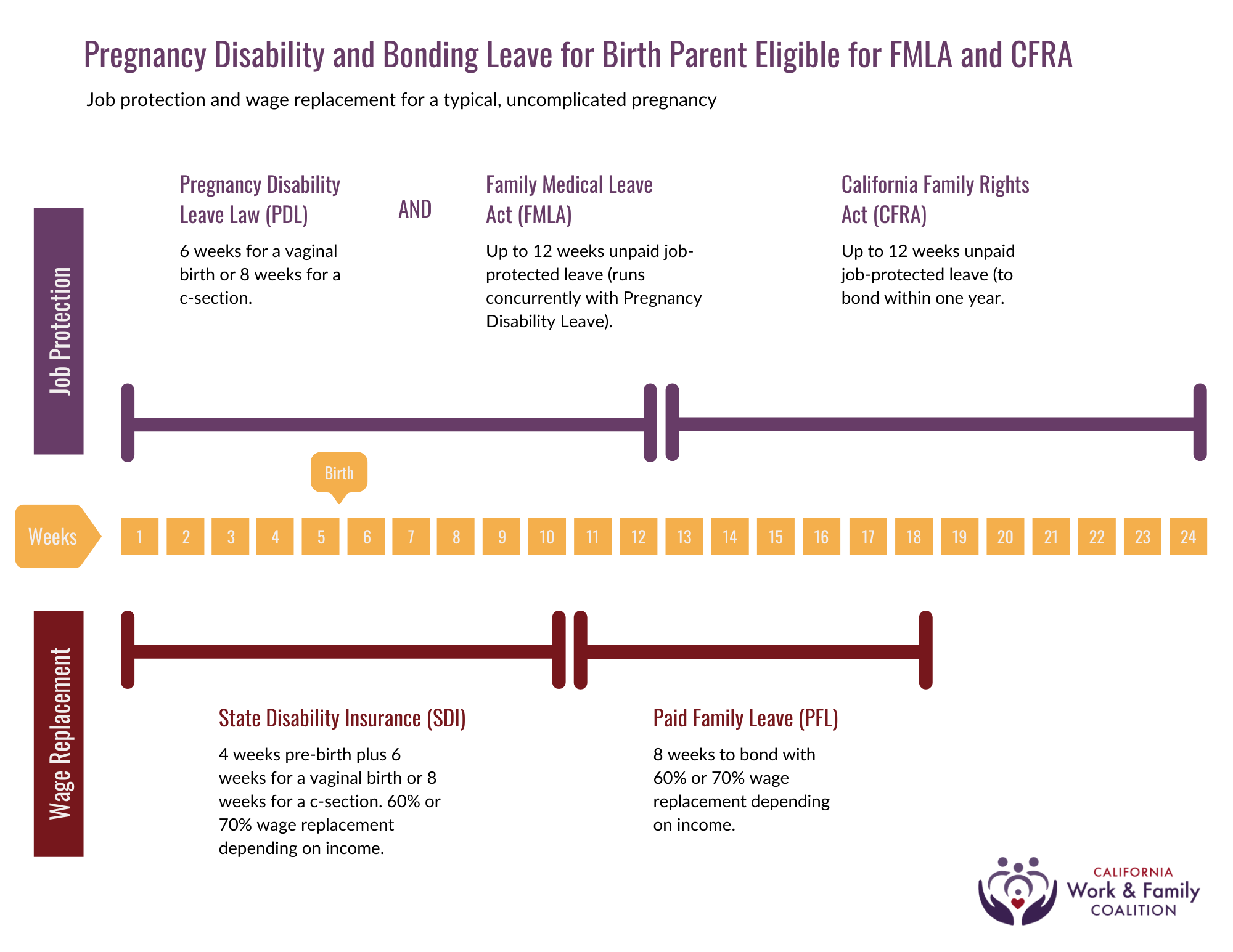
California’s robust framework for family leave is built upon a combination of federal and state laws, providing layers of protection and financial assistance to new parents. This multi-tiered approach ensures that most working individuals have access to time off to bond with a new child, manage family health issues, or care for a seriously ill family member. For paternity leave specifically, the focus is predominantly on bonding time, allowing parents to establish a strong connection with their newborn, adopted child, or foster child.
Understanding FMLA and CFRA
At the federal level, the Family and Medical Leave Act (FMLA) provides eligible employees with up to 12 weeks of unpaid, job-protected leave per year for specific family and medical reasons, including the birth or placement of a child for adoption or foster care. To be eligible for FMLA, an employee must work for a covered employer (50 or more employees within 75 miles), have worked for the employer for at least 12 months, and have completed at least 1,250 hours of service during the 12 months prior to the leave. While FMLA ensures job protection, it does not mandate paid leave.
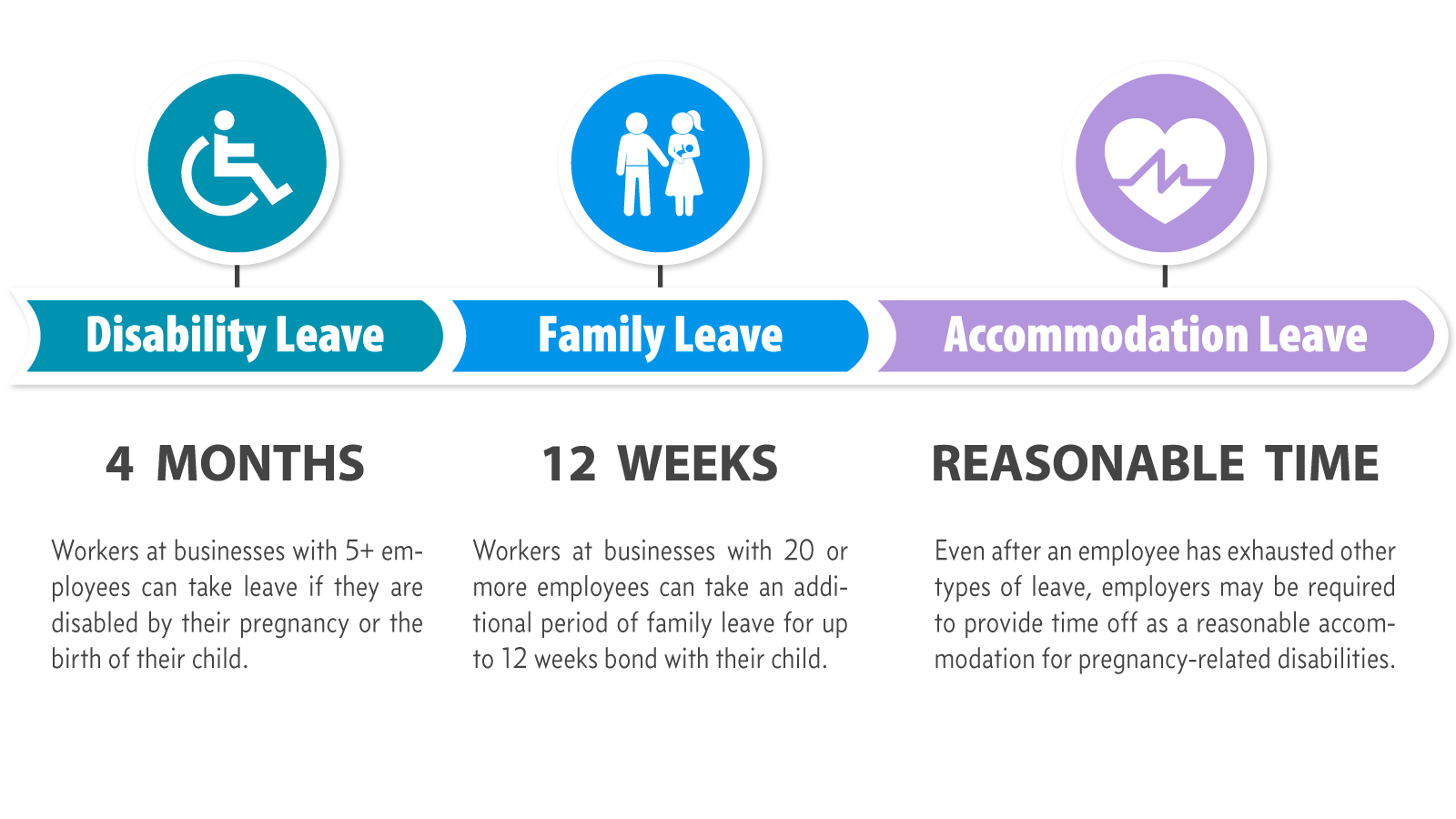
California significantly expands upon FMLA through its own California Family Rights Act (CFRA). CFRA is broader than FMLA in several key ways, particularly regarding employer size and the definition of family members. CFRA applies to employers with five or more employees, lowering the threshold significantly. Like FMLA, CFRA also provides up to 12 weeks of unpaid, job-protected leave for bonding with a new child. Crucially, CFRA leave runs concurrently with FMLA leave when both apply, but there are instances where an employee might be eligible for separate leave periods under each law, effectively extending total leave time in some complex scenarios. The key takeaway for new parents is that both laws safeguard their job while they are away.
Paid Family Leave (PFL) Explained
While FMLA and CFRA provide job protection, California’s Paid Family Leave (PFL) program offers wage replacement benefits for eligible individuals. PFL is a state-administered insurance program that provides up to eight weeks of partial wage replacement to employees who need to take time off work to bond with a new child (through birth, adoption, or foster care placement), care for a seriously ill family member, or participate in a qualifying event related to a family member’s military deployment. It’s important to note that PFL only provides monetary benefits; it does not offer job protection. However, when combined with CFRA (which does offer job protection), new parents can achieve both job security and partial income during their leave. This comprehensive approach is a cornerstone of California’s family-friendly lifestyle policies.
Eligibility Requirements for California Paternity Leave
Accessing paternity leave benefits in California hinges on meeting specific eligibility criteria. These requirements ensure that the benefits are directed to those who have contributed to the state’s workforce and are experiencing a qualifying life event. Understanding these parameters is the first step for any new parent planning their leave.
Employment Status and Contribution History
To qualify for PFL benefits, individuals must have earned at least $300 in wages during their base period (a 12-month period looking back approximately 5 to 18 months before the claim is filed) where State Disability Insurance (SDI) deductions were withheld from their paychecks. Most employees working for employers in California have these deductions automatically taken. Independent contractors or self-employed individuals may be eligible if they have voluntarily opted into the SDI Elective Coverage program.
For job protection under CFRA, an employee must have worked for an employer with five or more employees, worked more than 12 months for that employer, and worked at least 1,250 hours in the 12 months immediately preceding the start of the leave. These two sets of criteria (PFL for pay, CFRA for job protection) are often discussed together because most new parents desire both income and job security during their leave.
Qualifying Life Events
Paternity leave under PFL is specifically for bonding with a new child. This includes:
- Birth of a child: This applies to biological fathers and non-birthing parents.
- Adoption of a child: When a child is placed with the individual for adoption.
- Foster care placement of a child: When a child is placed with the individual for foster care.
The leave must be taken to bond with the new child within one year of the child’s birth or placement. This flexibility allows families to plan their bonding time strategically, perhaps taking a shorter period immediately after the event and then additional weeks later in the year, depending on their unique lifestyle and childcare arrangements.
Duration and Benefits of Paternity Leave
The duration and financial benefits associated with paternity leave in California are significant, offering substantial support to new parents. Understanding these aspects is key to financial planning and ensuring a smooth transition into new parenthood.
How Many Weeks Can Fathers Take?
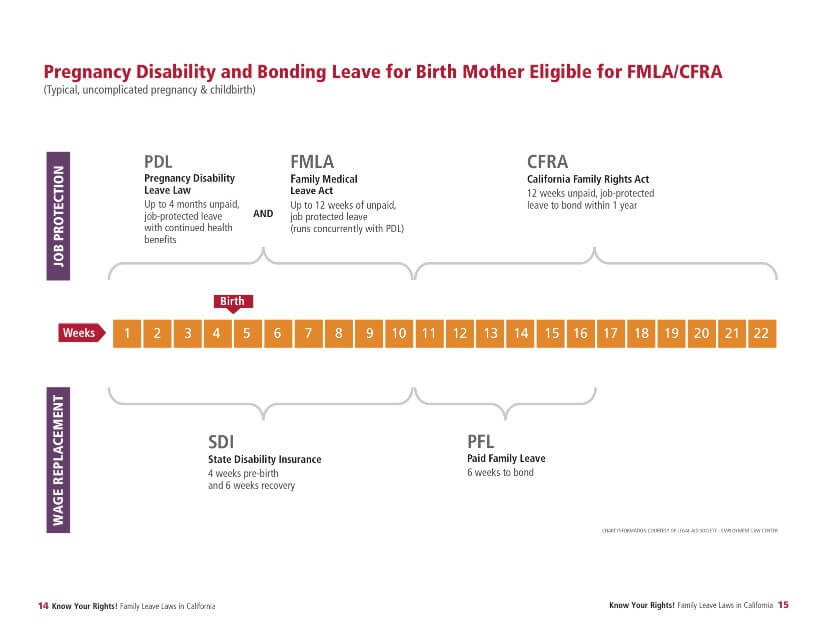
Under California’s PFL program, eligible fathers (and all new parents) can take up to eight weeks of paid leave to bond with a new child. This leave can be taken consecutively or intermittently, in increments as small as eight hours, which provides immense flexibility for families managing diverse needs. For instance, a parent might take a few weeks immediately after birth and then space out the remaining weeks over several months to maintain a continuous presence in their child’s early life.
In addition to the eight weeks of paid leave, eligible employees are entitled to up to 12 weeks of job-protected leave under CFRA. While PFL offers eight weeks of partial pay, the total job-protected leave can extend to 12 weeks. This means a new parent could potentially take eight weeks of paid PFL and an additional four weeks of unpaid, but job-protected, leave under CFRA for a total of 12 weeks. Some employers may also offer supplemental paid leave, often called “top-up” pay, to cover the difference between the state’s partial wage replacement and the employee’s full salary, although this is not legally mandated.
Wage Replacement Rates
For claims filed on or after January 1, 2024, PFL provides wage replacement benefits at 60 or 70 percent of the employee’s regular wages, depending on their income level. Employees with lower annual incomes receive 70 percent of their wages, while those with higher incomes receive 60 percent. These benefits are capped at a maximum weekly amount, which is adjusted annually. For 2024, the maximum weekly benefit amount is $1,620. This financial support helps mitigate the economic impact of taking time off, making paternity leave a more accessible and sustainable lifestyle choice for many California families.
Job Protection Considerations
It is crucial to differentiate between wage replacement (provided by PFL) and job protection (provided by CFRA). While PFL ensures financial support, it does not guarantee that your job will be waiting for you upon your return. This is where CFRA becomes vital. If an employee is eligible for both PFL and CFRA, they can use their paid leave concurrently with their job-protected leave. This ensures they receive partial wages while having their position secured. It’s always advisable for employees to communicate clearly with their employers about their leave plans, ensuring all necessary paperwork for both wage benefits and job protection is correctly submitted.
Navigating the Application Process
Applying for paternity leave benefits in California involves a structured process, primarily through the Employment Development Department (EDD). Familiarity with these steps is essential to avoid delays and ensure a smooth transition into and out of leave.
Steps to File a PFL Claim
- Notify your employer: While not legally required for the PFL claim itself (which is filed with the state), it is crucial to inform your employer of your intention to take leave. This is necessary for job protection under CFRA and allows your employer to plan for your absence. Provide reasonable notice, typically 30 days if the leave is foreseeable.
- Gather documentation: You will need your personal information, employment details, and medical certification (if applicable, though usually for mothers) or documentation of the birth/placement of the child (e.g., birth certificate, adoption decree).
- File your claim with the EDD: This can be done online through the EDD website, by mail, or by fax. The application form for Paid Family Leave is the DE 2501F. It’s recommended to apply as soon as you stop working to bond with your new child.
- Employer verification: Your employer may need to provide information to the EDD to verify your employment and wage history.
- Receive benefits: Once your claim is approved, the EDD will begin sending weekly benefit payments, typically via a debit card or direct deposit.
Important Deadlines and Documentation
It is critical to file your PFL claim no later than 41 days after your first day of leave. Filing late may result in a loss of benefits. For job-protected leave under CFRA, providing 30 days’ notice to your employer is generally required for foreseeable events like childbirth or adoption placement. Failure to provide timely notice could result in the employer delaying or denying the leave. Keeping copies of all submitted documents and communications with both your employer and the EDD is highly recommended.
The Lifestyle Impact: Balancing Career and New Parenthood
The availability of robust paternity leave in California profoundly impacts the lifestyle choices and overall well-being of new families. It’s not merely about time off; it’s about fostering stronger family bonds, promoting gender equity in parenting, and enabling a more balanced approach to career and family life.
Financial Planning for Leave
While PFL provides partial wage replacement, it’s essential for families to engage in thorough financial planning. Receiving 60-70% of regular wages might still present a budget adjustment for some households. Understanding the exact benefit amount and how it aligns with monthly expenses can alleviate financial stress, allowing parents to fully immerse themselves in bonding with their child. Some parents choose to save in advance or utilize employer-provided “top-up” benefits if available. This proactive financial management is a key aspect of responsibly planning for this significant lifestyle transition.
Employer Perspectives and Support
Progressive employers in California often view comprehensive family leave policies not just as a compliance requirement, but as an investment in their workforce. Offering support beyond the state minimum, such as full wage replacement or extended leave, can significantly boost employee morale, retention, and overall productivity. A workplace culture that genuinely supports new parents fosters loyalty and creates an environment where individuals feel valued, leading to a more positive and productive professional lifestyle for parents.
Long-Term Family Well-being
The long-term benefits of accessible paternity leave extend far beyond the initial weeks. Research consistently shows that a father’s early involvement in childcare is linked to improved child development, stronger marital relationships, and greater shared parental responsibility. For parents, this early bonding time can reduce stress, enhance mental health, and facilitate a smoother adjustment to their new roles. By providing the opportunity for fathers to be present and actively engaged from day one, California’s paternity leave policies support a healthier, more equitable, and more fulfilling family lifestyle for all its residents.
LifeOutOfTheBox is a participant in the Amazon Services LLC Associates Program, an affiliate advertising program designed to provide a means for sites to earn advertising fees by advertising and linking to Amazon.com. Amazon, the Amazon logo, AmazonSupply, and the AmazonSupply logo are trademarks of Amazon.com, Inc. or its affiliates. As an Amazon Associate we earn affiliate commissions from qualifying purchases.