
The Sheer Scale of Alaska’s Wilderness
Alaska, often dubbed “The Last Frontier,” is a land of unparalleled wilderness, a vast expanse where human settlements are mere specks on an immense canvas. To grasp the scale of its uninhabited nature, one must first appreciate the sheer size of the state itself. Covering over 663,000 square miles, Alaska is the largest state in the United States, larger than the next three biggest states combined (Texas, California, and Montana). Within this immense territory, an overwhelming majority remains untouched by permanent human dwellings, roads, or significant infrastructure. Estimates suggest that well over 60% to 70% of Alaska is effectively uninhabited, depending on how “uninhabited” is precisely defined. This vastness is not just empty space; it is a vibrant, dynamic ecosystem of towering mountains, expansive tundras, dense forests, intricate river systems, and rugged coastlines.

Defining “Uninhabited” in the Alaskan Context
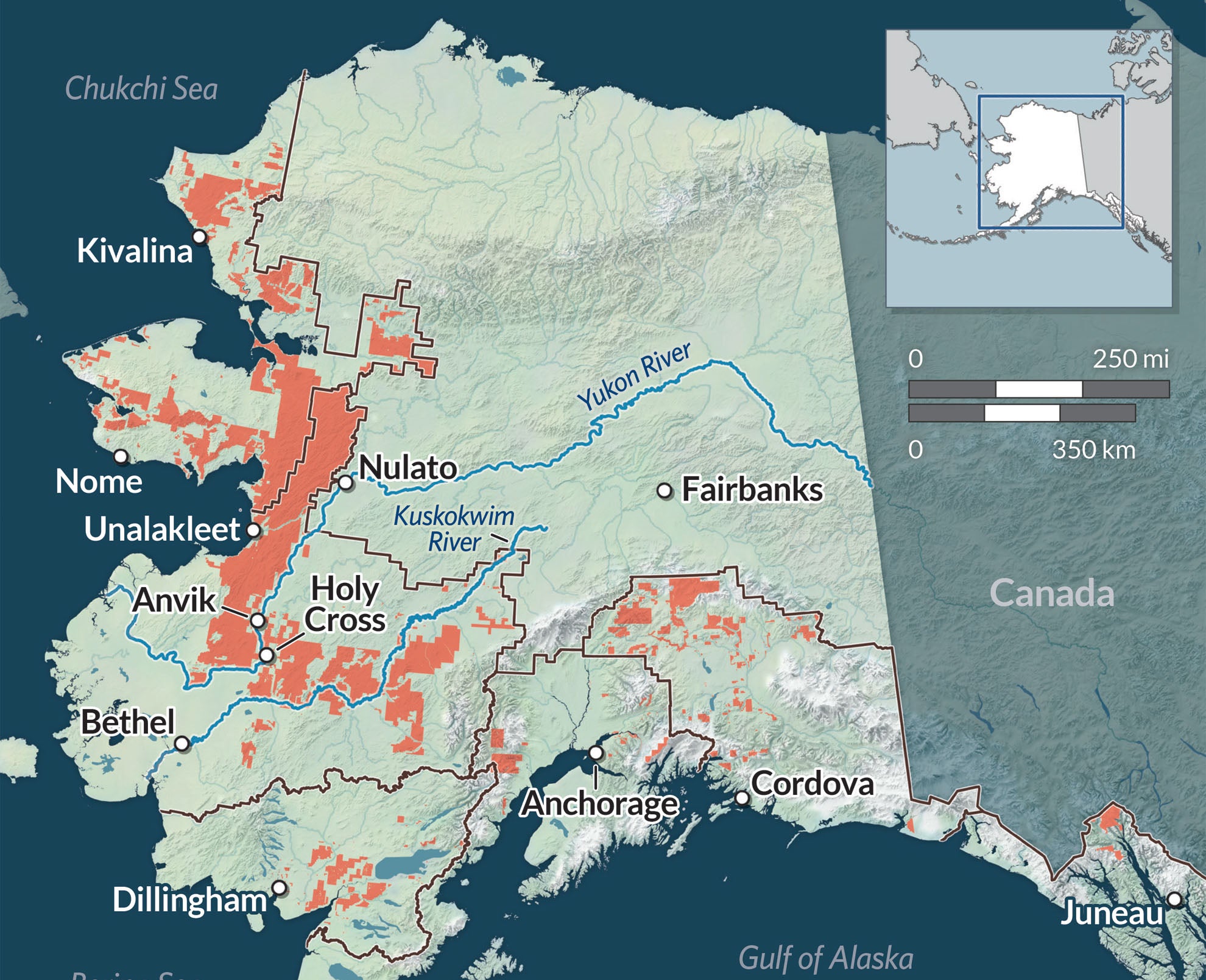
When we speak of “uninhabited” in Alaska, it refers to areas devoid of permanent human residents. This definition encompasses vast stretches of land without towns, villages, or even isolated cabins occupied year-round. While some areas might see seasonal activity from hunters, researchers, or remote mining operations, these temporary presences do not qualify the land as inhabited. The majority of the state’s population—approximately 730,000 people—resides in a handful of urban centers like Anchorage, Fairbanks, and Juneau, or in scattered smaller communities, many of which are only accessible by air or sea. This leaves immense tracts of interior, northern, and western Alaska in a pristine, natural state.
Geographic Realities and Population Density
Alaska’s extreme geography plays a critical role in its low population density. The state is home to 17 of the 20 highest peaks in the United States, including Denali, North America’s tallest mountain. Its landscape is dissected by active volcanoes, extensive glaciers, and numerous braided rivers. The climate ranges from temperate rainforests in the southeast to subarctic and arctic conditions across the interior and northern regions. Such formidable natural barriers and harsh weather conditions naturally deter widespread settlement, making large-scale development both impractical and undesirable in many areas. The average population density for Alaska is roughly 1.2 people per square mile, placing it among the least densely populated regions globally. This figure starkly contrasts with the state’s massive land area, emphasizing just how much of Alaska remains a true wilderness.
Federal and State Protected Lands: The Largest Contributors to Wildness
A significant portion of Alaska’s uninhabited status is by design, thanks to extensive federal and state land designations. Nearly two-thirds of the state is federally owned, managed by agencies like the National Park Service, the U.S. Fish and Wildlife Service, and the Bureau of Land Management. Alaska boasts eight national parks, 16 national wildlife refuges, two national forests, and a host of other protected areas, collectively encompassing millions of acres. For example, Wrangell-St. Elias National Park and Preserve alone is larger than Switzerland. These protected lands are managed to preserve their natural state, limiting human impact and ensuring vast tracts remain wild and undeveloped.
The Lure of the Untouched: Why Travelers Seek Alaskan Solitude
The sheer emptiness and rugged beauty of uninhabited Alaska are precisely what draw a particular kind of traveler. For those seeking true escape, profound solitude, and an immersive connection with raw nature, Alaska’s vast wilderness offers experiences found almost nowhere else on Earth. It’s a destination for adventurers, naturalists, photographers, and anyone yearning to disconnect from the modern world and reconnect with the primal forces of the planet.
Unparalleled Wildlife Viewing Opportunities
The absence of human settlement means wildlife thrives in Alaska’s expansive wilderness. Travelers venturing into these remote areas are often rewarded with extraordinary opportunities to observe animals in their natural habitats, undisturbed by human presence. Iconic species such as grizzly bears, black bears, moose, caribou, Dall sheep, wolves, and various bird species roam freely across millions of acres. Coastal regions teem with marine life, including whales, seals, sea lions, and otters. Observing a salmon run in a remote river or witnessing caribou migrate across the tundra are life-altering experiences that define the Alaskan wilderness journey.
Extreme Sports and Wilderness Expeditions
For the adrenaline seeker and the intrepid explorer, uninhabited Alaska is the ultimate playground. Its vastness provides endless opportunities for multi-day backpacking trips through trackless wilderness, technical mountaineering on remote peaks, white-water rafting on untamed rivers, and backcountry skiing or snowshoeing in winter. Floatplane charters can drop adventurers deep into remote national parks, allowing for days or weeks of self-sufficient exploration far from any sign of civilization. Ice climbing on glacier walls, sea kayaking in remote fjords, and even fat-tire biking across frozen landscapes are all possible, demanding meticulous planning, expert skills, and an unwavering respect for the environment.
Photography and Nature Immersion
Photographers are particularly drawn to Alaska’s uninhabited regions, where the light is pristine, the landscapes are epic, and wildlife encounters are frequent and profound. From the auroras dancing across arctic skies to the dramatic scale of glacial fjords and the intricate details of tundra wildflowers, every vista offers a unique photographic challenge and reward. Beyond the visual, the sensory experience of immersion in such a remote wilderness is deeply moving. The profound silence, broken only by the sounds of nature; the crisp, clean air; and the sense of insignificance in the face of colossal natural forces combine to create a deeply spiritual and rejuvenating experience.
Navigating the Vastness: Challenges and Preparations for Wilderness Exploration
While the allure of uninhabited Alaska is undeniable, venturing into these regions demands careful preparation, a robust skillset, and an inherent understanding of the risks involved. This is not a destination for the unprepared; it requires respect for the raw power of nature and a commitment to self-sufficiency.
Essential Gear and Safety Protocols
Any journey into Alaska’s wilderness requires comprehensive planning. Essential gear includes sturdy layering clothing suitable for rapidly changing weather, waterproof and windproof outerwear, bear-resistant food containers, a satellite communication device (as cell service is non-existent), maps, a compass, and a GPS unit. Basic wilderness first aid knowledge is crucial, as medical help can be days away. Knowledge of bear safety protocols, including carrying bear spray and knowing how to use it, is non-negotiable. Furthermore, travelers must be proficient in Leave No Trace principles to minimize their impact on the fragile ecosystems they visit.
Guided Expeditions vs. Independent Travel
For many, especially those new to extreme wilderness travel, a guided expedition is the safest and most enriching way to experience uninhabited Alaska. Experienced guides possess invaluable local knowledge, wilderness survival skills, and the necessary permits and equipment. They can navigate challenging terrains, interpret wildlife behavior, and manage unforeseen circumstances. Reputable outfitters offer a range of trips, from multi-day backpacking to rafting and wildlife viewing tours. For highly experienced adventurers, independent travel is possible but requires extensive planning, a deep understanding of wilderness survival, and a high degree of self-reliance. Permits may be required for certain areas, and solo travel is generally discouraged due to the inherent risks.
Respecting the Environment and Local Cultures
Traveling through Alaska’s uninhabited areas necessitates an profound respect for the environment and, where applicable, the indigenous cultures that have inhabited these lands for millennia. While much of the land is federally or state protected, certain regions are ancestral homes or current hunting grounds for Alaska Native communities. Travelers must be mindful of their impact, adhering to Leave No Trace principles, avoiding disturbance of wildlife, and respecting any specific regulations or cultural sensitivities of the areas they visit. This ensures the preservation of these pristine landscapes for future generations and honors the stewardship of those who call Alaska home.
Key Uninhabited Regions and Their Unique Appeals
While virtually all of Alaska outside its main population centers could be considered uninhabited, several national parks and refuges stand out as exemplars of its vast, untouched wilderness.
Denali National Park and Preserve
Home to Mount Denali, North America‘s highest peak, Denali National Park and Preserve encompasses six million acres of wild land. Much of the park is trailless wilderness, accessible primarily by a single park road or by venturing off-trail. Travelers here can experience incredible wildlife sightings, from grizzlies foraging in the open tundra to Dall sheep scaling rocky slopes, all set against the backdrop of the majestic Alaska Range. Backpacking in Denali offers a profound sense of solitude and self-reliance.
Gates of the Arctic National Park and Preserve
Spanning over 8.4 million acres entirely north of the Arctic Circle, Gates of the Arctic National Park and Preserve is one of the wildest and least visited national parks in the United States. It has no roads, no trails, and no established campgrounds. Access is typically via bush plane from small communities like Bettles or Coldfoot. It’s a land of rolling tundra, rugged mountains (including the Brooks Range), and clear rivers, offering unparalleled opportunities for remote backpacking, float trips, and a true immersion in the high arctic wilderness.
Wrangell-St. Elias National Park and Preserve
At 13.2 million acres, Wrangell-St. Elias National Park and Preserve is the largest national park in the United States, boasting a staggering array of landscapes including nine of the 16 highest peaks in North America, massive glaciers, and diverse ecosystems. While there are a couple of rough roads providing limited access, the vast majority is pristine wilderness. Activities include glacier hiking, mountaineering, rafting, and exploring historic mining towns like Kennecott that stand as relics amidst the wilderness.

The Arctic National Wildlife Refuge
The Arctic National Wildlife Refuge (ANWR), located in northeastern Alaska and bordering Canada, is another colossal expanse of untouched land, covering 19.2 million acres. Renowned for its critical role in the lifecycle of the Porcupine Caribou Herd and its diverse wildlife populations, ANWR is an icon of untouched arctic wilderness. Like Gates of the Arctic, it offers no roads or trails, providing a deeply remote and challenging experience for those seeking to witness the raw beauty and ecological significance of the high arctic.
These protected areas, along with countless other state lands, preserve the vast uninhabited character of Alaska, ensuring that the spirit of the last frontier continues to inspire and challenge travelers for generations to come. The question “How much of Alaska is uninhabited?” is best answered not just with statistics, but with a profound appreciation for its boundless, wild heart.
LifeOutOfTheBox is a participant in the Amazon Services LLC Associates Program, an affiliate advertising program designed to provide a means for sites to earn advertising fees by advertising and linking to Amazon.com. Amazon, the Amazon logo, AmazonSupply, and the AmazonSupply logo are trademarks of Amazon.com, Inc. or its affiliates. As an Amazon Associate we earn affiliate commissions from qualifying purchases.