
The Commitment to a New Lifestyle: Understanding the Duration of Police Academy Training
Embarking on a career in law enforcement within California represents a significant lifestyle commitment, starting with the rigorous demands of the police academy. Far from a typical educational program, the academy is an intensive, immersive experience designed to transform civilians into competent and disciplined peace officers. The fundamental question for many aspiring recruits is, “How long does this transformative process take?” The answer, while generally consistent, can vary based on the specific type of program and the individual academy.
Understanding the Time Investment
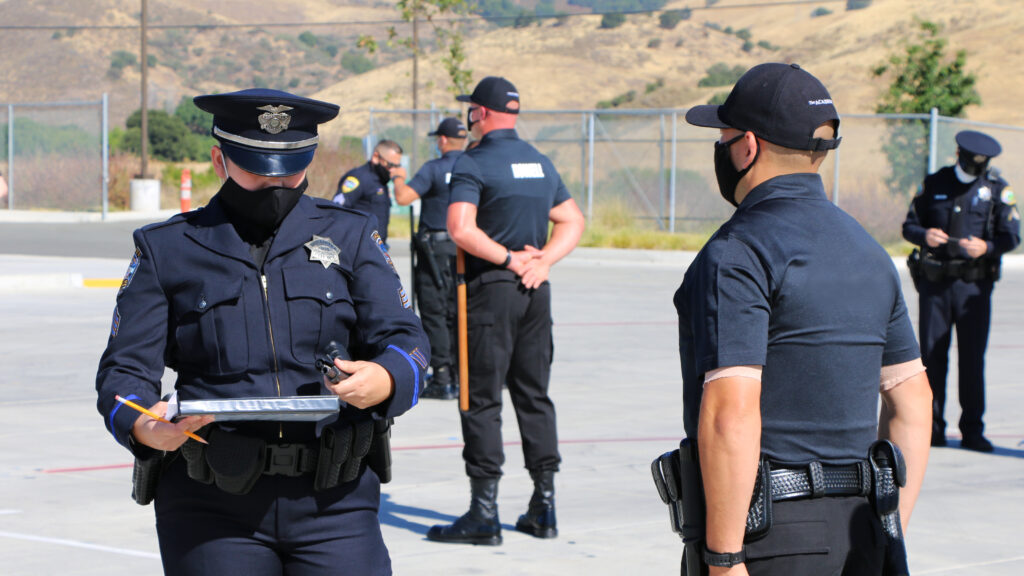
In California, the vast majority of aspiring peace officers attend what is known as a Basic Police Academy, certified by the Commission on Peace Officer Standards and Training (POST). These full-time programs are highly structured and comprehensive, designed to cover a broad spectrum of subjects essential for police work. Typically, a full-time Basic Police Academy program in California runs for approximately 24 to 33 weeks, which translates to about six to eight months. This duration encompasses over 1,000 hours of instruction, including classroom learning, practical exercises, and physical training.
This intensive period is not merely about accumulating hours; it’s about fostering a new way of thinking, acting, and living. Recruits are expected to dedicate themselves entirely to the program, often spending long hours at the academy, followed by additional time studying and preparing for the next day’s challenges. It’s a complete immersion into the culture and demands of law enforcement, setting the foundation for a lifelong career that fundamentally shapes one’s lifestyle.
The Full-Time vs. Modular Experience
While the full-time academy is the most common path, California also offers modular programs. These are designed for individuals who may have existing commitments that prevent them from attending a full-time academy.
-
Full-Time Academy: As mentioned, this is the most common and direct route, typically lasting 24-33 weeks. It’s an all-encompassing experience that often requires recruits to put their personal lives on hold to fully commit. The advantage of this path is the rapid progression and the immersive environment, which many find beneficial for quick adaptation to the police lifestyle.
-
Modular Academy: This option breaks down the training into several distinct phases or “modules.” Each module covers specific areas of instruction, such as PC 832 Arrest and Firearms, Investigations, and Patrol Procedures. Individuals can complete these modules over a longer period, sometimes up to three years, allowing them to balance work or family responsibilities. While offering flexibility, the modular approach can prolong the entry into law enforcement and may require significant self-discipline to maintain momentum over an extended period. This pathway also still demands the same total number of hours of training as the full-time program, just spread out differently.
Regardless of the chosen path, the duration of the academy reflects the depth and breadth of knowledge and skills required to serve as a peace officer in California, emphasizing that this career isn’t just a job but a profound lifestyle choice.
A Day in the Life: The Rigorous Academy Lifestyle
The police academy is not a typical educational institution; it’s a crucible designed to forge individuals into disciplined, ethical, and capable law enforcement professionals. The daily lifestyle within the academy is intentionally challenging, pushing recruits to their physical and mental limits to build resilience, teamwork, and an unwavering commitment to duty.
Physical and Mental Fortitude
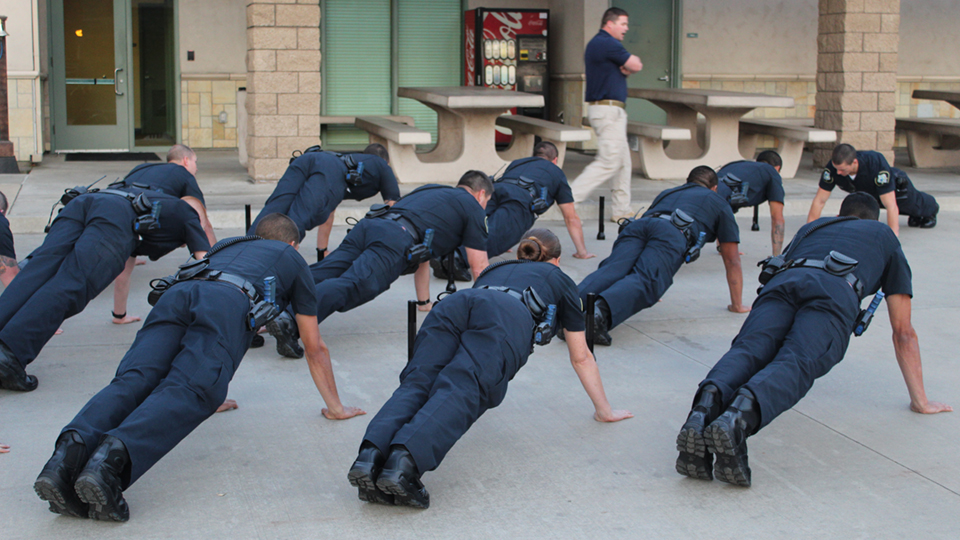
A recruit’s day at a California police academy typically begins before dawn and ends long after sunset. Physical training is a cornerstone of the academy lifestyle, often starting with intense physical conditioning, including running, strength training, and defensive tactics. Recruits learn control holds, arrest techniques, and how to effectively use force, all under demanding and realistic scenarios. This isn’t just about fitness; it’s about developing the physical endurance and skills necessary to protect themselves and others in high-stress situations.
Academically, the curriculum is equally rigorous. Recruits spend hours in classrooms, delving into criminal law, constitutional law, traffic laws, evidence collection, report writing, and ethical decision-making. Practical exercises simulate real-world scenarios, from traffic stops and domestic dispute interventions to active shooter responses. These simulations are intense, requiring recruits to apply their knowledge under pressure, make split-second decisions, and work seamlessly as a team. The mental demands are immense, requiring constant focus, critical thinking, and the ability to absorb vast amounts of information. The lifestyle is one of continuous learning and application.
Sacrifices and Rewards
The academy lifestyle demands significant personal sacrifices. Recruits often live by strict rules, with limited personal time and constant scrutiny. Weekends may be dedicated to studying, physical recovery, or preparing uniforms and equipment. Personal relationships can be strained due to the intense focus required and the lack of free time. The academy environment is designed to strip away individual habits and instill a collective identity and professional ethos.

However, the rewards are equally profound. Graduates emerge with a strong sense of accomplishment, camaraderie with their fellow recruits, and the foundational skills to embark on a career dedicated to public service. They gain a profound understanding of the law, human behavior, and their role in upholding justice. The discipline, resilience, and problem-solving abilities honed during the academy become integral parts of their professional and personal lifestyle, extending far beyond the confines of the training ground. This transformative experience shapes not just a career but an entire way of life.
Preparing for the Academy Lifestyle
The journey to becoming a peace officer in California doesn’t begin on the first day of the academy; it starts long before, with dedicated preparation. Success in the academy and the subsequent career hinges on proactive steps taken to align one’s personal lifestyle with the demanding requirements of law enforcement.
Physical Readiness
Physical fitness is paramount for navigating the academy’s rigorous demands. Aspiring recruits should engage in a comprehensive fitness regimen well in advance. This includes:
- Cardiovascular Endurance: Running long distances, interval training, and other aerobic exercises are crucial. Many academies require recruits to pass physical fitness tests that include timed runs, push-ups, and sit-ups. Building a strong aerobic base will make the daily physical training more manageable.
- Strength Training: Focus on full-body strength, especially core, upper body, and leg strength. This prepares recruits for defensive tactics, carrying equipment, and the physical confrontations that may arise in police work.
- Flexibility and Injury Prevention: Incorporate stretching and dynamic warm-ups to improve flexibility and reduce the risk of injury during intense physical activities.
- Nutrition and Hydration: Adopting a healthy diet and staying well-hydrated are critical for sustained energy and recovery during demanding training. Think of it as fueling your new lifestyle.
Agencies often provide recommended fitness standards or preparation guides. Meeting or exceeding these standards before entering the academy will give recruits a significant advantage and help them adapt more quickly to the physically challenging lifestyle.
Mental and Emotional Preparation
Beyond physical prowess, mental and emotional fortitude are equally vital. The academy is designed to test not only physical limits but also mental resilience, decision-making under stress, and ethical judgment.
- Research and Understanding: Familiarize yourself with the academy curriculum, daily routines, and expectations. Understanding what lies ahead can help mitigate anxiety and prepare you mentally for the structure and demands. Look into specific academies, such as the Orange County Sheriff’s Department Basic Academy or the Los Angeles Police Department Academy, to get a feel for their specific requirements and lifestyle expectations.
- Stress Management: Develop coping mechanisms for stress. The academy environment is high-pressure, and the ability to manage stress effectively is a critical life skill for law enforcement officers.
- Discipline and Self-Motivation: Cultivate strong self-discipline and an intrinsic drive to succeed. The academy will demand adherence to rules, attention to detail, and consistent effort.
- Problem-Solving Skills: Practice critical thinking and problem-solving. Many academy scenarios require quick, sound judgment.
- Ethical Foundation: Reflect on your personal ethics and values. Integrity is a cornerstone of law enforcement, and the academy will reinforce ethical conduct at every turn.
Preparing for the academy means embracing a new lifestyle even before it officially begins. It’s about demonstrating the commitment, discipline, and readiness that are hallmarks of a successful peace officer.
Beyond the Academy: A Lifelong Vocation and Lifestyle
Graduating from a California police academy is not the end of a journey; it’s the beginning of a lifelong vocation and a distinct lifestyle. The principles instilled during the rigorous training period—discipline, integrity, critical thinking, and dedication to service—continue to shape an officer’s daily life, both on and off duty.
Continuing Education and Growth
The learning doesn’t stop after the academy. Law enforcement is a dynamic field that requires continuous education and adaptation. Officers regularly attend in-service training programs to stay current with changes in laws, tactics, technology, and community relations. Specialized assignments, such as K9 handler, SWAT, detective, or school resource officer, often require additional, intensive training. This commitment to ongoing professional development is a defining characteristic of the law enforcement lifestyle, ensuring officers remain effective and ethical throughout their careers.
Many officers also pursue higher education, earning associate’s, bachelor’s, or master’s degrees in criminal justice, public administration, or related fields. This pursuit of knowledge enhances their leadership skills, analytical abilities, and understanding of complex societal issues, further enriching their professional lifestyle.
The Impact on Personal Life
The law enforcement lifestyle extends profoundly into an officer’s personal life. The job demands irregular hours, including nights, weekends, and holidays. Officers often miss family events due to shifts or emergency call-outs. The nature of the work—witnessing trauma, dealing with violence, and facing daily risks—can also take a psychological toll, requiring strong support systems and effective stress management strategies. Agencies often provide resources for mental health and wellness, recognizing the unique challenges of the profession.
Despite these challenges, the sense of purpose and the opportunity to make a tangible difference in the community are immense rewards. Officers form strong bonds with their colleagues, creating a secondary family forged through shared experiences and mutual support. The lifestyle is one of service, courage, and constant vigilance, a calling that permeates every aspect of an officer’s existence. Understanding “How long is police academy California?” is merely the first step in appreciating the full scope of this demanding yet deeply rewarding way of life.
LifeOutOfTheBox is a participant in the Amazon Services LLC Associates Program, an affiliate advertising program designed to provide a means for sites to earn advertising fees by advertising and linking to Amazon.com. Amazon, the Amazon logo, AmazonSupply, and the AmazonSupply logo are trademarks of Amazon.com, Inc. or its affiliates. As an Amazon Associate we earn affiliate commissions from qualifying purchases.