
Unraveling the Complex History of the Golden State
The question posed by the title, “Is California Stolen Land?”, delves into a deeply complex and often contentious historical narrative. It’s a query that resonates with the ongoing dialogues surrounding land rights, indigenous sovereignty, and the legacies of colonialism. For any visitor, or indeed resident, of California, understanding this historical context enriches the experience of engaging with its stunning landscapes and vibrant culture, transforming a mere visit into a more profound encounter with its multifaceted identity. This exploration is not about assigning blame but about fostering a more nuanced appreciation of the forces that shaped this extraordinary state.
Colonial Encounters and Indigenous Heritage
Before the arrival of European explorers, California was home to a diverse tapestry of indigenous peoples, each with their own unique languages, cultures, and deep ancestral connections to the land. Nations such as the Chumash, Tongva, Miwok, and Yurok, among many others, had thrived for millennia, developing sophisticated societies and sustainable practices that harmonized with the varied environments of the region, from the coastal shores to the inland valleys and towering mountains. Their stewardship of the land was not merely an economic or social arrangement; it was a spiritual and cultural imperative, woven into the very fabric of their existence.
The arrival of European powers, beginning with the Spanish in the 16th century, marked a profound and often devastating turning point. The establishment of Spanish missions, starting with Mission San Diego de Alcalá in 1769, was ostensibly about religious conversion and claiming territory for the Spanish Crown. However, this colonial endeavor led to widespread displacement, forced labor, and the introduction of diseases that decimated indigenous populations. The mission system, while now often viewed as historical landmarks, represented a systematic effort to dispossess indigenous peoples of their ancestral lands and undermine their cultural practices.
The Mexican Era and Beyond
Following Mexico’s independence from Spain in 1821, California transitioned from a Spanish territory to a Mexican one. During this period, the mission lands were secularized and often granted to wealthy Californios, further altering the land ownership patterns. While this era saw the development of large rancho estates, it did not fundamentally alter the marginalized status of many indigenous communities.
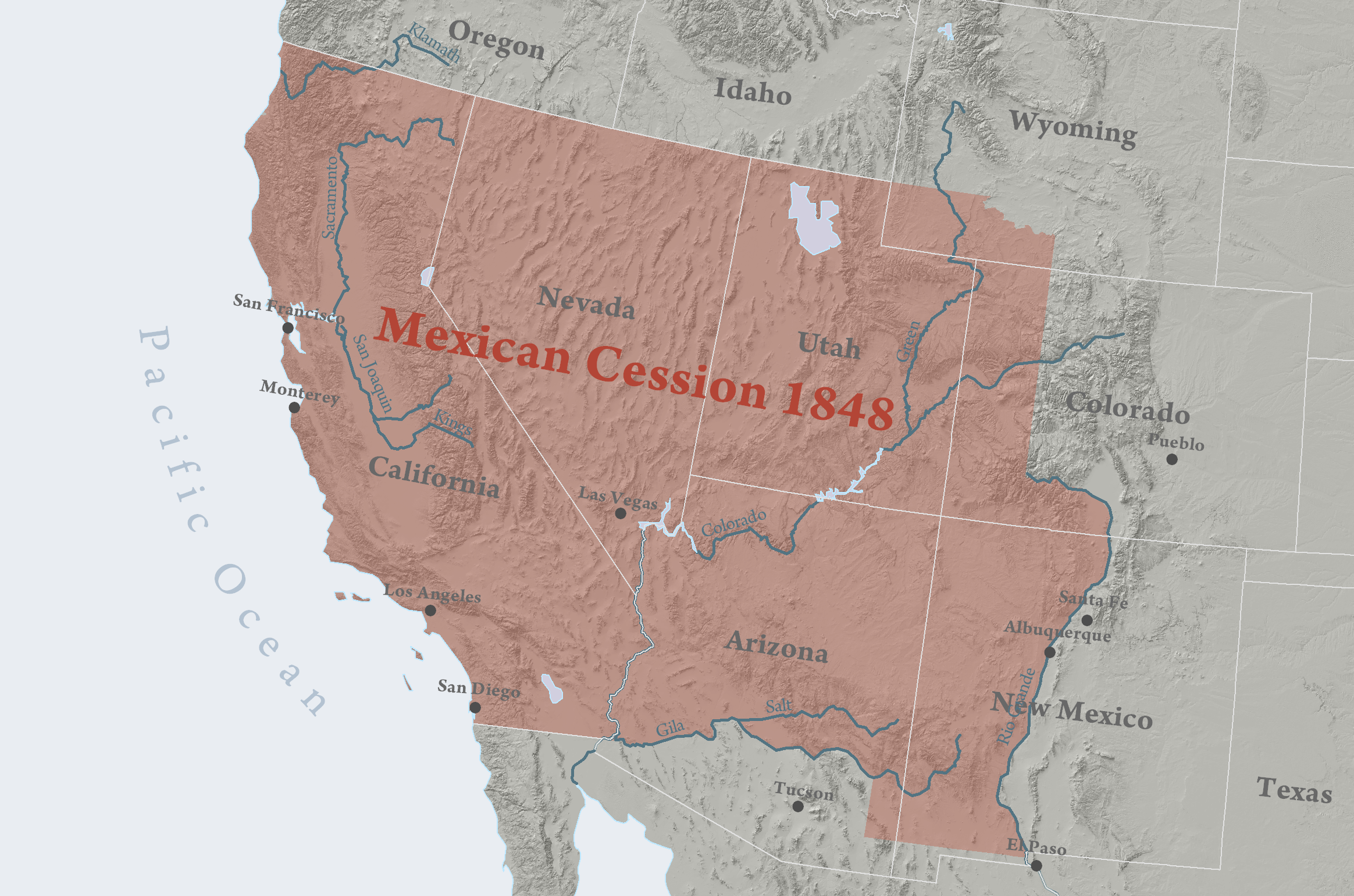
The mid-19th century witnessed another seismic shift with the Mexican-American War and the subsequent cession of California to the United States in 1848 under the Treaty of Guadalupe Hidalgo. This transfer of sovereignty coincided with the discovery of gold at Sutter’s Mill near Coloma, igniting the infamous California Gold Rush. The ensuing influx of prospectors and settlers, driven by the promise of instant wealth, led to an unprecedented wave of violence, dispossession, and genocide against the indigenous populations who were seen as obstacles to progress and settlement. The period is marked by what many historians now refer to as a systematic campaign of extermination, with atrocities committed against Native Americans becoming a grim hallmark of this era.

Navigating the Present Through the Lens of the Past
When we ask, “Is California stolen land?”, we are not just questioning historical ownership but also grappling with the enduring legacies of these past actions. The current landscape of California – its sprawling cities, its agricultural heartlands, its iconic national parks like Yosemite National Park and Death Valley National Park – exists on land that was, for thousands of years, the ancestral home of indigenous peoples.
The contemporary legal frameworks governing land ownership in California, as in the rest of the United States, are largely the product of colonial conquest and subsequent governmental policies. These policies, including land grants, treaties (often broken or misunderstood), and acts of eminent domain, have historically favored settlers and the state over indigenous claims.
Indigenous Resilience and Contemporary Struggles
Despite centuries of displacement and oppression, indigenous peoples in California have demonstrated remarkable resilience. Today, tribal nations continue to assert their rights, working to reclaim ancestral lands, preserve their languages and traditions, and advocate for self-determination. Many visitors are now seeking ways to engage with this history more authentically, looking for opportunities to learn directly from indigenous communities.
This can include visiting cultural centers, supporting indigenous-owned businesses, and participating in respectfully guided tours that offer indigenous perspectives. For instance, in the region around Los Angeles, descendants of the Tongva people are working to raise awareness and secure recognition of their heritage. Similarly, in Northern California, various tribal nations are actively involved in cultural revitalization efforts and environmental stewardship, often drawing upon traditional ecological knowledge.
Rethinking Tourism and Cultural Appreciation
For travelers and tourists, the question of “stolen land” prompts a call for more mindful and respectful engagement with California’s destinations. Instead of viewing California solely as a playground of sun, surf, and entertainment, a deeper understanding of its history can inspire a more profound appreciation for its land and its peoples.
When exploring sites like the historic Spanish missions, for example, visitors can seek out information that acknowledges the indigenous labor and lives that were impacted by their construction and operation. Engaging with contemporary indigenous artists, musicians, and storytellers offers a vital counter-narrative to historical accounts that often marginalized or erased native voices. Supporting organizations dedicated to indigenous rights and cultural preservation can be a tangible way for visitors to contribute positively.
The conversation around California as “stolen land” is not a simple yes or no. It is an ongoing process of historical reckoning, a recognition of persistent injustices, and an acknowledgment of the profound and enduring connection that indigenous peoples have to this territory. By engaging with this history with intellectual curiosity and a spirit of respect, visitors can gain a richer, more meaningful experience of California, transforming a vacation into an education and a moment of genuine cultural connection. This deeper understanding allows us to appreciate the beauty and complexity of California not just as a place, but as a living history, a testament to the resilience of its original inhabitants and the ongoing journey towards reconciliation and justice.
LifeOutOfTheBox is a participant in the Amazon Services LLC Associates Program, an affiliate advertising program designed to provide a means for sites to earn advertising fees by advertising and linking to Amazon.com. Amazon, the Amazon logo, AmazonSupply, and the AmazonSupply logo are trademarks of Amazon.com, Inc. or its affiliates. As an Amazon Associate we earn affiliate commissions from qualifying purchases.