
The allure of a dining experience often extends beyond the main course to the accompanying appetizers and signature items that define a restaurant. For many patrons of Texas Roadhouse, this signature item is undeniably the warm, buttery, and undeniably delicious yeast roll, often served with a side of cinnamon honey butter. These rolls have achieved near-legendary status, becoming a focal point of discussion and a significant part of the overall Texas Roadhouse culinary adventure. However, for the calorie-conscious diner, or for anyone simply curious about the nutritional breakdown of their meal, a pressing question arises: just how many calories are packed into these iconic rolls?

The Sweet and Savory Appeal of Texas Roadhouse Rolls
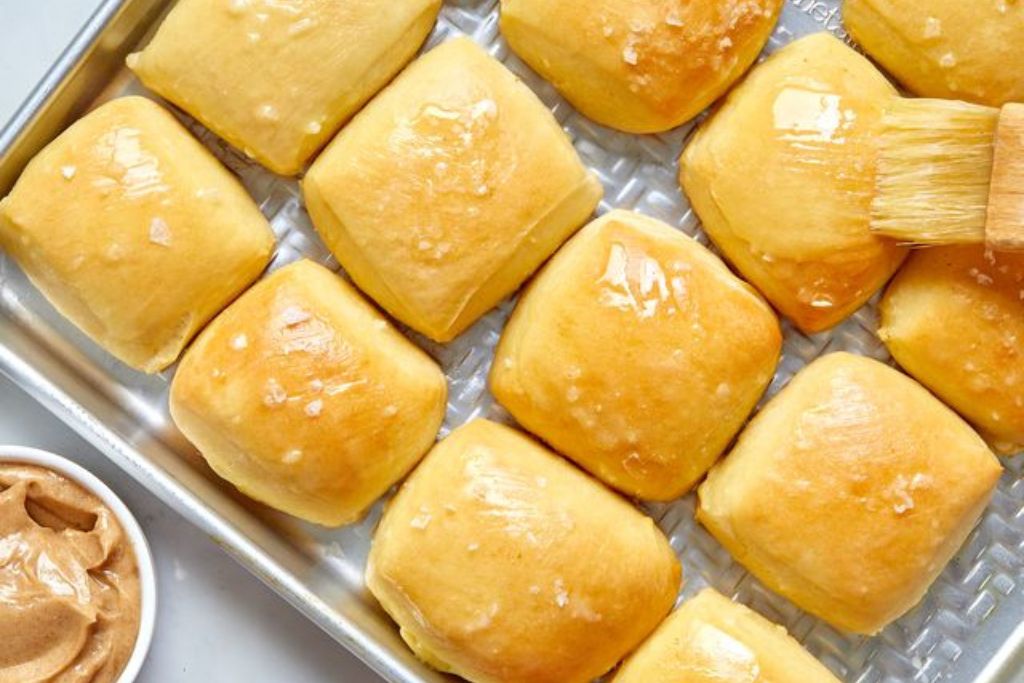
Before delving into the calorie count, it’s crucial to understand what makes the Texas Roadhouse roll so irresistible. These are not your average dinner rolls. They are characterized by their soft, airy interior and a slightly chewy crust, achieved through a meticulous baking process. The magic, however, is often amplified by the accompanying cinnamon honey butter, a concoction of softened butter, honey, and a hint of cinnamon, which melts into the warm roll, creating a decadent flavor profile.
The sensory experience begins the moment they arrive at the table. The aroma of freshly baked bread, infused with the sweet and spicy notes of the butter, is enough to whet any appetite. This initial indulgence sets a high bar for the rest of the meal, and for many, the rolls are as much a part of the dining experience as the steaks or ribs. This is a deliberate strategy by Texas Roadhouse, as these complimentary items often contribute to customer satisfaction and encourage repeat visits. They are designed to be a treat, a comforting and familiar element that diners anticipate.
The popularity of these rolls has also led to them becoming a topic of conversation both online and offline. Food bloggers, travel enthusiasts, and casual diners frequently share their experiences and opinions, often highlighting the rolls as a must-have item. Social media platforms are replete with photos and enthusiastic descriptions of the Texas Roadhouse roll experience, further cementing its status as a culinary icon. This widespread recognition naturally leads to questions about the composition of these beloved items, including their nutritional content.
Understanding the Components: Flour, Sugar, and Fat
At their core, the Texas Roadhouse rolls are a simple yeast bread. The primary ingredients include flour, water, yeast, salt, and a touch of sugar. However, the preparation and additions elevate them beyond basic bread. The recipe likely incorporates a significant amount of butter or oil into the dough itself to achieve its signature richness and tenderness. The generous application of butter, and the aforementioned cinnamon honey butter, further contribute to the overall caloric density.
Flour, while a source of carbohydrates, is the foundational element. Yeast leavens the dough, creating the characteristic airy texture. Salt enhances flavor. Sugar, even in small amounts in the dough, aids in yeast activation and contributes to browning. The real calorie drivers, however, come from the fats and sugars introduced during the baking and serving process. The butter, whether in the dough or as a spread, is a concentrated source of calories and fat. Honey, a natural sweetener, also contributes calories in the form of sugars.
The cinnamon honey butter, in particular, is a significant caloric addition. A typical serving of butter contains around 100 calories per tablespoon, and when mixed with honey, which is also calorie-dense due to its sugar content, the spread quickly adds up. The amount of butter and honey used can vary, but it’s generally applied liberally to ensure each bite is infused with flavor. This is why, when considering the calories of a Texas Roadhouse roll, it’s imperative to consider the roll itself and the accompanying spread.
The Calorie Calculation: A Closer Look
Determining the exact calorie count for a Texas Roadhouse roll requires a bit of estimation, as the restaurant does not officially publish this specific nutritional information for individual components of their complimentary offerings. However, by breaking down the typical ingredients and comparing them to similar items, we can arrive at a reasonable approximation.
A standard homemade dinner roll, without any butter or sugar added to the dough, can range from 50 to 100 calories. Given the richness and slight sweetness of the Texas Roadhouse roll, it’s likely on the higher end of this spectrum, possibly in the 100-150 calorie range for the roll itself, before the addition of butter. This accounts for the dough’s ingredients, including any added fat or sugar for texture and flavor.
The real calorie bombshell comes with the cinnamon honey butter. A generous dollop, perhaps a tablespoon or more, can easily add another 100-150 calories. This is a conservative estimate, as many patrons opt for a substantial amount to fully enjoy the flavor combination. Therefore, a single Texas Roadhouse roll, served with its signature cinnamon honey butter, can conservatively be estimated to range from 200 to 300 calories.
It’s important to note that this is an approximation. The actual calorie count can fluctuate based on the size of the roll, the precise recipe used by the restaurant, and, most significantly, the amount of cinnamon honey butter applied. Some diners may use more, while others use less, or even none at all. Therefore, the 200-300 calorie range serves as a useful guideline for those seeking to understand the nutritional impact of this popular menu item.
Factors Influencing Calorie Count

Several factors can influence the final calorie tally of a Texas Roadhouse roll:
- Roll Size: While generally standardized, minor variations in baking can affect the size and therefore the calorie count of individual rolls.
- Dough Composition: The exact ratios of flour, butter, sugar, and other ingredients in the dough will impact its inherent calorie density.
- Butter Application: The most significant variable is the amount of cinnamon honey butter used. A light swipe will add far fewer calories than a thick, melting layer.
- Serving Size of Butter: Restaurants often provide a standard portion of butter, but individual consumption habits dictate how much is actually used.
For individuals meticulously tracking their caloric intake, it’s advisable to be mindful of the butter. While the roll itself is a delicious component, the added fats and sugars in the cinnamon honey butter are the primary drivers of its high calorie count. Understanding these contributing factors allows for more informed dietary choices when enjoying this popular restaurant treat.
Navigating Texas Roadhouse Dining: Tips for Calorie-Conscious Eaters
For those who want to savor the Texas Roadhouse experience without derailing their dietary goals, there are strategic approaches. The rolls are a highlight, and abstaining entirely might diminish the enjoyment of a meal for some. Instead, a balanced approach can be taken.
One of the most effective strategies is to moderate the amount of cinnamon honey butter consumed. Instead of generously slathering it on, ask for the butter on the side and use a very small amount, or even just a thin layer. Alternatively, consider skipping the cinnamon honey butter altogether and enjoying the roll on its own, perhaps with a light dusting of salt if desired. The roll itself, while still a treat, will have a significantly lower calorie count without the added butter and honey.
Another approach is to view the rolls as a shared indulgence. If dining with a group, order one serving of rolls to share among everyone. This allows everyone to enjoy a taste of this signature item without each individual consuming multiple rolls. It also encourages mindful consumption, as people are more likely to savor a shared portion.
Furthermore, consider the rest of your meal. If you opt for a lighter entrée, such as a grilled chicken breast or a salad with lean protein, the caloric contribution of a roll or two might fit more comfortably within your daily allowance. Conversely, if you’re indulging in a high-calorie entrée like a large steak or ribs, you might choose to have fewer rolls or skip them entirely to maintain a balanced overall intake.
Ultimately, enjoying the Texas Roadhouse roll experience is about balance and mindful consumption. By understanding the approximate calorie count and employing these strategies, diners can make informed choices that align with their personal dietary preferences and goals, while still appreciating the culinary delights that Texas Roadhouse has to offer.
Sharing the Experience, Dividing the Calories
The concept of sharing extends beyond just food and conversations; it can also apply to managing caloric intake. When the basket of warm, inviting Texas Roadhouse rolls arrives, the temptation to dive in can be strong. For those mindful of their calorie count, engaging in the following can be beneficial:
- Strategic Sampling: Instead of consuming an entire roll on your own, take one bite or a portion of a roll and pass it on. This allows everyone at the table to experience the flavor and texture.
- Designated “Roller”: If dining with a group, one person can be designated to manage the basket, ensuring a fair distribution and preventing overindulgence.
- Focus on Flavor, Not Quantity: Appreciate the unique taste and texture of the roll, rather than consuming it solely to satisfy hunger. This mental shift can lead to a more satisfying experience with less consumption.
- Post-Meal Reflection: After your meal, reflect on the enjoyment derived from the rolls. If the enjoyment was significant, consider it a worthwhile treat within your dining experience. If it felt like an automatic behavior, perhaps future visits can involve more moderation.
Making Healthier Choices Alongside the Rolls
The calorie count of a Texas Roadhouse roll is just one piece of the nutritional puzzle when dining at the restaurant. To create a more balanced meal, consider these strategies for your main course and sides:
- Lean Protein Options: Opt for grilled chicken, fish, or leaner cuts of steak. These provide protein and essential nutrients without the higher fat content of some other options.
- Vegetable-Centric Sides: Choose sides like steamed vegetables, green beans, or a side salad with a light vinaigrette instead of fried or cream-based options.
- Portion Control for Entrées: Be mindful of entrée sizes. If you opt for a larger, richer entrée, consider reducing your consumption of rolls and other calorie-dense accompaniments.
- Hydration: Drink plenty of water throughout your meal. This can help you feel fuller and may reduce the urge to overeat.
By integrating these choices, a delicious and satisfying meal at Texas Roadhouse can be enjoyed while maintaining a more conscious approach to calorie intake. The goal is not necessarily to eliminate cherished menu items, but to integrate them thoughtfully into a well-rounded dining experience.
LifeOutOfTheBox is a participant in the Amazon Services LLC Associates Program, an affiliate advertising program designed to provide a means for sites to earn advertising fees by advertising and linking to Amazon.com. Amazon, the Amazon logo, AmazonSupply, and the AmazonSupply logo are trademarks of Amazon.com, Inc. or its affiliates. As an Amazon Associate we earn affiliate commissions from qualifying purchases.