
Navigating the complexities of property ownership in Los Angeles County comes with a host of responsibilities, chief among them being the timely payment of property taxes. These taxes are a vital source of funding for essential public services across the county, including schools, parks, and infrastructure. Understanding the due dates and the intricacies of the assessment process is crucial for all property owners to avoid penalties and maintain good standing. This guide aims to demystify property tax deadlines and payment procedures within Los Angeles County, offering clarity and practical advice for homeowners and investors alike.

Understanding the Property Tax Cycle in Los Angeles County
The property tax system in California and, by extension, Los Angeles County, operates on a fiscal year basis, which differs from the calendar year. The fiscal year runs from July 1st to June 30th. Property taxes are assessed based on the property’s value as of January 1st of the preceding calendar year. For instance, the property taxes you pay in the 2023-2024 fiscal year are based on the property’s assessed value as of January 1st, 2022.
The Assessment Process and Tax Bills
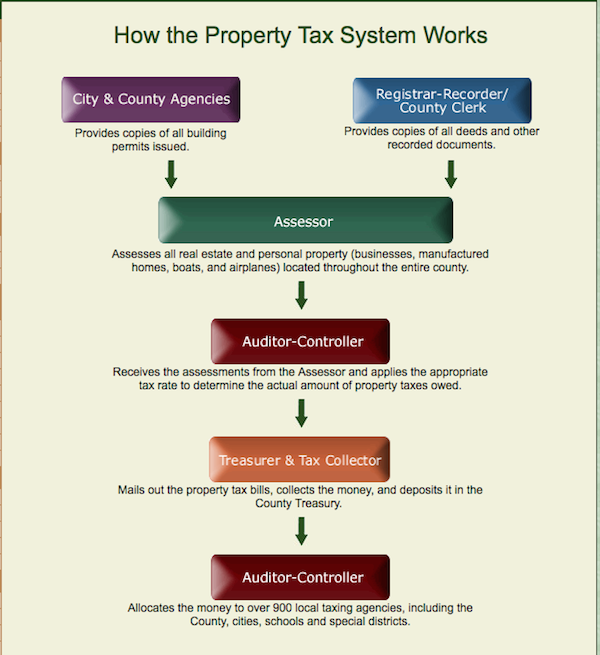
The Los Angeles County Treasurer and Tax Collector is responsible for the administration and collection of property taxes. The process begins with the Los Angeles County Assessor determining the value of each property. This valuation is used to calculate the tax liability.
Once the assessment is complete, the Treasurer and Tax Collector issues tax bills. There are typically two installments for the secured property tax roll (properties with a lien against them, like typical homes and commercial buildings).
First Installment Due Date
The first installment of your property tax bill is generally due on November 1st of each year. This payment covers taxes for the period of July 1st to December 31st of the current fiscal year.
- Late Penalty: If the first installment is not paid by 5:00 PM on December 10th, a 10% penalty is added. This date is known as the delinquency date for the first installment.
Second Installment Due Date
The second installment of your property tax bill is generally due on February 1st of the following year. This payment covers taxes for the period of January 1st to June 30th of the current fiscal year.
- Late Penalty: If the second installment is not paid by 5:00 PM on April 10th, a 10% penalty is added. This date is the delinquency date for the second installment.
Important Note: The dates of November 1st, December 10th, February 1st, and April 10th are crucial. It is highly recommended to submit payments well in advance of these deadlines to ensure they are received and processed on time, especially if mailing a check.
Unsecured Property Tax Roll
A smaller portion of property taxes in Los Angeles County falls under the unsecured property tax roll. This category primarily includes property that is not secured by a lien on real estate, such as business personal property, aircraft, and leasehold improvements. Taxes on unsecured property are typically billed annually and are due on July 1st. The delinquency date for unsecured property taxes is August 31st, with a 10% penalty applied if not paid by then.
Receiving Your Property Tax Bill
Property tax bills are typically mailed out by the Los Angeles County Treasurer and Tax Collector in late October for the first installment and late January for the second installment. If you do not receive your tax bill by mid-November for the first installment, or mid-February for the second installment, it is your responsibility to contact the Treasurer and Tax Collector’s office. Failure to receive a tax bill does not excuse you from paying taxes or from late penalties.
What to Do If You Don’t Receive Your Bill
- Check Online: The Los Angeles County Treasurer and Tax Collector offers an online property tax portal where you can look up your tax bill information using your Assessor’s Parcel Number (APN) or your property address. This is often the quickest way to obtain bill details and make payments.
- Contact the Office: If you cannot find your bill online or prefer to speak with someone, you can contact the Los Angeles County Treasurer and Tax Collector directly by phone or visit their office.
Payment Methods and Options
Los Angeles County provides several convenient methods for property owners to pay their taxes:
Online Payments
- e-Check (ACH Debit): This is a free and secure method of payment directly from your bank account. You will need your bank’s routing number and your checking account number.
- Credit Card/Debit Card: Payments can be made using major credit cards (Visa, MasterCard, Discover, American Express) or debit cards. Please note that a convenience fee is charged by the third-party payment processor for credit/debit card transactions.
Mail Payments

You can mail your payment to the address provided on your tax bill. It is highly recommended to:
- Make checks payable to the “Los Angeles County Treasurer and Tax Collector.”
- Write your APN on your check for proper credit.
- Allow sufficient mailing time to ensure delivery before the deadline. Postmark dates are considered proof of timely payment.
In-Person Payments
Payments can be made in person at the Los Angeles County Treasurer and Tax Collector office. It’s advisable to call ahead or check their website for their operating hours and any specific requirements.
Payment by Phone
The Los Angeles County Treasurer and Tax Collector may offer payment by phone options, often through their online portal or a dedicated phone line.
Consequences of Late Payments
Timeliness is paramount when it comes to property taxes. Failure to pay your property taxes by the due dates can result in significant penalties and additional costs:
- Penalties: As mentioned, a 10% penalty is automatically added to any unpaid installment after its delinquency date.
- Tax Default: If property taxes remain unpaid for five years, the property becomes tax-defaulted. This means the Los Angeles County Tax Collector can sell the property to recover the unpaid taxes, penalties, and costs.
- Interest: In addition to penalties, interest may accrue on unpaid taxes, further increasing the amount owed.
Understanding Your Property Tax Bill Details
A typical property tax bill in Los Angeles County will contain several key pieces of information:
- Assessor’s Parcel Number (APN): This unique nine-digit number identifies your property. It is essential for online lookups and payments.
- Assessed Value: The value of your property as determined by the Los Angeles County Assessor. This value forms the basis for calculating your tax amount.
- Tax Rate: The applicable tax rate in California is generally 1% of the assessed value, plus any voter-approved special taxes for local improvements.
- Tax Amount: The total amount of property tax due, broken down into the first and second installments.
- Delinquent Taxes: If you have any outstanding taxes from previous years, they will be listed on your current bill.
Proposition 13 and Property Taxes
It’s important to understand that California’s property tax system is heavily influenced by Proposition 13, passed in 1978. This landmark legislation established strict limits on property tax rates and assessments. Key provisions include:
- 1% Limit: The maximum ad valorem tax on any taxable property is 1% of its assessed value.
- Assessed Value Freeze: The assessed value of a property is generally its full cash value as of the 1975 lien date, or the reappraised value upon a change in ownership or new construction.
- Limited Annual Increase: Assessed values can only increase by a maximum of 2% per year, or the rate of inflation, whichever is less.
These provisions mean that property taxes in California are not directly tied to current market values for long-term owners, unlike in many other states. However, upon a sale or transfer of ownership, the property is reassessed to its current market value as of the date of the transaction.
Property Tax Exemptions and Relief
Several property tax exemptions and relief programs are available for eligible property owners in Los Angeles County:
Homeowners’ Exemption
Homeowners can receive an annual exemption of $7,000 from their property’s assessed value. This reduces their property tax bill by approximately $70 per year. To qualify, the property must be the principal residence of the owner. The claim for exemption must be filed with the Los Angeles County Assessor by February 15th to receive the full exemption for the current tax year.
Other Exemptions and Programs
- Disabled Veterans’ Exemption: Available to qualifying disabled veterans and their unmarried surviving spouses.
- Senior Citizens’ Property Tax Assistance/Postponement: Programs that may offer assistance or allow for the postponement of property taxes for eligible seniors.
- Homeowners’ Property Tax Relief: Additional relief may be available for low-income seniors, disabled individuals, and disabled veterans.
It is essential to research these programs and their eligibility requirements on the Los Angeles County Assessor’s website or by contacting their office.
Conclusion
Understanding when property taxes are due in Los Angeles County is a fundamental aspect of responsible property ownership. The fiscal year cycle, with its distinct installment due dates of November 1st and February 1st, and delinquency dates of December 10th and April 10th, requires careful attention. By staying informed about the assessment process, familiarizing yourself with payment options, and being aware of potential exemptions, you can ensure compliance and avoid unnecessary penalties. The Los Angeles County Treasurer and Tax Collector is the primary resource for official information and assistance, and their online portal offers a convenient way to manage your tax obligations. Proactive management of your property tax responsibilities will contribute to a smoother ownership experience and support the vital public services that benefit the entire community.
LifeOutOfTheBox is a participant in the Amazon Services LLC Associates Program, an affiliate advertising program designed to provide a means for sites to earn advertising fees by advertising and linking to Amazon.com. Amazon, the Amazon logo, AmazonSupply, and the AmazonSupply logo are trademarks of Amazon.com, Inc. or its affiliates. As an Amazon Associate we earn affiliate commissions from qualifying purchases.