
Understanding the electoral landscape of the United States is crucial for anyone seeking a comprehensive grasp of its political system, especially for travelers and tourists engaging with the nation’s diverse regions. While not a direct point of tourist interest in the same vein as historical landmarks or vibrant city guides, the number of Electoral College votes a state possesses significantly influences national political discourse, which in turn can shape perceptions and even impact regional tourism trends and economic development. For Florida, a state renowned for its sun-drenched beaches, world-class theme parks, and rich cultural tapestry, its electoral significance is a noteworthy aspect of its identity.
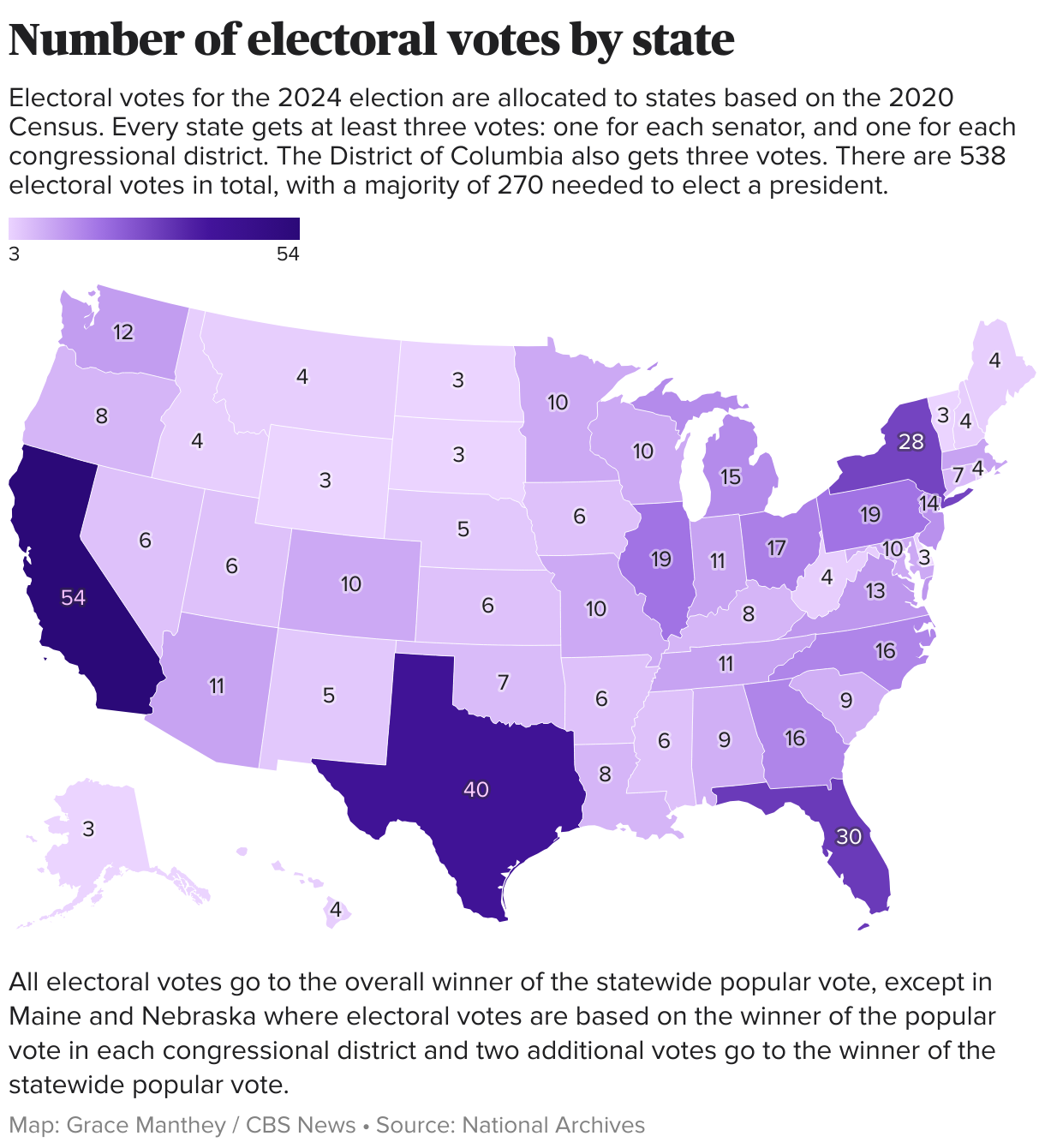
The number of electoral votes a state holds is determined by its representation in Congress, which is a direct reflection of its population. Specifically, each state is allocated a number of electors equal to the sum of its representatives in the House of Representatives and its two senators. The U.S. Census Bureau conducts a decennial census to count the population, and this data is then used to reapportion the seats in the House among the states. This process ensures that a state’s electoral power, and by extension its voice in presidential elections, is calibrated to its population size.
Florida’s Growing Electoral Power
Florida, often called the “Sunshine State,” has experienced a remarkable population surge over the past several decades. This demographic expansion has directly translated into increased political representation and, consequently, a greater number of electoral votes. As of the most recent reapportionment following the 2020 Census, Florida holds 30 electoral votes. This number reflects its status as the third most populous state in the nation, trailing only California and Texas.
The Impact of Population Growth
The trajectory of Florida’s population growth is a compelling story in itself. Driven by factors such as a favorable climate, attractive tax policies, and a burgeoning job market, millions of people have relocated to the state, particularly from the Northeast and Midwest. This influx has not only reshaped the demographics of cities like Miami, Orlando, and Tampa, but also elevated Florida’s standing in the national political arena.
The reapportionment following the 2010 Census saw Florida gain two additional seats in the House, increasing its electoral vote count from 27 to 29. The latest reapportionment, based on the 2020 Census, added one more seat, bringing its total to 30. This consistent increase underscores the state’s dynamic growth and its evolving role in presidential elections. For a traveler visiting Florida, understanding this demographic and political context can add another layer of appreciation for the state’s multifaceted identity, from its popular tourist destinations to its significant national influence.
Understanding the Electoral College System
To fully appreciate Florida’s electoral vote count, it is essential to have a foundational understanding of the Electoral College system itself. Established by the Founding Fathers as a compromise between electing the president by popular vote and electing the president by a vote in Congress, the Electoral College is a body of electors established by the Constitution, formed every four years for the sole purpose of electing the president and vice president.
Electors and State Representation
Each state is granted a number of electors equal to its total number of senators (always two) and representatives in the House of Representatives. Since the 12th Amendment, electors cast separate ballots for president and vice president. In almost all states, the candidate who wins the popular vote in that state receives all of its electoral votes. This “winner-take-all” system is a key feature that makes campaigning in swing states, like Florida often is, so critical.
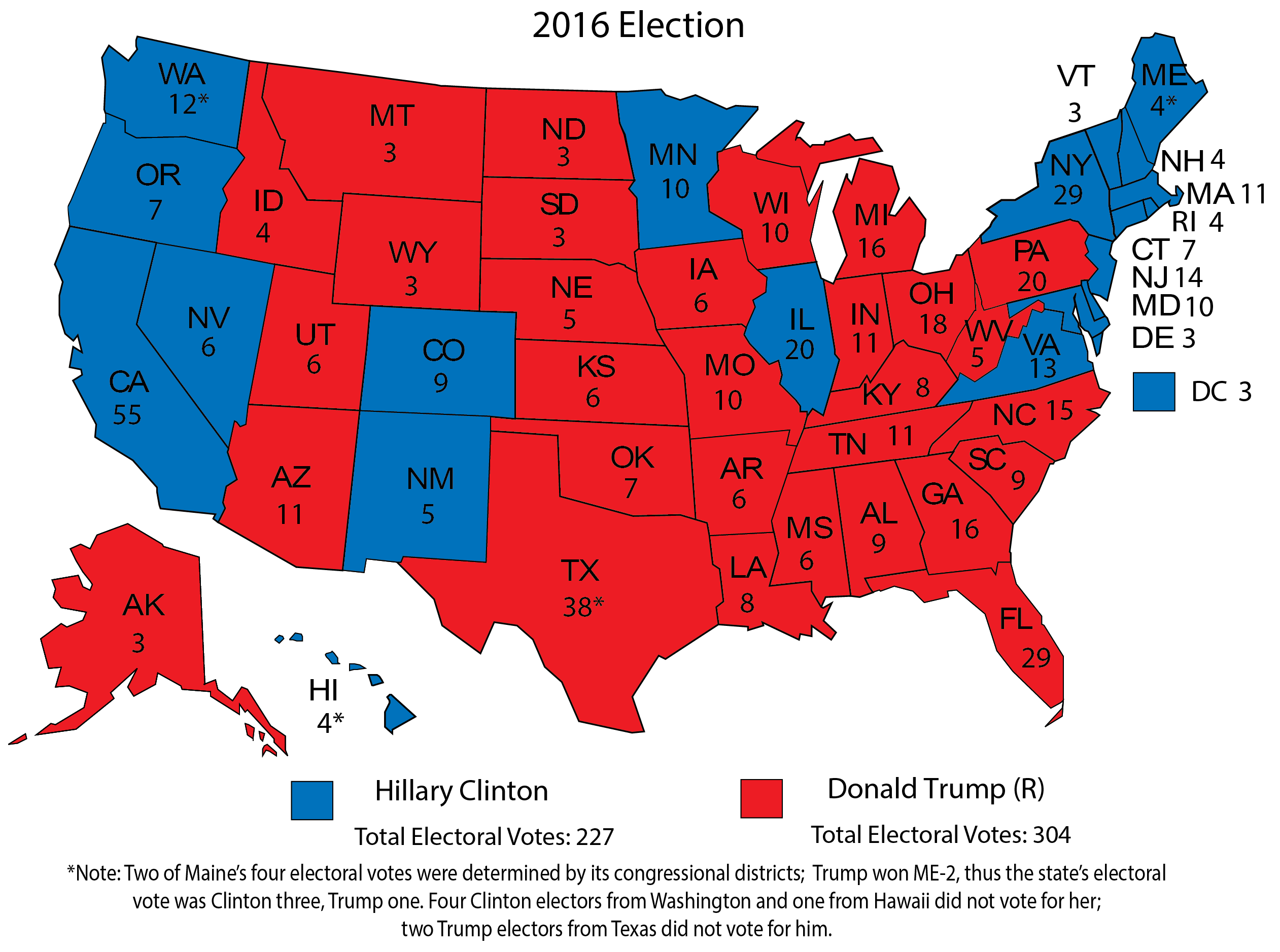
The total number of electors nationwide is 538, comprised of the 435 members of the House, the 100 senators, and three electors for Washington, D.C.. A candidate needs to win a majority of 270 electoral votes to become president. The weight of Florida’s 30 electoral votes, therefore, makes it a highly contested battleground in every presidential election, influencing campaign strategies and resource allocation by both major political parties.
Historical Context and Evolution
The Electoral College system has been a subject of debate since its inception. Critics argue that it can lead to a situation where the winner of the popular vote does not win the presidency, as has happened in several U.S. elections, most notably in 2000 and 2016. Supporters contend that it protects the interests of less populated states and promotes national unity by requiring candidates to build broad coalitions across different regions and demographics.
Florida’s role in this system has become increasingly prominent. Its large and diverse population, coupled with its status as a swing state, means that its electoral votes are often decisive in determining the outcome of presidential contests. This heightened importance can sometimes influence national policy discussions and media coverage, which in turn can draw the attention of potential visitors interested in understanding the nuances of American politics and its relationship to regional identity.
Florida’s Electoral Votes and Tourism
While the number of electoral votes a state possesses is a political metric, it has indirect implications for sectors like tourism. A state’s political significance can influence national attention, media coverage, and even federal investment, all of which can indirectly affect its appeal as a tourist destination. Florida’s consistent presence in national political discussions, partly due to its substantial electoral vote count, keeps it in the public eye, reinforcing its image as a vibrant and important state.
The “Sunshine State” as a Political Bellwether
Florida’s status as a “bellwether” state—one whose voting patterns tend to predict the national outcome of presidential elections—is intrinsically linked to its demographic makeup and its large number of electoral votes. This political prominence means that presidential candidates and their campaigns often spend significant time and resources in Florida, leading to increased media attention on the state’s cities, issues, and people. This amplified visibility can inadvertently boost interest in Florida as a travel destination, as potential visitors are exposed to more content about its attractions and culture.
For instance, news coverage surrounding presidential rallies in cities like Jacksonville or Miami, or discussions about Florida’s voting trends, can spark curiosity among individuals who may not have previously considered visiting. The state’s diverse attractions, from the Walt Disney World Resort in Orlando to the historic streets of St. Augustine, are already well-known. However, the sustained national focus due to its electoral weight can serve as a constant reminder of Florida’s importance and dynamism, subtly encouraging tourism.

Economic Ripples and Tourism Development
The economic impact of presidential campaigns in Florida is also a factor. While the primary focus is political, the presence of national campaigns, media crews, and visiting dignitaries translates into economic activity. Hotels, restaurants, and local businesses in cities that host campaign events often see a temporary boost in patronage. This economic vibrancy, even if politically driven, can contribute to an overall perception of Florida as a thriving and dynamic state, which can positively influence its appeal to tourists looking for lively and engaging destinations.
Furthermore, federal attention and potential policy considerations that arise from a state’s electoral significance can sometimes translate into investments in infrastructure or public spaces, which can, in turn, enhance the visitor experience. While the direct link between electoral votes and tourism development is complex and indirect, it’s undeniable that a state’s political clout contributes to its national profile. For Florida, with its 30 electoral votes, this profile is consistently high, helping to maintain its status as a premier destination for millions of visitors each year, seeking its renowned beaches, theme parks, and unique cultural experiences.
LifeOutOfTheBox is a participant in the Amazon Services LLC Associates Program, an affiliate advertising program designed to provide a means for sites to earn advertising fees by advertising and linking to Amazon.com. Amazon, the Amazon logo, AmazonSupply, and the AmazonSupply logo are trademarks of Amazon.com, Inc. or its affiliates. As an Amazon Associate we earn affiliate commissions from qualifying purchases.