
The question “Who is the Secretary of California?” often arises when discussing the administrative and governmental landscape of the Golden State. While the title might initially conjure images of a single, high-profile individual akin to a national Secretary of State, the reality within California’s governmental structure is more nuanced and distributed. California, being the most populous state in the United States, possesses a complex bureaucracy designed to manage its diverse and extensive responsibilities. Understanding the key figures and offices involved in the state’s administration requires looking beyond a singular role and appreciating the multifaceted nature of its leadership.
The Lieutenant Governor: A Key Executive Officer
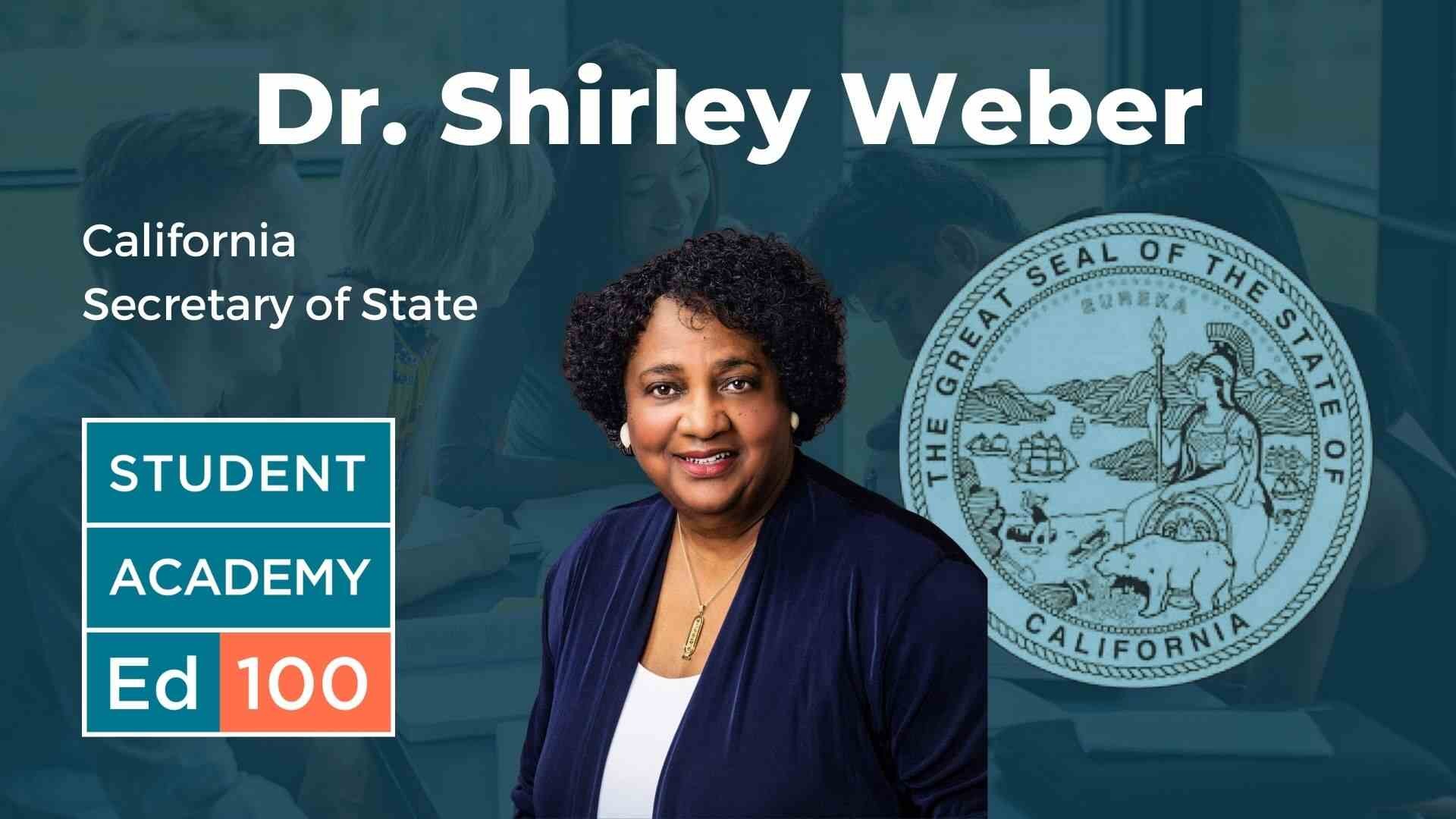
While not holding the title of “Secretary of California” in a singular sense, the Lieutenant Governor of California serves as a crucial executive officer and a prominent figure in the state’s governance. The Lieutenant Governor is elected independently of the Governor, a unique feature in American politics, and plays a significant role in policy and administration.
Constitutional Duties and Responsibilities
The constitutional duties of the Lieutenant Governor are manifold and impactful. They act as the presiding officer of the California State Senate, a role that grants them considerable influence over legislative proceedings. In this capacity, they can guide debate, rule on points of order, and cast tie-breaking votes. This position positions the Lieutenant Governor as a bridge between the executive and legislative branches, fostering a degree of inter-branch cooperation.
Beyond their legislative duties, the Lieutenant Governor is also a member of various state boards and commissions. These can include bodies related to economic development, education, and environmental protection, allowing them to actively shape policy and oversee initiatives across a broad spectrum of state affairs. Furthermore, the Lieutenant Governor is authorized to succeed the Governor in the event of death, resignation, or removal from office, underscoring their significant position within the executive leadership.
Policy Initiatives and Public Engagement
In modern times, Lieutenant Governors have increasingly leveraged their office to champion specific policy agendas and engage directly with the public. They often focus on issues of particular importance to their constituents and the state as a whole, whether it be advancements in technology, improvements in educational access, or the promotion of renewable energy initiatives. This proactive approach ensures that the office remains relevant and influential, contributing to the ongoing dialogue and development of California’s future. Their public appearances, speeches, and involvement in community events further solidify their presence as a key leader within the state.
The Secretary of State: Guardian of Records and Elections
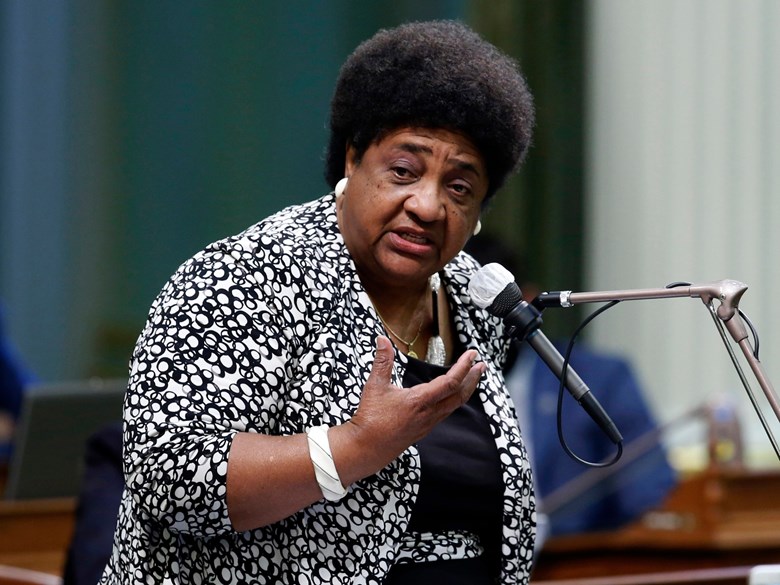
Another crucial office that often causes confusion when discussing “Secretaries” in California is the Secretary of State of California. This office is distinct from the Lieutenant Governor and holds significant responsibilities related to the state’s democratic processes and official records.
Election Administration and Integrity
The Secretary of State is the chief election official for California. This responsibility is paramount, encompassing the oversight of statewide elections, ensuring their fairness, accuracy, and accessibility. This includes tasks such as registering voters, certifying ballots, overseeing the counting of votes, and responding to any challenges or disputes that may arise. The office plays a vital role in safeguarding the integrity of the democratic process, a cornerstone of governance in California.
Business Filings and Public Records
Beyond elections, the Secretary of State’s office serves as the official custodian of numerous public records. This includes the registration of businesses, corporations, and other entities operating within the state. Companies looking to establish themselves in California, from multinational corporations to small startups, must file the necessary paperwork with this office. This function is critical for the state’s economy, providing a clear framework for business operations and ensuring transparency.
Furthermore, the office maintains records related to notary publics, trademarks, and official acts of the Governor. This extensive archival role makes the Secretary of State a central hub for a vast array of essential governmental and commercial information, accessible to the public and crucial for various legal and business transactions.
The Governor’s Cabinet and Appointed Secretaries
When considering the broader executive branch and its operational leadership, the Governor’s Cabinet and the various secretaries appointed by the Governor come into play. While there isn’t a single “Secretary of California,” the Governor oversees numerous departments, each headed by a Secretary who is a key player in their respective domains. These individuals are appointed by the Governor and serve at their pleasure, forming the core of the executive administration.
Departmental Leadership and Policy Implementation
The Governor’s Cabinet is comprised of Secretaries who lead major state departments. These departments cover a wide range of critical functions, such as:
- California Health and Human Services Agency: Overseeing healthcare, social services, and public health initiatives.
- California Business, Consumer Services and Housing Agency: Focusing on economic development, consumer protection, and housing policies.
- California Environmental Protection Agency: Leading efforts in environmental stewardship, pollution control, and conservation.
- California Department of Transportation (Caltrans): Managing the state’s vast transportation infrastructure, including roads and highways.
- California Department of Education: Leading educational policy and oversight across the state.
Each Secretary is responsible for implementing the Governor’s policy agenda within their department, managing large budgets, and overseeing thousands of state employees. They are instrumental in translating legislative mandates and executive directives into tangible actions that affect the lives of Californians daily. Their expertise and leadership are vital for the effective functioning of the state government.
Strategic Direction and Inter-Agency Coordination
The Secretaries, as members of the Governor’s Cabinet, also play a crucial role in shaping the overall strategic direction of the state. They collaborate with each other and with the Governor’s senior staff to address complex issues that often cut across departmental lines. For example, initiatives related to climate change might involve collaboration between the Environmental Protection Agency, the Department of Transportation, and the Business, Consumer Services and Housing Agency.
This inter-agency coordination is essential for developing comprehensive and effective solutions to California’s most pressing challenges. The Secretaries serve as key advisors to the Governor, providing insights and recommendations based on their departmental expertise and experience. Their collective efforts are fundamental to the successful governance of a state as large and dynamic as California.

Conclusion: A Distributed Leadership Model
In conclusion, the question “Who is the Secretary of California?” doesn’t point to a single individual with that specific title. Instead, it highlights a distributed model of leadership and administration. The Lieutenant Governor and the Secretary of State are elected officials with distinct and vital constitutional roles. Furthermore, the Governor’s Cabinet, composed of appointed Secretaries leading various state agencies, forms the executive backbone of California’s government, responsible for implementing policy and managing the state’s diverse operations. Each of these figures, within their respective spheres of influence, contributes significantly to the governance and well-being of the Golden State. Understanding these distinct roles is key to appreciating the intricate and effective administrative structure of California.
LifeOutOfTheBox is a participant in the Amazon Services LLC Associates Program, an affiliate advertising program designed to provide a means for sites to earn advertising fees by advertising and linking to Amazon.com. Amazon, the Amazon logo, AmazonSupply, and the AmazonSupply logo are trademarks of Amazon.com, Inc. or its affiliates. As an Amazon Associate we earn affiliate commissions from qualifying purchases.