
California, a state renowned globally for its diverse landscapes, iconic cities, and vibrant culture, attracts millions of tourists annually. From the sun-kissed beaches of San Diego to the majestic peaks of Yosemite National Park and the sophisticated vineyards of Napa Valley, the Golden State offers an unparalleled array of experiences. While visitors often focus on attractions and activities, an underlying component crucial to their safety and the preservation of these cherished destinations is the state’s robust firefighting force. Understanding the scale and structure of California’s fire services offers valuable insight into the resilience and preparedness that underpins its thriving tourism industry.
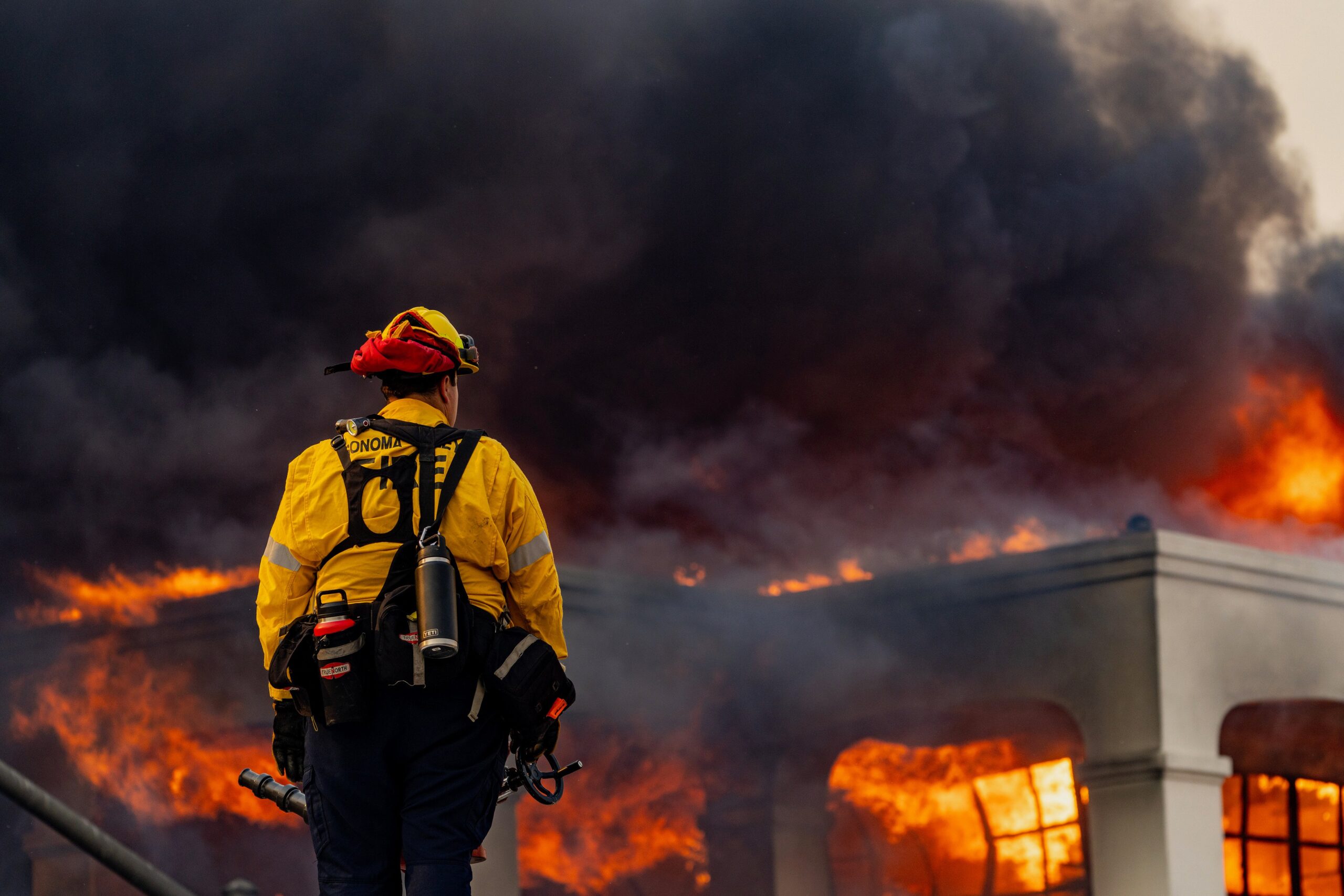
Safeguarding the Golden State: The Backbone of Public Safety and Tourism
The sheer beauty and geographical diversity of California come with inherent challenges, particularly wildfires, earthquakes, and other natural disasters. For tourists, the confidence that emergency services are highly capable and readily available is often an unspoken, yet fundamental, aspect of a pleasant and secure travel experience. The firefighters of California are not just responding to emergencies; they are actively preserving the natural beauty, urban infrastructure, and cultural sites that draw visitors from around the world. Their tireless efforts ensure that when a crisis strikes, the impact on communities and tourist destinations is mitigated, allowing for quicker recovery and sustained visitor confidence. This network of dedicated professionals forms a vital safety net, protecting everything from historic landmarks to bustling city centers and pristine wilderness areas.
The Complex Landscape of California’s Fire Services
Pinpointing an exact, static number of firefighters in California is challenging due to the state’s multi-layered and dynamic emergency response structure. Unlike a single, monolithic entity, fire protection in California is a collaborative effort involving various agencies at state, county, municipal, and even federal levels, each with distinct responsibilities and jurisdictions. These departments work in concert, particularly during large-scale incidents like wildfires, to provide comprehensive coverage across the state’s vast and varied terrain.
Cal Fire: The Wildland Guardians
At the forefront of wildland fire protection is the California Department of Forestry and Fire Protection, universally known as Cal Fire. This state agency is responsible for protecting over 31 million acres of California’s privately owned wildlands and providing emergency services to 36 of the state’s 58 counties through local cooperative agreements. Cal Fire maintains a substantial force of professional firefighters, including permanent staff and a significant number of seasonal firefighters hired to augment resources during the peak fire season, which now often extends year-round. Their specialized training in wildland firefighting, often involving air tankers and helicopters, is crucial for protecting the state’s forests, parks, and rural communities, many of which are popular tourist destinations. Without Cal Fire’s robust presence, iconic natural attractions like the redwood forests or the scenic coastline of Big Sur would be at significantly higher risk.
Municipal and County Departments: Urban and Suburban Protectors
Complementing Cal Fire are the numerous municipal and county fire departments that serve California’s cities and unincorporated areas. These departments are typically responsible for structural fires, medical emergencies (often providing advanced life support), hazardous materials incidents, technical rescues, and local disaster response. Major metropolitan areas like Los Angeles have large, world-renowned departments such as the Los Angeles Fire Department (LAFD), while San Francisco relies on the San Francisco Fire Department (SFFD). Each department, whether in a major city, a suburban town, or a rural county, employs a dedicated team of firefighters, paramedics, and support staff. The exact number of personnel varies widely by jurisdiction, reflecting the population density, risk factors, and financial resources of each community. These urban and suburban fire services directly protect tourist infrastructure, from hotels and restaurants to museums and entertainment venues, ensuring that visitor experiences are safe and uninterrupted.
Additionally, federal agencies like the U.S. Forest Service play a critical role in managing and protecting federal lands within California, including many national forests that are popular for camping, hiking, and other outdoor activities. They contribute their own dedicated firefighting resources, often working in close coordination with state and local agencies during large incidents.

Estimating the Force: Numbers and Challenges
Given the distributed nature of fire services, a precise, real-time count of all firefighters in California is elusive. However, based on data from various state and national fire associations, as well as departmental reports, it is possible to provide a general estimate. California is home to tens of thousands of professional firefighters. This includes:
- Career Firefighters: Estimates often place the number of career firefighters—those employed full-time by municipal, county, and state agencies—somewhere in the range of 30,000 to 35,000 individuals. This figure encompasses the diverse roles from engine company personnel to specialized hazardous materials teams and administrative leadership.
- Seasonal Firefighters: Cal Fire alone employs thousands of seasonal firefighters during peak wildfire seasons. These numbers fluctuate annually based on funding, recruitment, and projected fire risk.
- Volunteer Firefighters: Many smaller, rural communities across California rely on dedicated volunteer firefighters. While their numbers are harder to quantify precisely, they represent a significant force, adding thousands more to the state’s overall firefighting capacity. These volunteers are often crucial in protecting remote areas that are increasingly attractive to eco-tourists and outdoor enthusiasts.
Considering all these categories, the total number of individuals actively involved in firefighting across California at any given time, particularly during a major fire event, can easily swell to well over 40,000 to 50,000 individuals. This combined force represents a massive, coordinated effort to protect lives, property, and the natural resources that are vital to the state’s identity and its tourism appeal.
Beyond the Permanent Roster: Volunteers and Seasonal Crews
The flexibility provided by seasonal crews and volunteer departments is particularly vital in California. Seasonal firefighters allow Cal Fire to scale its operations dramatically during the heightened risk of fire season without maintaining a year-round force of that size. These individuals are often the first line of defense in remote areas, protecting crucial infrastructure and natural wonders. Volunteer departments, frequently found in smaller towns in counties like Santa Barbara or Orange County, play an indispensable role in local emergency response, complementing professional career departments and ensuring coverage where full-time staff might not be feasible. This adaptable system ensures that the state can respond to varying levels of threat, from small-scale incidents in urban centers to massive wildland conflagrations that span multiple counties.
The Unseen Impact on California Tourism
The presence of a large, well-equipped, and coordinated firefighting force has a profound, if often unacknowledged, impact on California’s tourism sector.
Preservation of Tourist Destinations
Firefighters are the frontline guardians of the state’s most cherished assets. They protect the ancient redwood forests, the serene beaches, the bustling downtowns of Los Angeles and San Francisco, and the historic sites in Sacramento. Without their efforts, wildfires could decimate national parks, mudslides triggered by burn scars could close scenic highways like those in Big Sur, and urban fires could destroy architectural gems. Their work ensures that the very attractions tourists travel to see remain intact and accessible for future generations.

Visitor Safety and Emergency Preparedness
For tourists, knowing that there’s a robust emergency response system in place contributes significantly to peace of mind. While on vacation, visitors may encounter unforeseen emergencies, from minor medical incidents to larger-scale natural disasters. The prompt and professional response of California’s firefighters, who are often cross-trained as paramedics, ensures that visitors receive timely aid. Moreover, their presence allows for effective disaster preparedness and evacuation plans, which are crucial for minimizing risks to visitors during events like wildfires or earthquakes. Awareness campaigns by fire departments also educate the public, including tourists, on fire safety practices, helping to prevent incidents that could disrupt travel plans or endanger lives. This foundational safety ensures that California can continue to brand itself as a desirable and secure destination.
LifeOutOfTheBox is a participant in the Amazon Services LLC Associates Program, an affiliate advertising program designed to provide a means for sites to earn advertising fees by advertising and linking to Amazon.com. Amazon, the Amazon logo, AmazonSupply, and the AmazonSupply logo are trademarks of Amazon.com, Inc. or its affiliates. As an Amazon Associate we earn affiliate commissions from qualifying purchases.