
Understanding the financial landscape of California is paramount for anyone contemplating a move, an extended stay, or even just budgeting for a significant period in the Golden State. Often dubbed a high-tax state, California’s taxation policies profoundly influence the lifestyle choices, financial planning, and overall cost of living for its residents and those aspiring to experience its unique allure. From the sprawling urban centers of Los Angeles and San Francisco to the serene wine regions and vibrant tech hubs, the state offers unparalleled opportunities and experiences, but these come with a distinct financial framework. This comprehensive look delves into the various taxes that shape the Californian lifestyle, offering insights into what to expect and how to plan effectively.
Understanding California’s Tax Landscape for Lifestyle Planning
California’s reputation for a robust economy and innovative industries is often balanced by its known higher cost of living, with taxation playing a significant role in this equation. For individuals and families considering relocation, retirement, or establishing a business presence, a clear understanding of the state’s tax structure is not just prudent—it’s essential for sound lifestyle planning. The state relies on a diverse set of taxes to fund its extensive public services, infrastructure, and educational systems, which contribute to the quality of life enjoyed by many.
This intricate web of taxation includes state income tax, sales tax, property tax, and various other levies that collectively impact an individual’s disposable income, purchasing power, and long-term financial stability. These taxes affect everything from the price of daily necessities to the cost of luxury goods and real estate. Consequently, budgeting for a move to California, planning for retirement within its borders, or assessing the profitability of a business venture here requires careful consideration of how these taxes will interact with one’s financial goals and desired lifestyle. The decision to embrace the Californian way of life, with its vibrant culture, diverse landscapes, and economic opportunities, invariably involves a detailed assessment of its financial implications, starting with its tax burden.
The Core Pillars of Taxation Affecting Your California Lifestyle
Navigating the financial landscape of California necessitates a deep dive into its primary taxation pillars. These taxes are not merely line items on a budget; they are fundamental components that shape everything from your daily spending habits to long-term investment strategies and overall financial freedom.
State Income Tax
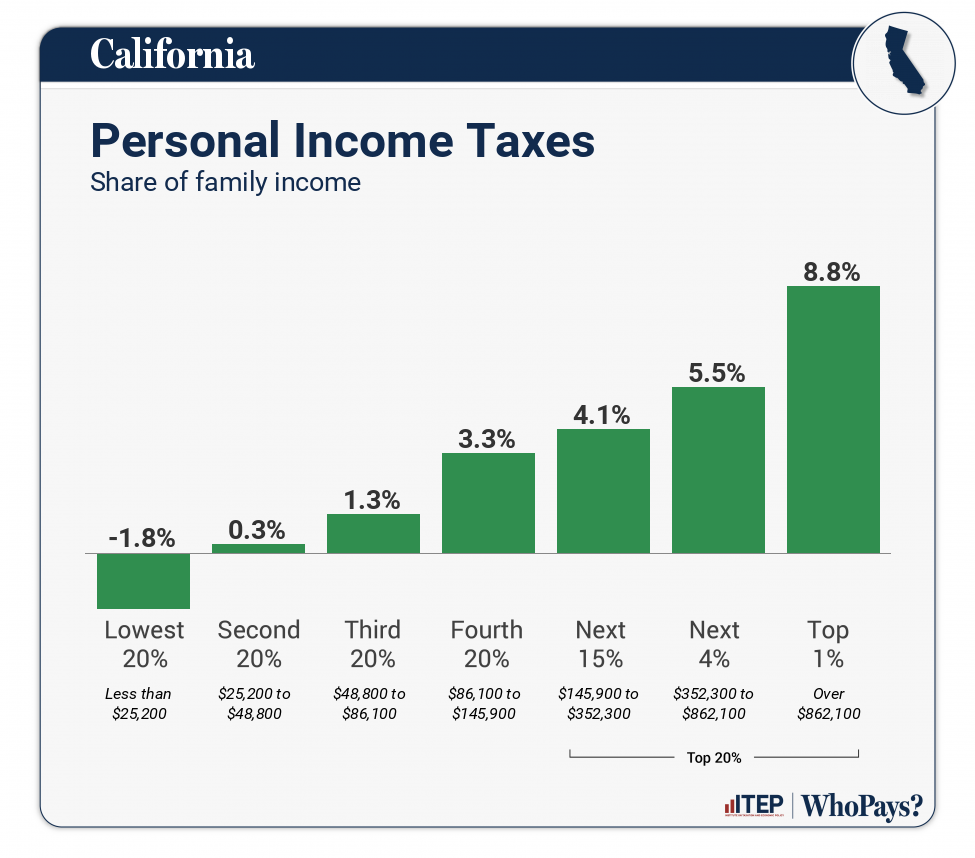
California is renowned for having one of the most progressive state income tax systems in the United States, meaning higher earners contribute a larger percentage of their income. The state income tax structure features multiple brackets, with rates currently ranging from 1% to 12.3%, plus an additional 1% surcharge on taxable incomes over $1 million for the Mental Health Services Act. This cumulative rate means that top earners can face a combined state income tax rate of 13.3%. This progressive system significantly impacts the disposable income of residents, particularly those in higher income brackets, which is a critical consideration for luxury spending, investment potential, and even the feasibility of residing in high-cost-of-living areas like San Francisco or Silicon Valley. For individuals accustomed to lower or no state income tax, the adjustment can be substantial, requiring careful financial planning to maintain their desired lifestyle without unexpected budgetary constraints. The implications extend to professional salaries, investment gains, and retirement income, making it a central factor in any Californian financial strategy.
Sales Tax
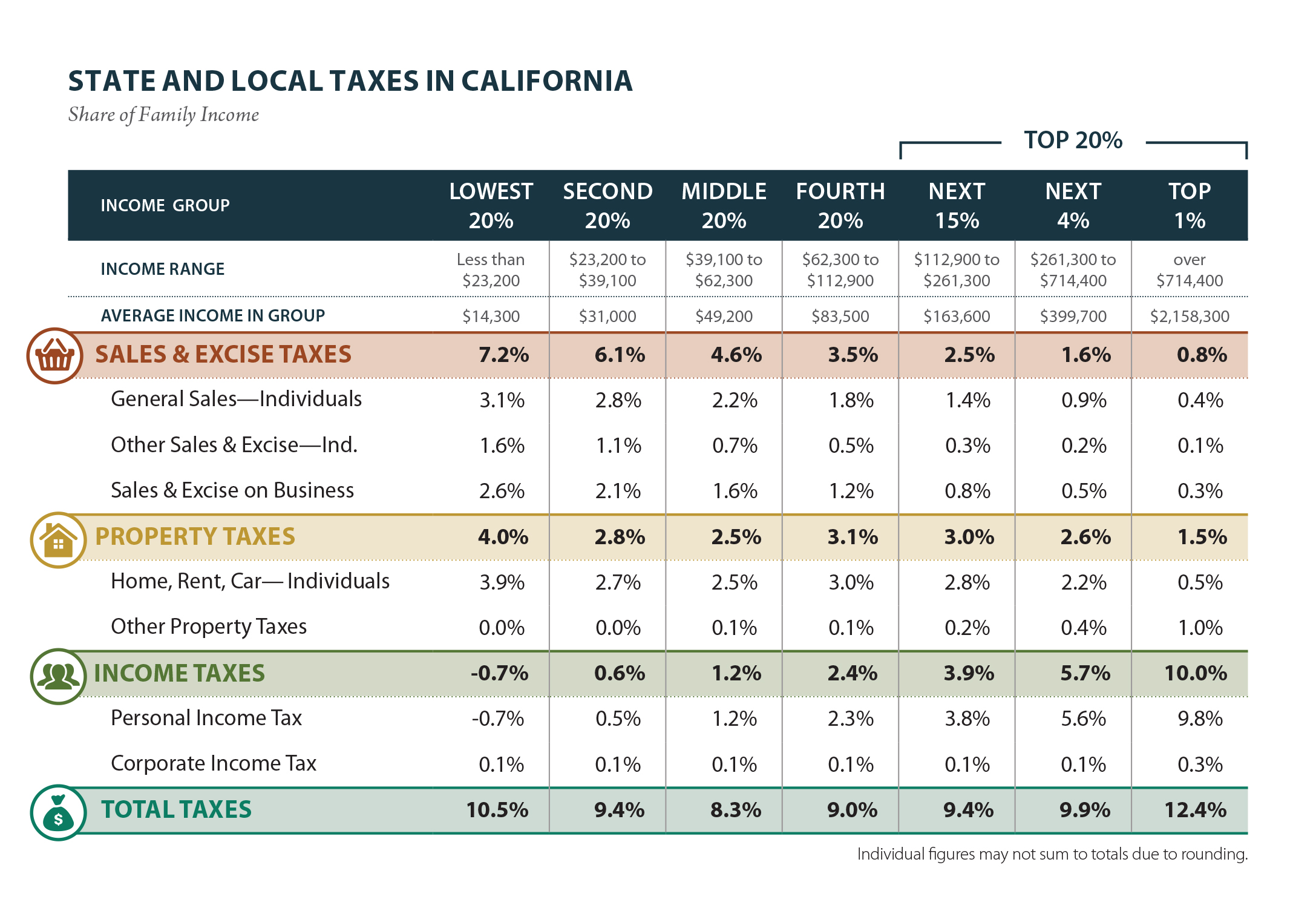
Beyond income, sales tax directly influences the cost of goods and services purchased daily. California has a statewide base sales tax rate of 7.25%, which is among the highest in the nation. However, this is merely the starting point. Local municipalities and districts often levy additional sales taxes, leading to combined rates that can exceed 10% in various cities and counties. For instance, in parts of Los Angeles County, the sales tax rate can reach 9.5% or even higher, depending on the specific district. This means that everyday purchases, from groceries (though many food items are exempt) and clothing to electronics and dining out, become more expensive. For budget-conscious individuals or those accustomed to states with lower sales taxes, this cumulative burden can significantly impact their purchasing power. Even luxury shoppers will notice the impact on high-value items. Understanding the local sales tax rates is crucial when planning retail therapy sessions or budgeting for larger purchases like vehicles or furniture, as it directly adds to the final price tag.
Property Tax
Property tax is another substantial financial consideration, especially for homeowners and those considering long-term residency or investing in real estate in California. While California is famous for Proposition 13, which limits the annual increase in assessed property value to 2% (plus adjustments for inflation, with significant reassessments occurring only upon change of ownership), the initial purchase price of homes in the state is exceptionally high. This means that even with Proposition 13’s protections, new homeowners often face substantial property tax bills based on their purchase price. The typical effective property tax rate in California hovers around 0.74% of a home’s assessed value, which, given the multi-million-dollar average home prices in desirable areas, translates to tens of thousands of dollars annually. For retirees on fixed incomes or families looking to settle down, these property taxes are a critical component of their monthly housing costs and overall cost of living. They contribute significantly to the perceived affordability (or lack thereof) of owning a home and establishing roots in the state.
Other Significant Taxes
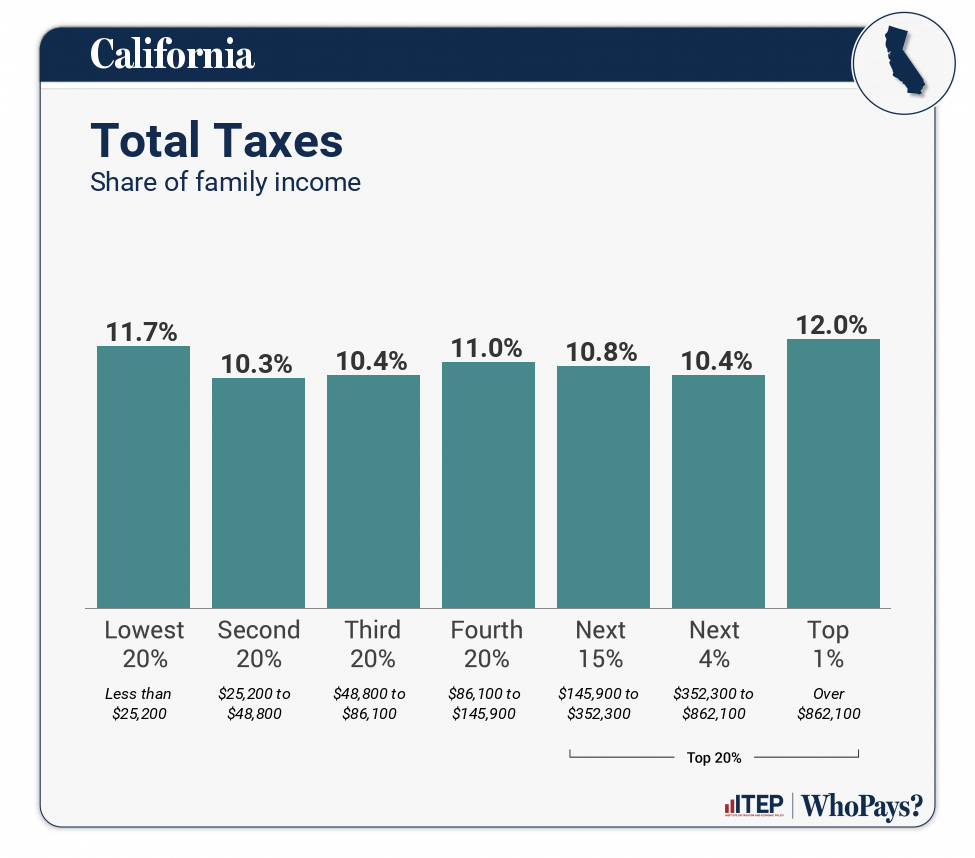
Beyond the big three, several other taxes contribute to the overall financial environment in California. The gasoline tax is among the highest in the nation, reflecting the state’s efforts to fund infrastructure and encourage fuel efficiency. With millions of cars on the road and long commutes being a norm in metropolitan areas, this tax directly impacts transportation costs and the feasibility of frequent road trips. Vehicle registration fees are also annual obligations for car owners, varying by vehicle type and value. Additionally, excise taxes on items like tobacco and alcohol contribute to the state’s revenue while influencing consumer behavior related to these lifestyle choices. These smaller, yet pervasive, taxes underscore the comprehensive nature of California’s tax system, each playing a role in shaping the financial aspect of the Californian lifestyle.
Navigating Tax Implications for Various Lifestyles in California
The diverse tapestry of California attracts individuals from all walks of life, each with unique financial considerations shaped by the state’s tax policies. Understanding how these taxes interact with different lifestyle stages and professional endeavors is key to effective financial navigation.
For the Relocating Professional
Professionals moving to California are often drawn by the allure of high-paying jobs in tech, entertainment, and other innovative industries. While salaries in cities like San Jose, San Francisco, and Los Angeles can be significantly higher than the national average, the state’s progressive income tax structure means a larger portion of that income will be withheld for state taxes. For someone earning in the top brackets, the combined state and federal income tax burden can be substantial. This necessitates a careful comparison of net income versus gross income when evaluating job offers. Furthermore, the overall cost of living, particularly housing, significantly impacts how far that net income stretches. A higher salary might be offset by exorbitant rent or mortgage payments, property taxes, and increased sales tax on daily expenses. Financial planning for a move to California should therefore encompass not just salary expectations but also a thorough analysis of post-tax disposable income and the true cost of maintaining a desired lifestyle in their chosen community.
For the Retirement Dreamer
California offers an idyllic retirement setting for many, with its temperate climate, diverse cultural attractions, and access to nature. However, retirees must carefully consider the tax implications for their fixed incomes. While California does not tax Social Security benefits, other forms of retirement income, such as pensions, 401(k)s, and IRAs, are subject to the state’s progressive income tax rates. This can significantly impact a retiree’s monthly budget, especially if they reside in the higher income tax brackets. Property tax implications are also crucial for retirees who own their homes. While Proposition 13 limits increases in assessed value, the initial purchase price and subsequent base year value can still result in substantial annual property tax bills. Estate planning also gains importance, as California has its own set of inheritance laws and potential transfer taxes, although it does not impose a state-level estate tax or inheritance tax. Crafting a retirement strategy in California requires a clear understanding of how these taxes will affect long-term financial stability and access to healthcare, leisure activities, and support services.
For the Entrepreneur/Business Owner
Entrepreneurs and business owners looking to establish or expand operations in California face a different set of tax challenges and opportunities. The state levies a corporate income tax on C-corporations, and while S-corporations and LLCs generally pass their income through to their owners (who then pay individual income tax), there are still annual minimum franchise taxes and other fees. California’s business tax environment is known for its complexity and can be a significant factor in business profitability and growth. Payroll taxes, including unemployment insurance and state disability insurance, also add to the cost of employing staff. Despite these costs, the state’s vast market, access to capital, and highly skilled workforce, particularly in tech hubs like Silicon Valley, often make it an attractive location for innovation and business expansion. Strategic tax planning, including entity selection and understanding available credits and incentives, is vital for entrepreneurs to thrive in this competitive yet rewarding environment.
For the Short-Term Visitor/Tourist (Lifestyle Experience)
Even short-term visitors or tourists experience the impact of California’s tax structure, albeit primarily through sales tax and transient occupancy (hotel) taxes. While sales tax directly increases the cost of dining, shopping, and entertainment, local hotel occupancy taxes can add a significant percentage (often ranging from 10-15% or more) to accommodation costs in popular tourist destinations like Anaheim, San Diego, or Santa Monica. For those planning luxury travel or extensive stays, these taxes can quickly accumulate, impacting the overall travel budget. Awareness of these costs allows tourists to budget more accurately for their California experience, ensuring that financial surprises don’t detract from enjoying the state’s world-class attractions and vibrant lifestyle.
Strategic Financial Planning in a High-Tax State
Navigating the tax landscape of California effectively requires more than just an understanding of the rates; it demands strategic financial planning. Given the complexity and scope of taxes, seeking professional advice from tax advisors and financial planners specializing in California tax law is not merely beneficial—it’s often essential. These experts can help individuals and businesses identify eligible deductions, credits, and exemptions that can significantly optimize their tax liability. For instance, homeowners might explore property tax relief programs, while high earners can investigate strategies for managing their marginal income tax rates.
Moreover, the decision to live or operate in California is often a balance between higher taxes and the exceptional quality of life, economic opportunities, and public services the state offers. The taxes collected fund world-class universities, extensive transportation networks, public parks, environmental protection initiatives, and a wide array of social programs that contribute to the state’s vibrant communities and innovative spirit. Understanding this value proposition is key. For many, the benefits of living amidst California’s natural beauty, cultural richness, and dynamic economy outweigh the higher tax burden. Therefore, strategic financial planning in California is not solely about minimizing taxes but about intelligently integrating tax considerations into a broader financial strategy that supports one’s desired lifestyle and long-term goals while appreciating the investments made in the state’s future.
LifeOutOfTheBox is a participant in the Amazon Services LLC Associates Program, an affiliate advertising program designed to provide a means for sites to earn advertising fees by advertising and linking to Amazon.com. Amazon, the Amazon logo, AmazonSupply, and the AmazonSupply logo are trademarks of Amazon.com, Inc. or its affiliates. As an Amazon Associate we earn affiliate commissions from qualifying purchases.