
Embarking on the journey of in vitro fertilization (IVF) is a deeply personal and often transformative decision for individuals and couples hoping to build a family. In California, a state renowned for its advanced medical facilities and diverse lifestyle offerings, the cost associated with IVF can be a significant consideration, impacting not only immediate financial planning but also long-term lifestyle choices. Understanding this landscape is crucial for anyone contemplating this path, as it represents a profound investment in one’s future and family life.
The Financial Landscape of IVF in California
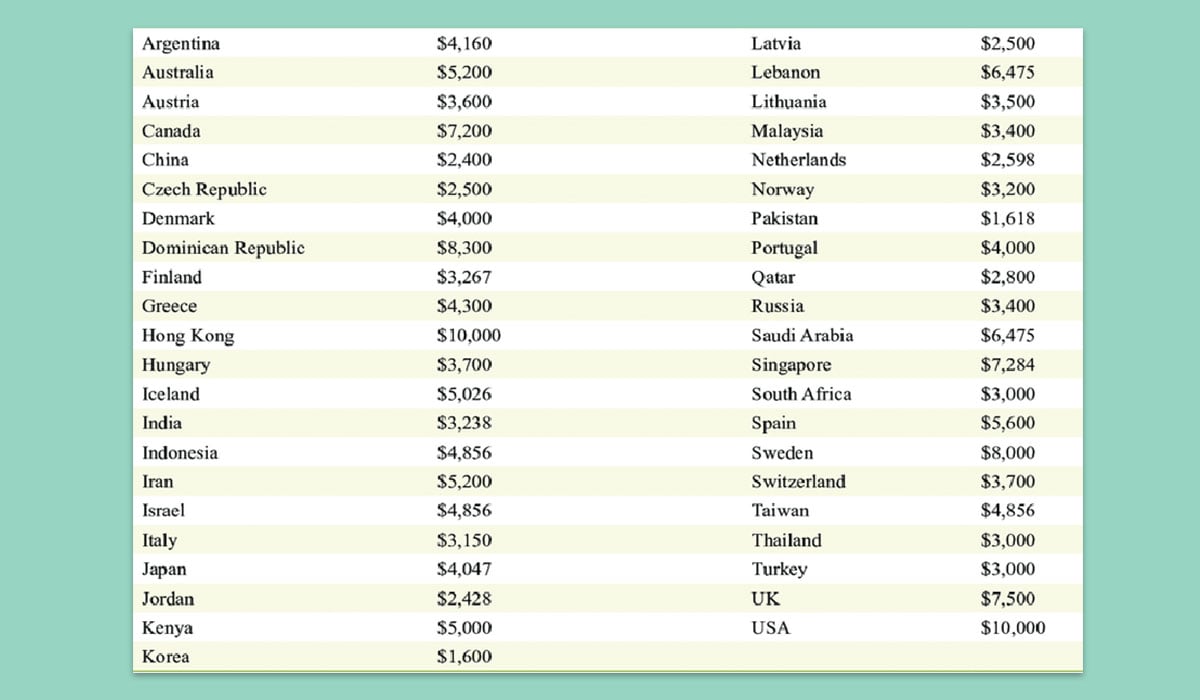
The price tag for a single cycle of IVF in California is not uniform and can vary widely, reflecting the complexity of the procedure, the specific needs of the patient, and the prestige or location of the clinic. Generally, a base IVF cycle in California can range anywhere from $12,000 to $25,000, and often significantly more once all associated costs are factored in. This baseline typically includes monitoring appointments, egg retrieval, fertilization, and embryo transfer. However, this figure rarely encompasses all the necessary components of a successful IVF journey, making comprehensive financial planning a cornerstone of the process.
Understanding the Baseline Costs
A standard IVF cycle begins with ovarian stimulation, where fertility medications are administered to encourage the ovaries to produce multiple eggs. This phase requires frequent monitoring through blood tests and ultrasounds. Following successful stimulation, eggs are retrieved in a minor surgical procedure, fertilized with sperm in a laboratory, and the resulting embryos are cultured. Finally, one or more embryos are transferred into the uterus.
The core cost often covers:
- Initial consultation and diagnostic testing: Before even starting, there are usually costs for initial assessments to determine the best course of action.
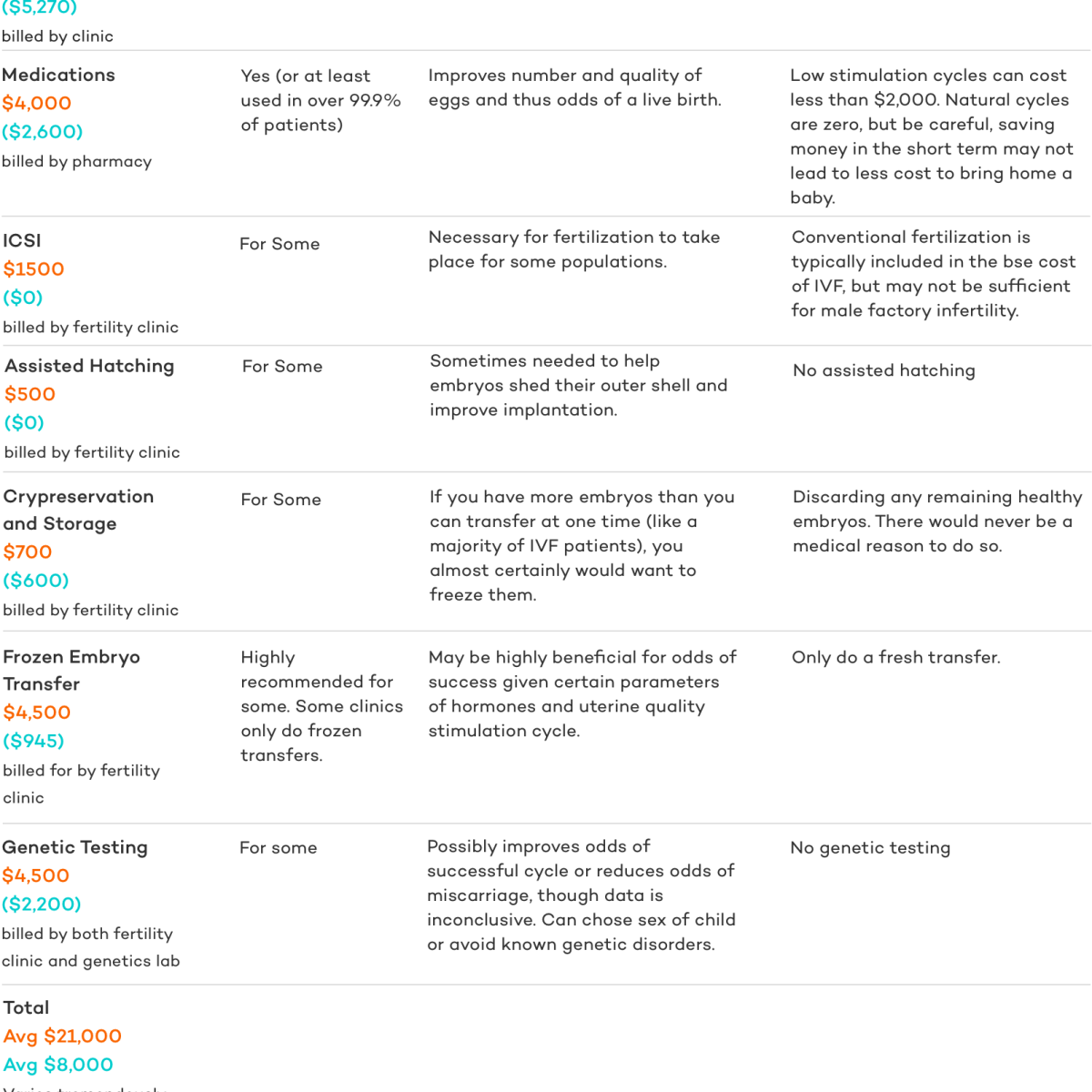
- Medications: Fertility drugs, including gonadotropins, antagonists, and trigger shots, are a substantial and non-negotiable part of the process. These alone can add $3,000 to $7,000 per cycle.
- Monitoring: Ultrasounds and blood tests throughout the stimulation phase are essential for tracking progress and preventing complications.
- Egg retrieval: This surgical procedure is performed under sedation and includes the cost of the anesthesiologist and the facility.
- Embryology laboratory fees: This covers the fertilization process, embryo culture, and the expertise of embryologists.
- Embryo transfer: The procedure to place the selected embryo(s) into the uterus.
These components form the backbone of the IVF cost. However, the patient’s individual circumstances and desired outcomes often necessitate additional procedures, dramatically altering the overall financial commitment.
Variable Factors Driving Expenses
Beyond the basic cycle, several factors can escalate the cost of IVF, transforming it into a more extensive financial undertaking. Understanding these variables is key to a realistic assessment of the lifestyle investment.
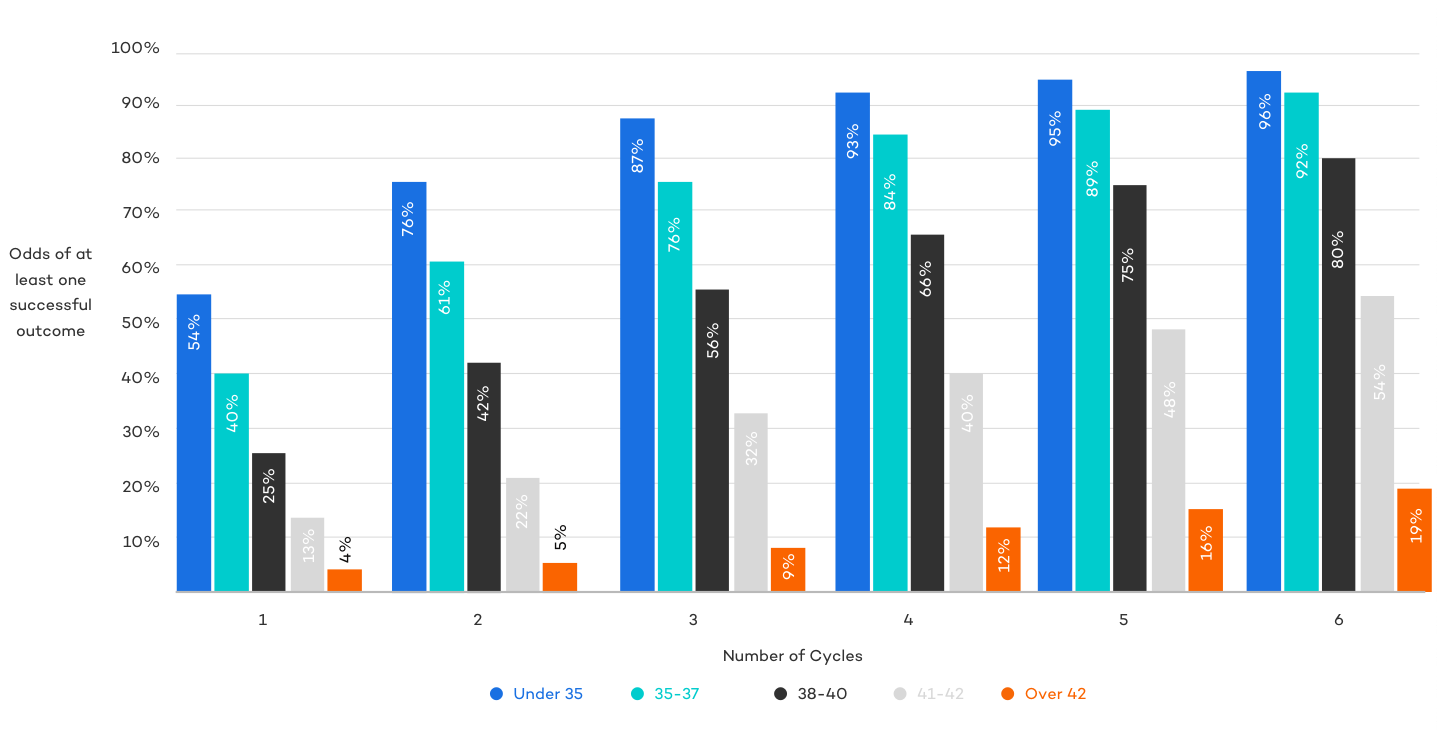
- Number of Cycles: Many patients require more than one IVF cycle to achieve a successful pregnancy. The cumulative cost of multiple cycles can quickly multiply, making it essential to budget for potential repeat attempts. Some clinics offer multi-cycle packages at a reduced rate per cycle, which can be a valuable consideration for long-term planning.
- Preimplantation Genetic Testing (PGT): PGT involves screening embryos for chromosomal abnormalities (PGT-A) or specific genetic diseases (PGT-M) before transfer. This highly recommended procedure for many patients, especially those of advanced maternal age or with a history of recurrent miscarriages, can add $3,000 to $7,000 per cycle, plus a biopsy fee per embryo.
- Cryopreservation and Storage: Freezing surplus embryos or eggs for future use is a common practice, offering flexibility and reducing the need for full stimulation cycles later. Initial cryopreservation costs can range from $500 to $1,500, with annual storage fees typically between $500 and $1,000.
- Intracytoplasmic Sperm Injection (ICSI): If male factor infertility is present, ICSI, where a single sperm is injected directly into each egg, is often necessary. This procedure usually adds $1,500 to $2,500 to the cycle cost.
- Assisted Hatching: In some cases, a laser is used to thin the outer shell of the embryo to aid implantation, adding a few hundred dollars.
- Donor Gametes or Surrogacy: If donor eggs, sperm, or a gestational carrier are needed, the costs skyrocket significantly. Donor egg cycles can range from $30,000 to $50,000+, while surrogacy arrangements can run into six figures, factoring in agency fees, legal costs, medical procedures, and compensation for the surrogate. These are major lifestyle decisions with profound financial implications.
- Clinic Reputation and Location: Clinics in prime locations within California, such as Los Angeles or San Francisco, might have higher overheads and therefore charge more. Highly reputable clinics with impressive success rates may also command higher fees.
Navigating the Lifestyle Investment
Considering IVF as a “lifestyle investment” emphasizes its profound impact on financial planning, personal priorities, and future goals. It’s not merely a medical bill but a significant allocation of resources that can influence housing decisions, career paths, travel plans, and overall financial well-being for years to come.
Insurance Coverage and Lifestyle Planning
One of the most critical aspects of managing IVF costs in California is understanding insurance coverage. Unlike many other states, California does not mandate insurance companies to cover IVF procedures, though some plans may cover diagnostic testing or fertility medications. This lack of a mandate means coverage is highly dependent on the specific employer and health plan.
Many patients find that their insurance covers diagnostic services and a portion of fertility medications, but not the actual IVF procedure itself. Some employers, particularly larger companies, may offer specific fertility benefits as part of their employee benefits package to attract and retain talent. These benefits can significantly reduce the out-of-pocket expenses.
When planning your lifestyle around potential IVF costs:
- Thoroughly review your policy: Contact your insurance provider directly to understand what is covered, what isn’t, and what criteria must be met for coverage (e.g., trying to conceive for a certain period, specific diagnoses).
- Explore employer benefits: If you or your partner have employer-provided insurance, inquire about any specific fertility benefits. Some companies use third-party administrators for fertility benefits, which might not be immediately obvious in your standard health plan.
- Consider a new plan: If your current insurance offers minimal coverage, it might be worth exploring other insurance options during open enrollment, though direct IVF coverage is rare in California without employer-specific mandates.
- Flexible Spending Accounts (FSAs) and Health Savings Accounts (HSAs): These accounts allow you to set aside pre-tax money for medical expenses, including IVF costs, offering a valuable tax advantage that can ease the financial burden. Incorporating these into your financial lifestyle planning is highly recommended.
Financing Options and Financial Well-being
Given the substantial costs, many individuals and couples explore various financing options to make IVF treatment accessible without completely derailing their financial well-being.
- Clinic-Specific Packages: Many fertility clinics offer financial packages, such as multi-cycle discounts, shared-risk programs (where a refund is provided if pregnancy isn’t achieved after a certain number of cycles), or financing plans directly through the clinic or third-party lenders. These can provide predictability and potentially reduce overall costs.
- Medical Loans: Specialized medical loan providers offer financing specifically for fertility treatments. These loans often come with competitive interest rates and payment plans tailored to medical expenses.
- Personal Loans/Credit Cards: While an option, these typically carry higher interest rates and should be approached with caution to avoid accumulating high-interest debt that could impact future lifestyle choices.
- Grants and Foundations: Several non-profit organizations offer grants to help cover the cost of fertility treatments. While competitive, these can provide much-needed financial relief. Researching organizations like RESOLVE: The National Infertility Association or various regional foundations is a proactive step.
- Crowdfunding: Platforms like GoFundMe have become a common way for individuals to raise funds from their community, allowing friends and family to contribute to this significant life goal.
Integrating these financing strategies into a broader lifestyle budget ensures that the dream of parenthood remains attainable without compromising other crucial aspects of life, such as savings for retirement, education, or future travel.
Beyond the Monetary: The Holistic Lifestyle Impact
The cost of IVF extends far beyond the financial ledger. It encompasses significant emotional, physical, and psychological demands that profoundly impact a couple’s or individual’s daily life, career, and personal priorities. Recognizing these non-monetary costs is vital for comprehensive lifestyle planning.
Emotional and Physical Toll on Daily Life
The IVF journey is emotionally arduous. The constant hope, anxiety, waiting, and potential disappointment can strain mental health and relationships. The physical demands of daily injections, frequent clinic visits, and the side effects of medications can be draining. This intense period can affect work performance, social engagements, and overall zest for life. It often requires prioritizing self-care, seeking emotional support, and adjusting daily routines to accommodate appointments and recovery. This shift in focus is a significant lifestyle alteration.
Career, Travel, and Personal Priorities
IVF often requires a substantial time commitment. Regular clinic visits for monitoring, egg retrieval, and embryo transfer typically necessitate taking time off work. This can impact career progression, lead to lost income, or require discussions with employers about flexibility and confidentiality. For those with demanding careers or who value spontaneous travel, the structured schedule of IVF cycles can be challenging. Many couples put travel plans, home renovations, or other major life events on hold, redirecting their focus and resources entirely towards fertility treatment. This adjustment of personal priorities is a direct consequence of the IVF lifestyle investment. The dream of family often takes precedence over other life goals, at least temporarily.
Making Informed Decisions for Your Future Lifestyle
Approaching IVF with a clear understanding of all its dimensions – financial, emotional, and practical – empowers individuals to make informed decisions that align with their long-term lifestyle goals.
Clinic Selection and Transparency
Choosing the right fertility clinic is paramount. Beyond success rates, consider:
- Cost Transparency: Does the clinic provide a clear, itemized breakdown of all potential costs, including medications and additional procedures? Are there hidden fees?
- Support Services: Does the clinic offer psychological counseling, support groups, or financial counseling? These services can be invaluable for navigating the journey.
- Patient Experience: Read reviews, ask for testimonials, and consider the clinic’s communication style and responsiveness. A supportive and transparent clinic can significantly alleviate stress.
- Location and Accessibility: For repeated visits, the clinic’s proximity and ease of access can influence daily convenience and overall lifestyle disruption.
Support Systems and Community Resources
No one should navigate the IVF journey alone. Building a strong support system is a crucial lifestyle component. This includes:
- Partner Support: Open and honest communication with a partner is essential for navigating the emotional and financial stresses.
- Friends and Family: Lean on trusted individuals who can offer understanding and practical help.
- Support Groups: Connecting with others who understand the unique challenges of infertility can provide immense comfort and practical advice. Many clinics and non-profit organizations offer such groups.
- Professional Counseling: A therapist specializing in fertility issues can provide coping strategies and emotional resilience during this demanding time.
Ultimately, the cost of IVF in California is more than just a number; it’s a comprehensive lifestyle investment. It demands careful financial planning, emotional resilience, and a clear understanding of its broad implications. By being well-informed and strategic, individuals and couples can navigate this complex journey with greater confidence, paving the way for the family life they envision.
LifeOutOfTheBox is a participant in the Amazon Services LLC Associates Program, an affiliate advertising program designed to provide a means for sites to earn advertising fees by advertising and linking to Amazon.com. Amazon, the Amazon logo, AmazonSupply, and the AmazonSupply logo are trademarks of Amazon.com, Inc. or its affiliates. As an Amazon Associate we earn affiliate commissions from qualifying purchases.