
The Golden State’s Agricultural Abundance: A Culinary Tourism Perspective
California, often celebrated for its stunning coastlines, iconic cities, and diverse landscapes, holds another distinction that profoundly enriches its appeal for visitors: it is an unparalleled agricultural powerhouse. Far more than just a backdrop for scenic drives, the state’s vast farmlands and innovative producers are the bedrock of its vibrant local food culture, making it a prime destination for culinary tourism. Understanding the sheer scale and diversity of what California produces is essential for any traveler seeking to delve deeper into its authentic flavors, discover unique gastronomic experiences, and truly appreciate the farm-to-table philosophy that thrives here.

Annually, California consistently ranks as the leading agricultural state in the United States by value of output. Its fertile soils, diverse microclimates—from the cool coastal fog to the scorching inland deserts—and extensive irrigation systems create an ideal environment for growing an astonishing variety of crops. This agricultural bounty doesn’t just feed the nation; it directly shapes the travel experience, offering visitors everything from immersive farm tours and bustling farmers’ markets to world-class dining that champions local ingredients. For the discerning tourist, California’s food production isn’t merely an economic fact; it’s an invitation to a sensory journey unlike any other.
A Cornucopia of Crops: What Travelers Can Expect
The sheer volume and diversity of food produced in California are staggering, touching virtually every category of fresh produce and beyond. This translates directly into an unparalleled culinary landscape for visitors, promising fresh, seasonal ingredients almost year-round, no matter where in the state one travels.
Fruits and Nuts: Sweetening the Tourist Experience
California leads the nation in the production of a vast array of fruits and nuts, many of which are specialty items globally. When visiting, one quickly encounters the omnipresence of these crops. The state accounts for over 80% of the world’s almonds, a significant portion of its walnuts and pistachios. Travelers can explore the Central Valley, a major hub for nut production, and find local shops selling freshly roasted varieties or artisanal nut-based products.
Beyond nuts, California is synonymous with fresh fruit. It is the top producer of grapes, not just for wine but also for table grapes, especially from regions like the San Joaquin Valley. Strawberry fields blanket areas near the coast, particularly around Watsonville and Oxnard, offering seasonal U-pick experiences that are popular with families. Citrus fruits, including oranges, lemons, and grapefruits, thrive in warmer areas like the Coachella Valley and Imperial Valley, filling markets with their vibrant colors and fragrant aromas. And, of course, the state provides nearly 90% of the nation’s avocados, particularly from San Diego County, making fresh guacamole a ubiquitous and delightful menu item. For tourists, this means access to unparalleled freshness, whether at a roadside stand, a bustling urban market, or incorporated into creative dishes at upscale restaurants.
Vegetables and Grains: Farm-to-Table Delights
The term “salad bowl of the nation” often refers to California, and for good reason. The state grows over half of the country’s vegetables, including more than 90% of its artichokes (primarily from Castroville), a substantial portion of its lettuce, broccoli, carrots, and tomatoes. The Salinas Valley, in particular, is an agricultural powerhouse responsible for a massive share of the leafy greens consumed across North America.
This abundance directly fuels California’s renowned farm-to-table culinary scene. Restaurants in cities like San Francisco and Los Angeles proudly list their local suppliers, showcasing menus dictated by seasonal availability and peak freshness. Visitors can explore vibrant farmers’ markets in almost any town, where they can interact directly with growers and purchase produce often picked just hours before. While rice production might be less visible to tourists, California is also a significant grower, contributing to specialty products and local breweries.
Dairy and Livestock: Beyond the Produce Aisle
While produce often takes center stage, California’s agricultural output also includes a robust dairy and livestock industry. The state is a leading dairy producer, meaning fresh milk, cheese, and other dairy products are locally sourced and readily available. Artisan cheese makers thrive in regions like Sonoma County, offering tours and tastings that are a draw for foodies.
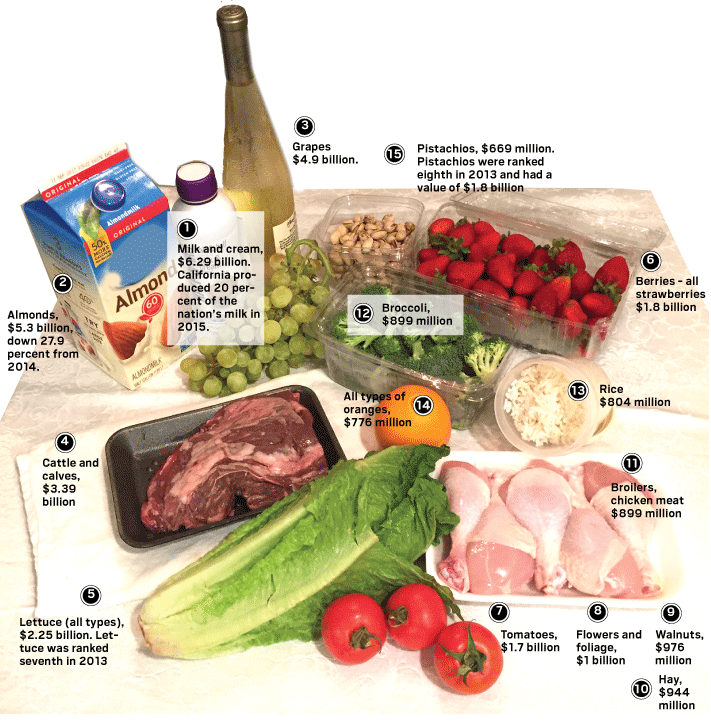
Furthermore, sustainable ranching practices are gaining traction, with local meats and poultry featuring prominently on menus that emphasize provenance and quality. Travelers can often find locally raised beef, lamb, and chicken at farmers’ markets and specialty butchers, reflecting a growing consumer interest in ethical and sustainable food systems. The availability of these high-quality animal products complements the vegetable bounty, allowing for a truly comprehensive local dining experience.
Exploring California’s Foodie Hotspots and Agricultural Trails
The scale of California’s food production is so immense that it has created distinct regions renowned for specific culinary offerings, turning entire areas into must-visit destinations for food and wine lovers.
Napa Valley and Sonoma County: Wine and Gourmet Food Mecca
Perhaps the most famous agricultural tourism destination is Napa Valley, closely followed by Sonoma County. These regions are synonymous with world-class wine production, attracting millions of visitors annually for vineyard tours, cellar door tastings, and gourmet dining experiences. The grapes grown here, predominantly Cabernet Sauvignon, Chardonnay, Merlot, and Pinot Noir, are transformed into wines that rival the best in the world. Beyond wine, the valleys are home to a vibrant ecosystem of artisan food producers—from olive oil presses and organic farms to bakeries and cheese makers—all benefiting from the fertile land and passionate local producers. Michelin-starred restaurants dot the landscape, offering exquisite dishes crafted from local ingredients, making a visit here a truly indulgent gastronomic adventure.
Central Valley and Salinas Valley: The Nation’s Salad Bowl
While less glamorous than the wine country, the Central Valley and Salinas Valley are the workhorses of California agriculture. The sheer scale of production here is breathtaking. Towns like Fresno in the Central Valley are surrounded by miles of orchards and fields. Visitors interested in understanding the origin of their food can find agritourism opportunities, including farm stays, seasonal festivals like the Gilroy Garlic Festival (a celebration of the region’s massive garlic output), and tours that offer insight into modern farming practices. The state capital, Sacramento, has also branded itself as “America’s Farm-to-Fork Capital,” leveraging its proximity to the vast Central Valley to champion local food movements and host numerous culinary events.
Coastal Regions: Seafood and Specialty Produce
California’s extensive coastline also contributes significantly to its food offerings, primarily through sustainable fisheries. Fresh seafood from the Monterey Bay or the Pacific waters off Santa Barbara regularly features on restaurant menus across the state. In coastal cities like Santa Monica, famous farmers’ markets showcase not only the best of California’s produce but also unique local specialties and artisanal products. These markets become vibrant community hubs and essential stops for tourists seeking the freshest ingredients and a taste of local life.
Sustainable Practices and Culinary Innovation: A Tourist’s Ethical Choice
California is not only a leader in agricultural volume but also at the forefront of sustainable and organic farming. The state produces over half of the nation’s organic produce, a fact that appeals greatly to environmentally conscious travelers and those seeking healthier food options. This commitment to sustainable practices resonates deeply with the burgeoning interest in ethical tourism, allowing visitors to make choices that support responsible farming and local economies.
The farm-to-fork movement, born and perfected in California, is a direct consequence of this abundance and commitment. Chefs across the state, from high-end urban establishments to casual coastal eateries, pride themselves on sourcing ingredients directly from local farms. This focus on freshness, seasonality, and local provenance not only creates exceptional dining experiences but also tells a story of the land and its people. For tourists, this means an opportunity to engage with a food system that is both delicious and mindful, fostering a deeper connection to the places they visit. Whether participating in an organic farm tour, dining at a restaurant that highlights its growers, or simply buying local at a market, travelers can actively support and experience California’s pioneering efforts in culinary innovation and sustainability.

The Economic and Cultural Impact on Tourism
The sheer scale of food production in California underpins an agricultural sector valued in the tens of billions of dollars annually, providing millions of tons of food to the nation and the world. This economic engine isn’t just about revenue; it shapes the cultural fabric of entire communities. Agricultural festivals, culinary schools, artisan food businesses, and even regional dialects are influenced by the crops that define their areas.
For the tourist, this translates into an enriching cultural experience. Understanding how much food California produces allows visitors to appreciate the origins of the state’s iconic dishes, the freshness of its ingredients, and the dedication of its farmers. It transforms a simple meal into a narrative, connecting the diner to the land, the climate, and the people who work tirelessly to bring forth such a bountiful harvest. From the grapevines of Napa to the strawberry fields near Ventura, California’s food production is not just a statistical marvel; it is an intrinsic part of its identity, offering endless opportunities for engaging, delicious, and insightful tourism.
LifeOutOfTheBox is a participant in the Amazon Services LLC Associates Program, an affiliate advertising program designed to provide a means for sites to earn advertising fees by advertising and linking to Amazon.com. Amazon, the Amazon logo, AmazonSupply, and the AmazonSupply logo are trademarks of Amazon.com, Inc. or its affiliates. As an Amazon Associate we earn affiliate commissions from qualifying purchases.