
Venturing through the Golden State, from the sun-drenched beaches of San Diego to the majestic forests of Redwood National Park and the vibrant streets of Los Angeles, driving is an integral part of the California experience. For tourists planning to explore California’s diverse landscapes and iconic cities by car, understanding local traffic laws is not just about compliance; it’s about ensuring a safe, enjoyable, and financially stress-free trip. Among the most fundamental—and frequently overlooked—regulations is the seatbelt law. While seemingly straightforward, the financial implications of a seatbelt violation in California can be surprisingly substantial, turning a minor oversight into an unwelcome expense that impacts your travel budget. This guide breaks down everything you need to know about seatbelt tickets, helping you navigate California’s roads with confidence and care.

Navigating California’s Roads: Essential Tips for Tourists
California offers an unparalleled road trip experience, from the scenic beauty of Highway 1 to the bustling urban centers. However, with its vastness comes a complex set of traffic laws designed to ensure the safety of its residents and visitors alike. For those driving a rental car or their own vehicle through the state, adherence to these laws is paramount. Beyond simply avoiding fines, understanding and respecting local regulations contributes to a smoother journey, allowing you to focus on the breathtaking sights rather than unexpected legal hassles. The seatbelt law is a prime example of a regulation that, while universal in concept, carries specific and often surprising penalties in California. Prioritizing safety through compliance is the first step towards an unforgettable California adventure.
The Core Rule: California’s Seatbelt Law Explained
California has a “primary enforcement” seatbelt law, meaning a law enforcement officer can stop a vehicle solely for a seatbelt violation, without needing another offense to be present. This underscores the seriousness with which the state views seatbelt use. The law is comprehensive, covering drivers and all passengers, and extends to specific requirements for children, reflecting a deep commitment to occupant safety.
Who Must Wear a Seatbelt?
In California, the law mandates that all occupants of a vehicle, regardless of their position (driver, front passenger, or rear passenger), must be properly restrained by a safety belt. This applies universally to all motor vehicles manufactured with seatbelts, which includes virtually all vehicles on the road today.
For children, the rules are even stricter and more detailed:
- Children Under 2 Years Old: Must be secured in a rear-facing child passenger restraint system unless the child weighs 40 pounds or more OR is 40 inches tall or more. They must be in the back seat.
- Children Under 8 Years Old (or who are less than 4 feet 9 inches tall): Must be secured in a car seat or booster seat in the back seat.
- Children 8 Years Old and Older (or who are 4 feet 9 inches tall or taller): May ride in the back seat without a booster or car seat, but they must be properly secured by a safety belt. They may ride in the front seat if properly secured by a safety belt, but it is generally safer for them to remain in the back seat until they are older.
These detailed regulations highlight California’s commitment to protecting its most vulnerable passengers. As a tourist, it is crucial to ensure any children traveling with you are secured according to these specific guidelines, not just for legal compliance but for their absolute safety. Rental car companies can provide appropriate child safety seats, but it is essential to reserve them in advance and ensure they are correctly installed.
The Rationale: Safety First for Your California Adventure
The strict enforcement of seatbelt laws in California is rooted in undeniable safety benefits. Seatbelts are proven to be the most effective safety device in preventing death and injury in vehicle crashes. They keep occupants from being ejected from the vehicle and reduce the impact of collisions by distributing crash forces across the stronger parts of the body. For tourists, who may be unfamiliar with California’s roads, traffic patterns, or local driving customs, the risk of an accident might be slightly elevated. Wearing a seatbelt is a simple, yet profoundly effective, measure to protect yourself and your loved ones, ensuring that your travel memories are filled with joy, not regret. Adhering to this law isn’t just about avoiding a fine; it’s about prioritizing your well-being throughout your California journey.
Decoding the Cost: What to Expect from a Seatbelt Violation
The question on many tourists’ minds is not just “if” but “how much.” A seatbelt ticket in California might seem like a minor infraction, but the actual cost can be significantly higher than the initial base fine due to various court fees, surcharges, and assessments. Understanding these components is key to comprehending the total financial impact.
Base Fines and Penalties
For an adult driver or passenger (16 years or older) violating the seatbelt law for the first time, the base fine in California is typically $20. However, this is merely the starting point. This low base fine is misleading, as the state and county add numerous surcharges and assessments.
For minors (under 16 years old) found unrestrained, the base fine is higher, usually $50, and also subject to the same added fees, resulting in a much steeper total.
Court Fees, Surcharges, and Assessments
The “penalty assessment” system in California means that for every dollar of the base fine, there are many additional dollars tacked on for various state and local funds. These can include:
- State Penalty Assessment: A significant multiplier on the base fine.
- County Penalty Assessment: Another multiplier for county-level services.
- Court Operations Fee: A fixed fee for the court system.
- Court Facilities Construction Fund: A fee dedicated to court building projects.
- Emergency Medical Services Fund: A surcharge for emergency services.
- DNA Identification Fund: Another state-mandated fee.
These cumulative surcharges and fees can inflate the initial $20 base fine for an adult seatbelt violation to a total cost often ranging from $160 to $200 or more. For a minor’s violation (starting with a $50 base fine), the total cost can easily exceed $400. These figures can vary slightly depending on the specific county where the ticket is issued, but the overall multiplying effect is consistent across the state.
It’s crucial for tourists to realize that the sticker price on the ticket for the violation itself is not the final amount. The comprehensive total, encompassing all these added charges, is what you’ll ultimately pay, potentially taking a significant bite out of your travel budget.
Impact on Driving Record
For most adult drivers (18 years or older) in California, a first-time seatbelt violation typically does not result in a point on their driving record. While it is considered a moving violation, the primary penalty is financial. However, for a violation involving a child restraint seat (for children under 8, or under 4’9″), or for subsequent adult seatbelt violations, points can be assessed. Points on a driving record can lead to increased insurance premiums, even for out-of-state drivers whose home state DMV is notified of the infraction.
For out-of-state and international drivers, while a California seatbelt ticket might not directly impact your local license points (depending on your home jurisdiction’s reciprocity agreements), the financial penalty is unavoidable. It can also create an administrative burden, requiring you to deal with a California court remotely, which can be time-consuming and frustrating.
Special Cases: Child Restraint Violations
Violations related to child passenger safety are treated with even greater severity. As mentioned, the base fine is higher ($50), and when combined with all assessments and surcharges, the total cost can be substantial. More importantly, these violations often result in a point on the driver’s record, which can have long-term implications for insurance rates and driving privileges. This stricter approach underscores the paramount importance of correctly restraining children in vehicles. It’s a key responsibility for any parent or guardian driving in California.
Avoiding a Ticket: Practical Advice for Tourists in California
Avoiding a seatbelt ticket is straightforward and simply requires diligence. For tourists, especially, taking a few proactive steps can save both money and potential headaches, allowing for a more enjoyable California experience.
Check Your Vehicle (Rental Cars)
If you’re renting a car in California, perform a quick check before you leave the lot. Ensure that all seatbelts are fully functional, buckle properly, and are not frayed or damaged. This is particularly important if you’re installing child safety seats; verify that the vehicle’s seatbelt system allows for a secure installation. Reputable rental companies like Hertz or Enterprise typically maintain their vehicles well, but a quick personal inspection provides peace of mind. If there’s an issue, request a different vehicle. Always reserve child safety seats well in advance if you need them.
Educate Your Passengers
Before embarking on any drive, especially when picking up passengers or starting a new leg of your journey, make it a habit to remind everyone in the vehicle to buckle up. This is particularly relevant for groups, families, or individuals who might be accustomed to different seatbelt enforcement standards in their home country or state. A simple verbal reminder can prevent an expensive ticket and, more importantly, ensure everyone’s safety. Make it a rule: no vehicle movement until all occupants are buckled.
Stay Informed
While this guide provides a comprehensive overview, it’s always wise to be aware of the most current regulations. For official and detailed information on California vehicle laws, consult the official website of the California Department of Motor Vehicles (DMV). Their driver handbooks are accessible online and contain the latest legal requirements for drivers and passengers. Staying informed ensures you’re always compliant with any updated statutes or specific local ordinances.
Beyond the Fine: The True Cost of Non-Compliance
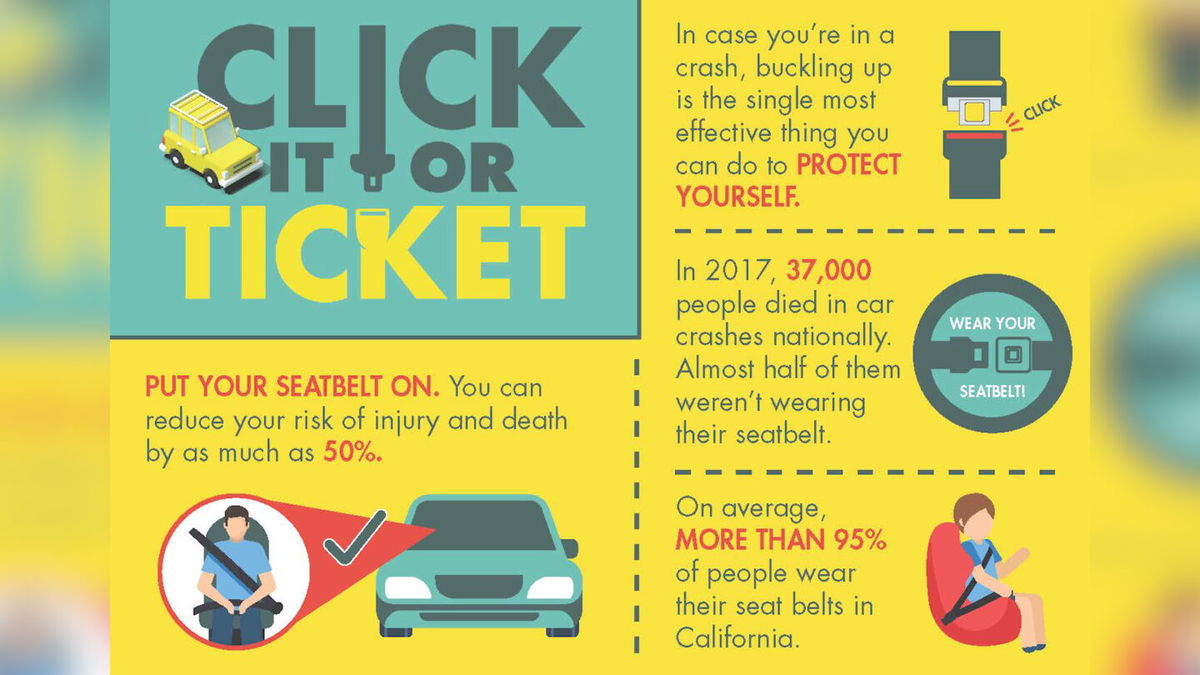
While the financial penalty of a seatbelt ticket in California is significant, the true cost of non-compliance extends far beyond monetary figures. For tourists, a traffic violation can introduce unwelcome complications to an otherwise smooth vacation. Dealing with a ticket often means navigating a potentially unfamiliar legal system, which can be stressful and time-consuming, possibly requiring court appearances or remote correspondence that disrupts your travel plans. For international visitors, the process can be even more daunting, potentially involving language barriers or complexities with cross-border legal systems.
Moreover, the most profound cost of not wearing a seatbelt is the risk to personal safety. In the event of an accident, an unbuckled occupant faces a significantly higher risk of serious injury or fatality. A travel experience should be about creating cherished memories, not enduring preventable tragedies. By consistently wearing your seatbelt and ensuring all passengers do the same, you’re not just adhering to the law; you’re safeguarding your life and the lives of your companions. This simple act is an investment in your safety, your peace of mind, and the overall enjoyment of your memorable journey through the beautiful state of California.
LifeOutOfTheBox is a participant in the Amazon Services LLC Associates Program, an affiliate advertising program designed to provide a means for sites to earn advertising fees by advertising and linking to Amazon.com. Amazon, the Amazon logo, AmazonSupply, and the AmazonSupply logo are trademarks of Amazon.com, Inc. or its affiliates. As an Amazon Associate we earn affiliate commissions from qualifying purchases.