
A journey to Hawaii, the archipelago of unparalleled natural beauty and vibrant culture, remains a perennial dream for many travelers across the globe. From the moment one envisions setting foot on its sun-kissed beaches, the question of airfare invariably arises as a primary consideration. Understanding the cost of flights to these Pacific jewels is crucial for effective travel planning and can significantly influence the overall budget and enjoyment of your vacation. This comprehensive guide delves into the intricate factors that dictate airfare to Hawaii, offering insights and strategies to help you navigate the market and secure the best possible deal for your island escape.
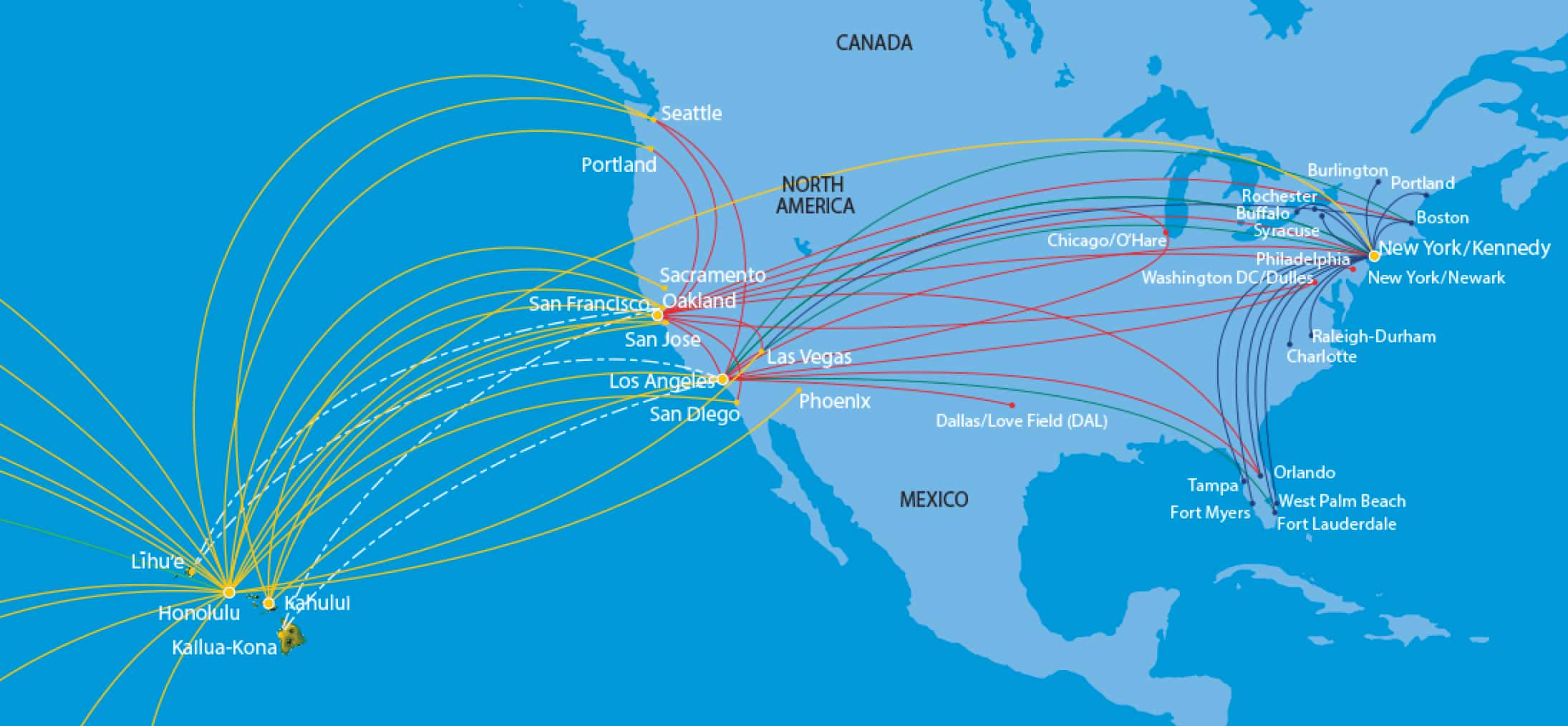
Airfare prices to Hawaii are not static; they fluctuate based on a multitude of variables, often making it feel like a moving target. Seasonality, departure city, booking lead time, airline choice, and even the day of the week you fly can all play a pivotal role in the final ticket price. While there’s no single definitive answer to “how much,” we can explore the typical ranges, uncover the underlying economics, and equip you with the knowledge to make informed decisions. Preparing for your Hawaiian adventure means more than just packing your bags; it starts with a strategic approach to securing your passage across the vast expanse of the Pacific.
Understanding the Dynamics of Airfare to Hawaii
The cost of flying to Hawaii is influenced by a complex interplay of demand, supply, and operational costs. For most travelers from the United States, Hawaii represents a domestic long-haul flight, often comparable in duration to transatlantic journeys. This distance, combined with the islands’ desirability, sets a baseline for pricing that differs significantly from shorter domestic routes.
Key Factors Influencing Price
Seasonality: This is arguably the most significant determinant of airfare. Peak travel seasons for Hawaii typically align with school holidays, major public holidays, and the winter months when mainland residents seek warmth. December to April (especially around Christmas, New Year’s, and Spring Break) sees the highest prices due to strong demand. June to August (summer vacation) also commands higher fares. Conversely, shoulder seasons (late April to early June, and September to November, excluding Thanksgiving) often present the most affordable options. During these periods, the weather in Hawaii remains excellent, but tourist numbers are lower, leading to reduced demand and more competitive pricing.
Booking Lead Time: The “sweet spot” for booking flights to Hawaii generally falls between 2 to 6 months in advance. Booking too early (e.g., a year out) can sometimes result in higher prices as airlines haven’t yet released their full range of discounted fares. Waiting too long (within a few weeks of departure) almost guarantees inflated prices, particularly during peak seasons, as airlines capitalize on last-minute demand. Flexibility with your travel dates, even by a few days, can unlock substantial savings, especially if you can fly mid-week (Tuesday, Wednesday, Thursday) when demand is typically lower.
Flexibility: Being open to flying into or out of different airports on different islands can also impact cost. While Daniel K. Inouye International Airport (HNL) in Honolulu is the primary gateway and often has the most direct and frequent flights, sometimes flying into Kahului Airport (OGG) on Maui, Kona International Airport (KOA) on the Big Island, or Lihue Airport (LIH) on Kauai directly can yield better prices, especially if you’re targeting that specific island.
The Impact of Departure City
Your origin city within the United States plays a crucial role in airfare pricing. Major hubs, especially those on the West Coast, typically offer the most competitive prices and direct flight options due to their proximity and higher flight frequency.
- West Coast Cities (e.g., Los Angeles International Airport, San Francisco International Airport, Seattle-Tacoma International Airport, Portland International Airport): Travelers from cities like Los Angeles, San Francisco, Seattle, or Portland often find the most affordable flights, with round-trip fares ranging from $300-$600 during off-peak seasons, and $600-$900+ during peak times. Direct flights are common and often shorter.
- Mountain West/Southwest (e.g., Denver International Airport, Phoenix Sky Harbor International Airport, Las Vegas): These cities usually have slightly higher fares than the West Coast but can still offer good deals, typically $500-$800 off-peak and $800-$1200+ peak, often involving one stop.
- Midwest/East Coast (e.g., Chicago O’Hare International Airport, Dallas/Fort Worth International Airport, Hartsfield-Jackson Atlanta International Airport): Travelers from the East Coast and Midwest face longer flights and higher prices. Expect to pay $700-$1,000+ off-peak and upwards of $1,200-$1,800+ during peak seasons. Direct flights are less common and often more expensive, with one or two stops being the norm.
These ranges are general estimates for economy class fares and can vary wildly based on specific dates and airline promotions.
Strategies for Finding Affordable Flights
While the allure of Hawaii might tempt you to book the first flight you see, a strategic approach can lead to significant savings. Diligence and flexibility are your greatest allies in the quest for cheap airfare.
Timing Your Purchase Right
As mentioned, the 2-6 month window before your departure date is often ideal. However, keep an eye out for airline sales that can pop up at any time. Historically, Tuesdays and Wednesdays were considered the best days to book, as airlines would release new sales or match competitors. While this trend is less rigid today, checking prices mid-week can still sometimes yield better results. Consider flying on weekdays, as weekend flights typically see higher demand and prices. Avoiding major holidays and school breaks is paramount for budget-conscious travelers.
Leveraging Flight Search Tools
Modern technology has made it easier than ever to compare flight prices across multiple airlines and booking sites. Utilize powerful flight comparison websites to monitor prices and set alerts.
- Google Flights: Excellent for its calendar view, allowing you to easily see the cheapest days to fly across months. Its “explore” feature can also show prices from your origin to various Hawaiian islands.
- Skyscanner: Known for its “everywhere” search function and ability to find flights from a broad range of origins to destinations, as well as its flexible date options (“cheapest month”).
- Hopper: This app predicts future flight prices with 95% accuracy and advises whether to book now or wait, sending push notifications when prices drop.
- Kayak / Expedia / Travelocity / Orbitz: These online travel agencies (OTAs) can sometimes offer package deals or exclusive discounts, though it’s always wise to cross-reference with airline websites directly.
Always check prices for various Hawaiian airports (HNL, OGG, KOA, LIH) even if your primary destination is one specific island. Sometimes, flying into a less popular airport and taking an inter-island flight (which are relatively inexpensive) can be cheaper overall.
Considering Alternative Airports and Layovers
Direct flights are convenient, but they often come at a premium. If saving money is your priority, consider flights with layovers. A one-stop flight, particularly through major hubs like Los Angeles, San Francisco, Seattle, or Phoenix, can shave hundreds of dollars off your ticket price.
Furthermore, if you live near multiple airports (e.g., in California near Los Angeles International Airport, San Francisco International Airport, Oakland International Airport, and San Jose International Airport), always check prices from all of them. Sometimes a short drive to a different airport can result in substantial savings, especially from smaller regional airports that might have less competition but occasional deals.
Typical Airfare Ranges and What to Expect
To provide a more concrete understanding, let’s break down typical airfare ranges for a round-trip economy class ticket to Hawaii from the mainland United States.
Peak vs. Off-Peak Season Pricing
-
Off-Peak (May, September, October, November excluding Thanksgiving):
- From West Coast: $300 – $600
- From Midwest: $500 – $800
- From East Coast: $600 – $1,000
These are the times when airlines often run sales, and you might occasionally snag deals even lower than these ranges, especially during flash sales or around Black Friday / Cyber Monday.
-
Shoulder Seasons (April, early June, early December):
- From West Coast: $500 – $800
- From Midwest: $700 – $1,000
- From East Coast: $900 – $1,300
These periods offer a good balance of pleasant weather and reasonable prices, often just outside the major holiday rushes.
-
Peak Season (Late June-August, Mid-December-March, Spring Break):
- From West Coast: $700 – $1,200+
- From Midwest: $900 – $1,500+
- From East Coast: $1,200 – $2,000+
During these times, demand is at its highest, and finding a “deal” is challenging. Booking far in advance is critical to avoid exorbitant last-minute prices.
Economy vs. Premium Fares
The above ranges are for standard economy class tickets. However, airlines offer various fare classes that come with different price tags and perks:
- Basic Economy: This is the cheapest tier, often restricting seat selection, baggage allowance (carry-on usually allowed, but checked bags cost extra), and change flexibility. It’s ideal for budget travelers with minimal needs.
- Standard Economy: Offers more flexibility than basic economy, often including seat selection and sometimes a checked bag. This is the most common and balanced option for many travelers.
- Premium Economy: A step up, offering more legroom, wider seats, enhanced meal service, and sometimes priority boarding. Prices are typically 50-100% more than standard economy.
- Business/First Class: For the ultimate comfort and luxury, these cabins offer lie-flat seats, gourmet dining, lounge access, and superior service. Prices can be anywhere from $2,000 to $10,000+ per round trip, depending on the origin and time of year.
Budgeting for Ancillary Fees
Remember that the advertised airfare is often just the base price. Be prepared for additional costs, especially if opting for basic economy or budget carriers:
- Checked Baggage Fees: Most airlines charge $30-$40 for the first checked bag, and more for subsequent bags.
- Seat Selection Fees: Some airlines charge to select a seat in advance, particularly for basic economy fares.
- Carry-On Bag Fees: While rare for mainline carriers flying to Hawaii, some ultra-low-cost carriers might charge for larger carry-on bags.
- In-Flight Amenities: Wi-Fi, premium snacks, and alcoholic beverages usually come at an extra cost.
Always read the fine print regarding baggage and other fees when booking to avoid surprises.
Major Airlines Serving the Hawaiian Islands
Several major airlines operate flights to Hawaii from various cities across the United States and beyond. Understanding their offerings can help you choose the best fit for your travel style and budget.
Full-Service Carriers
These airlines typically offer a more comprehensive service, including seat-back entertainment, complimentary beverages, and potentially some checked baggage allowance (depending on fare class or elite status).
- Hawaiian Airlines: The flagship carrier of Hawaii, offering an authentic Hawaiian experience from the moment you board. They have extensive inter-island service and direct flights from numerous United States cities.
- United Airlines: A major player with numerous direct routes from its hubs like Los Angeles, San Francisco, Denver, and Chicago.
- Delta Air Lines: Offers strong service to Hawaii from its hubs such as Los Angeles, Seattle, and Atlanta.
- American Airlines: Provides flights primarily from its West Coast hubs like Los Angeles and Phoenix, as well as Dallas/Fort Worth.
- Alaska Airlines: A strong contender for West Coast departures, with a robust network from cities like Seattle, Portland, and various California cities.
Budget-Friendly Options
These carriers focus on offering lower base fares, often by unbundling services, meaning you pay extra for things like seat selection, checked bags, and even large carry-ons.
- Southwest Airlines: Entered the Hawaiian market with much fanfare, offering competitive prices and its signature “two free checked bags” policy, which can lead to significant savings. Their network is growing, primarily from California and other West Coast cities like Las Vegas and Phoenix, and expanding to other regions like Denver and Austin in Texas.
Always compare prices across both full-service and budget airlines, taking into account all potential fees, to determine the true cost of your ticket.
Beyond the Ticket Price: Holistic Travel Planning
While airfare is a major component, it’s just one piece of the puzzle for your Hawaiian vacation. Smart travelers consider their flight costs within the broader context of their entire trip budget.
Package Deals and Bundling
Sometimes, booking a flight + hotel package through online travel agencies like Expedia, Travelocity, or directly with airlines (e.g., Hawaiian Airlines vacation packages) can offer significant savings compared to booking each component separately. These bundles often come with exclusive pricing from hotels and car rental companies, making the overall cost more attractive.

Loyalty Programs and Credit Card Rewards
If you’re a frequent flyer, leveraging airline loyalty programs and travel-specific credit card rewards can substantially reduce your out-of-pocket airfare expenses. Accumulating miles or points through everyday spending or sign-up bonuses can allow you to book flights to Hawaii for minimal cost, sometimes only paying for taxes and fees. Many travel credit cards also offer benefits like free checked bags, priority boarding, or travel insurance, which add value beyond just the points.
Consider signing up for newsletters from your preferred airlines and flight deal websites. They often announce flash sales or special promotions that can provide excellent opportunities to snag a lower fare.
In conclusion, the cost of airfare to Hawaii is a dynamic figure, influenced by timing, origin, and market demand. By understanding these factors and employing smart booking strategies, you can transform the daunting task of finding affordable flights into an achievable goal. With careful planning, flexibility, and the right tools, your dream trip to the Aloha State can become a reality without breaking the bank.
LifeOutOfTheBox is a participant in the Amazon Services LLC Associates Program, an affiliate advertising program designed to provide a means for sites to earn advertising fees by advertising and linking to Amazon.com. Amazon, the Amazon logo, AmazonSupply, and the AmazonSupply logo are trademarks of Amazon.com, Inc. or its affiliates. As an Amazon Associate we earn affiliate commissions from qualifying purchases.