
Understanding the intricacies of estate and inheritance taxes is a fundamental aspect of comprehensive financial planning, directly impacting the long-term lifestyle and legacy you wish to establish and maintain, especially in a state like California. For many, the question of “how much is inheritance tax in California?” arises from a desire to ensure their accumulated wealth benefits their loved ones efficiently, without unnecessary erosion by taxation. This article delves into the specifics of inheritance and estate taxation relevant to California residents, framed within the broader context of lifestyle planning and securing a lasting legacy for future generations.
The pursuit of a desirable lifestyle in California—whether it involves luxury living, sustainable practices, or providing for a large family—often necessitates careful consideration of financial stewardship that extends beyond one’s own lifetime. Estate planning is not merely a legal formality; it is a critical component of lifestyle design, ensuring that your vision for your family’s future, and the values you wish to impart, are upheld. By understanding the tax landscape, individuals can make informed decisions that safeguard their assets, minimize potential burdens on their heirs, and ultimately preserve the lifestyle they’ve worked hard to build.
Demystifying California’s Approach to Estate Taxation: A Lifestyle Perspective
The question of inheritance tax in California often leads to a surprising, yet crucial, clarification: the state itself does not impose an inheritance tax. This fact is pivotal for anyone planning their financial future or anticipating an inheritance within the state. However, the absence of a state-level inheritance tax does not mean that estates in California are entirely free from death-related taxation. The federal estate tax still looms large for wealthier estates, making understanding this distinction a cornerstone of effective lifestyle and legacy planning.
California’s State-Level Position
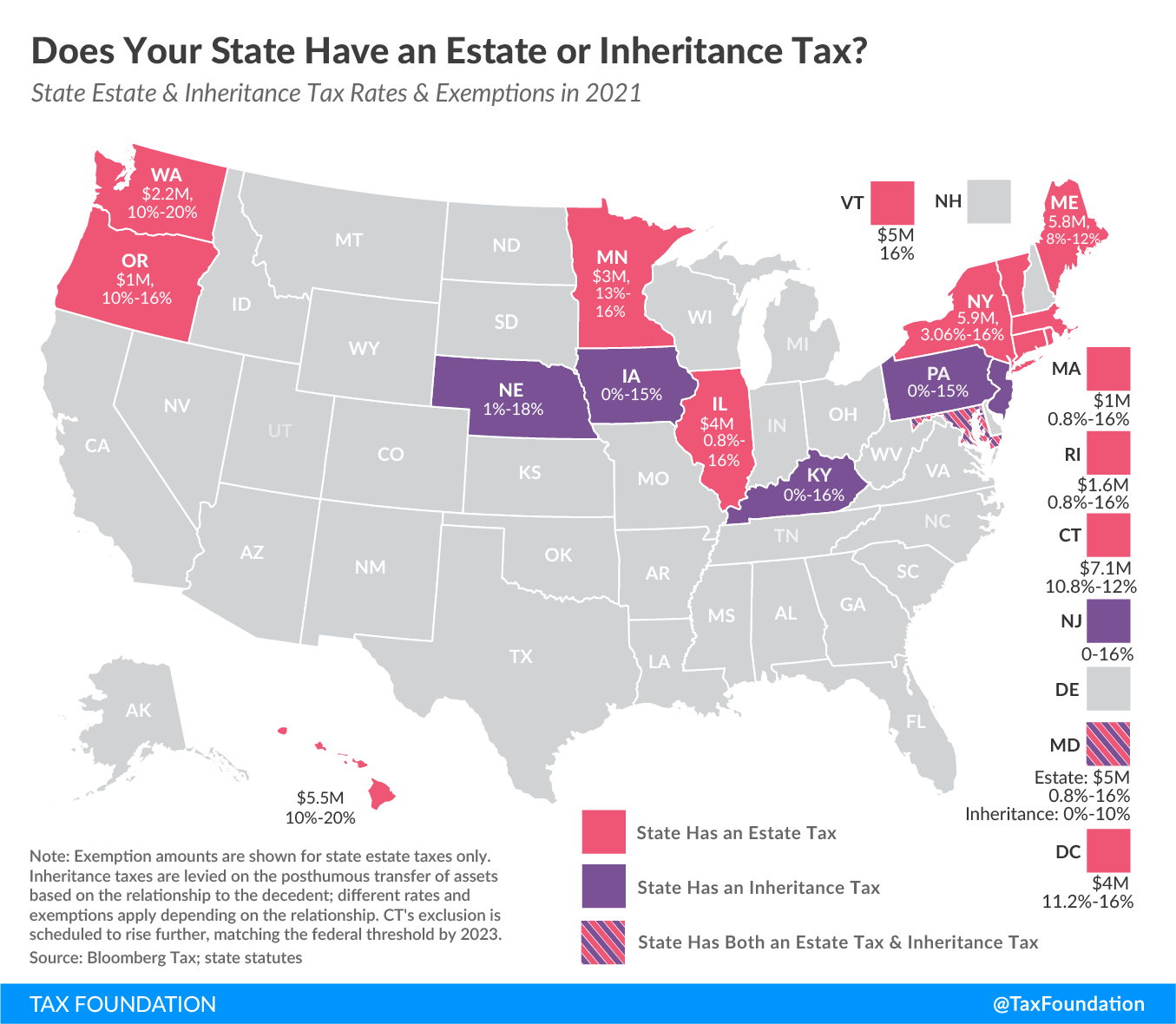
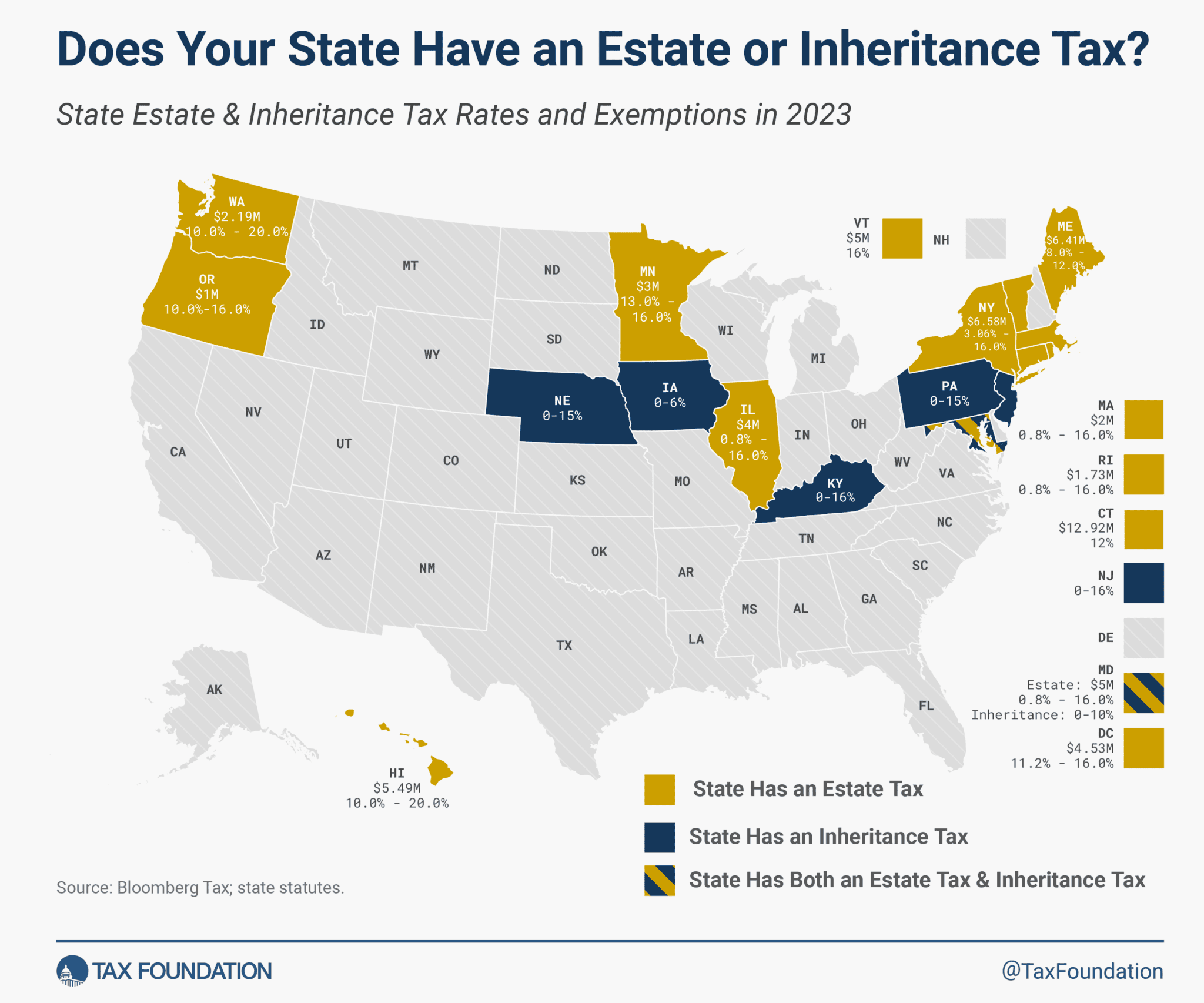
Historically, California did have an inheritance tax, but voters abolished it in 1982 with Proposition 6. Furthermore, California does not have a state-level estate tax either. This means that, unlike some other states that impose their own “death taxes” in addition to federal levies, California estates are solely concerned with the federal estate tax, provided they meet the federal thresholds.
From a lifestyle perspective, this is generally good news for California residents and their heirs. It simplifies estate planning by removing one layer of taxation that individuals in states with their own estate or inheritance taxes must contend with. This can mean more of the accumulated wealth is preserved for beneficiaries, potentially allowing them to maintain or enhance their own lifestyles, or pursue educational and entrepreneurial goals, as intended by the deceased. For those living a high-net-worth lifestyle in California, this state-level absence of tax offers a distinct advantage, allowing for more predictable wealth transfer strategies focused on federal regulations.
The Overarching Federal Estate Tax
While California itself doesn’t impose an inheritance tax, the federal government does levy an estate tax. This tax applies to the value of an individual’s estate at the time of their death, before assets are distributed to heirs. It is crucial to distinguish between an “inheritance tax” (paid by the heir) and an “estate tax” (paid by the estate itself). The federal tax is an estate tax, and it applies uniformly across all U.S. states, including California.
The federal estate tax is only applicable to estates exceeding a certain exemption threshold, which is adjusted annually for inflation. For instance, for 2024, the federal estate tax exemption is $13.61 million per individual. This means that an individual’s estate must be valued at more than this amount to be subject to federal estate tax. For married couples, the exemption is portable, effectively doubling it to $27.22 million, allowing a surviving spouse to utilize any unused exemption from their deceased spouse.
Understanding this federal framework is paramount for any [California](https://lifeoutofthebox.com/california] resident engaged in significant lifestyle planning, particularly those with substantial assets. Without proactive planning, a high-value estate could face a federal tax rate of up to 40% on the portion exceeding the exemption, significantly reducing the legacy passed on to loved ones. This emphasizes the need for strategic foresight in managing wealth to align with desired lifestyle outcomes for beneficiaries.
Preserving Your Legacy and Lifestyle: Strategic Estate Planning in the Golden State
For California residents with estates nearing or exceeding the federal exemption threshold, proactive estate planning becomes an indispensable aspect of maintaining a desired lifestyle and ensuring the seamless transfer of wealth. Strategic planning allows individuals to make informed choices about how their assets are managed and distributed, minimizing potential tax liabilities and safeguarding their legacy. This isn’t just about financial prudence; it’s about dictating the continuity of your values and providing for your loved ones in a way that reflects your life’s achievements.
Understanding the Federal Exemption and Tax Rates
The federal estate tax exemption is a powerful tool in estate planning. For single individuals, if your gross estate (including all assets like real estate, investments, life insurance proceeds, and personal property) is below the current exemption amount, your estate will likely owe no federal estate tax. However, careful valuation is essential, especially in California’s robust real estate market, where property values can rapidly appreciate and push an estate over the threshold.
For estates exceeding the exemption, the tax rates can be significant, ranging from 18% to 40%. The highest rate applies to the largest taxable portions of an estate. This highlights why high-net-worth individuals in California must engage in sophisticated estate planning. Strategies often involve reducing the taxable estate through various means, thereby preserving more wealth for beneficiaries and ensuring the continuation of a chosen lifestyle for future generations. For example, ensuring proper beneficiary designations on retirement accounts and life insurance policies can prevent unintended probate complications and tax implications, aligning with a streamlined financial legacy.
Gifting Strategies as a Lifestyle Choice
One effective strategy to reduce a taxable estate is through gifting. The IRS allows individuals to give away a certain amount each year without incurring gift tax or utilizing their lifetime gift tax exclusion (which is tied to the estate tax exemption). For 2024, the annual gift tax exclusion is $18,000 per recipient. A married couple can effectively give $36,000 per recipient annually without tax implications.
From a lifestyle perspective, gifting can be a powerful way to support loved ones during your lifetime, enabling them to pursue education, purchase homes, or invest in their own futures. This direct support can contribute to their quality of life now, rather than waiting for an inheritance. Strategic gifting also helps reduce the size of your taxable estate, potentially lowering or eliminating federal estate tax liabilities down the line. It’s a proactive approach that allows you to witness the positive impact of your generosity and enjoy a more engaged role in your family’s financial well-being, which is often a key aspect of a fulfilling lifestyle.
Beyond Taxation: Lifestyle Implications for Heirs and Beneficiaries
While avoiding or minimizing federal estate tax is a primary goal of estate planning for California residents, the lifestyle implications for heirs extend far beyond the direct tax burden. Thoughtful planning considers how beneficiaries will receive and manage their inheritance, ensuring that the transfer of wealth supports their long-term well-being and aligns with the deceased’s values and intentions. The design of your estate plan directly influences your heirs’ financial stability, their ability to maintain their own lifestyles, and even their freedom to pursue new opportunities.
The Step-Up in Basis Advantage
One significant advantage for beneficiaries inheriting assets in California (and throughout the U.S.) is the “step-up in basis” rule. When an asset like real estate or stocks is inherited, its cost basis is “stepped up” to its fair market value on the date of the deceased’s death. This is incredibly beneficial for heirs because if they later sell the inherited asset, their capital gains tax will only be calculated on the appreciation from the date of inheritance, not from the original purchase price of the deceased.
For example, if a parent bought a California property for $200,000, and it’s worth $1.5 million at their death, the heirs’ new basis is $1.5 million. If they sell it shortly after for $1.5 million, they pay little to no capital gains tax. Without the step-up, they would be taxed on the $1.3 million gain ($1.5 million – $200,000). This provision can save heirs hundreds of thousands, or even millions, of dollars in capital gains tax, directly impacting their financial health and ability to maintain or enhance their lifestyle. It’s a crucial element that distinguishes inherited assets from gifted assets during a lifetime, which generally retain the original owner’s cost basis.
Community Property Considerations in California
California is a community property state, which profoundly impacts estate planning for married couples. Under community property laws, assets acquired during marriage (with some exceptions like gifts or inheritances received individually) are considered jointly owned by both spouses. Upon the death of one spouse, the surviving spouse automatically owns their half of the community property.
The lifestyle implication here is significant. In community property states, when one spouse dies, both halves of the community property receive a full step-up in basis. This is a considerable advantage over common-law states, where typically only the deceased spouse’s half receives a step-up. This “double step-up” can lead to substantial capital gains tax savings for the surviving spouse, reinforcing their financial security and allowing them to maintain their lifestyle with potentially lower tax liabilities should they choose to sell appreciated assets. Understanding these nuances is vital for couples in California to structure their estate plans effectively and optimize wealth transfer for their loved ones’ future lifestyles.
Tools for Lifestyle Continuity: Trusts, Wills, and Professional Guidance
Effective estate planning is about more than just tax avoidance; it’s about providing clear directives, protecting assets, and ensuring that your legacy—and the lifestyle it supports—is managed according to your wishes. Utilizing the right legal tools and seeking expert advice are essential components of this lifestyle continuity. For California residents, a well-crafted estate plan ensures peace of mind, knowing that your loved ones will be cared for and your financial values upheld long after you’re gone.
The Role of Different Trust Structures
Trusts are versatile estate planning tools that can serve various lifestyle-oriented goals, from avoiding probate to providing for special needs beneficiaries or ensuring privacy. Unlike a will, which typically goes through the public probate process, assets held in a living trust can often be distributed to beneficiaries privately and more quickly. This speed and privacy can significantly reduce stress and financial strain on grieving families, allowing them to focus on their emotional well-being rather than navigating complex legal procedures—a direct impact on their lifestyle during a difficult time.
Common types of trusts include:
- Revocable Living Trusts: These allow you to maintain control over your assets during your lifetime and modify the trust as your life circumstances or lifestyle goals change. Upon your death, assets are distributed to beneficiaries without probate.
- Irrevocable Trusts: Once established, these cannot be easily changed or revoked. They can be used for advanced estate tax planning, asset protection, and charitable giving, effectively removing assets from your taxable estate.
- Special Needs Trusts: These are designed to provide for beneficiaries with disabilities without jeopardizing their eligibility for government benefits, ensuring a consistent quality of life for vulnerable loved ones.
Each trust structure offers unique advantages depending on an individual’s specific lifestyle, family dynamics, and financial objectives. Carefully selecting and funding the right trust is a crucial step in securing your legacy.
The Indispensable Value of Expert Advice
Navigating the complexities of federal estate tax law, California’s community property rules, and the various estate planning tools requires specialized knowledge. Attempting to draft an estate plan without professional guidance can lead to unintended consequences, including higher tax burdens, family disputes, or assets not being distributed as intended.
Engaging with an experienced estate planning attorney and a financial advisor is not just a recommendation; it’s an essential aspect of a responsible and sophisticated lifestyle. These professionals can help you:
- Understand the current federal estate tax laws and exemption amounts.
- Strategize ways to minimize potential tax liabilities.
- Draft legally sound wills, trusts, and other documents tailored to your specific situation.
- Ensure proper titling and funding of assets into trusts.
- Integrate your estate plan with your broader financial and retirement planning.
Their expertise ensures that your estate plan is comprehensive, compliant, and effectively serves your long-term lifestyle goals, providing peace of mind that your legacy will be preserved and your loved ones’ futures secured. By investing in professional advice, California residents can proactively manage their wealth transfer, ensuring that their financial journey culminates in a meaningful and lasting impact for generations to come.
LifeOutOfTheBox is a participant in the Amazon Services LLC Associates Program, an affiliate advertising program designed to provide a means for sites to earn advertising fees by advertising and linking to Amazon.com. Amazon, the Amazon logo, AmazonSupply, and the AmazonSupply logo are trademarks of Amazon.com, Inc. or its affiliates. As an Amazon Associate we earn affiliate commissions from qualifying purchases.