
The vibrant, orange blaze of the California poppy stretching across rolling hills is an iconic sight, drawing admirers from around the globe. This natural spectacle, a defining feature of the Golden State‘s diverse landscape, beckons tourists seeking to immerse themselves in nature’s ephemeral beauty. As visitors flock to witness these breathtaking superblooms, a common question arises, often born from an innocent desire to take a piece of that beauty home: Is it illegal to pick poppies in California? The unequivocal answer is yes, and understanding why is crucial for any responsible tourist planning to experience California’s natural wonders. Beyond the legal ramifications, there’s a profound ecological and cultural imperative to leave these cherished wildflowers undisturbed, ensuring their splendor can be enjoyed by future generations. This guide delves into the laws, ecological significance, and ethical considerations surrounding the California poppy, providing essential insights for responsible tourism.
The Golden State’s Golden Blooms: An Irresistible Allure
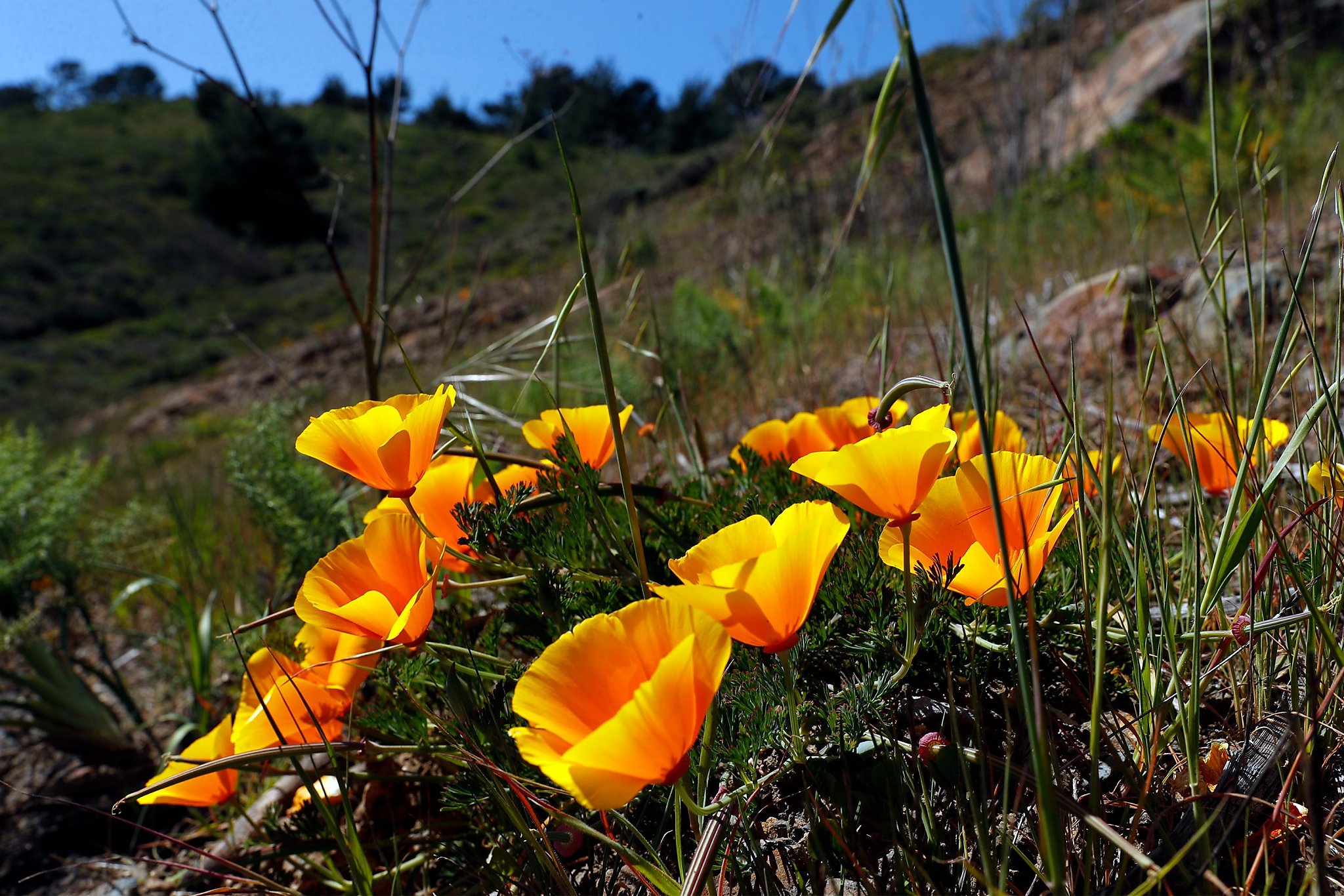
The California poppy, or Eschscholzia californica, is more than just a pretty flower; it’s a symbol deeply ingrained in the state’s identity and a powerful draw for tourism. Its striking hue and ability to transform entire landscapes into seas of orange create an undeniable allure, inspiring countless photographs and memories for those fortunate enough to witness its bloom.
The California Poppy: A State Symbol
Designated as the official state flower in 1903, the California poppy holds a special place in the hearts of residents and visitors alike. Its resilience, adaptability, and striking beauty perfectly embody the spirit of the Golden State. Unlike many cultivated flowers, the California poppy thrives in challenging conditions, often adorning hillsides and fields that might otherwise appear barren. Its distinctive cup-shaped petals, which open with the morning sun and close again in the evening or on cloudy days, add to its whimsical charm. For tourists, encountering these poppies offers a direct connection to California’s natural heritage, a chance to appreciate a living emblem that has adorned the land for millennia. This connection fosters a deeper appreciation for local ecology and the importance of preserving such unique natural treasures.
Where to Witness the Spectacle
For tourists eager to experience the magic of the superbloom, California offers several spectacular locations. Each site provides a unique perspective on these golden fields, encouraging visitors to witness the beauty responsibly.
- Antelope Valley California Poppy Reserve: Located in Lancaster, this is arguably the most famous and dedicated spot for poppy viewing. The reserve is specifically managed to protect and display the poppies, featuring well-maintained trails that weave through expansive fields of wildflowers, offering incredible photographic opportunities without disturbing the plants.
- Anza-Borrego Desert State Park: While more known for its desert wildflowers, superbloom years can bring a glorious display of poppies and other blooms to this vast state park in San Diego County.
- Chino Hills State Park: Nestled in Orange County, this park offers stunning vistas of poppies and other wildflowers, particularly after a wet winter. Its accessible trails make it a popular choice for families and hikers.
- Point Dume State Preserve: Along the coast in Malibu, this picturesque preserve offers coastal views alongside its springtime poppy displays, combining ocean beauty with vibrant flora.
- Mount Diablo State Park: Near Walnut Creek, this park provides panoramic views of the San Francisco Bay Area as well as impressive wildflower displays, including poppies, often carpeting its lower slopes.
- Carrizo Plain National Monument: This remote yet breathtaking monument in San Luis Obispo County can host some of the most spectacular and untouched superblooms, especially visible from the scenic Soda Lake Road.
Each of these locations emphasizes the importance of staying on designated paths, respecting park rules, and embracing a “look, don’t touch” philosophy to ensure the poppies remain a vibrant tourist attraction for years to come.
The Law and Its Roots: Protecting California’s Natural Heritage
The protection of the California poppy is not merely a suggestion; it’s enshrined in state law, reflecting a deep-seated commitment to preserving the state’s natural beauty and ecological balance. For tourists, understanding these laws is fundamental to enjoying California’s wildflowers without inadvertently causing harm or facing legal consequences.
Understanding California State Law
In California, it is illegal to pick, damage, or remove plants, including wildflowers like poppies, from public lands. This protection extends to state parks, state natural preserves, county parks, and other public open spaces. The relevant legal provisions typically fall under California Public Resources Code Section 5008 and local ordinances that reinforce these protections. The law’s intent is clear: to prevent the depletion of native plant populations, protect their role in the ecosystem, and ensure that natural beauty remains accessible for everyone. This regulation serves as a critical component of California’s broader conservation strategy, educating both residents and tourists about the importance of respecting the environment.
While the focus is often on public lands, it’s also important to remember that picking wildflowers on private property without permission is considered trespassing and/or theft, which carries its own legal penalties. This dual protection underscores the comprehensive nature of conservation efforts across the state, ensuring that the poppies thrive wherever they naturally occur.
Penalties for Picking Wildflowers
Violating these laws can lead to significant consequences. Depending on the specific location and the severity of the offense, penalties can range from fines to more serious charges. In state parks and preserves, fines for picking wildflowers can be substantial, often starting at several hundred dollars and increasing for repeat offenses or extensive damage. For instance, California Public Resources Code Section 5008 outlines that any person who violates park rules or injures property within a state park system unit is guilty of a misdemeanor, punishable by a fine and/or imprisonment.
Beyond the immediate legal repercussions, rangers and park officials often emphasize the educational aspect of these penalties. The aim is not just to punish but to instill a greater respect for nature and encourage responsible behavior among visitors. For tourists, a run-in with the law, even for what might seem like a minor offense, can significantly detract from their travel experience and create unforeseen complications.
Federal Lands and Specific Protections
The protection of poppies also extends to federal lands within California, such as National Parks, National Forests, and lands managed by the Bureau of Land Management. On these lands, federal regulations apply, which similarly prohibit the destruction, disturbance, or removal of natural resources, including wildflowers. For example, National Parks have stringent rules against collecting any natural objects. Violations on federal lands can result in federal charges, which may carry even steeper fines and penalties than state-level infractions.
Each protected area, whether state or federal, typically has signage and informational materials outlining specific rules regarding flora and fauna. Tourists are strongly advised to familiarize themselves with these guidelines upon entering any park or natural reserve. This proactive approach ensures a pleasant, legal, and environmentally conscious visit, aligning with the principles of sustainable tourism.
Beyond the Law: The Ecological Imperative
While the legal prohibitions against picking poppies are clear, understanding the ecological reasons behind these laws provides a deeper appreciation for their significance. Responsible tourism extends beyond mere compliance; it involves recognizing the intricate web of life sustained by these golden blooms.
The Role of Poppies in the Ecosystem
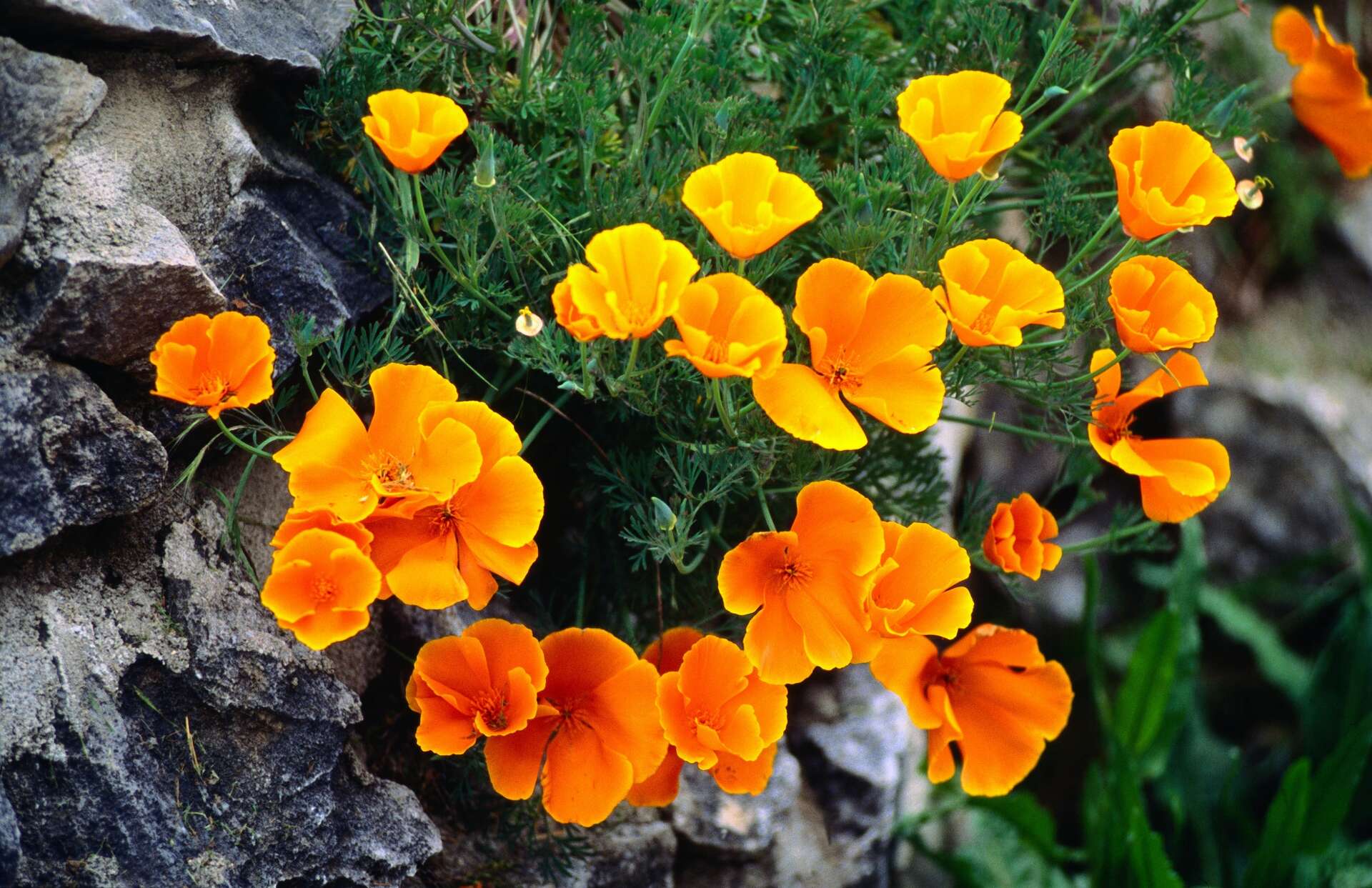
The California poppy plays a vital role in its native ecosystem. As a primary producer, it forms the base of various food chains. Its nectar and pollen provide essential sustenance for a multitude of pollinators, including bees, butterflies, and other beneficial insects. These pollinators are crucial for the reproduction of countless other plant species, including many agricultural crops, making the poppy an indirect but significant contributor to overall biodiversity and human food security.
Furthermore, poppies and other wildflowers contribute to soil health. Their root systems help prevent erosion, especially on slopes, and as they decompose, they return nutrients to the soil, enriching it for future generations of plants. In arid and semi-arid regions of California, where wildflowers often thrive after seasonal rains, their presence is particularly important for stabilizing fragile desert soils. Removing poppies disrupts these delicate ecological processes, weakening the ecosystem’s ability to sustain itself.
The Impact of Human Disturbance
Even seemingly minor acts, such as picking a single flower or stepping off a designated path, can have cumulative and devastating impacts, especially during mass visitation events like superblooms. When poppies are picked, their ability to produce seeds is thwarted. Since poppies are annuals or short-lived perennials, seed production is paramount for their survival and the continuation of their species. Each flower picked reduces the potential for thousands of new seeds to be dispersed, which can significantly diminish future blooms, particularly in areas already facing environmental stress.
Trampling off-trail is equally, if not more, damaging. Foot traffic compacts the soil, making it harder for seeds to germinate and for existing plants to draw water and nutrients. It can also crush developing seedlings and disrupt the delicate fungal networks vital for plant health. Furthermore, disturbing the soil can introduce invasive species or alter the microclimates essential for native flora. For responsible tourists, recognizing that their actions, however small, contribute to the collective impact is a cornerstone of ethical travel.
Leave No Trace Principles in Action
To truly engage in responsible tourism, especially when enjoying natural attractions like poppy fields, adopting the Leave No Trace principles is essential. These seven principles provide a framework for minimizing human impact on natural environments:
- Plan Ahead and Prepare: Research rules and regulations for the area you’re visiting.
- Travel and Camp on Durable Surfaces: Stick to designated trails and avoid trampling vegetation.
- Dispose of Waste Properly: Pack it in, pack it out, including organic waste.
- Leave What You Find: Do not pick wildflowers, collect rocks, or disturb historical artifacts.
- Minimize Campfire Impacts: Use established fire rings or avoid fires in sensitive areas.
- Respect Wildlife: Observe from a distance and never feed animals.
- Be Considerate of Other Visitors: Preserve the experience for everyone.
For poppy viewing, the most pertinent principles are “Leave What You Find” and “Travel and Camp on Durable Surfaces.” By adhering strictly to these guidelines, tourists can enjoy the beauty of California’s poppies without leaving a detrimental footprint, ensuring that the magic of the superbloom endures.
Responsible Tourism: Enjoying Poppies Ethically
Experiencing the California poppy in its natural splendor is a privilege that comes with the responsibility of ethical conduct. Responsible tourism practices ensure that the enjoyment of today’s visitors does not compromise the ability of future generations to witness the same breathtaking beauty.
Photography Etiquette
In the age of social media, the desire to capture the perfect photo amidst a sea of poppies is strong. However, photography etiquette is paramount to prevent damage.
- Stay on Trails: Never step into poppy fields, even for a “quick photo.” Many viral images of people lying or sitting in poppy fields contribute to widespread damage and set a poor example. Use the designated viewing areas and trails to capture your shots. Telephoto lenses can create the illusion of being immersed in the flowers while maintaining a respectful distance.
- Respect Others and Nature: Be mindful of other visitors also trying to enjoy the view. Avoid blocking paths or monopolizing prime photo spots. More importantly, prioritize the health of the flowers over a perfect selfie. A beautiful photo that required stepping off-trail is a photo of environmental damage.
- No Props or Alterations: Avoid bringing props into the fields or altering the natural setting in any way for a photo. The natural beauty of the poppies is more than enough.
By practicing thoughtful photography, tourists can capture stunning images that inspire without causing harm, aligning their passion for photography with their commitment to conservation.
Staying on Designated Trails
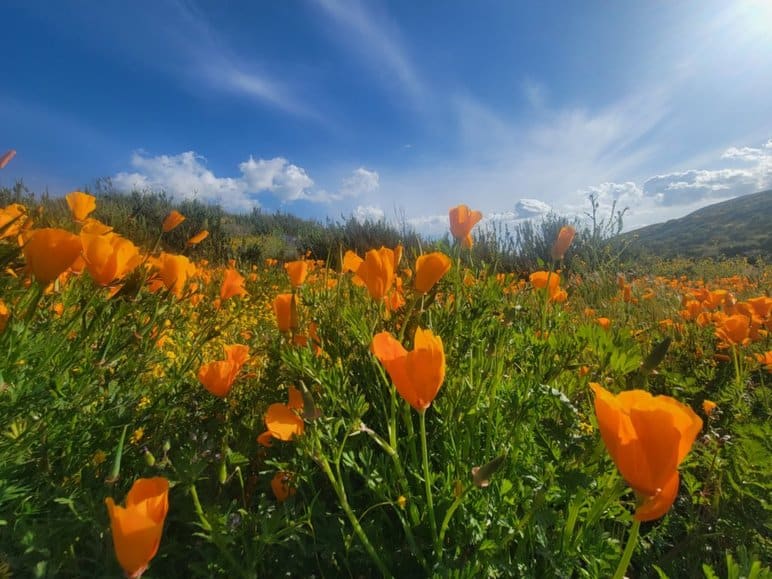
This is perhaps the single most important rule for wildflower viewing. Designated trails are established to guide visitors through sensitive areas with minimal impact. When visitors stray from these paths, even slightly, they inadvertently compact the soil, crush delicate plants, and disturb the seedbed necessary for future blooms. The cumulative effect of thousands of visitors stepping off-trail can quickly decimate entire patches of wildflowers.
Park rangers and conservationists work tirelessly to maintain these trails and educate the public on their importance. Observing the boundaries, ropes, and signs is not merely a formality; it is a direct act of environmental stewardship. Tourists committed to responsible travel understand that staying on the trail is a non-negotiable aspect of visiting any natural area, particularly one as ecologically sensitive as a poppy field during a superbloom.
Supporting Conservation Efforts
Beyond simply “not picking” poppies, responsible tourists can actively contribute to their preservation and the broader conservation of California’s natural landscapes.
- Donate to Parks and Reserves: Many of the protected areas that host poppy superblooms rely on donations to fund maintenance, ranger patrols, educational programs, and conservation initiatives. Supporting organizations like the California State Parks Foundation or local park conservancies directly aids these efforts.
- Volunteer: If time permits, consider volunteering for trail maintenance, invasive species removal, or habitat restoration projects in local parks. This offers a hands-on way to give back to the environment.
- Educate Others: Share your knowledge about responsible poppy viewing with friends, family, and on social media. By spreading awareness about the laws and ecological importance of leaving wildflowers undisturbed, you can amplify the message of conservation.
- Support Local Eco-Tourism Businesses: Choose tour operators, accommodations, and businesses that demonstrate a commitment to sustainable practices and local conservation.
By actively engaging in these ways, tourists can transform their visit from a passive experience into an active contribution to the long-term health and beauty of California’s natural heritage.
In conclusion, the answer to “Is it illegal to pick poppies in California?” is a resounding yes, backed by state laws, federal regulations, and a crucial ecological imperative. For tourists, embracing responsible practices—from understanding the law and respecting protected areas to adopting Leave No Trace principles and supporting conservation—is key to enjoying the ephemeral magic of the California poppy. By doing so, visitors not only ensure the continued vibrancy of these iconic blooms but also contribute to a culture of sustainable tourism that cherishes and protects the natural wonders of the Golden State for generations to come.
LifeOutOfTheBox is a participant in the Amazon Services LLC Associates Program, an affiliate advertising program designed to provide a means for sites to earn advertising fees by advertising and linking to Amazon.com. Amazon, the Amazon logo, AmazonSupply, and the AmazonSupply logo are trademarks of Amazon.com, Inc. or its affiliates. As an Amazon Associate we earn affiliate commissions from qualifying purchases.