
Navigating the nuances of sales tax on food in California can be a surprisingly complex endeavor for both residents and tourists alike. While the Golden State is celebrated for its diverse culinary landscape, from the bustling food trucks of Los Angeles to the fresh seafood of San Francisco, understanding what you’ll pay at the register requires a closer look at state and local regulations. The general assumption that all food is tax-exempt is a common misconception, leading to unexpected charges and confusion. This guide aims to demystify the taxation of food in California, providing clarity on what is taxed, what isn’t, and why the rates can vary so significantly across the state.
Understanding California’s Sales Tax Framework for Food
At its core, California levies a state sales and use tax, which is a percentage of the purchase price of tangible personal property. However, the application of this tax to food items is not uniform. The primary distinction lies in whether the food is considered a “food product” for home consumption or a “prepared food” intended for immediate consumption. This seemingly simple division has a cascade of implications for how much tax you will ultimately pay.
The “Food Product” Exemption
California law generally exempts most “food products” from sales and use tax. This category is broad and encompasses a wide array of items that are typically purchased in grocery stores or markets and intended to be prepared and consumed at home. Examples include:
- Groceries: Fresh fruits, vegetables, meats, poultry, fish, dairy products, eggs, bread, cereals, pasta, and canned goods.
- Staples: Flour, sugar, spices, oils, and other common cooking ingredients.
- Beverages: Milk, juices, coffee, and tea (though specific rules may apply to certain types of beverages).
- Snack items: Chips, cookies, and candy are often included, though this can be a gray area, especially with new product formulations.
The intent behind this exemption is to ease the financial burden on households for essential food items. However, it’s crucial to note that this exemption applies to the sale of the food product itself, not necessarily to the services or accompaniments that may be purchased alongside it.
Prepared Food: The Taxable Category
The exemption for “food products” typically ends when food is prepared and offered for sale for immediate consumption. “Prepared food” is generally subject to sales tax. This category includes items that are:
- Sold in a heated state.
- Consist of two or more ingredients mixed or combined by the seller.
- Sold for consumption on or off the seller’s premises.
This definition covers a vast spectrum of dining experiences, from fast-food restaurants and cafes to sit-down establishments.
Examples of Prepared Food Subject to Tax:
- Restaurant Meals: Any meal purchased from a restaurant, whether for dine-in or takeout. This includes burgers, pizzas, salads (even if they contain fresh vegetables), sandwiches, and hot dishes.
- Fast Food: Items bought from fast-food chains, such as McDonald’s, Taco Bell, or In-N-Out Burger, are invariably taxed.
- Deli Items: Salads, sandwiches, and hot foods prepared by a deli counter within a grocery store are often considered prepared food and are thus taxable.
- Beverages Sold with Meals: While plain coffee or milk might be exempt, a soda, smoothie, or other beverage purchased as part of a meal from a restaurant or cafe is generally taxed.
- Snack Items Sold Hot: Hot popcorn, hot pretzels, or hot pastries from a bakery are typically taxed as prepared food.
Local Taxes and Surcharges: Adding to the Bill
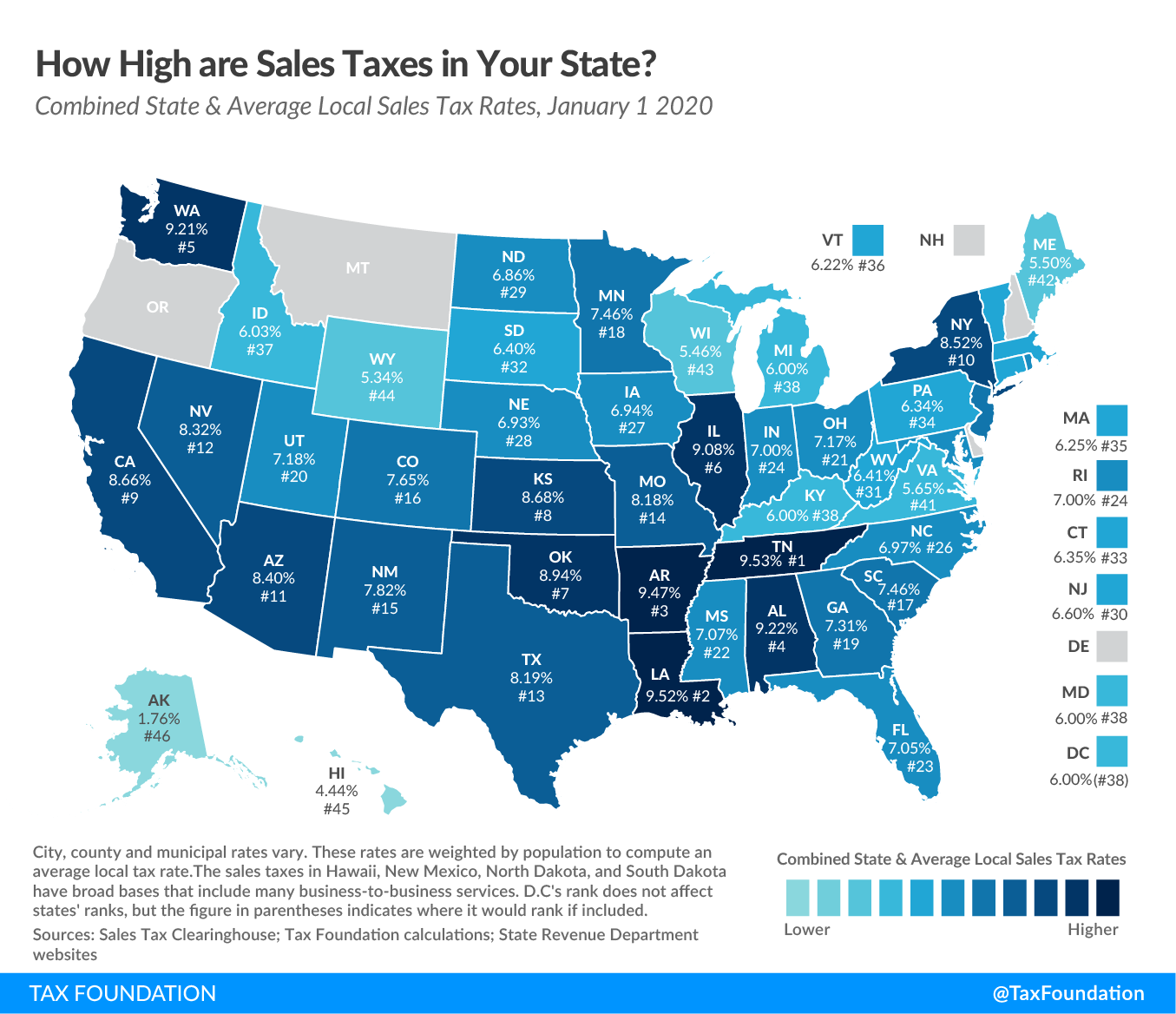
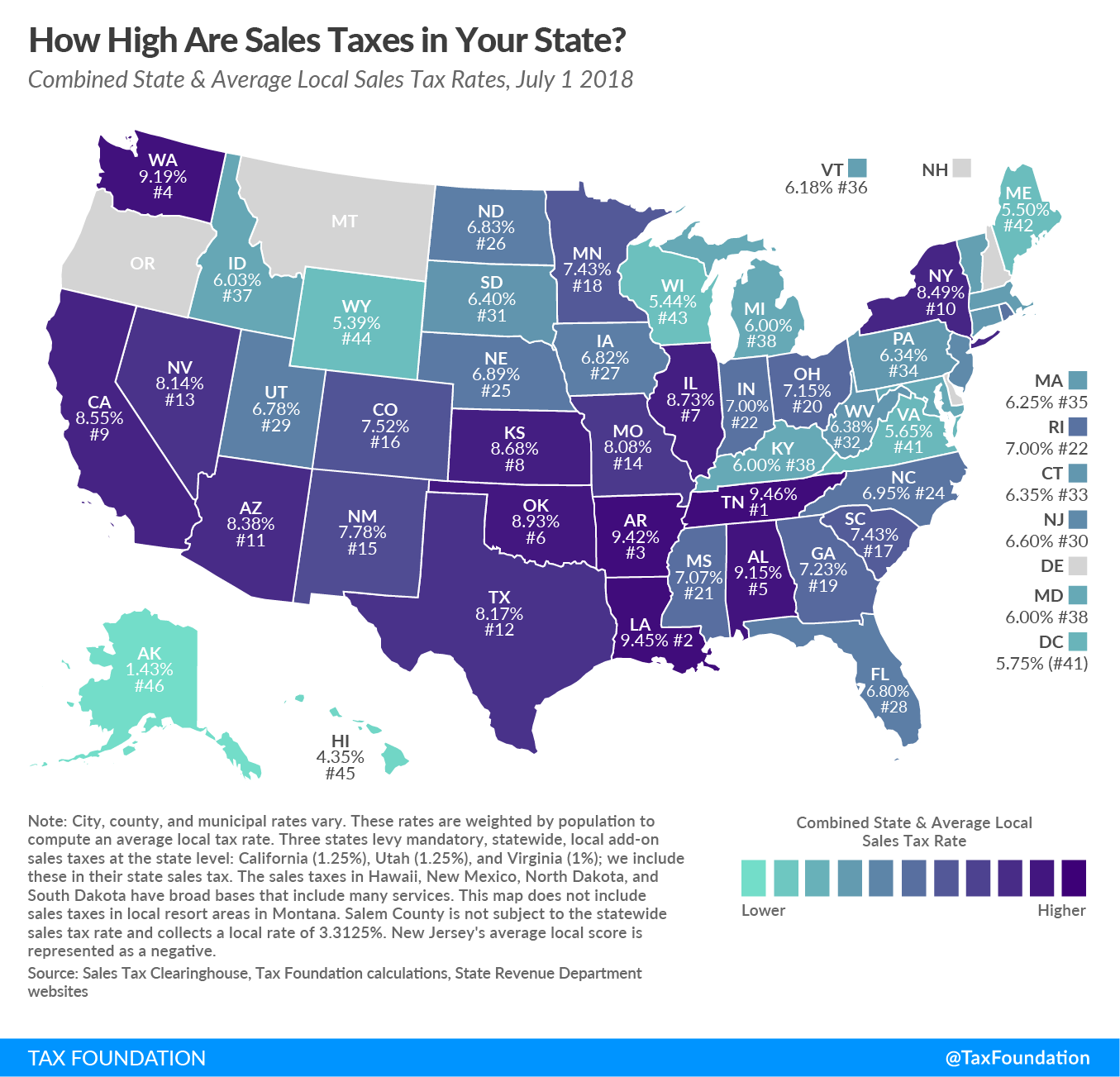
Beyond the state sales tax, California allows local jurisdictions to impose additional sales and use taxes. These vary significantly from city to city and county to county, and they apply to both taxable and non-taxable items, including food. This means that the total tax rate on food can differ dramatically depending on where you are in the state.
The Role of District Taxes
Local district taxes, often referred to as “add-on” taxes, are levied to fund various local projects, such as public transportation, schools, or infrastructure improvements. These are added on top of the statewide sales tax rate. For example, a county might have a base sales tax rate, and then a city within that county might impose an additional district tax.
How Local Taxes Affect Food Purchases:
- Higher Overall Rates: A meal purchased in a city with a high district tax rate will naturally cost more than the same meal purchased in an adjacent city with lower or no district taxes. This can lead to a noticeable difference in the final bill.
- Impact on Prepared Food: Since prepared food is already taxable, the addition of local district taxes simply increases the overall tax burden on these items.
- Impact on Non-Prepared Food: While “food products” are generally exempt from the state sales tax, they are often subject to local district taxes. This means that even your groceries might incur some level of local sales tax depending on your location.
The California Department of Tax and Fee Administration (CDTFA) provides resources to help consumers and businesses determine the applicable sales and use tax rates for specific locations. It’s advisable to check these resources if you’re making significant purchases or operating a business in a particular area.
Specific Scenarios and Nuances
Certain food-related purchases present unique tax considerations that can be a source of confusion. Understanding these specific scenarios can help you avoid unexpected charges.
Vending Machine Sales
The taxation of items purchased from vending machines in California follows specific rules:
- Food Products: Most food products dispensed from vending machines are generally exempt from sales tax. This includes candy, chips, and other similar snack items.
- Beverages: Bottled water, soda, and other non-carbonated or carbonated beverages are typically taxable, regardless of whether they are purchased from a vending machine.
- Heated Food: If a vending machine dispenses heated food items, these are considered prepared food and are taxable.
It’s important to check the labeling or signage near the vending machine, as the seller is responsible for collecting the correct tax.
Catering Services
Catering services often blur the lines between providing food and providing a service. In California, the taxation of catering depends on whether the transaction is considered a sale of tangible personal property or a non-taxable service.
- Taxable Catering: If the caterer sells meals or food products to a customer, the entire charge is generally considered a sale of tangible personal property and is subject to sales tax, including any delivery or service charges associated with the sale of food.
- Non-Taxable Service: If the caterer provides a true service, such as preparing and serving food at an event with a fixed price that includes labor and other service components, and the food is incidental to the service, it may be considered non-taxable. However, this distinction is often very fine.
It is common for caterers to charge sales tax on their invoices to ensure compliance.
Bakeries and Coffee Shops
The taxation of items from bakeries and coffee shops can be particularly nuanced.
- Bakeries: Generally, bread, pastries, cookies, and cakes purchased from a bakery are considered food products and are exempt from state sales tax. However, if these items are sold for immediate consumption on the premises (e.g., in a cafe section of the bakery) or are served hot, they may be taxed as prepared food.
- Coffee Shops: Coffee, tea, and other beverages are generally taxable, even if they are not considered part of a prepared meal. Pastries and baked goods sold alongside these beverages are typically exempt if intended for home consumption. However, if the coffee shop offers seating and encourages on-site consumption, there can be a presumption that all items sold are prepared food and therefore taxable.
Special Diets and Nutritional Supplements
The taxability of items intended for special diets or as nutritional supplements can be complex.
- Medical Foods: Foods prescribed by a physician for a patient’s medical treatment are often exempt from sales tax.
- Nutritional Supplements: Items marketed as vitamins, minerals, or other dietary supplements are generally considered taxable tangible personal property, even if they are consumed for health-related reasons. The key distinction is whether the item is primarily for nutrition or for therapeutic/medical treatment.
Tips for Consumers to Navigate Food Taxes in California
Navigating the tax landscape for food in California requires a bit of awareness and attention to detail. Here are some practical tips:
1. Be Mindful of Where You Shop and Eat
Understand that tax rates vary by location. If you’re a tourist, be aware that the price of your meal or groceries can be influenced by local district taxes. Planning your dining or shopping in areas with lower combined sales tax rates can lead to minor savings.
2. Distinguish Between Groceries and Prepared Meals
The most fundamental rule is to differentiate between food items purchased for home preparation (generally exempt) and food items sold ready for immediate consumption (generally taxable). When in doubt, look at how the item is packaged and sold. If it’s in a grocery aisle, it’s likely exempt. If it’s at a counter, ready to eat, it’s likely taxable.
3. Examine Your Receipts Carefully
Always review your sales receipts, especially when dining out or purchasing from establishments that sell both taxable and non-taxable items. Ensure that the tax applied aligns with the items you purchased. If you believe you were overcharged, politely inquire with the establishment.
4. Understand “Prepared Food” Definitions
Remember that “prepared food” can include items that are heated, consist of multiple ingredients mixed by the seller, or are intended for immediate consumption. This broad definition covers a significant portion of food service transactions.
5. Consult Official Resources When Necessary
For businesses or individuals making significant food-related purchases, the California Department of Tax and Fee Administration (CDTFA) is the definitive source of information. Their website offers detailed publications and tax rate lookups that can provide precise guidance.
By staying informed about California’s sales tax laws concerning food, you can better budget your expenses and make more informed purchasing decisions as you explore the state’s rich culinary offerings.
LifeOutOfTheBox is a participant in the Amazon Services LLC Associates Program, an affiliate advertising program designed to provide a means for sites to earn advertising fees by advertising and linking to Amazon.com. Amazon, the Amazon logo, AmazonSupply, and the AmazonSupply logo are trademarks of Amazon.com, Inc. or its affiliates. As an Amazon Associate we earn affiliate commissions from qualifying purchases.