
Gas prices are a perennial topic of discussion, especially for those planning road trips or navigating the sprawling landscapes of a state like Arizona. Understanding the fluctuations and factors influencing the cost of fuel is crucial for budgeting, making informed travel decisions, and appreciating the economic forces at play. This guide delves into the current state of Arizona gasoline prices, exploring the variables that contribute to their movement and offering insights for travelers and residents alike.
Understanding Arizona’s Gas Price Landscape
Arizona, like much of the United States, experiences dynamic gasoline prices. These prices are not static and can change daily, influenced by a complex interplay of global, national, and local factors. For travelers venturing across the state, from the arid beauty of the Sonoran Desert to the cooler climes of the Grand Canyon State, knowing what to expect at the pump is a significant part of trip planning.
Key Factors Influencing Fuel Costs
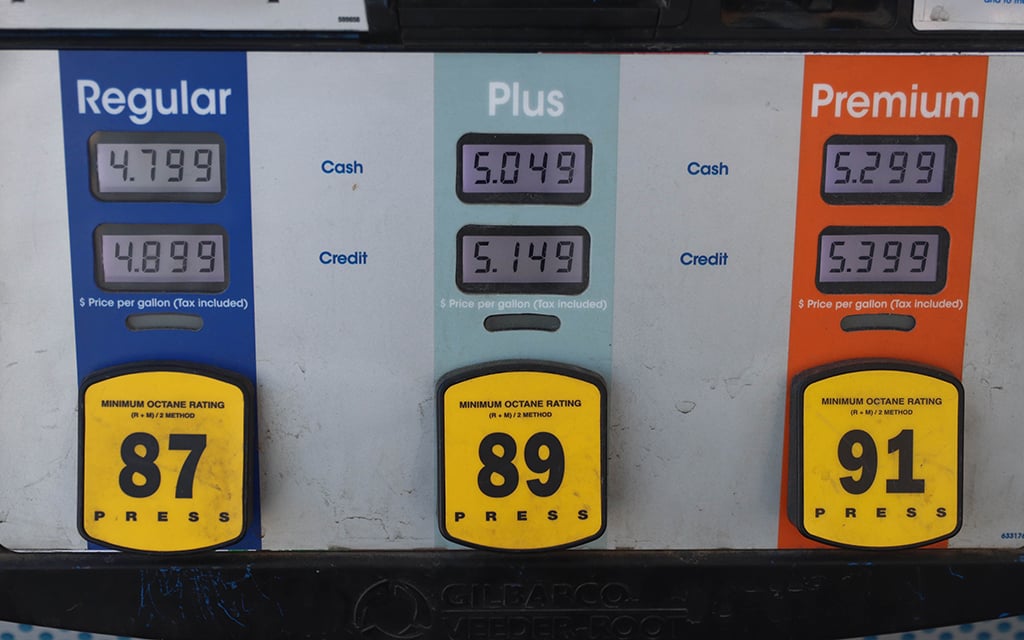
Several elements contribute to the price you see on the digital display at a gas station. While the price of crude oil is the most significant driver, other considerations come into play:
- Crude Oil Prices: The global supply and demand for crude oil are the primary determinants of gasoline prices. Major geopolitical events, production decisions by OPEC, and economic growth in large consuming nations like China and the United States all impact crude oil benchmarks like West Texas Intermediate (WTI) and Brent crude. When crude oil prices rise, the cost of gasoline naturally follows.
- Refinery Operations: Crude oil is refined into gasoline, diesel, and other petroleum products. The operational status of refineries, both within Arizona and in neighboring regions, significantly affects supply. Refinery maintenance, unplanned shutdowns due to weather events (like hurricanes in the Gulf Coast), or capacity limitations can tighten the gasoline supply, leading to higher prices.
- Distribution and Transportation: Gasoline is transported from refineries to local terminals and then to individual service stations via pipelines, trucks, and sometimes rail. The cost of this transportation, including fuel for the delivery trucks, adds to the final price.
- State and Federal Taxes: A substantial portion of the retail price of gasoline is comprised of taxes. In Arizona, this includes federal excise taxes and state excise taxes, which are levied per gallon. These taxes are often adjusted periodically and contribute to the baseline cost of fuel.
- Seasonal Demand: Demand for gasoline typically rises during the summer months due to increased travel and vacations, particularly for road trips. This surge in demand, coupled with potential seasonal blend requirements for gasoline (e.g., summer blends formulated to reduce smog), can push prices upward. Conversely, demand tends to be lower in the fall and winter, which can sometimes lead to price decreases.
- Retailer Markups and Competition: The final price at the pump also includes the profit margin of the retailer and the competitive landscape in a particular area. Stations in high-traffic tourist areas or major urban centers might have slightly different pricing strategies compared to those in more rural locations.
Current Trends and Averages in Arizona
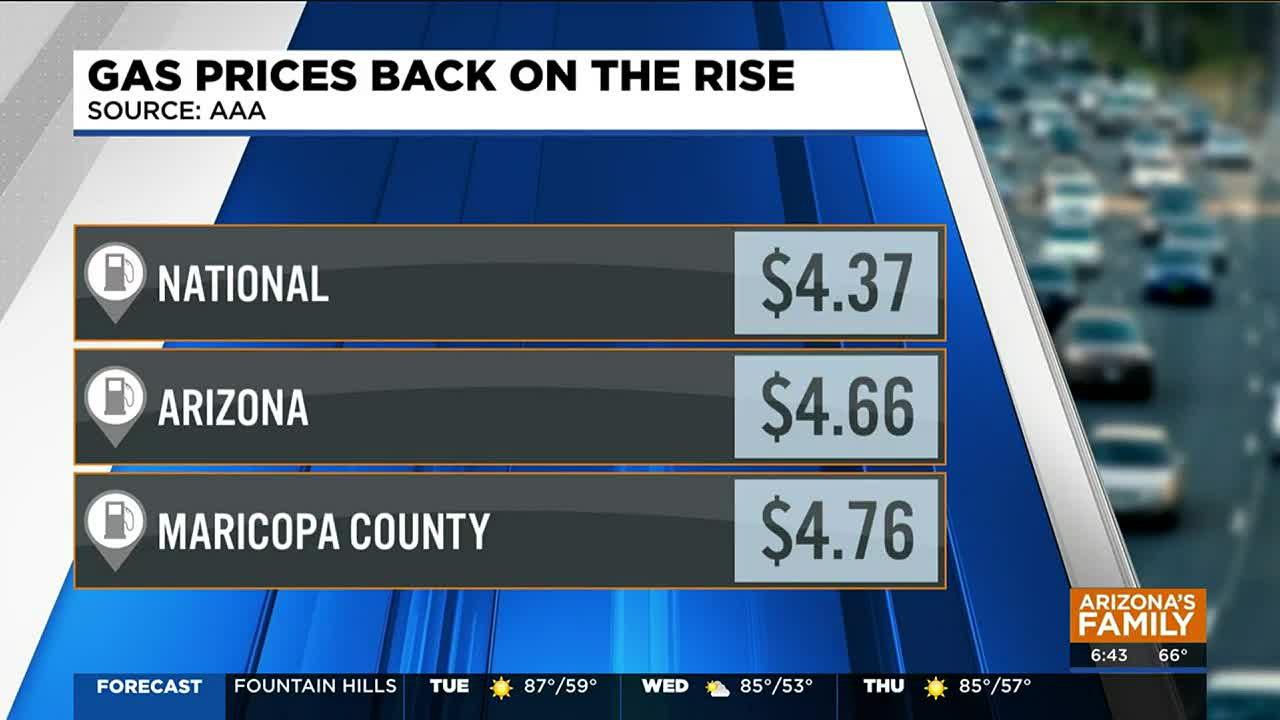
Tracking the average price of gasoline in Arizona provides a valuable snapshot for planning. Organizations like the American Automobile Association (AAA) regularly publish average prices for regular unleaded, mid-grade, and premium gasoline across the state and for individual cities. These averages are essential for understanding the general cost of fueling up.
For instance, a traveler planning a journey from Phoenix to Tucson will want to know the average price along that route. Similarly, a visitor exploring the northern parts of the state, perhaps heading towards Flagstaff or the Grand Canyon National Park, will benefit from understanding regional price variations.
Regional Price Variations Within Arizona
It’s important to note that gas prices can vary significantly from one city to another within Arizona. Major metropolitan areas like Phoenix and Tucson tend to have a wider range of prices due to higher competition among numerous gas stations. Smaller towns or more remote locations might experience less competition, potentially leading to higher prices, though sometimes lower local demand can offset this.
Cities at higher elevations, such as Flagstaff, may sometimes see slightly different pricing dynamics due to increased transportation costs to reach those areas. Similarly, areas closer to the California border might see some influence from California’s notoriously high gas prices, although the price difference is usually noticeable.

Practical Tips for Managing Fuel Costs in Arizona
For any traveler, the cost of gasoline can be a significant line item in a travel budget. Thankfully, there are strategies to help manage these expenses while enjoying the wonders of Arizona.
Strategies for Budget-Conscious Travelers
- Monitor Prices: Before and during your trip, utilize resources like AAA or other gas price tracking apps and websites to identify the cheapest gas stations along your intended route. Prices can change rapidly, so checking regularly is advisable.
- Plan Your Routes: Efficient route planning can minimize unnecessary driving. Consider the most direct paths and factor in the locations of gas stations, especially in more remote areas where they might be sparse.
- Consider Fuel Efficiency: If you are driving your own vehicle, ensuring it is well-maintained can improve fuel efficiency. Properly inflated tires and a clean air filter can make a difference. For rental vehicles, opting for a more fuel-efficient model can lead to substantial savings over a long trip.
- Drive Conservatively: Aggressive driving, including rapid acceleration and hard braking, consumes more fuel. Maintaining a steady speed and anticipating traffic can significantly improve your miles per gallon.
- Take Advantage of Loyalty Programs: Many major gas station chains offer loyalty programs or credit cards that provide discounts or cash back on fuel purchases. If you find yourself frequently refueling at a particular brand, these programs can offer tangible savings.
- Fill Up Strategically: If you are traveling through an area with significantly lower gas prices, consider filling up your tank completely. This can save you money if prices rise in the next region you visit. Conversely, if you are in an area with exceptionally high prices, consider waiting until you reach a more competitive location, provided your current fuel level allows.
Understanding Fuel Types and Octane Ratings
While most standard vehicles run on regular unleaded gasoline, understanding the different octane ratings can prevent unnecessary spending.
- Regular Unleaded (87 Octane): This is the standard fuel for most passenger cars and SUVs and is also the most common and least expensive option. Unless your vehicle’s manufacturer specifically recommends a higher octane, using regular unleaded is sufficient.
- Mid-Grade (89 Octane): Offers a slightly higher octane rating than regular. It is generally not necessary for most vehicles.
- Premium (91 or 93 Octane): Recommended for high-performance or luxury vehicles that require a higher octane to prevent engine knocking or pinging. Using premium fuel in a vehicle designed for regular unleaded will not provide any performance benefit and is simply a waste of money. Always consult your vehicle’s owner’s manual to determine the appropriate octane rating.
The Economic Impact of Gas Prices on Arizona Tourism
The cost of gasoline has a direct correlation with the tourism industry in Arizona. As a state that attracts visitors for its natural wonders and outdoor activities, many of whom drive to their destinations, high gas prices can influence travel decisions.
How Gas Prices Affect Travel Decisions
- Destination Choices: When gas prices are high, some travelers might opt for destinations closer to home to reduce their fuel expenditure. This could potentially impact the number of visitors to more distant attractions within Arizona.
- Trip Duration and Activities: Tourists might shorten their trips or reduce the number of excursions they take that involve significant driving if fuel costs are a major concern. This could affect spending at local businesses, restaurants, and attractions.
- Mode of Transportation: In extreme cases, very high gas prices might encourage a shift towards more fuel-efficient modes of transport or even discourage long-distance travel altogether. However, for many attractions in Arizona, such as the iconic Grand Canyon, driving remains the most practical and common way to visit.
Arizona’s Response and the Future of Fuel
The state of Arizona and its local communities are aware of the impact of fuel prices. While the state has limited control over global crude oil prices, it plays a role in managing fuel taxes and promoting infrastructure that supports alternative transportation.
Looking ahead, the energy landscape is evolving. As the world shifts towards more sustainable energy sources, the reliance on gasoline may gradually decrease. However, for the foreseeable future, understanding and managing the cost of gasoline will remain a vital aspect of travel and daily life in Arizona. By staying informed and employing smart strategies, travelers and residents can navigate the fluctuations in gas prices and continue to explore the diverse beauty of the Grand Canyon State.
LifeOutOfTheBox is a participant in the Amazon Services LLC Associates Program, an affiliate advertising program designed to provide a means for sites to earn advertising fees by advertising and linking to Amazon.com. Amazon, the Amazon logo, AmazonSupply, and the AmazonSupply logo are trademarks of Amazon.com, Inc. or its affiliates. As an Amazon Associate we earn affiliate commissions from qualifying purchases.