
The Call to Service: A Lifestyle Choice
Becoming a police officer in California is more than just securing a job; it’s an embrace of a demanding, yet profoundly rewarding, lifestyle centered on public service and community protection. This career path appeals to individuals driven by a strong sense of purpose, a desire to make a tangible difference, and a commitment to upholding the law. It’s a choice that shapes not only one’s professional trajectory but also their daily routine, social interactions, and personal growth. The motivations are diverse, ranging from the allure of a stable career with competitive benefits to a deep-seated conviction to serve and safeguard one’s community.

For many, the lifestyle of a police officer in California embodies a unique blend of challenge and fulfillment. Officers are often at the forefront of critical situations, requiring quick thinking, courage, and compassion. They are problem-solvers, mediators, first responders, and protectors, frequently encountering individuals from all walks of life. This dynamic environment necessitates a lifestyle of adaptability, continuous learning, and unwavering integrity. The commitment extends beyond typical work hours, often involving irregular shifts, emotional resilience, and a constant awareness of one’s role as a public servant. Choosing this path means dedicating oneself to a calling that provides immense satisfaction through its direct impact on public safety and quality of life in California communities. It’s a lifestyle where the uniform represents not just authority, but also a promise of assistance and protection.
Navigating the Path: Eligibility and Initial Steps
Embarking on the journey to become a police officer in California requires meeting a stringent set of eligibility criteria designed to ensure candidates possess the foundational qualities necessary for the role. This initial phase sets the tone for the demanding lifestyle ahead, emphasizing responsibility and adherence to high standards.
Basic Requirements
At the core, applicants must be at least 21 years old at the time of academy graduation (though many departments allow application at 20.5), be a U.S. citizen or permanent resident alien who has applied for citizenship, and possess a high school diploma or General Educational Development (GED) certificate. While not always mandatory, many agencies prefer or require some college coursework (e.g., an Associate’s degree or 60 college units), recognizing that higher education often cultivates critical thinking and communication skills vital to an officer’s lifestyle. A valid California driver’s license is also universally required, reflecting the mobile nature of the job. These fundamental requirements ensure a baseline level of maturity, education, and legal standing, all critical for a public servant’s lifestyle.
Physical and Mental Fitness
The lifestyle of a police officer is inherently physically and mentally demanding. Candidates must be in excellent physical condition, capable of performing strenuous tasks, engaging in defensive tactics, and maintaining composure in high-stress situations. Departments conduct thorough medical examinations to ensure applicants meet the physical standards. Equally important is mental resilience. The job exposes officers to traumatic events, requiring a strong psychological fortitude and the ability to cope with stress, make sound judgments under pressure, and maintain empathy. The comprehensive evaluation process includes psychological assessments aimed at identifying candidates with the appropriate temperament and mental stability to thrive in this challenging lifestyle. This emphasis on holistic fitness ensures officers can sustain the rigorous demands of their duties throughout their careers.
Background Check & Character
Integrity is the bedrock of the law enforcement lifestyle. A comprehensive background investigation is a critical component of the application process, delving into an applicant’s personal history, employment record, financial stability, and interactions with the law. This thorough scrutiny aims to verify honesty, ethical conduct, and reliability. Any history of serious criminal offenses, drug abuse, or patterns of dishonest behavior will typically disqualify a candidate. Departments seek individuals who demonstrate a strong moral compass and an unwavering commitment to ethical principles, as these traits are non-negotiable for a profession built on trust and accountability. The expectation is that an officer’s personal lifestyle mirrors the values of the badge they wear.
Driving Record & Criminal History
A clean driving record is essential, given that operating a patrol vehicle is a fundamental aspect of an officer’s daily life. Significant traffic violations, particularly those indicating reckless behavior, can be disqualifying. Similarly, a thorough review of an applicant’s criminal history is conducted. While minor infractions from the distant past might be considered on a case-by-case basis, serious felonies or repeated misdemeanors are typically prohibitive. The public trust invested in police officers necessitates that those who enforce the law must themselves have a history that reflects respect for legal statutes and community safety. This assessment ensures that candidates can embody the responsible and law-abiding lifestyle expected of a peace officer.
The Application and Testing Gauntlet
The pathway to becoming a police officer in California is paved with a series of rigorous assessments designed to evaluate a candidate’s suitability for the unique demands of the profession. Each stage tests different facets crucial to the officer’s lifestyle, from intellectual acuity to physical endurance and psychological resilience.
Written Examination
The process typically begins with a written examination, which assesses a candidate’s cognitive abilities vital for law enforcement. These tests often cover areas such as reading comprehension, written communication skills, logical reasoning, and basic math. The ability to articulate thoughts clearly, understand complex instructions, and analyze situations effectively is paramount for an officer’s daily duties, including report writing, critical decision-making, and courtroom testimony. A strong performance here indicates a candidate’s capacity for the continuous learning and mental agility inherent in the policing lifestyle.
Physical Agility Test (PAT)
Following the written exam, candidates must successfully complete a Physical Agility Test (PAT). This practical assessment directly evaluates the physical fitness required for the active and often demanding lifestyle of a police officer. The PAT typically includes components such as running, jumping, climbing, dragging weights, and completing obstacle courses designed to simulate real-world scenarios. Demonstrating excellent physical conditioning is crucial, as officers frequently engage in foot pursuits, apprehend suspects, and provide physical assistance in emergencies. Passing the PAT confirms a candidate’s readiness for the physical rigors of the job and their commitment to a healthy, active lifestyle.
Oral Interview
Candidates who pass the initial screenings proceed to an oral interview. This is a critical stage where a panel of officers or HR professionals assesses a candidate’s communication skills, judgment, problem-solving abilities, motivation, and temperament. The interview allows the department to gauge a candidate’s personality, ethics, and how they might handle various scenarios, providing insight into their potential fit within the agency’s culture and the broader law enforcement lifestyle. Questions often explore past experiences, reactions to hypothetical situations, and understanding of community policing principles.

Psychological Evaluation
Given the inherent stress and unique challenges of the job, a psychological evaluation is mandatory. This assessment involves written tests and an interview with a licensed psychologist. Its purpose is to evaluate a candidate’s mental and emotional stability, stress coping mechanisms, impulse control, and suitability for handling the high-pressure situations that are an everyday part of an officer’s lifestyle. The evaluation ensures that candidates possess the psychological fortitude required to perform duties effectively and maintain professionalism under duress.
Medical Examination
The final major hurdle before academy admission is a comprehensive medical examination. This evaluation ensures that candidates are in excellent physical health and capable of performing all essential job functions without posing a risk to themselves or others. It checks for underlying conditions that could impair performance, such as vision or hearing deficiencies, and verifies that the candidate can withstand the physical strain of law enforcement. Passing this exam confirms that an individual’s physical lifestyle aligns with the strenuous requirements of police work.
The California POST Academy Experience
Upon successful navigation of the extensive application and testing process, recruits are admitted to a certified Peace Officer Standards and Training (POST) academy in California. This intensive, immersive experience is a transformative period, fundamentally shaping an individual’s lifestyle and preparing them for the realities of law enforcement.
Intensive Training
The academy is far from a typical classroom setting; it is a crucible designed to forge civilians into disciplined, competent, and ethical peace officers. For several months, recruits undergo a demanding regimen that combines academic instruction with rigorous physical conditioning and tactical training. This period represents a significant shift in lifestyle, as personal freedoms are often curtailed, and the focus is entirely on mastery of the curriculum and adherence to strict protocols. Recruits live and breathe law enforcement, developing the mental fortitude and physical endurance required for the job. The emphasis is on building character, discipline, and the teamwork essential for an officer’s collaborative lifestyle.
Curriculum Overview
The POST academy curriculum is comprehensive, covering a vast array of subjects crucial for effective policing. Recruits delve into criminal law, constitutional law, arrest and control techniques, evidence collection, and patrol procedures. Firearms training is a core component, ensuring proficiency and safety in weapon handling. Vehicle operations, emergency medical aid, crisis intervention, de-escalation techniques, and cultural diversity training are also integral. Each module is designed to equip future officers with the knowledge and practical skills necessary to respond to diverse situations in a legally sound, ethical, and effective manner. This multifaceted education is paramount to developing a well-rounded and capable officer, ready for the varied challenges of their future lifestyle.
Life in the Academy
Life in the academy is characterized by discipline, structure, and intense camaraderie. Recruits are often away from home, living in dorm-like settings, and adhering to strict schedules that include early mornings, physical training, classroom sessions, and practical exercises. This environment fosters a strong sense of teamwork and mutual reliance, as recruits support each other through the shared challenges. Instructors, typically experienced police officers, serve as mentors, imparting not just knowledge but also the values and ethos of the profession. This unique lifestyle within the academy prepares recruits for the demanding, team-oriented, and service-driven life they will lead as sworn officers, instilling a profound understanding of their responsibilities and the impact of their future lifestyle on the community.
Beyond the Academy: A Lifelong Commitment
Graduating from the California POST academy marks the successful completion of a foundational phase, but it is merely the beginning of a lifelong commitment to the law enforcement lifestyle. The journey from recruit to seasoned officer involves continuous learning, adaptation, and unwavering dedication.
Field Training Officer (FTO) Program
Upon graduation, new officers are typically assigned to a Field Training Officer (FTO) program. This critical phase involves hands-on, on-the-job training where a veteran officer mentors the rookie, guiding them through real-world scenarios. FTOs provide immediate feedback, reinforce academy lessons, and help new officers apply theoretical knowledge to practical situations. This mentorship is vital for transitioning from the structured academy environment to the unpredictable realities of patrol work. The FTO program is an immersive experience that refines decision-making, enhances communication skills, and integrates new officers into the agency’s operational lifestyle, ensuring they can effectively manage the complexities of daily police duties.
Continuous Professional Development
The lifestyle of a police officer is one of perpetual learning and growth. The law, societal norms, and policing techniques are constantly evolving, requiring officers to engage in continuous professional development. This includes mandatory in-service training, refresher courses, and opportunities for specialized training. Many officers choose to specialize in areas such as K9 units, SWAT teams, detective work, traffic enforcement, or community relations. Pursuing these specializations requires additional training and commitment, offering diverse pathways within the law enforcement lifestyle. This ongoing education ensures officers remain highly skilled, adaptable, and capable of addressing emerging challenges, maintaining the highest standards of service throughout their careers.
The Daily Life of a California Officer
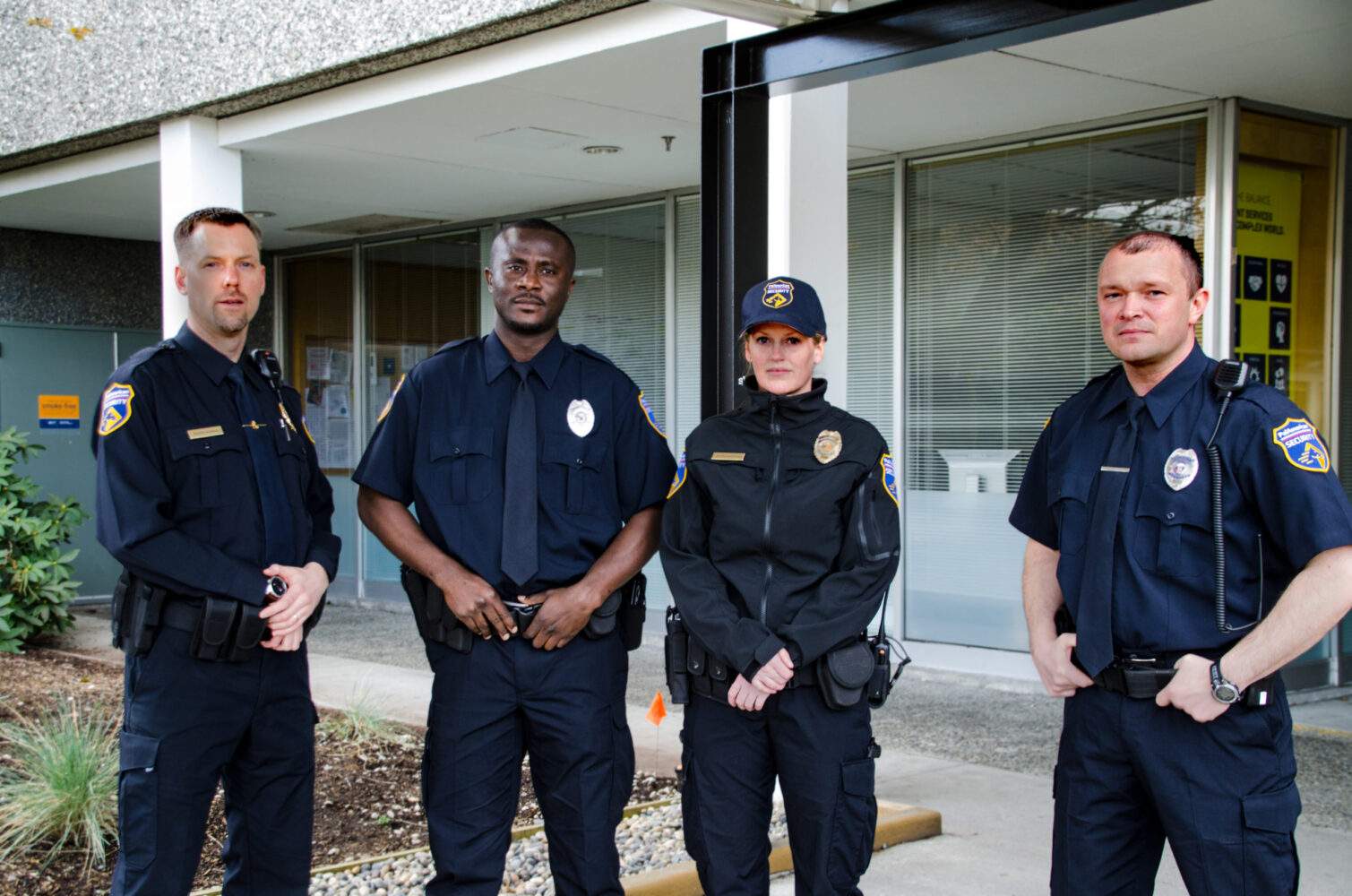
The daily life of a California police officer is anything but routine. Shifts are often varied, including nights, weekends, and holidays. Officers respond to a wide range of calls, from minor disputes and traffic incidents to serious crimes and emergencies. Community engagement is a significant part of the role, building relationships with residents and fostering trust. The job demands constant vigilance, excellent communication skills, and the ability to remain calm and decisive under pressure. Despite the challenges—which can include exposure to trauma and inherent dangers—the rewards are immense: the satisfaction of helping people, solving crimes, and contributing directly to the safety and well-being of the community. This unique professional lifestyle defines an officer’s daily existence.
Impact on Personal Life
Embracing the law enforcement lifestyle profoundly impacts an officer’s personal life and that of their family. The irregular hours, the stress of critical incidents, and the inherent risks of the job can present unique challenges. Strong personal support systems are crucial. However, the profession also offers a profound sense of purpose, a strong bond with fellow officers, and a lifestyle that commands respect and provides a stable career with substantial benefits, including healthcare, retirement plans, and opportunities for advancement. The decision to become a police officer in California is a holistic one, signifying a full commitment to a demanding, yet deeply meaningful, public service lifestyle.
LifeOutOfTheBox is a participant in the Amazon Services LLC Associates Program, an affiliate advertising program designed to provide a means for sites to earn advertising fees by advertising and linking to Amazon.com. Amazon, the Amazon logo, AmazonSupply, and the AmazonSupply logo are trademarks of Amazon.com, Inc. or its affiliates. As an Amazon Associate we earn affiliate commissions from qualifying purchases.