
Embarking on a career as an ultrasound technician, also known as a diagnostic medical sonographer, in California offers a rewarding path in the dynamic healthcare sector. This profession is at the forefront of medical diagnostics, providing crucial insights into patients’ health without invasive procedures. With its bustling healthcare industry, diverse population, and advanced medical facilities, California presents a prime environment for aspiring sonographers. This comprehensive guide will navigate you through the essential steps, educational requirements, certification processes, and career prospects to help you achieve your goal of becoming a qualified ultrasound technician in the Golden State.
Understanding the Role of a Diagnostic Medical Sonographer
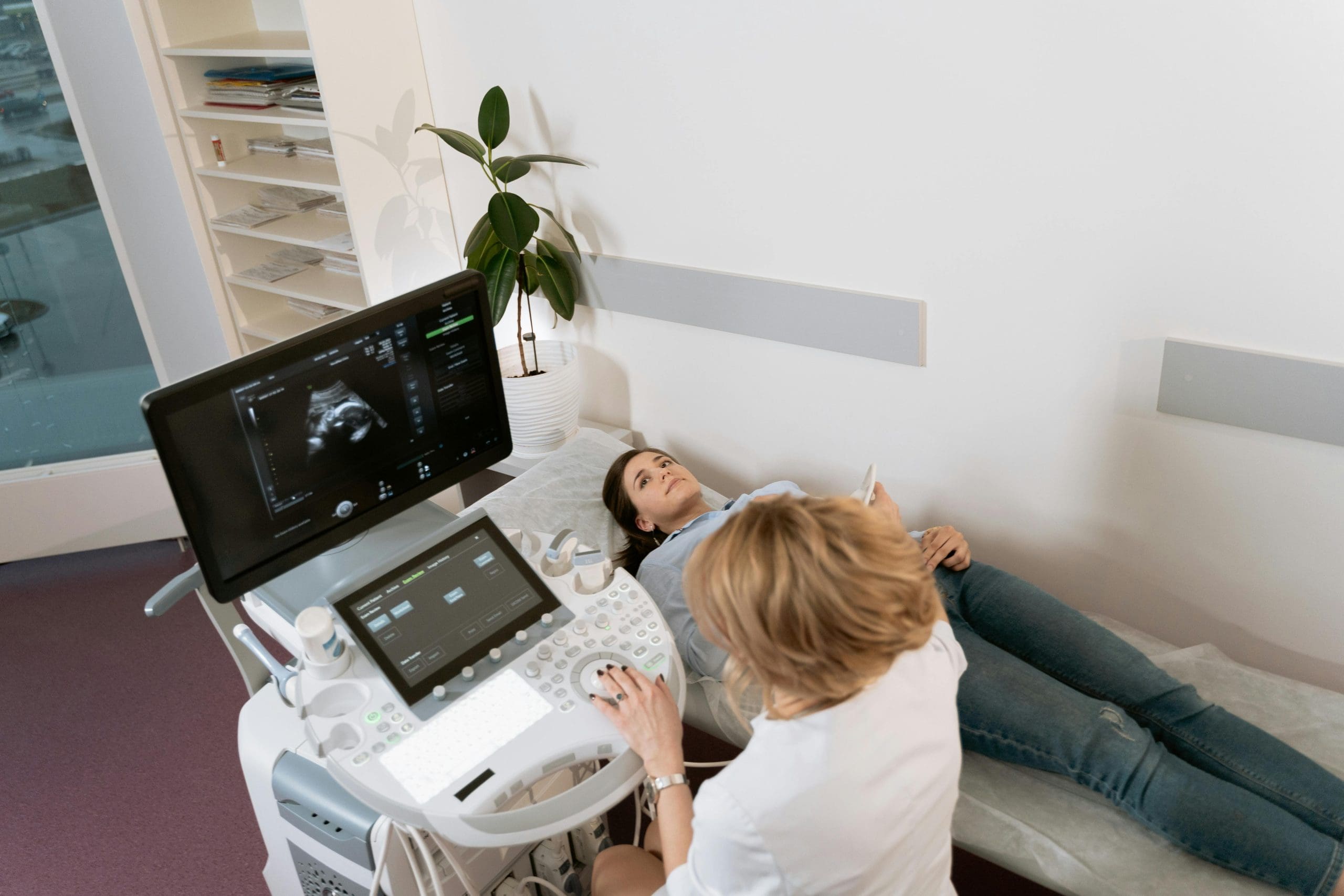
At its core, diagnostic medical sonography is a specialized medical imaging technique that uses high-frequency sound waves to create images of organs, blood vessels, and structures inside the body. These images, known as sonograms, are vital tools for diagnosing and monitoring a wide range of medical conditions.
What Does an Ultrasound Technician Do?
An ultrasound technician operates specialized equipment to perform sonographic examinations. Their primary responsibilities include:
- Patient Interaction: Preparing patients for procedures, explaining the process, and ensuring their comfort and safety throughout the exam.
- Operating Sonography Equipment: Using transducers to emit sound waves and capture reflections, meticulously adjusting settings to obtain high-quality images.
- Image Acquisition and Analysis: Capturing detailed images of specific body parts (e.g., abdomen, heart, obstetrics, vascular system) and performing initial assessments to ensure diagnostic quality.
- Documentation and Reporting: Recording findings, maintaining patient records, and presenting preliminary interpretations of images to radiologists or referring physicians.
- Equipment Maintenance: Ensuring the proper functioning and cleanliness of ultrasound machines and related tools.
Ultrasound technicians work in various medical settings, including hospitals, clinics, private practices, and diagnostic imaging centers. Their work requires a blend of technical proficiency, critical thinking, compassion, and excellent communication skills.
The Importance of Diagnostic Medical Sonography
Diagnostic Medical Sonography plays an indispensable role in modern medicine. It’s a non-invasive, radiation-free imaging modality, making it safe for patients, particularly pregnant women and children. It aids in the diagnosis of heart conditions, abdominal diseases, vascular issues, and is central to obstetrics and gynecology, allowing for the monitoring of fetal development and detection of pregnancy complications. The real-time nature of ultrasound also makes it valuable for guiding biopsies and other interventional procedures. As medical technology advances, the scope and importance of sonography continue to expand.
Educational Pathways to Becoming a Sonographer in California
To become a qualified ultrasound technician in California, pursuing an accredited educational program is the foundational step. The state does not have specific licensure requirements beyond national certification, but employers almost universally demand graduation from an accredited program and national certification.
Accredited Programs and Degrees
The most recognized accreditation body for sonography programs is the Commission on Accreditation of Allied Health Education Programs (CAAHEP). Attending a CAAHEP-accredited program ensures that the curriculum meets rigorous national standards and prepares graduates for certification exams. In California, these programs typically lead to one of the following:
- Associate of Science (AS) in Diagnostic Medical Sonography: This is a common entry-level degree, usually taking two years to complete for students who have met general education prerequisites. Many community colleges and vocational schools offer AS programs.
- Bachelor of Science (BS) in Diagnostic Medical Sonography: These four-year programs provide a more extensive education, often including a broader scientific foundation and more in-depth clinical training. Universities and larger colleges typically offer BS programs.
- Certificate Programs: For individuals who already hold a degree in a related healthcare field (e.g., nursing, radiography) and wish to specialize in sonography, certificate programs offer a focused pathway. These can range from 12 to 24 months and are highly intensive.
When researching programs in cities like Los Angeles, San Francisco, or San Diego, always verify their CAAHEP accreditation status.
Key Curriculum Components
A robust sonography curriculum is designed to equip students with both theoretical knowledge and practical skills. Core subjects typically include:
- Anatomy and Physiology: In-depth study of human body structures and functions.
- Pathology: Understanding diseases and their effects on the body.
- Physics of Ultrasound: Principles of sound waves, transducer technology, and image formation.
- Sonographic Principles and Instrumentation: Operation and maintenance of ultrasound equipment.
- Medical Terminology: Essential for communication in healthcare settings.
- Patient Care and Ethics: Best practices for patient interaction, safety, and professional conduct.
- Specialized Sonography Courses: Depending on the program’s focus, these might include abdominal, obstetric/gynecologic, vascular, echocardiography, or musculoskeletal sonography.
Clinical Training and Practicum
A critical component of any sonography program is extensive clinical training. This hands-on experience takes place in supervised healthcare settings such as hospitals and clinics. During practicums, students apply their theoretical knowledge by performing actual ultrasound exams on patients under the guidance of experienced sonographers and clinical instructors. This phase is invaluable for developing scanning proficiency, critical thinking skills, and adapting to real-world clinical environments. It also provides opportunities for networking and understanding different medical specialties. Most CAAHEP-accredited programs require a significant number of clinical hours to ensure graduates are competent and ready for entry-level positions.
Certification and Licensure: Essential Steps
While California does not mandate state licensure for ultrasound technicians, national certification is the universally accepted standard for employment and professional recognition.
The Role of the ARDMS
The primary credentialing body for sonographers in the United States is the American Registry for Diagnostic Medical Sonography (ARDMS). Earning ARDMS certification demonstrates a sonographer’s proficiency and commitment to maintaining high professional standards.
To become ARDMS certified, candidates typically must:
- Graduate from a CAAHEP-accredited program: This is the most direct pathway.
- Pass the Sonography Principles and Instrumentation (SPI) examination: This is a physics-based exam required by the ARDMS for all specialties.
- Pass a specialty examination: After passing the SPI, candidates must pass at least one specialty exam, such as:
- Registered Diagnostic Medical Sonographer (RDMS) with specialties in Abdomen (AB), Obstetrics and Gynecology (OB/GYN), or Pediatric Sonography (PS).
- Registered Diagnostic Cardiac Sonographer (RDCS) with specialties in Adult Echocardiography (AE), Pediatric Echocardiography (PE), or Fetal Echocardiography (FE).
- Registered Vascular Technologist (RVT).
Many employers in California will require specific ARDMS credentials based on the type of facility and the examinations they perform.
State Requirements in California

As mentioned, California does not have a specific state licensure requirement for diagnostic medical sonographers. This means that once you achieve national certification through the ARDMS, you are generally eligible to seek employment in the state. However, it’s crucial to understand that individual employers may have additional hiring criteria, such as specific clinical experience or additional certifications. Staying updated on any potential changes in state regulations is always advisable, though historically, California has relied on national certification.
Specialized Certifications
Beyond the core ARDMS credentials, sonographers can pursue advanced or specialized certifications to enhance their career prospects and expertise. These might include:
- Breast Sonography (BS): For sonographers specializing in breast imaging.
- Musculoskeletal Sonography (MSKS): For imaging muscles, tendons, and joints.
- Vascular Technology (RVT): A separate credential for those focused on blood vessels.
- Pediatric Sonography (PS): For imaging infants and children.
Obtaining multiple specialty certifications can make a sonographer more versatile and marketable, opening doors to a broader range of employment opportunities and potentially higher earning potential within California’s diverse healthcare landscape.
Career Outlook and Earning Potential in California
The demand for qualified healthcare professionals, including diagnostic medical sonographers, remains robust in California. The state’s large and aging population, coupled with advancements in medical technology, drives a consistent need for skilled sonographers.
Job Market Trends
The Bureau of Labor Statistics (BLS) projects a faster-than-average growth for diagnostic medical sonographers nationwide. In California, this trend is often amplified due to the state’s significant investment in healthcare infrastructure and its large, diverse population. Major metropolitan areas like Los Angeles, San Francisco, San Diego, and Sacramento typically offer the highest concentration of job opportunities, but rural areas may also present unique demands and incentives. The healthcare industry in California is constantly evolving, with new clinics and specialized diagnostic centers opening regularly, ensuring a steady stream of employment prospects for certified professionals.
Salary Expectations
Salaries for ultrasound technicians in California are generally competitive and tend to be higher than the national average, reflecting the state’s higher cost of living and strong demand for skilled healthcare workers. Factors influencing salary include:
- Experience Level: Entry-level sonographers will earn less than those with several years of experience.
- Geographic Location: Salaries can vary significantly between metropolitan areas (e.g., San Francisco Bay Area) and more rural parts of the state.
- Employer Type: Hospitals, especially large medical centers, may offer different compensation packages than smaller clinics or private practices.
- Specialization: Sonographers with multiple or highly specialized certifications (e.g., cardiac or vascular) may command higher salaries.
While specific figures fluctuate, a competitive salary in California allows sonographers to enjoy a comfortable lifestyle, especially as they gain experience and specialized skills.
Opportunities for Advancement
A career in sonography offers several avenues for professional growth. Experienced ultrasound technicians can advance into roles such as:
- Lead Sonographer or Supervisor: Overseeing other sonographers, managing schedules, and ensuring quality control.
- Clinical Instructor: Training new students in clinical settings.
- Applications Specialist: Working for ultrasound equipment manufacturers, demonstrating new technology, and providing training to medical facilities.
- Educator: Teaching in diagnostic medical sonography programs.
- Department Manager: Managing an entire imaging department within a hospital or clinic.
Continuous education and the acquisition of new specialty certifications are key to unlocking these advanced opportunities.
Choosing the Right Program and Thriving in Your Career
Selecting the appropriate educational program is a pivotal decision that will shape your career trajectory as an ultrasound technician.
Factors to Consider When Selecting a School
When researching programs in California, consider the following:
- Accreditation: Ensure the program is accredited by CAAHEP. This is non-negotiable for national certification eligibility.
- Program Length and Degree Type: Decide whether an AS, BS, or certificate program best fits your educational background and career goals.
- Clinical Affiliations: Investigate the quality and variety of clinical sites affiliated with the program. Diverse clinical experiences are invaluable.
- Pass Rates: Inquire about the program’s ARDMS certification exam pass rates for graduates. High pass rates indicate effective instruction.
- Faculty Expertise: Look for programs with experienced, certified sonographers as instructors.
- Location and Cost: Consider the program’s location within California and tuition fees, as well as financial aid options.
- Program Culture and Resources: Visit campuses if possible, speak with current students, and assess the learning environment and available resources.
Continuous Professional Development
The field of medicine is constantly evolving, and sonography is no exception. To remain competent, effective, and to maintain ARDMS certification, sonographers are required to complete continuing medical education (CME) credits. This commitment to lifelong learning ensures that professionals stay updated on new technologies, imaging techniques, and best practices. Many professional organizations, such as the Society of Diagnostic Medical Sonography (SDMS), offer valuable CME opportunities through conferences, webinars, and online courses.
Networking and Professional Organizations
Becoming an active member of professional organizations can significantly benefit your career. Joining associations like the SDMS or local California chapters for sonographers offers opportunities for:
- Networking: Connecting with peers, mentors, and potential employers.
- Professional Growth: Access to educational resources, workshops, and conferences.
- Advocacy: Contributing to the advancement of the sonography profession.
- Job Opportunities: Many organizations share job postings exclusive to members.
Building a strong professional network and actively participating in the sonography community in California can open doors to new opportunities and provide support throughout your career journey.
In conclusion, a career as an ultrasound technician in California is a challenging yet deeply fulfilling choice, offering strong job prospects and the chance to make a real difference in patients’ lives. By following the outlined educational and certification pathways, embracing continuous learning, and actively engaging with the professional community, you can successfully navigate your way to becoming a skilled and respected diagnostic medical sonographer in one of the nation’s leading healthcare states.
LifeOutOfTheBox is a participant in the Amazon Services LLC Associates Program, an affiliate advertising program designed to provide a means for sites to earn advertising fees by advertising and linking to Amazon.com. Amazon, the Amazon logo, AmazonSupply, and the AmazonSupply logo are trademarks of Amazon.com, Inc. or its affiliates. As an Amazon Associate we earn affiliate commissions from qualifying purchases.