
Navigating the complexities of the legal system can be a daunting prospect, especially when it involves the possibility of an outstanding warrant. For residents and visitors alike in the Golden State, understanding how to check for a warrant in California is a crucial step towards resolving any potential legal entanglements and ensuring peace of mind. This guide aims to demystify the process, providing clear, actionable steps to ascertain your warrant status. Whether you are planning a trip to Disneyland or considering a long-term stay in a Los Angeles apartment, knowing your legal standing is paramount.
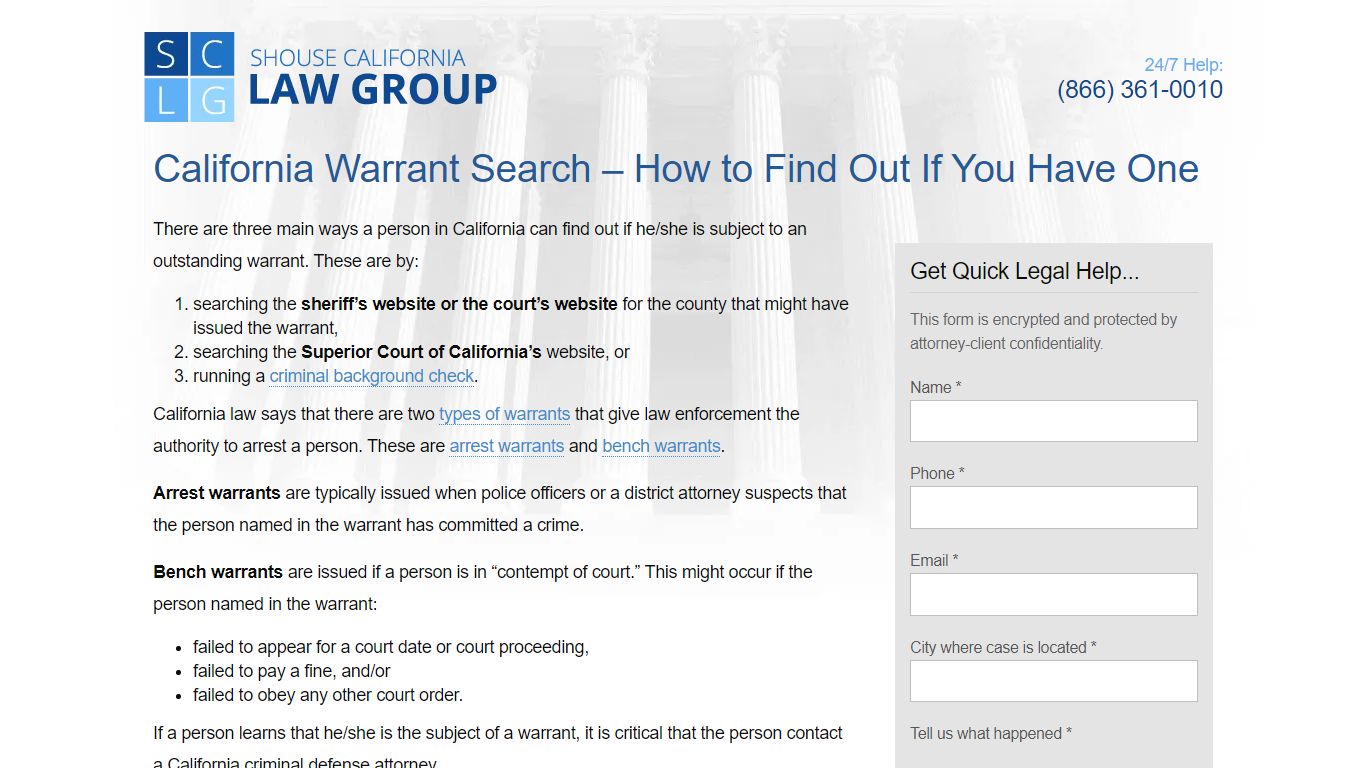
Understanding Warrants in California
A warrant, in essence, is a legal document issued by a judge or magistrate that authorizes law enforcement to take a specific action, such as arresting an individual or searching a property. In California, warrants are typically issued when there is probable cause to believe that a crime has been committed and that the person named in the warrant is connected to that crime. These can range from minor infractions to serious felonies.
Types of Warrants
It’s important to distinguish between different types of warrants, as they can impact how they are addressed.
Arrest Warrants
An arrest warrant is the most common type of warrant individuals are concerned about. It authorizes law enforcement officers to take a person into custody. If an arrest warrant is issued for you in California, it means a judge has found sufficient evidence to believe you committed an offense. This can occur for a variety of reasons, including failing to appear in court for a scheduled hearing, violating probation or parole, or if you are a suspect in a new criminal investigation.
Bench Warrants
A bench warrant is typically issued by a judge when a person fails to appear in court for a mandatory hearing. This can be for a traffic ticket, a misdemeanor charge, or a more serious felony. Unlike arrest warrants, bench warrants are specifically issued by the court itself and often indicate a failure to comply with a court order. If a bench warrant is issued, it generally needs to be resolved by appearing before the judge who issued it, often with the assistance of legal counsel.
Search Warrants
While less likely to be a primary concern for an individual checking their own status in the same way an arrest warrant is, understanding search warrants is part of a comprehensive legal awareness. A search warrant allows law enforcement to search a specific location for specific evidence related to a crime. If you are the subject of a search warrant, law enforcement has been granted legal authority to enter and search your property.
Methods for Checking for a Warrant
There are several avenues available to inquire about an outstanding warrant in California. It is crucial to approach this process with discretion and, ideally, with legal counsel to avoid inadvertently compromising your situation.
Contacting the Sheriff’s Department or Local Police
One of the most direct methods is to contact the law enforcement agency that would likely have jurisdiction over your case.
Local Law Enforcement Agencies
In California, this generally means contacting the Sheriff’s Department of the county where you reside or believe a warrant might have been issued, or the local police department of the city you are concerned about. Most Sheriff’s Departments have a warrant division or a non-emergency line that can assist with this inquiry.
- Process: When you call, you will typically need to provide your full legal name, date of birth, and potentially other identifying information such as your driver’s license number. It is advisable to call during regular business hours and to speak with someone in the records or warrant division.
- Caution: Be aware that law enforcement officers are not obligated to inform you if you have an active warrant over the phone and might detain you if they discover one during the call. This is why consulting an attorney beforehand is highly recommended.
County Court Clerk’s Office
Another point of contact is the clerk’s office at the superior court in the county where you might have a case.
- Procedure: The clerk’s office can access court records, which may include information about outstanding warrants, particularly bench warrants. You can visit the courthouse in person or, in some cases, inquire by phone or through the court’s website.
- Information Needed: Similar to contacting law enforcement, you will need to provide your full name and date of birth. Having case numbers or other relevant details can expedite the process.
Online Public Access Portals
Many California counties offer online portals for public access to court records and warrant information.
County Court Websites

Most superior courts in California maintain public access terminals or online databases where you can search for criminal cases and warrants.
- How to Use: Navigate to the official website of the superior court for the county in question. Look for sections labeled “Public Records,” “Online Services,” “Criminal Records,” or “Warrant Search.” You will typically be prompted to enter a name or case number.
- Limitations: These online systems may not always be up-to-date or may not include all types of warrants. Some jurisdictions have more comprehensive online databases than others. For example, if you are concerned about a warrant issued in San Diego County, you would visit the San Diego Superior Court website.
Sheriff’s Department Websites
Some Sheriff’s Departments also provide online warrant searches, though this is less common than court-based portals.
- Verification: If available, these systems can be a convenient way to check. However, it’s essential to rely on official government websites for accuracy.
Consulting with an Attorney
For individuals who suspect they may have a warrant, or for those who need to resolve an existing warrant, engaging the services of a qualified criminal defense attorney is the most prudent course of action.
Benefits of Legal Counsel
An attorney can perform a thorough and discreet check for warrants on your behalf. They have established relationships with law enforcement and court personnel, which can facilitate a more efficient and less risky inquiry.
- Confidentiality: Communications with your attorney are protected by attorney-client privilege, ensuring your privacy.
- Resolution: Beyond just checking for a warrant, an attorney can advise you on the best strategy for resolving it, which may involve negotiating a surrender, posting bail, or appearing in court to quash the warrant. This is particularly important if you are planning a trip to a popular destination like Yosemite National Park or a business trip to San Francisco, as an active warrant could lead to your arrest at an airport or border crossing.
- Avoiding Pitfalls: Attempting to resolve a warrant without legal representation can sometimes lead to unintended consequences, such as immediate arrest if you voluntarily go to a police station without prior arrangements. An attorney can help prevent such scenarios.
What to Do If You Have a Warrant
Discovering that you have an active warrant in California can be stressful, but it is a situation that can be addressed. The steps you take next are critical.
Addressing the Warrant
The primary goal is to resolve the warrant and clear your name from the system.
Surrendering Voluntarily
In many cases, the most advisable approach is to arrange for a voluntary surrender.
- Arranging with Counsel: If you have legal representation, your attorney will typically coordinate with the court or law enforcement to schedule your surrender. This often involves appearing at the courthouse or police station at a predetermined time, where you will be booked and processed.
- Bail: Your attorney can also attempt to arrange for bail to be set in advance, allowing for your release shortly after your surrender, minimizing your time in custody.
- Benefits of Voluntary Surrender: This approach often results in a smoother process and can demonstrate to the court your willingness to comply with the legal system, which may be viewed favorably.
Appearing in Court
If a warrant has been issued, a court appearance is generally required to resolve it.
- Court Dates: You will need to be present for your scheduled court date. If you have a bench warrant, the judge will address the reason for its issuance.
- Legal Representation: It is highly recommended to have an attorney present with you in court. They can speak on your behalf, present mitigating factors, and advocate for the best possible outcome, such as dismissal of charges or a reduced sentence.
Preventing Future Warrants
Understanding the causes of warrants can help you avoid them in the future.
- Court Appearances: Always attend your scheduled court dates. If you cannot make a date, contact the court and your attorney immediately to request a continuance before the scheduled date to avoid a bench warrant.
- Legal Compliance: Adhere to all court orders, probation terms, and legal obligations.
- Timely Payments: For traffic violations or other fines, ensure payments are made on time. Failure to do so can sometimes escalate to a warrant.

Conclusion
Possessing knowledge about how to check for a warrant in California is an essential aspect of responsible citizenship and personal legal management. Whether you are planning an extended vacation to explore the natural beauty of Redwood National Park or a simple visit to see a family member in Oakland, being proactive about your legal status can prevent significant complications. By utilizing the available resources, such as online portals, county courthouses, and Sheriff’s departments, and by always considering the invaluable guidance of a legal professional, you can confidently navigate this process and maintain your freedom and peace of mind. Remember, discretion and expert advice are your greatest allies when dealing with potential legal issues.
LifeOutOfTheBox is a participant in the Amazon Services LLC Associates Program, an affiliate advertising program designed to provide a means for sites to earn advertising fees by advertising and linking to Amazon.com. Amazon, the Amazon logo, AmazonSupply, and the AmazonSupply logo are trademarks of Amazon.com, Inc. or its affiliates. As an Amazon Associate we earn affiliate commissions from qualifying purchases.