
The Quintessential New York Culinary Experience
The New York Strip steak, a cut celebrated for its robust beefy flavor and satisfying tenderness, is a cornerstone of classic American cuisine. Often synonymous with the vibrant culinary scene of New York City itself, this steak offers a delightful dining experience that can be effortlessly replicated in your home kitchen. While steakhouses across the city, from the legendary Peter Luger Steak House in Brooklyn to the sophisticated establishments in Manhattan, perfect the art of the New York Strip, mastering its preparation in a pan is an accessible and rewarding skill for any food enthusiast. This guide delves into the meticulous steps and subtle nuances required to achieve a steakhouse-quality result, transforming your kitchen into a temporary culinary haven.
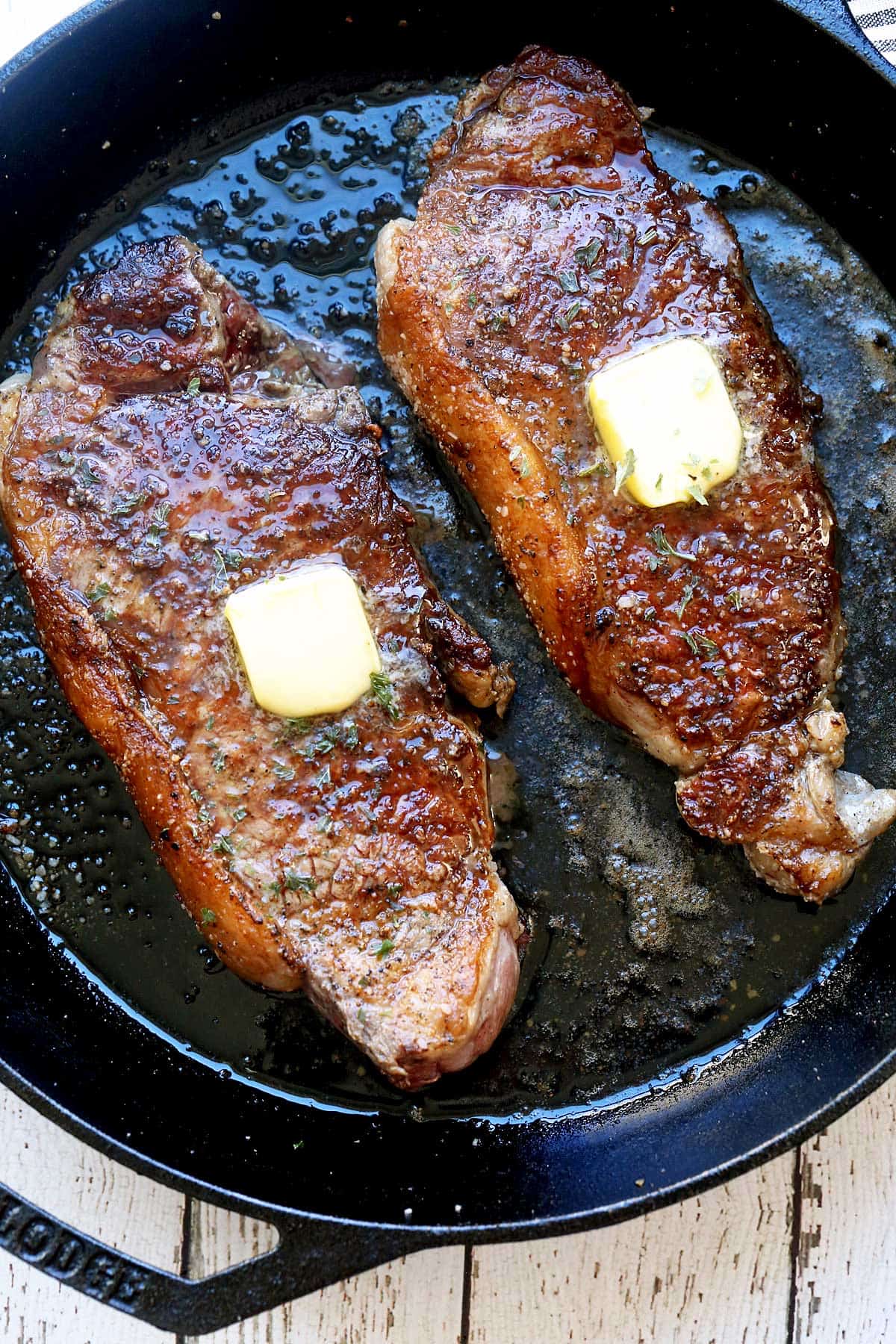
The allure of the New York Strip lies in its balanced marbling, which renders beautifully during cooking, imparting rich flavor and ensuring a succulent texture. It’s a versatile cut, equally at home as the star of a formal dinner or a relaxed weekend meal. Understanding the fundamental principles of pan-searing will elevate your cooking, allowing you to consistently produce steaks that are perfectly cooked, deeply flavorful, and visually appealing. This exploration is more than just a recipe; it’s an immersion into a culinary tradition, celebrating a cut that has defined gastronomic excellence for generations.
Selecting the Perfect Cut
The journey to an exceptional pan-seared New York Strip begins with the steak itself. Quality is paramount, and several factors contribute to selecting a cut that will yield the best results.
Thickness Matters
Opt for steaks that are at least 1.5 inches thick, and ideally 2 inches. This thickness is crucial for achieving a beautiful sear on the exterior while allowing the interior to reach your desired level of doneness without overcooking. Thinner steaks are more prone to becoming tough and dry, as they cook through too quickly.
Marbling and Grade
Look for steaks with good marbling – those thin, intramuscular streaks of fat. These are the flavor powerhouses and contribute significantly to the steak’s juiciness and tenderness. For the highest quality, seek out USDA Prime or USDA Choice grades. USDA Prime represents the top tier, with abundant marbling, while USDA Choice offers excellent quality at a slightly more accessible price point. If possible, select dry-aged steaks, which have undergone a controlled aging process that intensifies their flavor and tenderizes the meat, a practice often employed by premium butcher shops and renowned steakhouses.
Source Your Butcher
Building a relationship with a trusted butcher is invaluable. They can offer guidance on the best cuts, provide freshly sliced steaks, and sometimes even have unique offerings like grass-fed or heritage breeds, each with its distinct flavor profile. Visiting a local butcher shop can also offer a deeper connection to the food you are preparing, a characteristic often appreciated by those who appreciate the local culture of food preparation.
The Art of Pan-Searing: Mastering the Technique
Pan-searing is a high-heat cooking method that rapidly cooks the surface of the steak, creating a deeply browned, flavorful crust through the Maillard reaction. This technique is ideal for achieving a perfectly seared exterior and a tender, juicy interior.
Preparation is Key
Before the steak even touches the pan, a few preparatory steps are essential for optimal results.
Bringing to Room Temperature
Remove the steaks from the refrigerator at least 30 to 60 minutes before cooking. This allows the steak to come to room temperature, ensuring more even cooking. A cold steak will cook unevenly, with the outside potentially overcooking before the center reaches the desired temperature.
Patting Dry
Moisture is the enemy of a good sear. Thoroughly pat the steaks dry on all sides with paper towels. Any surface moisture will steam the steak rather than sear it, preventing the development of that coveted crust.
Seasoning Generously
For a New York Strip, simplicity is often best. Season the steaks liberally with coarse sea salt or kosher salt and freshly cracked black pepper just before cooking. The salt not only enhances the flavor but also helps to draw out moisture initially, contributing to a better sear. Don’t be shy with the seasoning; much of it will adhere to the crust.
The Searing Process
The right pan and high heat are critical for successful pan-searing.

Choosing the Right Pan
A heavy-bottomed skillet is essential for even heat distribution and retention. Cast iron skillets are the gold standard for searing steaks due to their exceptional heat-holding capacity. Stainless steel skillets are also a good alternative. Avoid non-stick pans, as they typically cannot withstand the high temperatures required for a proper sear.
Heating the Pan
Place your chosen skillet over medium-high to high heat. Allow it to preheat for several minutes until it is smoking slightly. This ensures the pan is hot enough to create an immediate sear upon contact.
Adding the Fat
Once the pan is hot, add a high smoke point oil, such as grapeseed oil, canola oil, or avocado oil. You only need a thin layer, enough to coat the bottom of the pan. Swirl the pan to distribute the oil.
The Sear
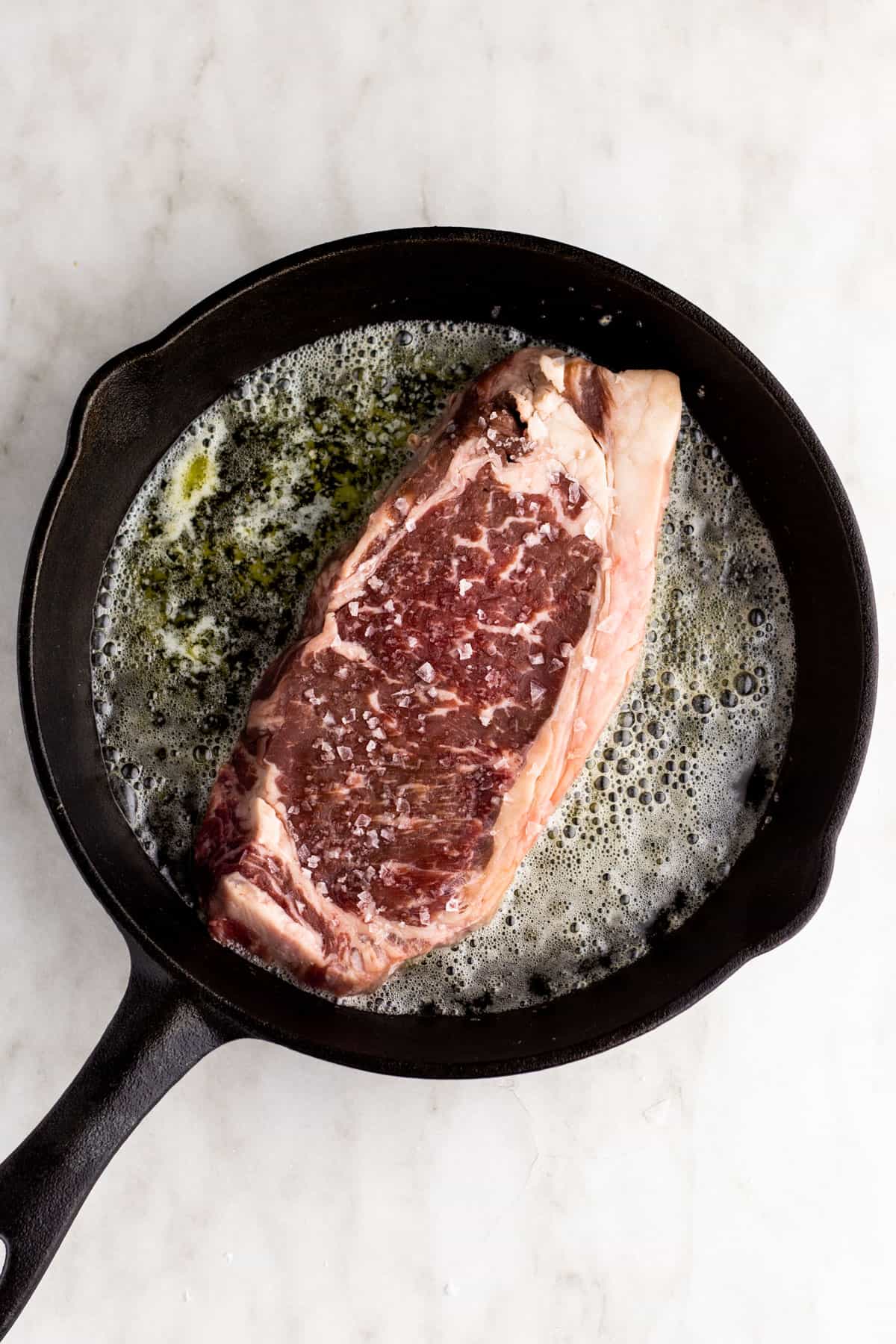
Carefully place the seasoned steaks into the hot pan, laying them away from you to avoid splattering. You should hear an immediate, satisfying sizzle. Resist the urge to move or overcrowd the pan. Let the steaks sear undisturbed for 2-4 minutes per side, depending on thickness and desired doneness. This initial sear is crucial for developing the crust.
Basting for Extra Flavor and Moisture
Once both sides have been seared, basting can elevate the steak to an even higher level of deliciousness.
The Basting Technique
Reduce the heat to medium. Add a generous knob of unsalted butter to the pan. Once melted, tilt the pan slightly and use a spoon to continuously baste the melting butter and aromatics (such as crushed garlic cloves and sprigs of fresh rosemary or thyme, if desired) over the steaks. Continue basting for another 1-3 minutes, or until the steak reaches your desired internal temperature. This process not only adds rich buttery flavor but also helps to cook the steak gently and evenly.
Resting is Non-Negotiable
This is perhaps the most overlooked, yet most critical, step in achieving a perfectly cooked steak.
The Importance of Resting
Once removed from the pan, place the steaks on a clean cutting board or a wire rack set over a plate. Tent them loosely with foil. Allow the steaks to rest for at least 5-10 minutes, and up to 15 minutes for thicker cuts. During cooking, the muscle fibers in the steak tighten, pushing the juices toward the center. Resting allows these juices to redistribute throughout the meat, ensuring a tender, moist, and flavorful steak with every bite. Skipping this step will result in the juices running out onto the plate when you slice into the steak.
Achieving Perfect Doneness: A Guide to Internal Temperatures
Understanding internal temperatures is the most reliable way to achieve your preferred level of doneness. Use an instant-read meat thermometer inserted into the thickest part of the steak, avoiding bone.
Temperature Chart
- Rare: 125°F (52°C) – Cool red center.
- Medium-Rare: 130-135°F (54-57°C) – Warm red center. This is often considered the ideal doneness for a New York Strip, balancing tenderness and flavor.
- Medium: 135-145°F (57-63°C) – Warm pink center.
- Medium-Well: 145-155°F (63-68°C) – Slightly pink center.
- Well-Done: 155°F+ (68°C+) – Little to no pink.
Remember that the steak’s internal temperature will rise by a few degrees as it rests, a phenomenon known as carryover cooking. Remove the steak from the heat when it is about 5 degrees below your target temperature.
Slicing and Serving
After resting, slice the steak against the grain. This is crucial for tenderness, as it shortens the muscle fibers, making them easier to chew. The grain typically runs in one direction; identify it and slice perpendicular to it.
Serve your perfectly pan-seared New York Strip steak immediately. It pairs beautifully with classic steakhouse sides like mashed potatoes, creamed spinach, or a crisp Caesar salad. A simple finishing touch of flaky sea salt and a grind of fresh pepper is often all that’s needed to highlight the steak’s inherent deliciousness. This culinary pursuit, rooted in the rich gastronomic heritage of places like New York, offers a tangible connection to the city’s celebrated food culture, allowing you to savor an iconic dish in the comfort of your own home.
LifeOutOfTheBox is a participant in the Amazon Services LLC Associates Program, an affiliate advertising program designed to provide a means for sites to earn advertising fees by advertising and linking to Amazon.com. Amazon, the Amazon logo, AmazonSupply, and the AmazonSupply logo are trademarks of Amazon.com, Inc. or its affiliates. As an Amazon Associate we earn affiliate commissions from qualifying purchases.