
California‘s allure is undeniable, drawing millions of visitors annually to its diverse landscapes, iconic landmarks, and vibrant cultural scenes. From the bustling streets of Los Angeles and the scenic beauty of San Francisco to the serene vineyards of Napa Valley and the desert oasis of Palm Springs, the Golden State offers a plethora of experiences. For entrepreneurs and small businesses looking to engage with this robust tourism market by selling tangible goods, understanding and obtaining a resale permit is a foundational step. Whether you’re a local artisan hoping to sell handcrafted souvenirs, a pop-up shop vendor at a beachside market, or an antique dealer catering to tourists in a historic district, navigating the state’s tax requirements is essential for sustainable operation.

Understanding the Resale Permit in the Golden State’s Tourism Economy
Engaging with California’s dynamic tourism sector often involves the sale of products, from unique local crafts to apparel, food items, or vintage goods. To legally conduct these sales, particularly if you intend to collect sales tax, a resale permit – officially known as a Seller’s Permit – is mandatory. This permit is not just a bureaucratic formality; it’s a critical tool for ensuring tax compliance and enabling businesses to purchase inventory without immediately paying sales tax, which is then collected from the end consumer.
What is a California Resale Permit?
A California Seller’s Permit, often colloquially referred to as a resale permit, is a license issued by the California Department of Tax and Fee Administration (CDTFA). This permit allows individuals or entities to sell tangible personal property in California for resale. Its primary purpose is to enable the collection of sales tax from customers, which is then remitted to the state. Holding a seller’s permit also grants businesses the ability to issue resale certificates to their suppliers. A resale certificate effectively states that the goods being purchased are intended for resale, thus exempting the business from paying sales tax at the time of purchase. This mechanism prevents double taxation within the supply chain.
For example, if you operate a boutique in San Diego Old Town specializing in locally sourced artisanal goods for tourists, you would use your resale permit to purchase these goods from local producers without paying sales tax. You would then collect sales tax from the tourists who purchase these items from your shop. This system is fundamental to the state’s revenue generation and ensures fair competition among businesses.
Why it Matters for Tourism-Related Ventures
Operating within the California tourism market presents unique opportunities and challenges. Many tourism-related businesses, from gift shops at attractions to independent artists selling at street fairs or online to visitors, rely heavily on direct sales of goods. Without a valid resale permit, these businesses face significant legal and financial risks, including penalties for non-compliance and the inability to purchase inventory tax-free.
Beyond legal compliance, possessing a seller’s permit lends credibility to your business. It signifies that you are a legitimate operation adhering to state regulations, which can be important when establishing relationships with suppliers, landlords for commercial spaces, or event organizers for craft shows and markets that cater to tourists. For those looking to set up temporary stalls at popular tourist events or run seasonal businesses in vacation hotspots, the permit is equally crucial. It integrates your venture into the legitimate commercial ecosystem, ensuring you can participate in the broader economic activities that contribute to California’s vibrant tourist appeal.
Eligibility and Requirements for Aspiring Tourism Entrepreneurs
Before embarking on the application process, it’s vital to determine if your tourism-focused venture requires a resale permit and to gather the necessary information. The CDTFA outlines clear guidelines for eligibility, ensuring that businesses, regardless of their scale or operational model, contribute appropriately to the state’s tax base.
Who Needs a Seller’s Permit?
Generally, any individual, partnership, corporation, or other organization that sells or leases tangible personal property ordinarily subject to sales tax in California needs a seller’s permit. This includes a vast array of tourism-related businesses:
- Retail Stores: Souvenir shops, apparel boutiques, art galleries, and specialty food stores located in tourist areas.
- Online Retailers: Businesses selling goods via e-commerce to customers within California, even if their physical operations are mobile or home-based.
- Craftspeople and Artisans: Individuals selling their creations at markets, festivals, and galleries frequented by tourists.
- Pop-Up Shops and Temporary Vendors: Businesses operating seasonally or for specific events in tourist destinations, like a holiday market vendor in San Francisco’s Union Square or a food truck selling merchandise at a beach festival in Santa Monica.
- Wholesalers: Businesses selling tangible personal property to other businesses for resale (they must still obtain a permit if they make any retail sales).
Even if your sales are infrequent, such as participating in only a few annual tourism-focused craft fairs, a permit is generally required. The nature of the sale (retail of tangible goods) rather than the volume or frequency is the determining factor. Certain services are exempt from sales tax, but if a service involves the transfer of tangible property, it might necessitate a permit. It is always advisable to consult the CDTFA website or a tax professional if you are unsure.
Essential Information for Your Application
To streamline the application process, gather all pertinent business and personal information beforehand. The CDTFA requires comprehensive details to accurately register your business. Key information typically includes:
- Business Name and Address: This could be your legal entity name or your “Doing Business As” (DBA) name and the physical location where your business is or will be conducted. For mobile businesses catering to tourists, specify your primary base of operation.
- Type of Business Entity: Whether you’re a sole proprietorship, partnership, LLC, or corporation.
- Federal Employer Identification Number (FEIN) or Social Security Number (SSN): Required for tax identification purposes.
- Start Date of Business: The date you began or intend to begin selling taxable goods.
- Description of Products Sold: A clear summary of the tangible personal property you will be selling. For tourism businesses, this might include specific types of souvenirs, local edibles, apparel, or art.
- Estimated Monthly Taxable Sales: An approximation of your anticipated sales, which helps the CDTFA determine your reporting frequency.
- Bank Information: For direct debit payments of sales tax.
- Owner/Partner/Officer Information: Personal details (name, address, SSN, driver’s license number) for all owners or officers involved in the business.
Having this information readily available will significantly expedite the online application process.
The Application Process: A Step-by-Step Guide
Obtaining a California Seller’s Permit is a straightforward process, predominantly handled online through the CDTFA’s user-friendly portal. The good news is that there is typically no fee to apply for the permit itself.
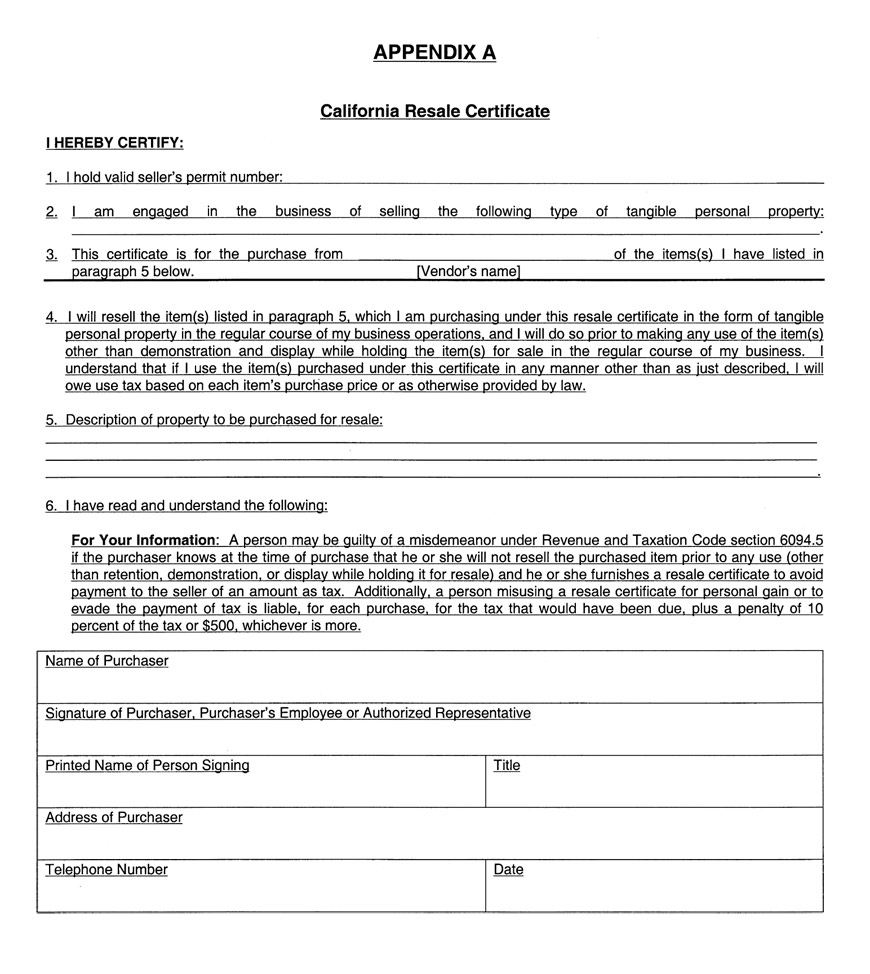
Online Application via CDTFA
The most efficient way to apply for your resale permit is through the CDTFA website.
- Visit the CDTFA Website: Navigate to the official California Department of Tax and Fee Administration website. Look for the “Register a Business” or “Apply for a Seller’s Permit” section.
- Choose Your Business Type: The application will guide you through questions about your business structure (sole proprietorship, corporation, etc.) and whether you are applying for a regular permit or a temporary permit (for short-term events or seasonal sales, common in tourism).
- Provide Business Information: Input all the essential details you gathered previously, including your business name, address, FEIN/SSN, and a description of the goods you plan to sell. Be specific about how your products appeal to or are relevant to the tourist market if applicable.
- Owner Information: Enter the personal details of all owners, partners, or corporate officers.
- Security Deposit (If Applicable): In some cases, especially for new businesses or those with a history of non-compliance, the CDTFA may require a security deposit. This is refundable after a period of timely tax payments.
- Review and Submit: Carefully review all information for accuracy before submitting your application. Errors can lead to delays.
Upon successful submission, you will typically receive a confirmation number. The CDTFA usually processes applications quickly, and you may receive your permit number immediately or within a few business days. The official paper permit will then be mailed to your business address.
Required Documentation and Business Information
While the online application is the primary method, be prepared to provide additional documentation if requested by the CDTFA. This might include:
- Business Licenses and Permits: Depending on your city or county, you might need a local business license or specific permits for certain types of sales (e.g., food handling permits for prepared foods at a tourist market).
- Fictitious Business Name Statement (DBA): If you are operating under a name different from your legal name.
- Articles of Incorporation/Organization: For corporations and LLCs.
- Lease Agreement: For brick-and-mortar retail locations.
For those engaging in temporary sales at tourist events, it’s advisable to check with event organizers as they often have specific requirements regarding permits and licenses.
Post-Application Steps and Compliance
Once you receive your resale permit, you are legally authorized to begin making taxable sales in California. However, obtaining the permit is just the first step. You must also:
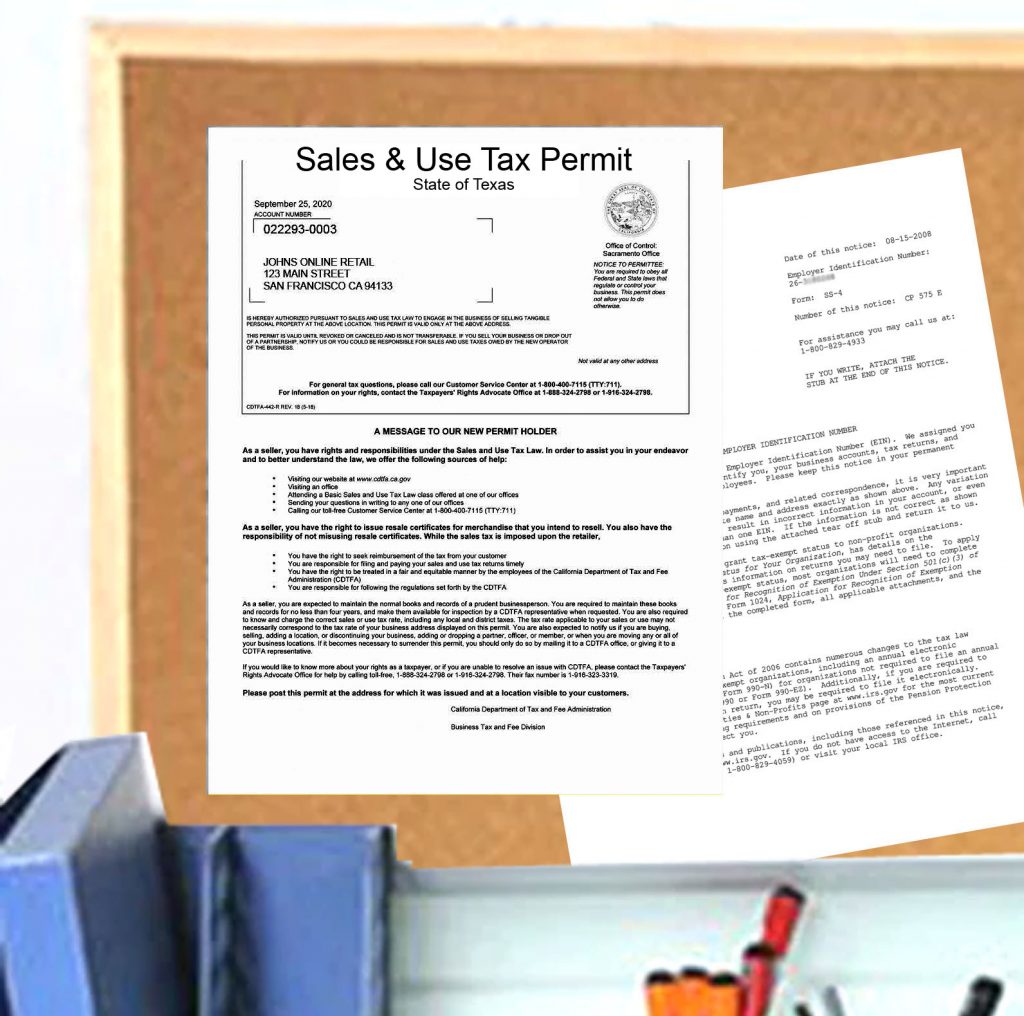
- Display Your Permit: Your official permit should be prominently displayed at your primary place of business.
- Understand Your Filing Frequency: The CDTFA will assign you a filing frequency (e.g., monthly, quarterly, annually) based on your estimated taxable sales. It’s crucial to adhere to this schedule.
- Maintain Records: Keep meticulous records of all sales, purchases, and collected sales tax.
Operating Your Tourism Business with a Resale Permit
Effective management of your resale permit responsibilities is crucial for the longevity and success of your tourism-focused business in California. This involves diligent sales tax collection, accurate reporting, and adherence to all CDTFA regulations.
Sales Tax Collection and Reporting
As a permit holder, you are obligated to collect the appropriate sales tax from your customers at the point of sale. California has a statewide sales tax rate, but local district taxes can increase the combined rate depending on your business’s specific location (city and county). For instance, the sales tax rate in Los Angeles County will differ from the rate in Orange County or rural parts of the state.
- Determine the Correct Rate: Use the CDTFA’s online lookup tool to verify the combined sales tax rate for your specific business location, especially crucial for tourism businesses that might operate in multiple jurisdictions (e.g., a mobile vendor traveling to different cities).
- Issue Receipts: Provide customers with receipts clearly showing the sales tax charged.
- Segregate Funds: Keep collected sales tax separate from your operating capital to ensure funds are available for remittance.
- File Returns: File your sales tax returns on time according to your assigned frequency (monthly, quarterly, or annually) via the CDTFA’s online services. Even if you have no sales for a reporting period, a “zero” return must still be filed.
Maintaining Compliance and Avoiding Pitfalls
Compliance is key to avoiding penalties and maintaining a good standing with the CDTFA. Common pitfalls for tourism businesses include:
- Incorrect Sales Tax Rates: Not applying the correct district sales tax rate, especially when operating in different cities or counties.
- Failing to File on Time: Late filing or non-filing can result in significant penalties and interest.
- Inadequate Record-Keeping: Poor records make audits difficult and can lead to assessments. Keep digital or physical copies of all invoices, receipts, and tax returns for at least four years.
- Misunderstanding Exemptions: Confusing what is taxable versus exempt. Generally, most tangible goods are taxable, while services are not, unless they involve the creation or transfer of tangible property.
Staying informed about CDTFA updates and seeking professional advice when in doubt can safeguard your business.
Specific Considerations for Seasonal or Pop-Up Tourism Businesses
Many tourism businesses operate on a seasonal basis or through temporary pop-up events. The CDTFA offers options for temporary seller’s permits, which are suitable for short-term events or seasonal sales that do not exceed 90 days. If your venture is more continuous, even if seasonal, a regular permit is typically required.
- Temporary Permits: Ideal for one-off events, weekend markets, or short festivals often targeting tourists. These permits usually come with specific reporting deadlines for the event’s sales.
- Regular Permits for Seasonal Businesses: If your business operates annually for several months (e.g., a summer surf shop in Malibu), a regular permit is more appropriate. You will still file returns even during off-seasons, reporting zero sales if applicable.
- Out-of-State Vendors: If you are an out-of-state vendor coming to California for a tourism event, you generally still need a California seller’s permit if you are making taxable sales.
Obtaining a resale permit is a straightforward yet essential step for anyone looking to successfully integrate into California’s vibrant tourism economy through the sale of goods. By understanding the requirements, diligently following the application process, and maintaining strict compliance, your business can thrive while contributing to the Golden State’s prosperity.
LifeOutOfTheBox is a participant in the Amazon Services LLC Associates Program, an affiliate advertising program designed to provide a means for sites to earn advertising fees by advertising and linking to Amazon.com. Amazon, the Amazon logo, AmazonSupply, and the AmazonSupply logo are trademarks of Amazon.com, Inc. or its affiliates. As an Amazon Associate we earn affiliate commissions from qualifying purchases.