
The Allure of Salvage Titles for the Budget Traveler’s Lifestyle
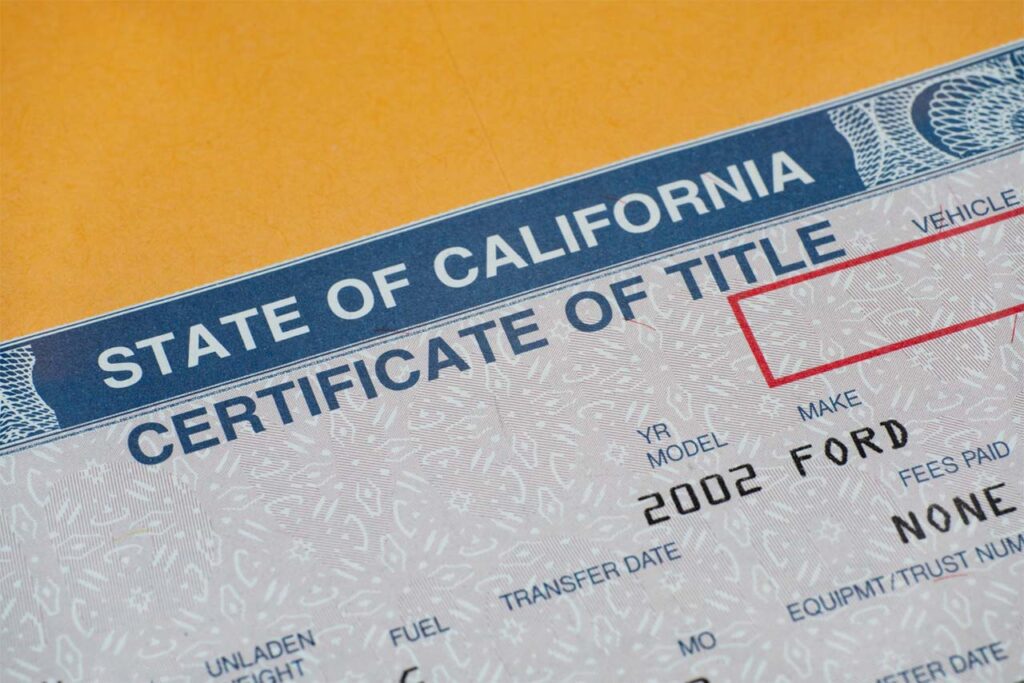
For the adventurous spirit dreaming of endless road trips across the Golden State or embarking on a long-term nomadic journey, the financial hurdle of acquiring a reliable vehicle can often feel insurmountable. This is where the concept of a salvage title, particularly in a state like California, enters the conversation as a fascinating, albeit complex, pathway to budget-friendly vehicle ownership. A salvage title often translates to a significantly lower purchase price, freeing up capital for travel experiences, fuel, and essential gear. Understanding and navigating the process of clearing such a title is not just a procedural task; it’s a strategic move for those embracing a cost-conscious travel lifestyle.
Understanding the Salvage Designation in California
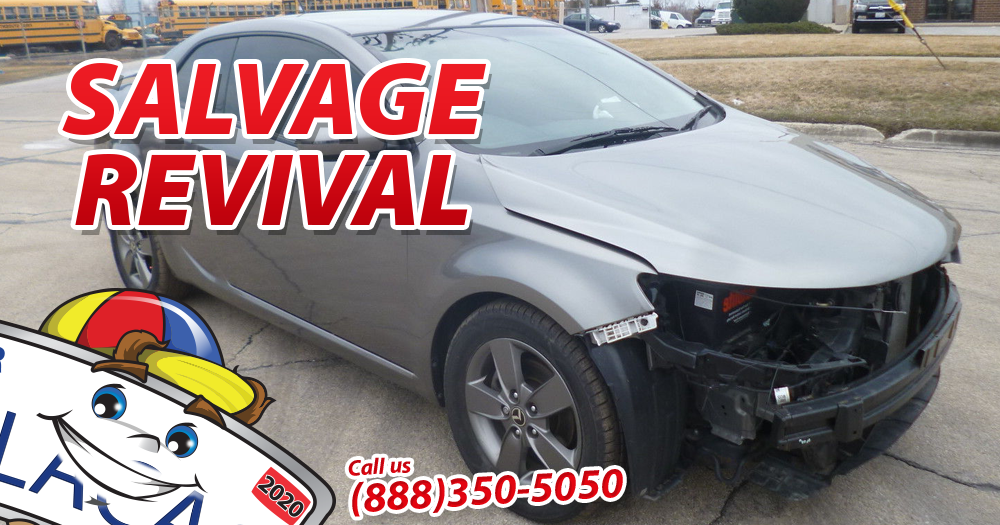
A vehicle receives a salvage title in California when an insurance company declares it a “total loss.” This typically occurs after an accident, theft, flood, or other damage where the repair cost exceeds a certain percentage of the vehicle’s market value – usually 75% for older vehicles or a lower threshold for newer ones, though the exact percentage can vary. It’s crucial to understand that a salvage title doesn’t necessarily mean the vehicle is irreparable or inherently unsafe. Often, the damage is cosmetic or easily fixable by a skilled mechanic, but the high labor costs and original parts prices make it uneconomical for insurance companies to repair. For the DIY-savvy or those with access to affordable repair resources, a salvage vehicle represents an opportunity to acquire a robust travel companion at a fraction of its market value. The key is distinguishing between vehicles that are truly totaled beyond reasonable repair and those that merely fell victim to a high insurance threshold.
The Cost-Benefit Analysis for Travelers
Embracing a vehicle with a salvage title for your travel lifestyle involves a careful cost-benefit analysis. The primary benefit is, undoubtedly, the initial savings. A salvage vehicle can be thousands, sometimes tens of thousands, of dollars cheaper than one with a clean title. This substantial saving can be reinvested directly into your travel fund, allowing for longer trips, more luxurious stays, or specialized equipment for your adventures. However, potential drawbacks exist. Insurance premiums for rebuilt vehicles can sometimes be higher, and finding full-coverage insurance might be more challenging. Additionally, the resale value will likely be lower, even after a rebuilt title is issued. For the budget traveler, these factors must be weighed against the immediate savings and the personal satisfaction of bringing a vehicle back to life. The process demands patience, attention to detail, and a proactive approach, but the reward is a personalized, affordable vehicle ready for countless miles of exploration.
Navigating the California DMV: Initial Steps to Rebuild
The journey from a salvage vehicle to one with a legitimate “rebuilt” title in California begins with a series of interactions with the California Department of Motor Vehicles (DMV). This critical phase involves meticulous documentation, proper repairs, and an understanding of the state’s specific requirements. For the aspiring road warrior, this is where the commitment to their budget travel dream truly begins to take shape.
Essential Documentation and Inspections
Before you can even think about getting your vehicle inspected by the state, you must gather all necessary paperwork. This includes the original salvage certificate, bills of sale for the vehicle, and critically, all receipts for parts used in the repair process. The California Department of Motor Vehicles requires proof that all major components, especially those related to safety, were replaced with legitimate parts. This means keeping detailed records of every purchase, including where and when parts were acquired. For the budget traveler, this might involve sourcing used parts from reputable salvage yards or online marketplaces, which is perfectly acceptable as long as you have valid receipts. Beyond receipts, you’ll need to complete a Vehicle Verification form (REG 31) and an Application for Title or Registration (REG 343). These forms initiate the process and confirm your ownership and intent to rebuild. A preliminary inspection by a certified vehicle verifier (often available at the California Department of Motor Vehicles or licensed businesses) will confirm the vehicle identification number (VIN) and other basic details, ensuring the vehicle matches its documentation.
Finding a Qualified Repair Facility
While some intrepid individuals might tackle all repairs themselves, most will need the assistance of a qualified repair facility. For a salvage vehicle to pass the stringent California Highway Patrol inspection (discussed next), all repairs must be completed to a professional standard, adhering strictly to safety regulations. When selecting a repair shop, look for one experienced in salvage title restorations. They will understand the specific requirements for parts documentation and structural integrity that the state demands. A trustworthy mechanic can be an invaluable ally, ensuring that your vehicle not only looks repaired but is structurally sound and safe for the long hauls typical of a travel lifestyle. Discuss upfront the need for detailed invoices and receipts for all parts and labor, as these will be crucial for your final inspection. Prioritizing safety and compliance at this stage saves significant headaches down the road.
The California Highway Patrol Inspection: Your Gateway to a Rebuilt Title
After the repairs are complete and your documentation is in order, the most critical step in clearing your salvage title in California is the California Highway Patrol (CHP) inspection. This is not a casual once-over; it’s a thorough examination designed to ensure the vehicle is safe, legally compliant, and not a stolen or reassembled chop-shop vehicle. Passing this inspection is the definitive green light for your budget-friendly travel machine.
What the CHP Inspection Entails

The California Highway Patrol inspection is multifaceted. First and foremost, officers will meticulously check the vehicle’s VIN and other identifying numbers to verify its legitimate origin and ensure it matches all your documentation. This is a critical anti-theft measure. Beyond identification, the inspection focuses heavily on safety. Officers will scrutinize the quality of repairs, particularly those related to the structural integrity of the frame, suspension, steering, and braking systems. They will also verify that all safety features, such as airbags (if applicable), seatbelts, lights, and mirrors, are functional and meet federal and state standards. Furthermore, the California Highway Patrol will review all your repair receipts and documentation, ensuring that legitimate parts were used and that the work performed addresses the damage that led to the salvage designation. Any discrepancies or unaddressed safety concerns will result in a failed inspection, requiring further repairs and a subsequent re-inspection.
Preparing for a Successful Inspection
Preparation is paramount for a successful California Highway Patrol inspection. First, ensure all repairs are complete and professionally done. Even minor cosmetic issues that were part of the initial damage report should ideally be addressed. Gather all your original salvage certificates, bills of sale, Vehicle Verification (REG 31) and Application for Title or Registration (REG 343) forms, and, most importantly, an organized binder of every single receipt for parts purchased for the repair. These receipts must clearly show the date of purchase, the seller, and a description of the part. If you used used parts, ensure they came from a reputable source and you have valid proof of purchase. Make sure your vehicle is clean and accessible for the officers. Presenting a well-maintained, thoroughly documented vehicle demonstrates your diligence and attention to detail, which can only aid in a smooth inspection process. Scheduling the inspection typically requires an appointment at a California Highway Patrol station, so plan this well in advance.
From Salvage to Rebuilt: Finalizing Your Vehicle’s Status
Congratulations on passing the arduous California Highway Patrol inspection! This signifies that your vehicle is now deemed safe and roadworthy. However, the process isn’t quite finished. The final steps involve submitting all your accumulated paperwork to the California Department of Motor Vehicles to officially change the vehicle’s title from “salvage” to “rebuilt.” This administrative conclusion unlocks the full potential of your budget-friendly travel machine.
Submitting Your Application and Fees
Once you have received the completed and signed Vehicle Inspection form (often a REG 124 or similar document) from the California Highway Patrol, you must return to the California Department of Motor Vehicles with a comprehensive package of documents. This includes:
- The original salvage certificate.
- The signed California Highway Patrol inspection certificate.
- Your completed Vehicle Verification (REG 31) and Application for Title or Registration (REG 343) forms.
- All repair receipts.
- Proof of ownership (bill of sale).
- Proof of insurance (required to register any vehicle in California).
- A valid smog certificate, if your vehicle is subject to smog checks in California.
You will also be required to pay various fees, including registration fees, title fees, and potentially a vehicle license fee. It’s advisable to check the current fee schedule on the California Department of Motor Vehicles website or call ahead to ensure you have the correct amount. A complete and accurate submission will expedite the processing time, allowing you to quickly receive your new rebuilt title and registration.
Enjoying Your Road-Ready, Budget-Friendly Vehicle
With your new rebuilt title in hand, your budget-friendly travel vehicle is officially ready for the open road. This milestone marks the successful culmination of your efforts to transform a damaged vehicle into a reliable asset for your travel lifestyle. The savings you’ve realized on the initial purchase can now be fully appreciated as you plan your adventures without the burden of a hefty car payment. Whether it’s weekend trips to the California coast, extended tours through national parks, or simply the daily commute to save more for future expeditions, your rebuilt vehicle offers both freedom and financial prudence. This process, while demanding, empowers you to take control of your travel dreams, proving that smart planning can overcome significant financial barriers.
Long-Term Considerations for Your Rebuilt Title Vehicle
Acquiring a rebuilt title for your vehicle in California is a significant achievement for any budget-conscious traveler. However, the journey doesn’t end with a shiny new title. There are several long-term considerations specific to rebuilt title vehicles that are important for maintaining your travel lifestyle effectively and without unexpected hurdles.
Insurance Implications for Travel
One of the most crucial long-term considerations is insurance. While you now have a legal, roadworthy vehicle, its “rebuilt” status will be noted on the title and often impacts insurance policies. Many standard insurance companies will offer liability coverage for rebuilt title vehicles, as it is legally mandated. However, obtaining full comprehensive and collision coverage can be more challenging and potentially more expensive. Some insurers may be hesitant to cover a vehicle with a prior salvage history, or they may offer it at a higher premium due to perceived higher risk. It’s essential to shop around and compare quotes from multiple providers. Be upfront about the vehicle’s rebuilt status to avoid issues later. For travelers, this means ensuring your coverage extends to all areas you plan to visit, and understanding how claims might be handled if you’re far from home. A higher deductible might be an option to lower premiums, balancing potential out-of-pocket costs against monthly savings for your travel budget.
Resale Value and Future Adventures
Another practical consideration is the resale value of a rebuilt title vehicle. While you saved significantly on the initial purchase, the “rebuilt” branding will likely reduce its market value compared to a similar vehicle with a clean title, even if the repairs were perfectly executed. For those embracing a long-term travel lifestyle, this might not be an immediate concern, as the vehicle serves its purpose as an adventure companion. However, if you anticipate upgrading or selling the vehicle in the future, be prepared for a lower return. When it comes time to sell, full transparency about its history, coupled with thorough documentation of all repairs and inspections, can help build trust with potential buyers. Despite the lower resale value, the substantial initial savings and the utility the vehicle provides for your travel aspirations often outweigh this factor. Your rebuilt vehicle isn’t just transportation; it’s an investment in experiences and the freedom to explore California and beyond on your terms.
LifeOutOfTheBox is a participant in the Amazon Services LLC Associates Program, an affiliate advertising program designed to provide a means for sites to earn advertising fees by advertising and linking to Amazon.com. Amazon, the Amazon logo, AmazonSupply, and the AmazonSupply logo are trademarks of Amazon.com, Inc. or its affiliates. As an Amazon Associate we earn affiliate commissions from qualifying purchases.