
Acquiring an official copy of a California Birth Certificate is a fundamental step for many life events, from obtaining a driver’s license or passport to enrolling in school or claiming benefits. While the process might seem straightforward, navigating the specific requirements and procedures in California can sometimes be a point of confusion for residents and those who had their birth documented in the state. This guide aims to demystify the process, outlining the various methods available, eligibility criteria, and essential documentation needed to secure your vital record.
Understanding Eligibility and Authorized Requestors
In California, strict regulations are in place to protect the integrity of birth records and prevent identity theft. Not everyone can simply request a copy of any birth certificate. Eligibility is primarily limited to specific individuals and those acting on their behalf.

Who is Authorized to Obtain a Certified Copy?
A certified copy of a California Birth Certificate is typically available to the following individuals:
- The registrant: The person whose birth is recorded on the certificate.
- Parents: The mother and father listed on the birth certificate.
- Children, Grandchildren, Siblings, Spouses, or Domestic Partners: Individuals who can prove their relationship to the registrant. This often requires documentation such as a marriage certificate, adoption decree, or a sworn statement.
- Legal Guardian: Individuals with court-appointed guardianship over the registrant. This requires a certified copy of the court order.
- Attorneys: Representing the registrant or their authorized family member. An authorization letter from the registrant or a copy of the power of attorney is usually necessary.
- Law Enforcement Agencies: In the course of their official duties.
- Other Individuals Authorized by Law: This category can include government agencies for specific purposes.
Different Types of Birth Certificates
It’s crucial to understand that California issues two types of birth certificates:
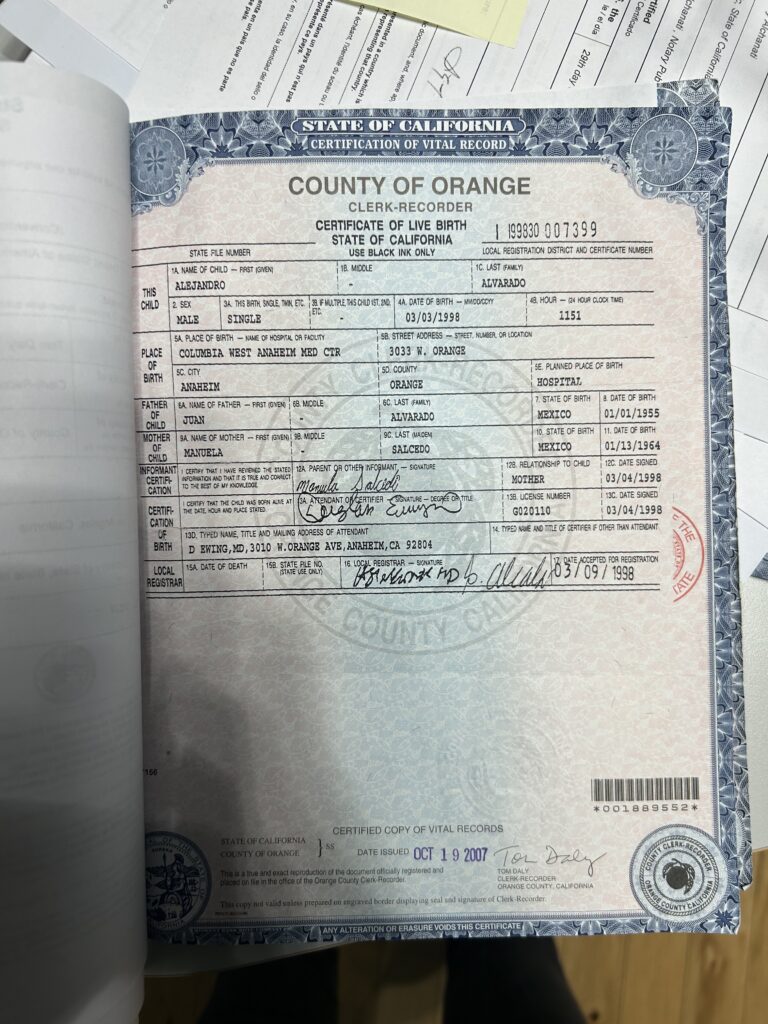
- Authorized Certified Copy: This is the official, legal document that can be used for most official purposes, such as obtaining a passport, driver’s license, or for school enrollment. To obtain an authorized certified copy, you must be an authorized requestor as listed above and provide proper identification.
- Informational Certified Copy: This copy contains the same information as the authorized certified copy but is marked with a statement that reads, “INFORMATIONAL, NOT A VALID DOCUMENT TO ESTABLISH IDENTITY.” This type of copy is generally not accepted for official identification purposes. It is typically used for genealogical research or personal records where identity verification is not required.
For most practical needs, you will require an authorized certified copy.
Methods for Obtaining Your California Birth Certificate
There are several avenues through which you can request a California Birth Certificate, depending on your location, urgency, and personal preference. The primary entities responsible for issuing these records are the California Department of Public Health – Vital Records (CDPH-VR) and the County Recorder’s Office in the county where the birth occurred.
1. Requesting Through the County Recorder’s Office
This is often the most efficient method for obtaining a birth certificate if you know the specific county of birth.
- In-Person Request: Many County Recorder’s Offices allow you to apply and receive your birth certificate in person on the same day, or within a few business days. This is ideal if you are local or visiting the county. You will need to complete an application form, present valid government-issued photo identification, and pay the required fee. Some offices may require an appointment, so it’s advisable to check their website or call ahead.
- By Mail Request: You can also mail your application to the County Recorder’s Office. This method typically takes longer, as it involves postal delivery time and processing by the office. You will need to download and complete the application form, include a notarized sworn statement (if you are not applying in person), a self-addressed stamped envelope (though this is not always required), and the required fee, usually payable by check or money order.
Advantages of the County Method:
- Often faster processing times, especially for in-person requests.
- Potentially simpler application process compared to the state level.
Considerations:
- You must know the exact county of birth. If you are unsure, you will need to consult the CDPH-VR.
- Each county may have slightly different procedures, fees, and identification requirements.
2. Requesting Through the California Department of Public Health – Vital Records (CDPH-VR)
The CDPH-VR is the central repository for vital records in California. This is the go-to option if you are unsure of the county of birth or if the birth occurred many years ago and you prefer to deal with the state office.
- By Mail Request: This is the primary method for requesting records directly from CDPH-VR. You will need to download the Application for Certified Copy of Birth Record form from their official website. Complete the form accurately, ensuring all required fields are filled in. Crucially, your application must be notarized by a Notary Public, who will verify your identity. Include the required fee via check or money order payable to “CDPH Vital Records.” Mail the notarized application and fee to the address specified on the form.
Processing Times for CDPH-VR:
Be aware that requests submitted to CDPH-VR can take significantly longer than county-level requests. Processing times can range from several weeks to a few months, depending on the volume of requests. It’s always best to check the CDPH-VR website for the most current estimated processing times.
Advantages of the CDPH-VR Method:
- Can be used when the exact county of birth is unknown.
- Acts as a central point of contact for statewide vital records.
Considerations:
- Generally longer processing times.
- The notarization requirement is mandatory for all mail-in requests.
3. Third-Party Online Services
Numerous third-party websites offer to facilitate the process of obtaining a California Birth Certificate. While these services can offer convenience and a streamlined online application process, it’s essential to approach them with caution.
- How They Work: These services typically charge an additional fee for their convenience, on top of the state or county fees. They act as intermediaries, guiding you through the application and submitting it on your behalf. Some may offer expedited processing for an extra charge.
- Due Diligence: Before using a third-party service, thoroughly research their reputation, read reviews, and understand all associated fees. Ensure they are legitimate and that your personal information will be handled securely. Always verify if the service is an authorized agent or if they are simply a reseller.

Advantages of Third-Party Services:
- User-friendly online application.
- May offer faster processing if they have established relationships with vital records offices.
Considerations:
- Higher overall cost due to additional service fees.
- Potential for scams if choosing an unreliable provider.
- You still need to meet the eligibility requirements and provide necessary documentation.
Required Documentation and Fees
Regardless of the method chosen, you will need to provide specific documentation and pay the required fees to obtain a certified copy of a California Birth Certificate.
Identification Requirements
For an authorized certified copy, you must prove your identity. Accepted forms of government-issued photo identification typically include:
- Valid Driver’s License or State Identification Card
- Passport
- Military ID
- Other government-issued identification that includes a photograph, full legal name, date of birth, and issue date.
If you are applying by mail (for both county and state requests), the application form itself usually includes a sworn statement that must be notarized. The Notary Public will verify your identity before they affix their seal and signature to the document.
Fees
The fees for a certified copy of a birth certificate are set by the state and county. As of recent updates, the fee for a certified copy of a birth certificate in California is typically around $29-$35, though this can vary slightly by county. It’s essential to check the specific fees with the relevant county recorder’s office or the CDPH-VR website.
Payment Methods:
- In-Person: Cash, credit/debit card, check, or money order may be accepted.
- By Mail: Checks or money orders payable to “County Recorder” (for county requests) or “CDPH Vital Records” (for state requests) are generally required. Credit card payments might be available through specific online portals or third-party services.
Important Note on Fees: Fees are non-refundable, even if a certificate cannot be located.
Step-by-Step Application Process (General Guidelines)
While specific forms and minor details may vary, the general process for obtaining a birth certificate remains consistent.
1. Determine Eligibility
Confirm that you are an authorized requestor as outlined in the “Understanding Eligibility” section.
2. Identify the Issuing Authority
Decide whether to apply through the specific County Recorder’s Office where the birth occurred or through the California Department of Public Health – Vital Records.
3. Obtain the Correct Application Form
- County: Visit the website of the relevant County Recorder’s Office and download their specific birth certificate application form.
- State (CDPH-VR): Download the “Application for Certified Copy of Birth Record” from the California Department of Public Health – Vital Records website.
4. Complete the Application Form
Fill out the form completely and accurately. Include all requested information, such as the full name of the registrant, date of birth, place of birth, and the full names of the parents.
5. Gather Supporting Documentation
Prepare your valid government-issued photo identification. If you are applying by mail, you will need to have your sworn statement notarized.
6. Submit Your Application and Fee
- In-Person: Visit the County Recorder’s Office with your completed application and identification.
- By Mail: Mail your notarized application and payment (check or money order) to the appropriate address.
- Online (Third-Party): Follow the instructions on the chosen service’s website.
7. Await Processing and Receipt
Processing times vary significantly. The County Recorder’s Office may provide the certificate on the same day for in-person requests, while mail-in requests can take weeks. CDPH-VR requests generally take much longer. You will typically receive the certificate by mail at the address provided on your application.
By understanding these steps and requirements, you can navigate the process of obtaining your California Birth Certificate efficiently and successfully, ensuring you have the vital documentation you need.
LifeOutOfTheBox is a participant in the Amazon Services LLC Associates Program, an affiliate advertising program designed to provide a means for sites to earn advertising fees by advertising and linking to Amazon.com. Amazon, the Amazon logo, AmazonSupply, and the AmazonSupply logo are trademarks of Amazon.com, Inc. or its affiliates. As an Amazon Associate we earn affiliate commissions from qualifying purchases.