
Navigating the requirements for obtaining a resale license, often referred to as a Seller’s Permit, in California is a crucial step for any business involved in selling tangible goods. This permit is essential for collecting and remitting sales tax on behalf of the state. Without it, businesses risk penalties, fines, and the inability to legally conduct sales operations. This guide will provide a comprehensive overview of the process, ensuring you can acquire the necessary license efficiently and compliantly.
Understanding the Resale License (Seller’s Permit)
A resale license, or Seller’s Permit, is a document issued by the California Department of Tax and Fee Administration (CDTFA). It allows a business to purchase goods for resale without paying sales tax to the supplier. Instead, the business is responsible for collecting sales tax from the final consumer and remitting it to the state. This distinction is vital for businesses operating within California and those selling into the state from elsewhere.
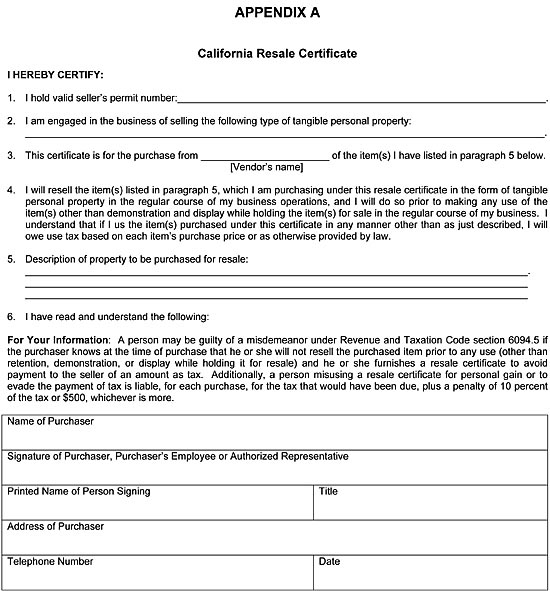
Who Needs a Seller’s Permit?
In essence, anyone who sells or intends to sell tangible personal property in California that would ordinarily be subject to sales tax must obtain a Seller’s Permit. This includes:
- Retailers: Businesses that sell directly to consumers, whether online, in a brick-and-mortar store, or through temporary locations like craft fairs or swap meets.
- Wholesalers and Distributors: Businesses that sell goods to other businesses for resale.
- Manufacturers: Businesses that produce goods and then sell them.
- Online Sellers: Businesses operating e-commerce platforms, even if they don’t have a physical storefront. This includes those selling on marketplaces like Amazon or Etsy.
- Service Providers who also Sell Goods: If your primary business is services but you also sell tangible items, you will need a permit for the goods you sell. For example, a hair salon that sells shampoo and styling products.
There are some exceptions, primarily for businesses that only sell intangible goods (like software licenses) or services that are not considered tangible personal property. However, for most businesses engaged in physical product sales, a Seller’s Permit is a legal necessity.
The Importance of Compliance
Operating without a valid Seller’s Permit when required can lead to significant legal and financial repercussions. The CDTFA actively enforces these regulations. You could face:
- Back taxes: You may be held liable for uncollected sales tax from the date you should have obtained your permit.
- Penalties and Interest: These can accumulate quickly, significantly increasing your financial burden.
- Legal action: In severe cases, your business could be shut down.
Obtaining the permit correctly and promptly protects your business from these risks and ensures you operate within the legal framework of California commerce.
Steps to Obtain Your Seller’s Permit
The process for obtaining a Seller’s Permit in California is relatively straightforward, with the CDTFA offering both online and paper application options.
1. Determine Your Business Structure and Registration
Before applying for a Seller’s Permit, ensure your business is properly registered with the state. This typically involves:
- Sole Proprietorship: If you are operating as a sole proprietor, you may not need to formally register your business name if you are using your own legal name. However, if you use a fictitious business name (DBA – “Doing Business As”), you’ll need to file it with your county.
- Partnership: A partnership agreement is crucial, and the partnership may need to be registered with the California Secretary of State.
- Corporation or LLC: These business structures require registration with the California Secretary of State. Obtaining an Employer Identification Number (EIN) from the Internal Revenue Service (IRS) is often a prerequisite for these entities, even if you don’t have employees, and is generally recommended for all business types for financial and identification purposes.
2. Gather Necessary Information
To complete the Seller’s Permit application, you will need specific information about your business and its operations. This typically includes:
- Business Name: The legal name of your business.
- Fictitious Business Name (if applicable): The DBA name under which you operate.
- Business Address: The physical location where your business operates. This cannot be a P.O. Box for the primary address.
- Mailing Address: Where you wish to receive correspondence from the CDTFA.
- Social Security Number (SSN): For sole proprietors or individuals within a partnership/LLC/corporation.
- Federal Employer Identification Number (EIN): If your business is a corporation, partnership, or LLC, or if you have employees.
- Ownership Information: Names and addresses of owners, partners, or corporate officers.
- Type of Business: Briefly describe the nature of your business and the goods you sell.
- Sales Volume Estimates: You may be asked to estimate your anticipated annual sales.
- Bank References: Sometimes requested, especially for new businesses.
- Seller’s Permit Numbers of Other Businesses (if applicable): If you have previously held a permit for another business.
3. Application Methods
The CDTFA offers two primary methods for applying:
Online Application
The most efficient and recommended method is to apply online through the CDTFA’s website.
- Access the CDTFA Website: Navigate to the official California Department of Tax and Fee Administration website.
- Locate the Seller’s Permit Application: Look for sections related to “Seller’s Permits,” “Business Registration,” or “Online Services.”
- Complete the Online Form: Fill out the electronic application accurately and completely. The system will guide you through each required field.
- Submission and Confirmation: Once submitted, you will typically receive an immediate confirmation or an estimated processing time.
Paper Application

While less common now, you can still download a paper application form from the CDTFA website.
- Download the Application: Find and download the “Application for Seller’s Permit” form.
- Complete the Form: Fill it out by hand or using a typewriter. Ensure all fields are legible and accurate.
- Submit the Application: Mail the completed form to the CDTFA address provided on the application or submit it in person at a CDTFA field office. Be aware that mail-in applications will take longer to process.
4. Processing and Receiving Your Permit
Once your application is submitted, the CDTFA will review it.
- Verification: They will verify the information provided and your business’s eligibility for a permit.
- Issuance: If approved, your Seller’s Permit will be issued. This can be a downloadable document if applied for online, or it will be mailed to your business address.
- Processing Time: Online applications are generally processed faster, often within a few business days to a couple of weeks. Paper applications can take several weeks.
- Seller’s Permit Number: This unique number is crucial for all your tax-related activities with the CDTFA.
Special Considerations for Different Business Types
The requirements and process might have nuances depending on your specific business model and location within California.
Home-Based Businesses
If your business operates from your home, you will still need a Seller’s Permit. Ensure you meet any local zoning requirements or Homeowners Association (HOA) rules that might apply to operating a business from a residential address. The CDTFA will require your residential address as your primary business location.
Online Retailers and Out-of-State Sellers
California has specific rules for online retailers, especially those based outside the state but selling into California. If your business has sufficient economic nexus with California (meeting certain sales thresholds), you are generally required to register for a Seller’s Permit and collect/remit sales tax on sales made to California residents. The CDTFA provides detailed guidance on economic nexus.
Businesses Operating in Multiple Locations
If your business operates from multiple physical locations within California, you may need to obtain a separate permit for each location, or a master permit with branches listed, depending on the specific circumstances and CDTFA guidelines. It’s best to consult the CDTFA directly or review their documentation for clarity on multi-location requirements.
Businesses at Temporary Locations (Fairs, Markets)
If you plan to sell at temporary events, such as farmers’ markets, craft fairs, or swap meets, you are still required to have a Seller’s Permit. For these situations, you can often obtain a “Temporary Seller’s Permit,” which is valid for a limited duration. This can sometimes be obtained on-site at larger events, but it’s advisable to secure one in advance through the CDTFA to avoid any disruptions.
Maintaining Your Seller’s Permit and Tax Obligations
Obtaining the Seller’s Permit is just the beginning of your sales tax compliance journey.
Filing Sales and Use Tax Returns
Once you have your permit, you are obligated to file periodic sales and use tax returns with the CDTFA. The frequency of these filings (monthly, quarterly, or annually) is determined by the CDTFA based on your estimated sales volume and tax liability. You must accurately report all taxable sales, calculate the sales tax due, and remit it to the CDTFA by the due date.
Keeping Records
It is essential to maintain detailed records of all your sales, purchases, and tax payments. This includes invoices, receipts, sales slips, and tax returns. The CDTFA can audit businesses to ensure compliance, and having well-organized records will make the process smoother and help you prove your tax liability. These records should generally be kept for at least four years.
Updating Information
If any information on your Seller’s Permit application changes, such as your business address, ownership, or business activities, you are required to notify the CDTFA promptly. Failure to do so can lead to issues with your permit and compliance.
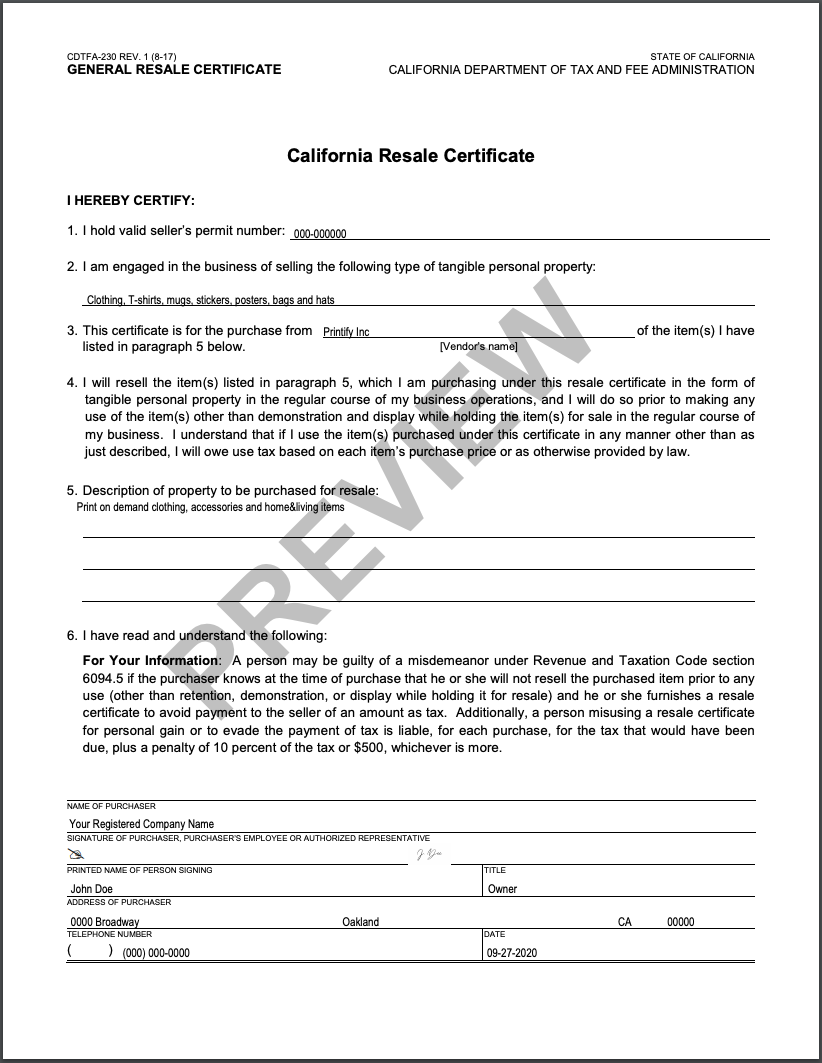
Permit Renewals and Fees
Seller’s Permits in California do not typically require annual renewal in the traditional sense of paying a fee to keep them active, as long as you remain in business and file your tax returns. However, the CDTFA may charge a security deposit for certain businesses, which is refundable when you cease operations and settle your tax liabilities. It’s always prudent to check the current CDTFA guidelines regarding any potential fees or renewal processes.
In conclusion, securing a Seller’s Permit is a fundamental step for any business selling tangible goods in California. By understanding the requirements, diligently completing the application, and adhering to ongoing tax obligations, you can ensure your business operates legally and smoothly, allowing you to focus on growth and success.
LifeOutOfTheBox is a participant in the Amazon Services LLC Associates Program, an affiliate advertising program designed to provide a means for sites to earn advertising fees by advertising and linking to Amazon.com. Amazon, the Amazon logo, AmazonSupply, and the AmazonSupply logo are trademarks of Amazon.com, Inc. or its affiliates. As an Amazon Associate we earn affiliate commissions from qualifying purchases.