
Selling a car in California can be a straightforward process, but it comes with a distinct set of rules and regulations that differ from many other states. The Golden State, known for its sprawling freeways and car-centric culture, has specific requirements designed to protect both buyers and sellers, ensure environmental compliance, and maintain clear vehicle ownership records. Whether you’re upgrading, downsizing, moving out of state, or simply looking to free up some capital as part of a lifestyle change, understanding these intricacies is paramount to a smooth and legal transaction. This comprehensive guide will walk you through every step, from preparation to paperwork, ensuring you’re well-equipped to navigate the Californian car market with confidence.
Navigating the Golden State’s Unique Car Sale Landscape
Before you even think about listing your vehicle, it’s crucial to familiarize yourself with the regulatory framework governing private car sales in California. Ignorance of these rules can lead to delays, fines, or even legal complications down the line.
Understanding California’s Regulations and Requirements
California places a strong emphasis on consumer protection and environmental standards. The most significant regulation unique to the state is the smog certification requirement. With very few exceptions, you, as the seller, are legally obligated to provide the buyer with a valid smog certification from an authorized California Smog Check station. This certificate must be issued within 90 days prior to the date of sale and must show that the vehicle passed. If your car fails, you are responsible for making the necessary repairs to ensure it passes, or you must explicitly sell the car “as is” to a licensed dealer. Selling a car to a private party without a valid smog certificate is illegal and can lead to significant penalties.
Another key aspect is the proper transfer of ownership. The California Department of Motor Vehicles (DMV) mandates that both the seller and the buyer accurately complete and submit specific documents to ensure a legal and timely transfer of title and registration. This protects both parties from future liabilities.
Key Documents You’ll Need
Gathering the correct documentation beforehand will streamline the entire selling process. Here’s a checklist of essential papers:
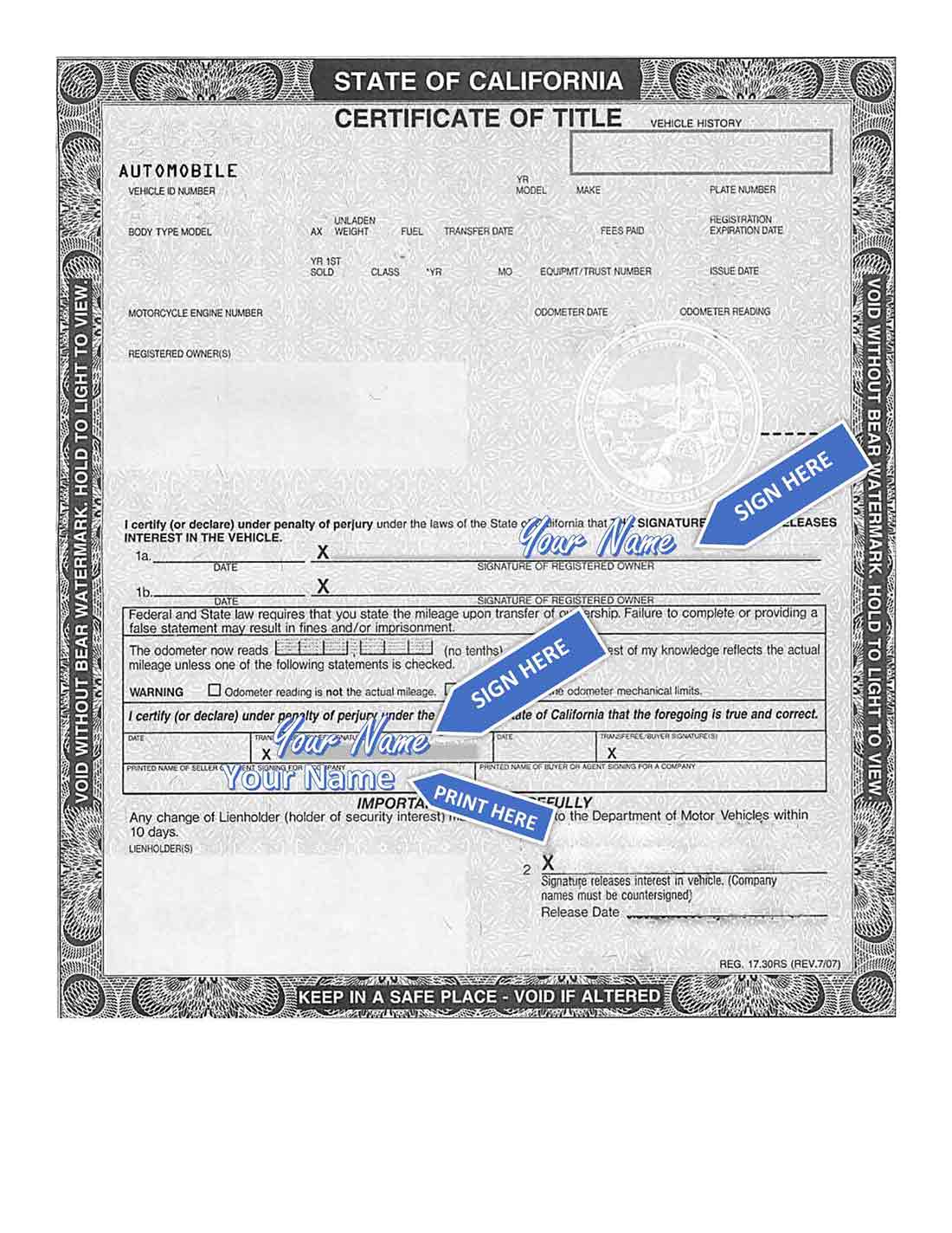
- Vehicle’s Title (Pink Slip): This is the legal proof of ownership. Ensure it’s in your name, clear of any liens (unless you’re working with your lender), and accurately reflects the vehicle’s details. If you have a loan, your lender holds the title, and you’ll need to coordinate with them to release it upon full payment.
- Smog Certification: As mentioned, this is critical. Obtain it within 90 days of the sale.
- Odometer Disclosure Statement: For vehicles less than 10 years old, federal and state laws require you to disclose the vehicle’s accurate mileage at the time of sale. This is typically done on the title itself or on a separate DMV form.
- Bill of Sale: While not strictly required by the DMV for registration, a detailed bill of sale protects both parties. It should include the vehicle’s year, make, model, VIN, purchase price, date of sale, and the full names and signatures of both buyer and seller. Keep a copy for your records.
- Notice of Transfer and Release of Liability (REG 138): This is arguably the most important document for the seller. By completing and submitting this form to the DMV within five days of the sale, you inform the state that you are no longer the owner. This releases you from liability for any parking violations, accidents, or other issues involving the vehicle after the sale date.
Preparing Your Vehicle for Sale
A well-prepared car not only sells faster but can also command a higher price. Investing a little time and effort upfront can significantly impact your return.
Pre-Sale Inspection and Smog Check
Beyond the mandatory smog check, a voluntary pre-sale inspection by a trusted mechanic can identify any potential issues that a buyer might discover. Addressing minor problems beforehand can prevent buyers from using them as bargaining chips. Be transparent about any repairs made.
The smog check is non-negotiable for private sales in California. Locate a STAR-certified station near you and get this done early in the process. A clean smog certificate is a powerful selling point.
Detailing and Minor Repairs
First impressions matter immensely. A clean, well-maintained car signals to potential buyers that you’ve cared for the vehicle.
- Exterior: Wash, wax, and clean the wheels and tires. Consider headlight restoration if they’re cloudy.
- Interior: Vacuum thoroughly, wipe down all surfaces, clean windows, and remove any personal items. Eliminate odors.
- Minor Repairs: Fix small dings, scratches, or broken non-critical components (e.g., a loose trim piece, a burnt-out interior light bulb). These small fixes can dramatically improve the perceived value without costing much.
Setting the Right Price
Pricing your car correctly is crucial for a quick and profitable sale.
- Research: Use online valuation tools like Kelley Blue Book (KBB) or Edmunds. Check similar listings in your area (Los Angeles, San Francisco, San Diego, etc.) on platforms like AutoTrader, Craigslist, or Facebook Marketplace.
- Consider Condition: Be honest about your car’s condition, mileage, and features. Adjust the price based on its actual state compared to similar vehicles.
- Leave Room for Negotiation: Most buyers will try to negotiate, so it’s often wise to list your car slightly higher than your absolute minimum acceptable price.
Marketing Your Car to Potential Buyers
Once your car is prepped and priced, it’s time to get the word out. Effective marketing is key to attracting serious buyers.
Crafting an Engaging Listing

Your online listing is your car’s storefront.
- High-Quality Photos: Take numerous, clear photos in good lighting from various angles (interior, exterior, engine bay, trunk, odometer). Highlight key features and any upgrades.
- Detailed Description: Write a compelling, honest, and comprehensive description. Include year, make, model, mileage, trim level, engine type, transmission, fuel economy, significant features (e.g., navigation, sunroof, heated seats), recent maintenance, and any known imperfections. Be transparent.
- Key Selling Points: Emphasize why someone should buy your car. Is it fuel-efficient, reliable, well-maintained, or great for a specific lifestyle (e.g., commuting, family trips, outdoor adventures)?
- Smog Certified: Explicitly state that the car has a valid California smog certificate, as this is a major advantage for buyers.
Choosing the Right Sales Platform
California offers numerous avenues for selling a used car:
- Online Marketplaces: Craigslist, Facebook Marketplace, OfferUp, and Nextdoor are popular choices for private sales, often free or low-cost.
- Dedicated Car Sales Websites: AutoTrader, CarGurus, and Edmunds are professional platforms that reach a wider audience of serious car buyers, though they may involve listing fees.
- “For Sale” Sign: A simple “For Sale” sign with your phone number placed on the vehicle can be effective, especially if parked in a high-traffic, safe location.
- Dealership Trade-in/Consignment: While not a private sale, these options offer convenience, though typically at a lower payout.
Safe and Effective Showings
When meeting potential buyers:
- Safety First: Choose a well-lit, public location for meetings, such as a busy parking lot during daylight hours. Bring a friend if possible.
- Test Drives: Always accompany the buyer on a test drive. Before they drive, verify they have a valid driver’s license and proof of insurance. Take a photo of their license for your records.
- Be Prepared: Have all your documents (title, smog, maintenance records) organized and ready to show. Be ready to answer questions honestly.
Sealing the Deal: The Transaction Process
Once you find a serious buyer, the final steps involve negotiation, paperwork, and ensuring a secure transfer of funds.
Negotiating and Handling Offers
Be prepared for negotiation. Listen to the buyer’s concerns and counter-offers. Have your minimum acceptable price in mind. If a buyer offers significantly below your asking price, you don’t have to accept. Don’t feel pressured to make an immediate decision. If you have multiple interested parties, you might leverage that to your advantage.
Finalizing Paperwork and Payment
This is where all the prior preparation pays off.
- Sign the Title: Both you and the buyer must sign the vehicle’s title (pink slip). Ensure all fields are correctly filled out, including the odometer reading and sale date. If your title has a section for the Notice of Transfer and Release of Liability, fill that out as well, though the separate REG 138 is still required.
- Bill of Sale: Complete and sign a detailed Bill of Sale (as discussed earlier) and provide a copy to the buyer.
- Smog Certificate: Provide the original valid smog certificate to the buyer.
- Payment: Accept secure forms of payment. A cashier’s check from a reputable bank, verified in person, is ideal. Cash is also an option, but be cautious with large sums and consider meeting at your bank to deposit it immediately. Avoid personal checks or promises of future payment. Never release the car or the title until you have confirmed payment.
Notifying the DMV
This step is critical for your protection.
- Submit REG 138: Within five days of the sale, you must submit a Notice of Transfer and Release of Liability (REG 138) to the DMV. You can do this online through the DMV website, by mail, or in person. This action officially removes your liability for the vehicle. Keep a confirmation or copy for your records.
- Remove License Plates: California law generally requires license plates to remain with the vehicle. However, some sellers prefer to remove personalized plates. Check DMV guidelines for specific rules.
Common Pitfalls and How to Avoid Them
Selling a car can sometimes present challenges. Being aware of potential issues can help you avoid them.
Protecting Yourself from Scams
The car selling market can attract scammers. Be wary of:
- Overpayment Scams: A buyer sends a check for more than the asking price and asks you to wire back the difference. The check is usually fraudulent.
- Remote Buyers: Buyers who insist on shipping the car without seeing it in person, especially from overseas, are often suspicious.
- Unusual Payment Methods: Avoid wire transfers to unknown accounts or third-party payment services that seem too good to be true.
- Personal Information Requests: Never share sensitive personal information (bank details, social security number) beyond what’s legally required for the transaction.
Dealing with Liens and Titles
If you have an outstanding loan on your car, the title is held by the lender. You cannot legally transfer ownership until the loan is paid off and the lien is released.
- Coordination with Lender: Contact your bank or credit union to understand their process for selling a car with a lien. They might require the buyer to pay them directly, or you might need to pay off the loan first.
- Clear Title: Ensure you receive a “clean” title (without any liens) from your lender once the loan is satisfied, which you can then sign over to the buyer.

Legal Responsibilities Post-Sale
Your primary post-sale responsibility is submitting the Notice of Transfer and Release of Liability to the DMV promptly. Failure to do so can leave you liable for parking tickets, tolls, or even accidents involving the vehicle after you’ve sold it. Additionally, keep a copy of all transaction documents for your records for at least a few years.
Selling your car in California doesn’t have to be daunting. By understanding the specific state regulations, meticulously preparing your vehicle and paperwork, effectively marketing your car, and exercising caution during the transaction, you can ensure a smooth, legal, and profitable sale, allowing you to move on to your next lifestyle chapter with peace of mind.
LifeOutOfTheBox is a participant in the Amazon Services LLC Associates Program, an affiliate advertising program designed to provide a means for sites to earn advertising fees by advertising and linking to Amazon.com. Amazon, the Amazon logo, AmazonSupply, and the AmazonSupply logo are trademarks of Amazon.com, Inc. or its affiliates. As an Amazon Associate we earn affiliate commissions from qualifying purchases.