
Relocating to a new state involves a myriad of administrative tasks, and transferring your driver’s license from Arizona to California is undoubtedly one of the most critical. This guide provides an insightful, step-by-step overview of the process, ensuring a smooth transition as you settle into your new California lifestyle. Understanding the requirements and procedures set forth by the California Department of Motor Vehicles (DMV) is paramount to avoiding delays and ensuring legal compliance.
Understanding the Residency Requirements in California
The first crucial step in transferring your driver’s license is understanding when you are legally obligated to do so. California has specific definitions of residency that trigger this requirement. It’s not just about living in the state; it’s about establishing intent to reside there.

When Does Your Arizona License Expire in California?
Once you become a California resident, you have a surprisingly short window to obtain a California driver’s license. The state requires new residents to apply for a California driver’s license within 10 days of establishing residency. This swift deadline is often a point of confusion for newcomers, as many states allow a much longer grace period. Failing to adhere to this timeframe could result in penalties, including fines, so prompt action is essential. It’s important to remember that merely owning property or having a mailing address in California does not automatically confer residency status; rather, it’s about establishing your primary domicile and intent to stay.
Defining “Residency” for DMV Purposes
The California Department of Motor Vehicles considers you a resident if you do any of the following:
- Vote in California elections.
- Pay tuition fees at a public institution of higher education in California where non-residents are charged more.
- File for a homeowner’s property tax exemption.
- Receive any other privilege or benefit not ordinarily extended to non-residents.
- Are employed in California.
- Own a business in California.
- Live in California and intend to make it your permanent home.
Essentially, if your primary residence has shifted from Arizona to California, and you are engaging in typical activities of a state resident, you are considered a resident. This also applies if your vehicle is registered in California or if you plan to register it there. Be prepared to provide documentation that unequivocally proves your new residency when you visit the DMV.
Essential Documents for Your California DMV Visit
Preparing the correct documentation before visiting the California Department of Motor Vehicles is crucial to avoid multiple trips. California has stringent requirements, especially regarding identity verification and residency proof.
Proof of Identity and Legal Presence
You will need to provide one document proving your identity and legal presence in the United States. Examples include:
- A U.S. Birth Certificate.
- A valid, unexpired U.S. Passport or Passport Card.
- A foreign passport with a valid U.S. visa and approved I-94 form.
- An Employment Authorization Document (EAD) Card (I-766).
- A Permanent Resident Card (Green Card).
It’s advisable to bring original documents, as photocopies are generally not accepted. The name on all your documents should match exactly. If there are discrepancies, you might need to provide marriage certificates, divorce decrees, or court orders to explain the name change.
Proof of California Residency
To demonstrate that you are a bona fide California resident, you must present two different documents. These documents should list your name and your current California residential address. Acceptable documents include:
- Utility bills (gas, electric, water, trash, cell phone).
- Rental or lease agreements, or mortgage bills.
- Deeds or titles to residential property.
- Bank statements.
- Insurance documents (vehicle, home, health).
- Medical documents.
- Employment documents.
- School documents.
- Tax returns.
- Voter registration confirmation.
Ensure the documents are recent, typically within the last two to three months, to reflect your current residency status accurately.
Proof of Social Security Number
You must provide your Social Security Number (SSN) as part of the application process. While you typically only need to provide the number itself, the DMV reserves the right to request your Social Security Administration (SSA) card or other proof if there are questions or discrepancies. Make sure you know your SSN by heart or have the card readily available. If you do not have an SSN but are otherwise legally present, specific rules apply, and you may need to consult the DMV directly.
Your Arizona Driver’s License
Last but not least, bring your valid, unexpired Arizona driver’s license. This license will be surrendered to the California Department of Motor Vehicles upon successful completion of the application process. If your Arizona license is expired or suspended, the transfer process might be more complicated, potentially requiring you to apply as an original applicant rather than a transfer.
The Step-by-Step Application Process
Once you have gathered all your documents, the next phase involves navigating the actual application process at a California Department of Motor Vehicles field office. This usually involves several steps.
Completing the Application Form
Before visiting the DMV, it’s highly recommended to complete the online Driver’s License and ID Card Application (DL 44) through the DMV’s website. This saves time at the office, as you’ll receive a confirmation code that the staff can use to retrieve your pre-filled application. If you fill it out manually at the office, ensure all information is accurate and legible.
Vision Test
Every applicant for a California driver’s license must pass a vision test. This is a standard eye chart test to ensure your eyesight meets the minimum requirements for safe driving. If you wear corrective lenses (glasses or contact lenses), you must wear them during the test and for your photo, and your license will indicate that corrective lenses are required while driving.
Thumbprint and Photograph
Your thumbprint will be taken digitally at the DMV office. This is a standard security measure. Following this, your photograph will be taken for your new California driver’s license. Ensure you present yourself clearly and according to DMV photo guidelines (e.g., no hats, certain facial coverings).
Written Knowledge Test
Unlike some states where transferring an out-of-state license only requires a vision test, California generally requires new residents to pass a written knowledge test. This test assesses your understanding of California traffic laws and road signs, which can differ significantly from those in Arizona. The test consists of multiple-choice questions, and you are allowed a certain number of errors before failing. It is highly advisable to study the official California Driver Handbook thoroughly before your appointment.
Driving Test (If Applicable)
In most cases, if you are transferring a valid, unexpired driver’s license from another state like Arizona and you are over 18, you will not be required to take a driving skills test. However, the California Department of Motor Vehicles reserves the right to require a driving test if they deem it necessary, for example, if there are concerns about your driving ability or if your previous license has certain restrictions. Be prepared for this possibility, though it’s uncommon for a straightforward transfer.
Fees
You will need to pay the applicable application fee for a new California driver’s license. Fees can change, so check the official California Department of Motor Vehicles website for the most current costs. Payment methods typically include cash, check, money order, debit card, or credit card.
Special Considerations and Tips
Navigating the California Department of Motor Vehicles system can be complex, and a few additional tips can make your transfer smoother.
REAL ID vs. Standard Driver’s License
When applying for your California driver’s license, you’ll have the option to apply for a REAL ID compliant license or a standard federal non-compliant license. A REAL ID is required for boarding domestic flights and entering certain federal facilities starting from a specific future date (check current deadlines). To obtain a REAL ID, you will need to provide additional documentation beyond what’s required for a standard license, typically including proof of identity, two proofs of residency, and proof of your Social Security Number. If you opt for a standard license, it will be marked “Federal Limits Apply,” and you will need another form of identification (like a passport) for federal purposes. Most people find the REAL ID more convenient for future travel and federal interactions.
Commercial Driver’s Licenses (CDL)
If you hold an Arizona Commercial Driver’s License (CDL), the transfer process involves additional requirements. You must surrender your out-of-state CDL, pass all applicable knowledge tests for the specific endorsements you wish to retain, and potentially a skills test if your endorsements or vehicle class changes. Specific medical requirements and self-certification forms also apply to CDL holders. It’s crucial for CDL holders to consult the California Department of Motor Vehicles CDL handbook and visit a specialized DMV office that handles commercial licensing.
Organ Donor Registration
During your application process, you will be given the option to register as an organ and tissue donor. This is a personal choice, and your decision will be noted on your new California driver’s license.
Making an Appointment
California Department of Motor Vehicles offices can be exceptionally busy, particularly in major metropolitan areas like Los Angeles or San Francisco. Making an appointment online beforehand is highly recommended. This can significantly reduce your wait time and make the entire experience much more efficient. Walk-ins are accepted but often involve lengthy waits.
Studying for the Written Test
Do not underestimate the California written knowledge test. Even experienced drivers can fail if they haven’t reviewed the state’s specific laws, which might differ from Arizona. Pay close attention to speed limits, turning rules, specific signage (like carpool lane markings), and parking regulations. The official California Driver Handbook is available for free online and in print at DMV offices. Many third-party apps and websites also offer practice tests, which can be invaluable study tools.
Vehicle Registration
Remember that transferring your driver’s license is separate from registering your vehicle. If you’ve brought a car from Arizona, you’ll also need to register it in California within 20 days of establishing residency or obtaining employment. This involves different documentation, emissions tests, and fees, and can sometimes be done at the same DMV office or through third-party vehicle registration services.
Post-Application and What to Expect
After successfully completing all the steps at the California Department of Motor Vehicles office, you won’t walk out with your permanent license immediately.
Temporary License
Upon passing all necessary tests and submitting your application, you will be issued a temporary driver’s license. This paper document is valid immediately and allows you to legally drive in California until your permanent card arrives. It will typically be valid for a specific period, usually 60 to 90 days. Keep this temporary license with you at all times when driving.
Receiving Your Permanent License
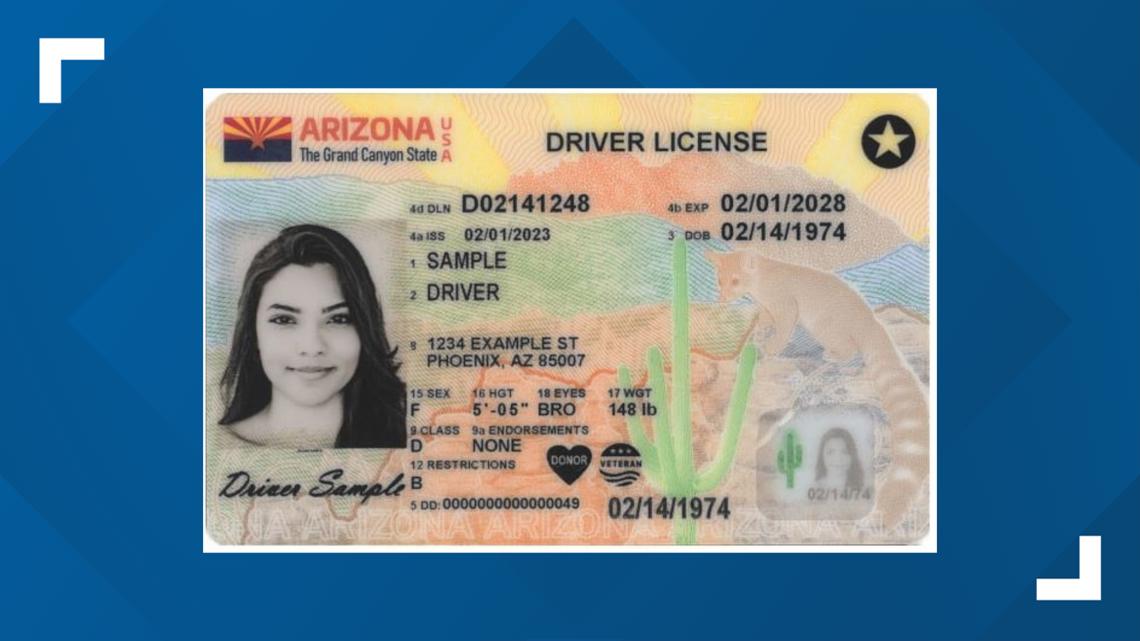
Your permanent California driver’s license will be mailed to the address you provided on your application. The typical waiting period is between two and four weeks. If you do not receive your license within this timeframe, it’s crucial to contact the California Department of Motor Vehicles to inquire about its status. Ensure the mailing address you provide is accurate and secure to prevent mail fraud or delivery issues.
Transferring your driver’s license from Arizona to California is a manageable process when approached with preparation and a clear understanding of the requirements. By following these steps and gathering all necessary documentation in advance, you can ensure a smooth and efficient transition to driving legally in the Golden State, allowing you to focus on enjoying your new life in California.
LifeOutOfTheBox is a participant in the Amazon Services LLC Associates Program, an affiliate advertising program designed to provide a means for sites to earn advertising fees by advertising and linking to Amazon.com. Amazon, the Amazon logo, AmazonSupply, and the AmazonSupply logo are trademarks of Amazon.com, Inc. or its affiliates. As an Amazon Associate we earn affiliate commissions from qualifying purchases.