
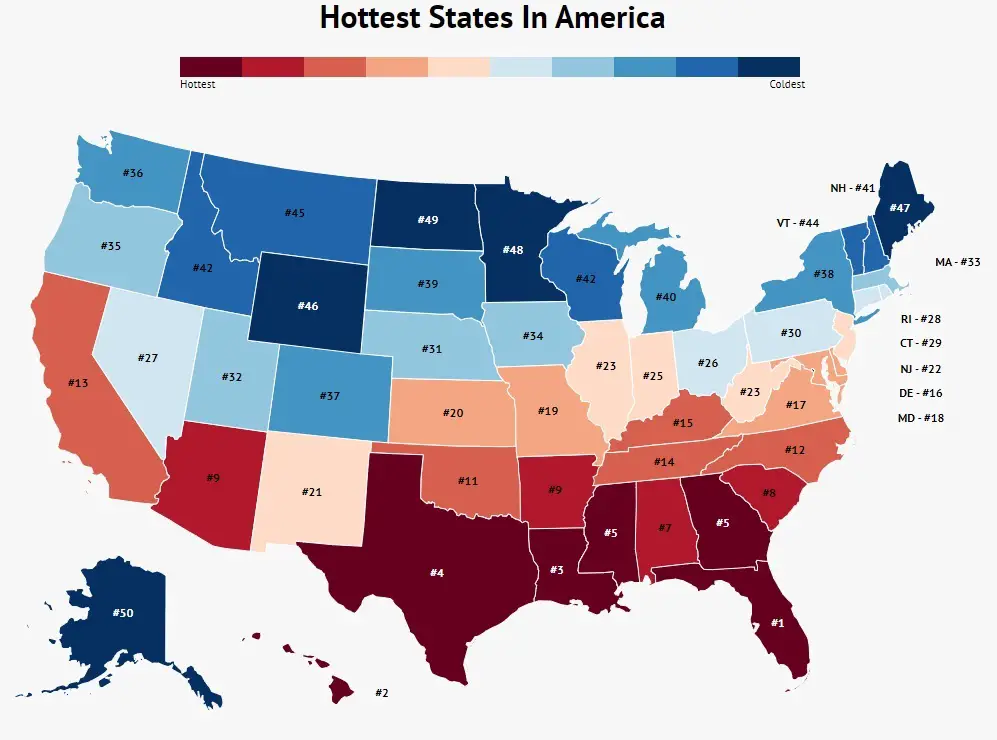
Arizona, often synonymous with scorching sun and vast deserts, frequently sparks the question: is it truly the hottest state in America, and if so, what does this mean for travel? While the record for the highest temperature ever recorded in America belongs to Death Valley, California, Arizona distinguishes itself through its pervasive, sustained heat across a wide geographical area. For travelers, understanding Arizona’s unique climate is paramount to planning an unforgettable and comfortable journey, transforming a potential deterrent into an opportunity for distinct experiences.
The Arizona Heat: Separating Fact from Fiction
The reputation of Arizona as a furnace is largely well-earned, rooted in its geographical characteristics and atmospheric conditions. Understanding these factors is key to appreciating the state’s climate.

The Desert Climate Defined
Most of Arizona lies within the Sonoran Desert and, to a lesser extent, the Mojave Desert, characterized by extreme temperatures, clear skies, and low humidity for much of the year. This combination allows for maximum solar radiation absorption, leading to intense heat build-up. Its latitude and position away from large bodies of water mean there’s little moderation of temperatures. The capital city of Phoenix, for instance, experiences an average of 110 days per year with temperatures reaching 100°F (38°C) or higher. Further south, cities like Tucson share similar heat profiles, albeit often slightly cooler due to higher elevation. The desert landscape, with its dark, rocky surfaces, absorbs and radiates heat efficiently, contributing to both blistering daytime highs and warm nighttime lows, especially during the peak summer months.
Arizona vs. Its Peers
While Death Valley in California famously holds the world record for the highest air temperature ever recorded, at 134°F (56.7°C), Arizona’s claim to “hottest state” typically refers to its broader average temperatures and the sheer number of days exceeding extreme thresholds across populated areas. States like Nevada also experience intense heat, particularly in their southern desert regions. However, Arizona’s major metropolitan areas like Phoenix and Tucson consistently rank among the hottest large cities in the U.S. for their prolonged periods of extreme heat. It’s not just about peak records, but the sustained, widespread heat that defines the Arizona experience, impacting how travelers plan their itineraries and daily activities.
The “When” of Extreme Heat: Navigating Arizona’s Seasons
The timing of your visit to Arizona profoundly dictates the weather you’ll encounter and, consequently, the travel experiences available. The state’s climate varies dramatically throughout the year, with distinct seasons offering different advantages and challenges.
The Scorching Summer (June-September)
The answer to “When is Arizona the hottest?” is unequivocally from June through September. During these months, daytime temperatures in the desert lowlands, including Phoenix and Tucson, routinely soar above 100°F (38°C), often reaching 110°F (43°C) or even higher in July and August. This period is characterized by intense dry heat initially, followed by the monsoon season, typically from mid-June to mid-September. While monsoons bring dramatic thunderstorms, dust storms (haboobs), and occasional heavy rain, they also introduce increased humidity, making the “feels like” temperature even more oppressive. Intense outdoor activities like long-distance hiking or cycling are generally not recommended during the peak daytime hours of these months due to the significant risk of heatstroke and dehydration. However, summer travel does offer advantages: lower hotel rates, fewer crowds at popular attractions (especially in the southern part of the state), and the unique beauty of desert flora blooming after monsoon rains.
Spring and Fall: The Golden Windows
For most travelers, the ideal times to visit Arizona are during the spring (March to May) and fall (October to November). These periods offer a delightful respite from the extremes, providing wonderfully warm and comfortable weather suitable for a wide array of outdoor activities. Average daytime temperatures typically range from the pleasant 70s to low 90s°F (20s to low 30s°C), with abundant sunshine and low humidity. This is the prime time for exploring hiking trails, visiting national parks like the Grand Canyon, golfing, or simply enjoying the outdoor patios and vibrant cultural scenes in cities. The desert wildflowers bloom profusely in spring, adding a spectacular visual dimension to the landscape. Due to the favorable weather, these seasons are also the busiest for tourism, meaning higher prices for accommodations and potentially more crowded attractions.
Mild Winters: A Desert Oasis
Arizona’s winters, from December to February, are a major draw, especially for those escaping colder climates. The southern desert regions transform into a warm haven, with daytime temperatures averaging in the 60s and 70s°F (15-25°C). Sunshine is plentiful, and the evenings are crisp and cool. This period is perfect for extended outdoor exploration, from leisurely walks to challenging treks. It’s particularly popular for golfers, cyclists, and “snowbirds” who flock to the state for its comfortable and sunny conditions. While the desert lowlands enjoy mild winters, the northern, high-elevation parts of Arizona, such as Flagstaff and the Grand Canyon rim, experience cold temperatures and significant snowfall, offering a completely different winter wonderland experience with opportunities for skiing and snowshoeing.
Traveling Through the Heat: Destination-Specific Strategies
Navigating Arizona’s temperatures, especially during the hotter months, requires a strategic approach to destination selection and activity planning. The state’s diverse geography offers distinct microclimates.
Exploring the Phoenix and Tucson Metros
In the heart of summer, exploring cities like Phoenix and Tucson shifts indoors or to early morning and late evening hours. Many resorts in these cities are designed to be oases, featuring expansive pools, splash pads, and air-conditioned indoor activities. Travelers can delve into cultural institutions such as the Heard Museum, the Musical Instrument Museum in Phoenix, or the Arizona-Sonora Desert Museum near Tucson. Shopping centers, art galleries, and diverse culinary experiences thrive in climate-controlled environments. For outdoor enthusiasts, extremely early morning hikes are possible, typically before 7 AM, followed by poolside relaxation or indoor exploration. Evening activities come alive after sunset, with comfortable temperatures allowing for outdoor dining, stargazing, and events.
High-Elevation Escapes: Flagstaff and the Grand Canyon
One of Arizona’s greatest assets is its dramatic change in elevation, which directly translates to cooler temperatures. Northern Arizona offers a stark contrast to the southern deserts. Flagstaff, situated at nearly 7,000 feet (2,134 meters) above sea level, enjoys a four-season climate with significantly milder summers. It serves as an excellent base for exploring the surrounding national forests, the Grand Canyon, and historic Route 66.
The Grand Canyon itself experiences much cooler temperatures at its South and North Rims compared to the inner canyon. While the rims offer refreshing breezes and pleasant hiking opportunities during summer days, temperatures within the canyon, particularly along the Colorado River, can still be extremely hot, making inner-canyon treks challenging and potentially dangerous in July and August. Other popular high-elevation destinations include Sedona, known for its stunning red rock formations and vortexes, and the charming town of Prescott. Both offer cooler alternatives and incredible natural beauty, making them ideal for summer getaways or shoulder-season exploration.
Essential Travel Tips for Arizona’s Warm Climate
Regardless of when you visit, a few essential tips can ensure a safe and enjoyable trip to Arizona, especially if venturing into its warmer regions.
Hydration and Sun Protection
Staying hydrated is paramount in Arizona’s dry climate, particularly during warmer months. Drink more water than you think you need, even if you don’t feel thirsty, and consider electrolyte-rich beverages to replenish salts lost through perspiration. Always carry a reusable water bottle and refill it frequently. Sun protection is equally crucial: apply broad-spectrum sunscreen with a high SPF, wear a wide-brimmed hat, and sport sunglasses. Lightweight, breathable clothing that covers exposed skin is also highly recommended to prevent sunburn and regulate body temperature.
Timing is Everything
Plan outdoor activities for the cooler parts of the day – early mornings or late evenings. During summer, avoid strenuous activity between 10 AM and 4 PM, when the sun is most intense and temperatures peak. Many hiking trails enforce “extreme heat closures” or issue advisories during these hours for safety. Embrace the local custom of enjoying midday indoors, perhaps at a museum, a cool cafe, or a resort pool.
Vehicle Preparedness
If planning a road trip, ensure your vehicle is in excellent condition. Check tires, fluid levels (especially coolant), and the air conditioning system. Always carry an emergency kit that includes extra water, snacks, a first-aid kit, and a fully charged cell phone. Desert conditions can be harsh on vehicles, and breakdowns in remote areas can be dangerous. Inform someone of your travel plans and expected return times, especially if venturing off main roads.

Embracing the Lifestyle
Instead of fighting the heat, embrace the unique desert lifestyle. Enjoy the state-of-the-art resorts with their lavish pools and spas. Explore the vibrant nightlife, when the desert air offers a welcome coolness. Savor the diverse culinary scene, featuring innovative dishes and refreshing drinks. Arizona’s intense climate fosters a distinct way of living, and by adapting your expectations and schedule, you can discover the profound beauty and unique experiences the “Grand Canyon State” has to offer.
LifeOutOfTheBox is a participant in the Amazon Services LLC Associates Program, an affiliate advertising program designed to provide a means for sites to earn advertising fees by advertising and linking to Amazon.com. Amazon, the Amazon logo, AmazonSupply, and the AmazonSupply logo are trademarks of Amazon.com, Inc. or its affiliates. As an Amazon Associate we earn affiliate commissions from qualifying purchases.