
Understanding the “Sanctuary City” Concept in a Tourist Context
The term “sanctuary city” often sparks curiosity, particularly for travelers seeking to understand the unique social and political fabric of their chosen destination. For a city like Chicago, which proudly embraces this designation, it reflects a specific approach to local governance that significantly shapes its community, culture, and, by extension, the visitor experience. While not a direct tourist attraction, understanding Chicago’s status as a sanctuary city provides invaluable insight into its vibrant diversity, the services available to all residents and visitors, and the overall ethos that permeates its neighborhoods.
Definition and Origins
At its core, the “sanctuary city” concept refers to a municipal policy designed to limit local law enforcement’s cooperation with federal immigration authorities, primarily in cases where individuals are suspected of being undocumented immigrants but have not committed serious crimes. These policies typically prevent city employees, including police, from asking about immigration status or from detaining individuals solely based on a request from federal agencies like U.S. Immigration and Customs Enforcement (ICE) without a judicial warrant. The rationale often stems from a desire to foster trust between immigrant communities and local law enforcement, encouraging individuals to report crimes, seek medical attention, or utilize public services without fear of deportation.
The origins of the sanctuary movement can be traced back to the 1980s, when religious congregations began offering refuge to Central American refugees fleeing civil wars. Over time, this movement evolved, with cities across the United States adopting official policies. For tourists, understanding this backdrop is crucial because it highlights a city’s commitment to protecting vulnerable populations and promoting a sense of inclusivity, which often translates into a more diverse and culturally rich environment for visitors to explore.
What it Means for Local Governance and the Tourist Perspective
For local governance, being a sanctuary city means navigating a complex legal and political landscape. Chicago, like other sanctuary jurisdictions, often faces both support and criticism for its stance. From a tourism perspective, however, the implications are largely positive, contributing to a welcoming atmosphere that resonates with many travelers. It signifies that Chicago is a place where individuals from all walks of life, regardless of their background or origin, are encouraged to participate in civic life, access essential services, and contribute to the city’s economic and cultural vitality.
This policy helps to cultivate a stable and integrated community, as immigrants are less likely to be driven underground, allowing them to engage more openly with local businesses, schools, and cultural institutions. For a visitor, this translates into a city teeming with authentic experiences, from diverse culinary scenes reflecting global cuisines to festivals celebrating traditions from around the world. It means encountering a populace that feels secure in its surroundings, fostering a more relaxed and open environment for everyone, including tourists, to enjoy.
Chicago’s Stance and its Impact on Local Culture
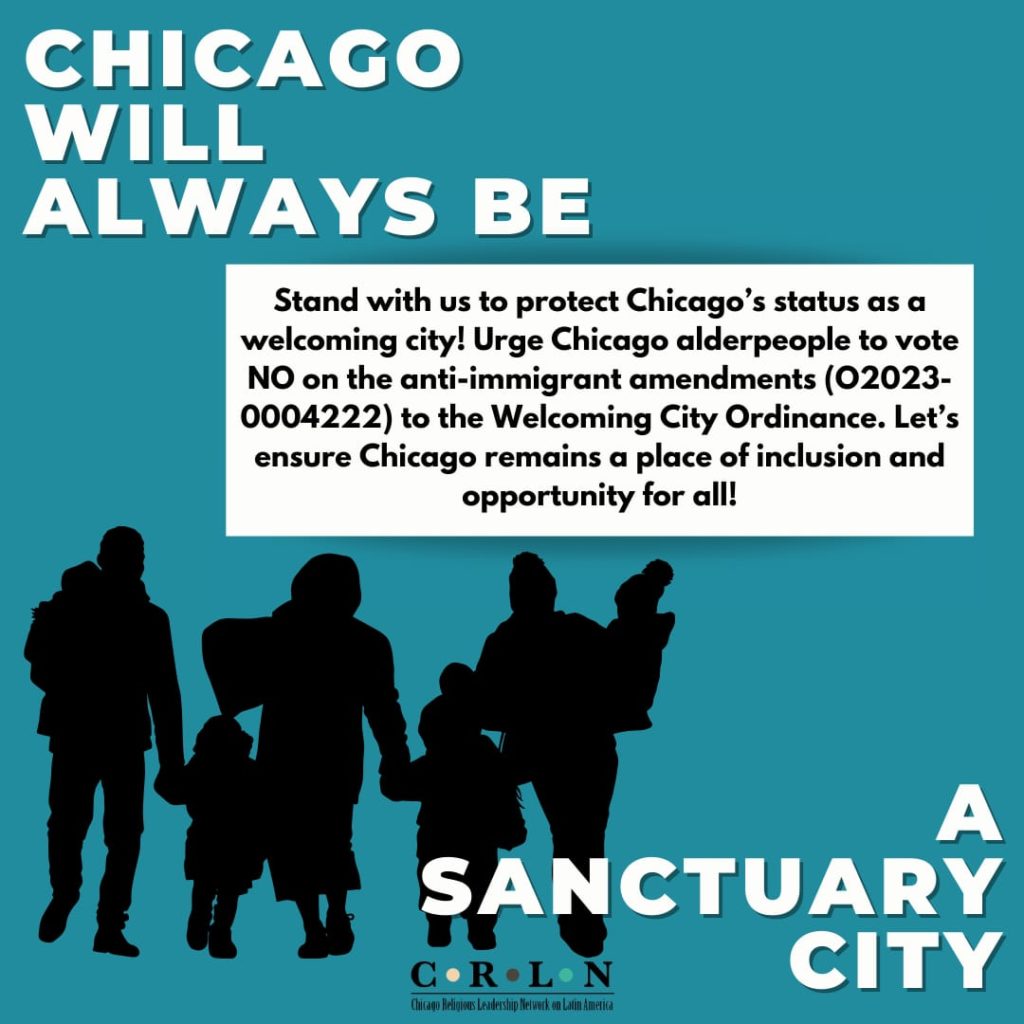
Chicago’s commitment to being a sanctuary city is not a recent development but rather a deeply ingrained aspect of its identity, having formally adopted its “Welcoming City” ordinance in 2012. This policy reinforces a long-standing tradition of embracing immigrants and refugees, a tradition that has indelibly shaped the city’s unique cultural tapestry.
Historical Context of Chicago’s Policy
The roots of Chicago’s welcoming stance stretch back decades, reflecting its history as a major port of entry and a melting pot for immigrants from Europe, Asia, Latin America, and beyond. The city’s ordinance explicitly states that Chicago Police Department officers and other city employees cannot inquire about a person’s immigration status unless it is directly related to a criminal investigation or required by law. This policy extends protections even further than some other sanctuary cities, covering individuals regardless of their immigration status when they interact with local authorities for non-criminal matters.
This historical commitment to welcoming newcomers has allowed diverse communities to flourish, establishing distinct neighborhoods like Pilsen, Little Village, and Argyle Street, each contributing profoundly to the city’s cultural landscape. Tourists exploring these areas can directly experience the rich heritage and vibrant traditions preserved and celebrated by generations of immigrants who found a home and sanctuary in Chicago.
Impact on Diverse Communities and Visitor Experience
The sanctuary policy directly enhances the city’s cultural diversity, making Chicago an even more compelling destination for tourists. By fostering an environment where immigrants feel safer and more integrated, the city encourages the preservation and expression of various cultures. This manifests in countless ways visible to the discerning traveler:
- Culinary Delights: From authentic Mexican taquerias in Pilsen to Vietnamese pho houses on Argyle Street and Polish delis in Jefferson Park, Chicago’s food scene is a direct reflection of its immigrant communities. The confidence that immigrant entrepreneurs feel in opening and operating businesses is partly bolstered by sanctuary policies, contributing to an extraordinarily diverse and high-quality gastronomic landscape.
- Art and Music: Cultural institutions, independent art galleries, and music venues across Chicago often feature artists and traditions from a multitude of backgrounds. Events like the National Museum of Mexican Art‘s Día de los Muertos celebrations or various ethnic music festivals are testaments to the thriving cultural contributions of immigrant communities.
- Neighborhood Vibrancy: The sanctuary policy helps maintain the unique character and vibrancy of ethnic enclaves. These neighborhoods are not just places where immigrants live; they are living museums and cultural centers, offering tourists immersive experiences that go beyond typical sightseeing. Strolling through Chinatown or Little Italy provides a glimpse into the diverse lives and traditions that form the bedrock of Chicago’s identity.
Local Services and Support Systems
The “Welcoming City” ordinance ensures that essential public services, such as emergency medical care, public schools, and local police protection, are accessible to all residents, regardless of immigration status. While tourists primarily utilize services like public transportation or emergency services, this policy creates a foundational sense of stability and equity within the city. For instance, knowing that local police are focused on community safety rather than immigration enforcement can contribute to a general feeling of security and trust, which benefits both residents and visitors alike. This comprehensive approach to community welfare underscores Chicago’s identity as a city that values human dignity and universal access to basic necessities, which in turn fosters a more harmonious and hospitable environment for everyone.
Navigating Chicago as a Tourist: What to Know
For tourists, the sanctuary city status of Chicago primarily shapes the background tapestry of their visit, influencing the city’s atmosphere, cultural richness, and overall sense of welcome. It’s not something a typical tourist actively “navigates” in the conventional sense, but rather a characteristic that enhances their experience of the city’s unique identity.
Safety and Community Relations
One of the often-cited benefits of sanctuary policies is the improved relationship between local law enforcement and immigrant communities. When residents, regardless of their immigration status, feel safe reporting crimes or seeking assistance from the police, it contributes to overall public safety. For a tourist, this can translate into a more secure environment. The Chicago Police Department‘s focus remains on maintaining public order and responding to emergencies for all individuals in the city, ensuring that visitors can feel confident in seeking assistance if needed, without concerns related to the immigration status of others or themselves. The trust built within diverse communities can also foster stronger, more cohesive neighborhoods, which often correlates with lower crime rates and a more pleasant urban landscape for exploration.
Cultural Vibrancy and Diversity
As previously highlighted, the sanctuary city policy is a bedrock of Chicago’s’s celebrated cultural diversity. Tourists benefit directly from this by having access to an unparalleled array of experiences. From attending the Millennium Park Summer Film Series to exploring the Art Institute of Chicago, the cultural offerings are continually enriched by the contributions of its diverse residents. Beyond established institutions, the policy supports the organic growth of grassroots cultural initiatives, small businesses, and community events that draw from the varied traditions of Chicago’s’s many ethnic groups. For instance, local festivals celebrating Polish, Mexican, Irish, or Chinese heritage are not merely performances but genuine expressions of communities that feel empowered to openly share their traditions. This vibrant exchange enriches the entire city and offers tourists authentic, deeply rooted cultural encounters that might not exist in a less inclusive environment.
Legal Aspects and Common Misconceptions
It’s important for tourists to understand that Chicago’s sanctuary status does not alter federal immigration law or grant immunity from federal authority. It primarily governs the actions of local city employees. For the vast majority of tourists, this distinction is largely irrelevant to their visit. They will experience the city’s general welcoming atmosphere and rich cultural offerings without direct engagement with immigration policies.
Common misconceptions might include the idea that sanctuary cities are unsafe or operate outside the law. In reality, Chicago’s policy is carefully crafted within the bounds of legal frameworks and aims to enhance public safety by promoting cooperation between communities and local authorities. For tourists, the key takeaway is that Chicago is a city that has consciously chosen to prioritize community trust and human dignity, which manifests as a genuinely open and diverse environment. Visitors should feel confident in enjoying all that the city has to offer, knowing that Chicago strives to be a welcoming place for everyone who steps within its limits.
Beyond Policy: Chicago’s Welcoming Spirit
While “sanctuary city” is a policy designation, in Chicago, it reflects an inherent welcoming spirit that permeates the very fabric of the city. This spirit is what truly enriches the tourist experience, offering depth and authenticity rarely found elsewhere.
Festivals, Cuisine, and Neighborhoods Shaped by Diversity
The most tangible manifestations of Chicago’s’s welcoming ethos are found in its neighborhoods, its calendar of events, and its culinary scene. The annual Taste of Chicago festival, for example, is not just a food event; it’s a celebration of global flavors brought by immigrants. Similarly, the diverse array of neighborhood festivals, from the Lincoln Square Maifest to the Chinatown Summer Fair and the Puerto Rican Day Parade in Humboldt Park, are vibrant showcases of the city’s multicultural heritage, all thriving under the umbrella of a city committed to inclusivity.
These events and the daily life in neighborhoods like Devon Avenue, known as “Little India,” or the historically vibrant Bronzeville, reflect the ongoing contributions of diverse communities. Tourists exploring these areas gain a deeper understanding of Chicago’s’s complex identity, far beyond its iconic skyscrapers and deep-dish pizza. They discover a city built by dreamers and strivers from every corner of the globe, united by a shared sense of belonging that the sanctuary policy helps to protect and foster.
Engaging with the City’s Multicultural Fabric
For an engaged tourist, Chicago’s’s status as a sanctuary city offers an invitation to look beyond the superficial and connect with the city on a more profound level. It means appreciating that the friendly face serving coffee in a Logan Square café, the skilled artisan displaying their craft at an art fair in Daley Plaza, or the knowledgeable guide at the Field Museum might be part of the very diverse communities that benefit from and contribute to this inclusive policy.
The best way to experience this aspect of Chicago is to simply embrace its diversity. Venture beyond the central business district to explore the ethnic enclaves, sample the vast array of international cuisines, attend a community festival, or visit a cultural center. By doing so, tourists not only enjoy world-class attractions and amenities but also gain a richer, more nuanced understanding of a city that has consciously chosen to be a haven, contributing to its reputation as one of the most dynamic and welcoming urban destinations in the United States.
LifeOutOfTheBox is a participant in the Amazon Services LLC Associates Program, an affiliate advertising program designed to provide a means for sites to earn advertising fees by advertising and linking to Amazon.com. Amazon, the Amazon logo, AmazonSupply, and the AmazonSupply logo are trademarks of Amazon.com, Inc. or its affiliates. As an Amazon Associate we earn affiliate commissions from qualifying purchases.